The toilet is one of those household fixtures you probably do not think about until something goes wrong.
Then suddenly, a toilet that will not flush, keeps running, or leaves water around the base becomes impossible to ignore. It can interrupt busy mornings, create an unpleasant bathroom, and potentially lead to water damage if the problem is left alone.
Some toilet problems are easy to handle yourself. A basic clog may only need a plunger, while a loose handle can sometimes be fixed with a simple adjustment.
Other problems are more complicated. Repeated clogs, leaks, weak flushing, and faulty internal parts may require a reliable toilet repair service to find the cause and make the right repair.
Knowing the warning signs can help you decide when a quick DIY fix is enough and when it is time to call a plumber.
Common Toilet Problems to Watch For
Toilets have several parts that work together every time you flush. When one part starts to wear out or a blockage develops, you may notice changes in how the toilet sounds, flushes, or fills.
Catching those changes early can help prevent a small problem from turning into a larger repair.
Leaking Toilets
A leaking toilet can waste water and may eventually damage the surrounding floor.
Some leaks are obvious. You may see water collecting around the base of the toilet after every flush.
Others are much harder to notice.
A toilet may slowly leak water from the tank into the bowl, causing it to refill again and again. You might hear the toilet running when nobody has used it or notice that the water bill is higher than expected.
Common signs of a leaking toilet include:
- Water around the base
- A toilet that keeps running
- The tank refilling on its own
- Dripping or trickling sounds
- Moisture near the toilet
- An unexplained increase in water use
Several problems can cause these symptoms.
A worn flapper or faulty fill valve may allow water to keep moving through the tank. Damaged seals can also cause leaks. In more serious cases, cracks in the tank or bowl may allow water to escape.
Water around the base should not be ignored.
If moisture reaches the flooring or subfloor, the repair can become much more involved than replacing a toilet seal. Fixing the leak early can protect the bathroom and reduce unnecessary water use.
Frequent Toilet Clogs
Most homes deal with an occasional toilet clog.
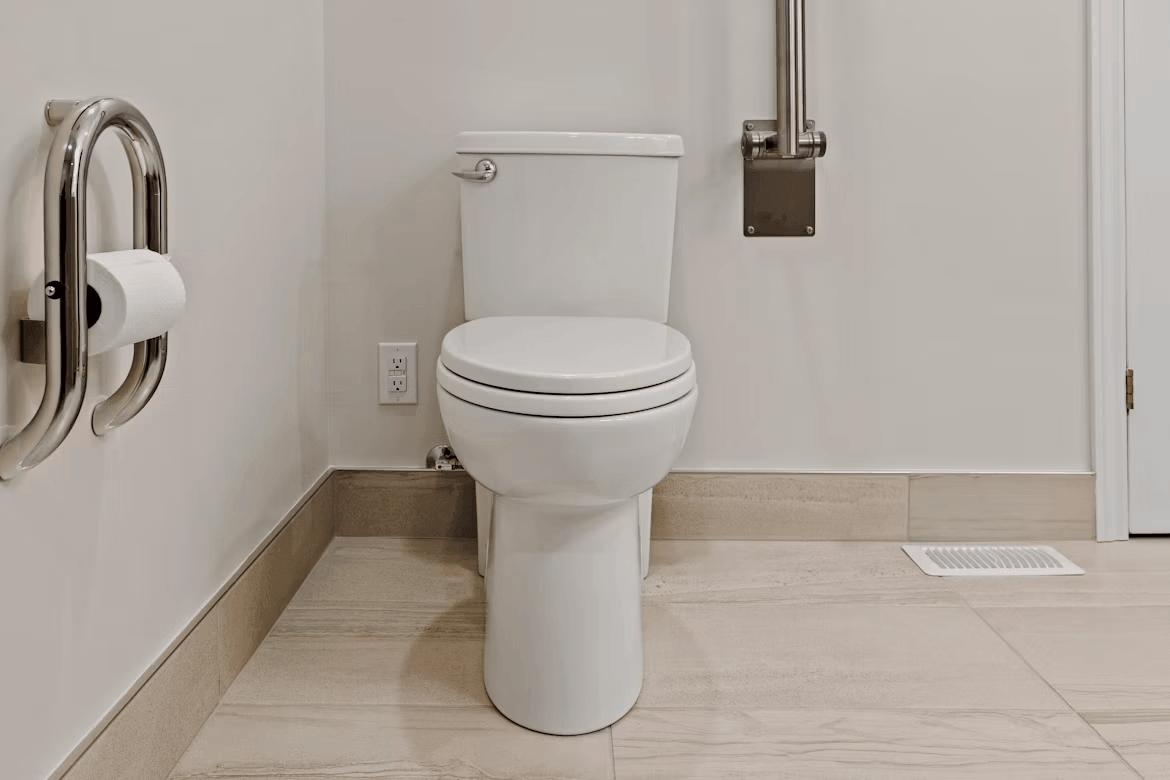
If the clog clears easily with a plunger and does not return, there may be little reason to worry.
Repeated clogs are different.
Using too much toilet paper can sometimes block the toilet, especially if the plumbing is older or the toilet has a weaker flush.
Problems can also happen when items that should never go down a toilet are flushed.
These include:
- Wipes
- Paper towels
- Feminine hygiene products
- Cotton products
- Small toys
- Other household waste
Even wipes labeled as flushable may not break apart as quickly as toilet paper.
When the toilet keeps clogging despite careful use, the problem may be deeper in the drain or plumbing system. There could also be an issue with the toilet itself.
Persistent clogging should not become something you simply learn to live with.
If you are reaching for the plunger every few days, it may be time to have a plumber look for the underlying cause.
Weak or Incomplete Flushing
A toilet should remove waste with one proper flush.
When it starts needing two or three flushes, something may not be working as it should.
A weak flush can have several causes, including:
- A problem with the flushing mechanism
- A tank that is not filling to the correct level
- Mineral buildup
- A blocked rim or siphon jet
- A partial clog
- Worn internal components
Start with the simple things.
Check whether the tank is filling normally and whether the toilet handle and internal parts appear to move correctly. Cleaning mineral deposits from accessible areas may also help in some cases.
If the toilet still does not flush properly, a plumber can inspect the system and determine what is causing the problem.
Do not rely on repeated flushing as a long-term solution. It wastes water and does not address the reason the toilet has lost flushing power.
A Toilet That Keeps Running
That constant trickling sound from the bathroom is more than annoying.
A toilet that continues running after the tank should have filled is usually allowing water to move where it should not.
The problem may involve the flapper, fill valve, float, chain, or another component inside the tank.
Some of these parts are inexpensive and easy to replace. However, identifying the correct part matters.
If adjusting the float or checking the flapper does not solve the problem, getting professional help may prevent you from replacing parts unnecessarily.
Why Timely Toilet Repairs Matter
It is easy to put off a toilet problem when the fixture still works most of the time.
A small leak or occasional clog may not seem urgent.
The trouble is that plumbing problems rarely become cheaper because you ignored them.
Dealing with an issue early can protect your bathroom, reduce water waste, and make daily life much easier.
Prevent Water Damage
One of the biggest concerns with a leaking toilet is the damage that can happen outside the fixture.
Water may seep into flooring, baseboards, walls, or the subfloor.
You may not notice that damage immediately.
Over time, moisture can cause flooring materials to swell, stain, soften, or deteriorate. Persistent moisture may also create conditions where mold and mildew can develop.
Check the area around your toilet regularly.
Soft flooring, discoloration, loose tiles, stains, or a musty smell can all be signs that moisture has been present.
Addressing toilet problems when they first appear may help you avoid having to repair more than the toilet itself.
Reduce Unnecessary Water Use
A toilet does not need to leave water on the floor to be leaking.
Internal leaks can quietly send water from the tank into the bowl all day.
Because the water disappears into the drain, the problem can be easy to miss.
Listen for a toilet that refills when nobody has flushed it. You can also pay attention to changes in household water use.
Fixing worn components helps the toilet use water the way it was designed to.
If you have a very old toilet that regularly needs repairs, it may also be worth asking a plumber whether replacing it with a newer model makes more sense.
Keep the Bathroom Comfortable and Hygienic
A working toilet is a basic part of a comfortable home.
Clogs, leaks, odors, and flushing problems can quickly make the bathroom unpleasant to use, especially in a busy family home where several people depend on the same bathroom each day.
Prompt repairs help keep the fixture working properly and make the bathroom easier to clean.
The toilet itself should also be cleaned regularly. Pay attention to the bowl, seat, lid, handle, and surrounding floor.
Good cleaning habits will not repair worn plumbing parts, but they can help you notice small problems earlier.
When Can You Fix a Toilet Yourself?
Not every toilet problem requires a plumber.
Homeowners may be able to handle some simple jobs, such as:
- Using a plunger on a minor clog
- Replacing a worn toilet seat
- Adjusting a loose handle
- Checking the tank water level
- Replacing a simple tank component when they are comfortable doing so
Know when to stop, though.
If a repair does not solve the problem, avoid repeatedly taking the toilet apart or using harsh chemical drain cleaners.
A plumber may be the better choice when there is a leak you cannot locate, recurring clogs, water damage, a cracked fixture, drainage problems elsewhere in the house, or a toilet that continues to malfunction after basic troubleshooting.
How to Choose a Toilet Repair Service
Finding the right plumber should involve more than choosing the first search result.
Start by looking for a local plumbing company with experience repairing toilets and other household plumbing problems.
Before booking a service, consider asking:
- Is the plumber appropriately licensed for the work?
- Do they regularly repair toilets?
- Can they provide an estimate before starting?
- Are there separate callout charges?
- Is the repair covered by any service guarantee?
- Will they explain whether repair or replacement makes more sense?
- What happens if they discover another plumbing problem?
Clear communication matters.
A good plumber should be able to explain what is wrong, what repair is recommended, and what it is likely to cost before major work begins.
How Often Should You Inspect Your Toilet?
You do not need an elaborate maintenance schedule.
Simply paying attention to the toilet while cleaning the bathroom can help you catch many common problems.
Every so often, check:
- The floor around the base for moisture
- The tank for visible cracks or leaks
- Whether the toilet stops running after a flush
- Whether the flush is strong and consistent
- Whether the bowl fills normally
- The condition of visible seals and connections
- Whether the toilet rocks or moves when used
Also listen.
A toilet that suddenly sounds different may be giving you an early warning that something has changed.
Regular cleaning can also reduce mineral deposits and make leaks or damage easier to spot.
Should You Repair or Replace the Toilet?
Sometimes repairing a toilet makes perfect sense.
A relatively new toilet with a worn flapper, faulty valve, or damaged seal may only need a straightforward repair.
An older toilet with repeated problems may be another story.
Replacement may be worth considering when the toilet is cracked, clogs frequently, needs repeated repairs, or uses significantly more water than newer models.
The cost of one repair may be small, but several repairs over a short period can add up.
A plumber can help you compare the cost of fixing the existing fixture with the cost of replacing it.
Do Not Ignore Small Toilet Problems
A toilet problem rarely arrives at a convenient time, but dealing with it early can make the repair much easier.
Pay attention to running water, weak flushing, recurring clogs, leaks, and moisture around the base.
Start with simple troubleshooting when the problem is minor. If it keeps returning or you see signs of water damage, call a qualified plumber.
A little maintenance and a quick response to warning signs can help keep your bathroom clean, comfortable, and working the way your family needs it to.
0
Leave a Reply