Your home is your sanctuary, your family’s cozy haven— where you sip morning coffee, help with homework, and tuck in little ones at night. But when storms roll in or heat waves hit, it can feel a little less safe, less comfortable. Weatherproofing isn’t just about keeping leaks at bay—it’s about creating a home that stands strong and keeps everyone comfy no matter what nature brings.
For moms juggling kids, schedules, and life’s many surprises, I’ve learned a few key steps to safeguard our place—and I’m excited to share them with you.
Start from the Top Down
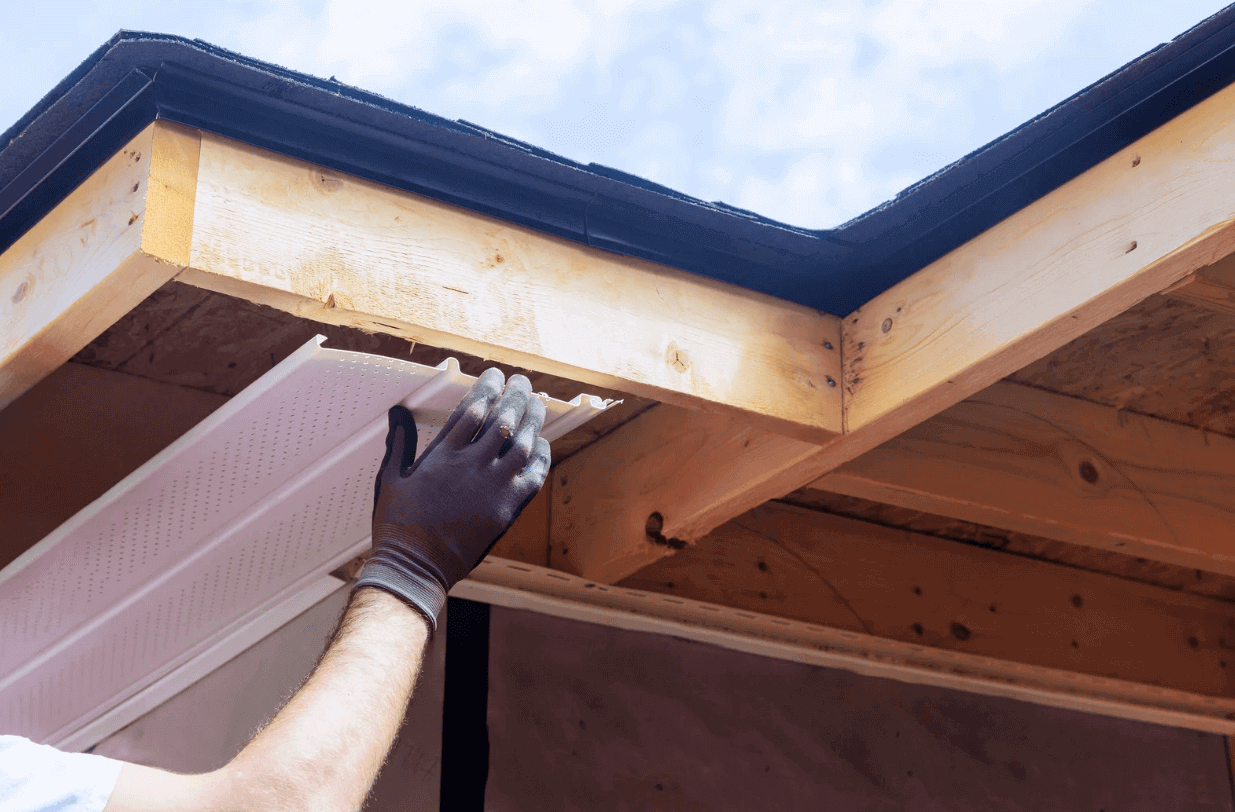
Your roof is your home’s first line of defense, so it deserves priority attention. Inspect it regularly for missing or damaged shingles, cracked flashing, and signs of wear around chimneys and vents. Even small gaps can allow water to seep in, leading to rot, mold, and structural damage over time. If you’re not comfortable climbing up there yourself, hire a professional for an annual inspection. Catching problems early can save you thousands in repairs down the road.
Don’t forget about your gutters and downspouts. These unsung heroes channel water away from your foundation, preventing flooding and erosion. Clean them at least twice a year, removing leaves, twigs, and debris that can cause blockages. Consider installing gutter guards to reduce maintenance, and make sure downspouts extend at least six feet from your foundation to keep water where it belongs.
Seal the Envelope
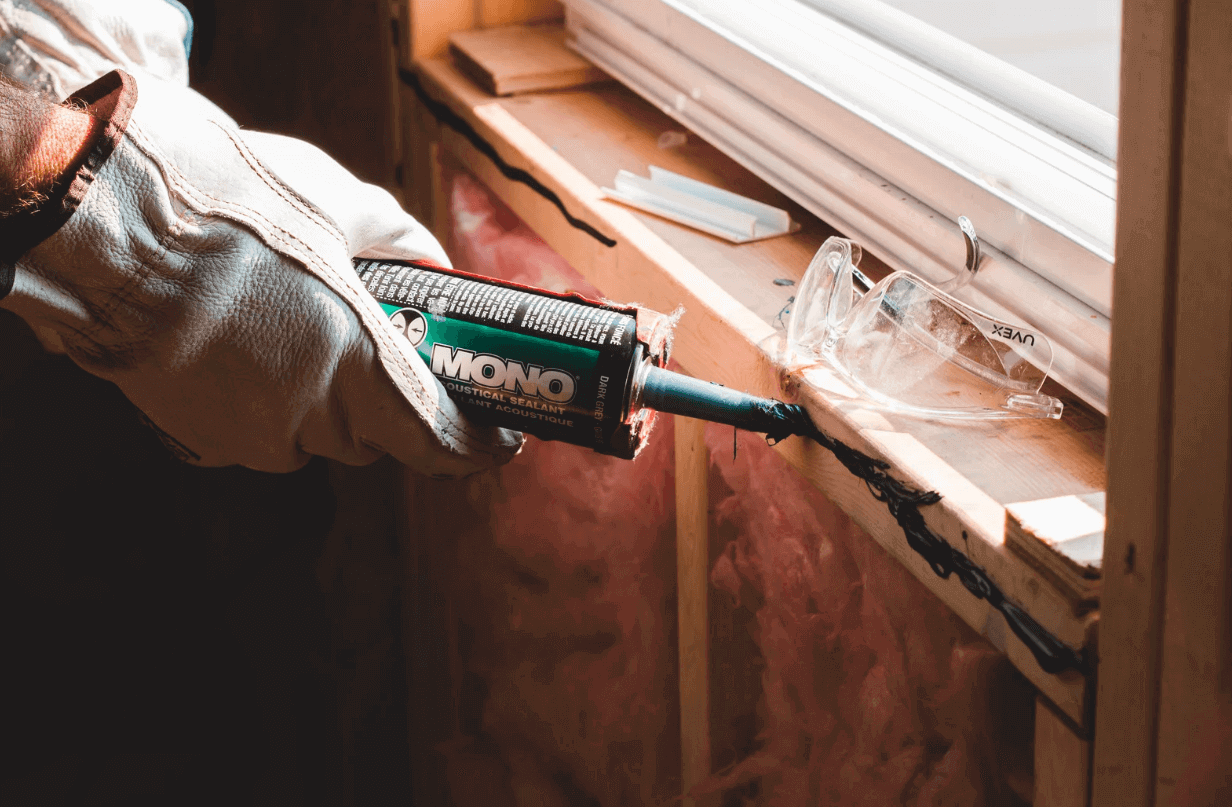
Your home’s exterior envelope includes walls, windows, and doors. Walk around your property and look for cracks in siding, gaps around window frames, and deteriorating caulk. These openings let in moisture, drafts, and pests. A few tubes of high-quality caulk and weatherstripping can work wonders for sealing these vulnerable spots.
Windows and doors take particular abuse from the elements. Check that all seals are intact and replace any worn weatherstripping. If you have older single-pane windows, upgrading to double or triple-pane versions will dramatically improve your home’s ability to handle temperature extremes while cutting energy costs. Storm doors and windows add an extra layer of protection in regions prone to severe weather.
Foundation and Drainage Matter
Water is relentless, and it always finds the path of least resistance. Proper grading around your home ensures that water flows away from your foundation rather than pooling against it. The ground should slope away from your house at a rate of about six inches over ten feet. If you notice areas where water collects after rain, bring in some soil to correct the grade.
Installing a French drain or other drainage system can be a game-changer if you’re dealing with persistent water issues. These systems intercept groundwater before it reaches your foundation, keeping basements and crawl spaces dry.
While you’re thinking about exterior drainage, consider putting up wall lights with protective housings near entryways and along walkways. Quality outdoor lighting not only enhances security and curb appeal but also helps you spot potential weather damage during evening inspections, and modern fixtures are designed to withstand rain, snow, and temperature fluctuations.
Protect Your Siding and Paint
Your home’s exterior finish does more than look pretty. It’s a critical barrier against moisture, UV rays, and temperature swings. Inspect painted surfaces annually and touch up any areas where paint is peeling or cracking. These spots expose vulnerable wood or other materials to the elements. If your siding is vinyl or fiber cement, check for cracks, warping, or loose panels that could let water infiltrate.
Power washing can refresh your home’s appearance, but be careful not to use too much pressure, which can damage siding and force water into places it shouldn’t go. A gentle cleaning once a year removes dirt, algae, and mildew that can degrade exterior surfaces over time.
Monitor for Hidden Moisture Problems
Even with the best weatherproofing efforts, moisture can still find its way inside through hairline cracks or during severe storms. The real danger often lurks where you can’t see it. If you notice musty odors, discoloration on walls or ceilings, or experience unexplained allergy symptoms, moisture may have already created a mold problem.
For homeowners in humid climates or areas with frequent rain, professionals such as MD Mold Testing in Maryland can identify hidden growth before it becomes a major health hazard or structural issue. Addressing moisture problems quickly prevents them from undermining all your weatherproofing work.
Don’t Ignore the Little Things
Attic ventilation might not seem exciting, but it’s crucial for weatherproofing. Proper airflow prevents heat and moisture buildup that can warp roof decking, promote mold growth, and dramatically increase cooling costs in summer. Make sure soffit vents and ridge vents are clear and functioning properly.
Insulation works hand in hand with ventilation to regulate your home’s temperature and moisture levels. Check that insulation in your attic, walls, and crawl space meets current standards for your climate zone. Adding insulation where it’s lacking pays dividends in comfort and energy savings while protecting against temperature extremes.
Plan for the Worst
Some weather events require extra preparation. If you live in hurricane or tornado country, consider installing storm shutters or impact-resistant windows. Reinforce garage doors, which are often the weakest point during high winds. Keep trees trimmed back from your house so falling branches can’t cause damage during storms.
Create an emergency kit with supplies you’ll need if severe weather knocks out power or makes it unsafe to leave home. Include flashlights, batteries, water, non-perishable food, and important documents in waterproof containers.
The Bottom Line
Weatherproofing your home is not a one‑and‑done task—it’s a love note you leave for your future self and your family. By starting with the roof and foundation, then moving into the small details like insulation and vents, you’re building a home that’s ready for wind, rain, sun, and whatever comes next. When the next storm rolls in—or the summer heat peaks—you’ll be able to worry less and enjoy more time with your people. Let’s keep our homes safe, strong, and welcoming for the ones we love.
1
Leave a Reply