Creating a home that works well for your lifestyle is about more than following design trends. The best home improvements are those that make everyday routines simpler, more comfortable, and more enjoyable. Whether you’re planning a full renovation or making gradual upgrades, focusing on practical improvements can have a lasting impact on how you use your home.
Here are some of the most effective ways to improve your living space while making daily life that little bit easier.
Improve Natural Light and Flow
A brighter home naturally feels more welcoming and spacious. Maximising natural light can transform the atmosphere of any room while reducing the need for artificial lighting during the day.
Simple improvements such as enlarging windows, choosing lighter interior colours, and removing unnecessary obstacles between living spaces all contribute to a more open feel. Creating better flow throughout the home also makes it easier to move between rooms, particularly in busy family households.
For homeowners looking to connect indoor and outdoor living areas, Bifold doors offer an attractive solution. They allow plenty of natural light inside while providing easy access to gardens, patios, or outdoor entertaining spaces.
Invest in Smarter Storage
Clutter often creates unnecessary stress. One of the easiest ways to simplify everyday living is by improving your home’s storage.
Built-in cupboards, under-stair storage, fitted wardrobes, and multifunctional furniture all help keep belongings organised without sacrificing valuable floor space. Even adding shelving in underused areas can make a significant difference.
When everything has its own place, cleaning becomes quicker and daily routines become much more efficient.
Upgrade the Kitchen for Practicality
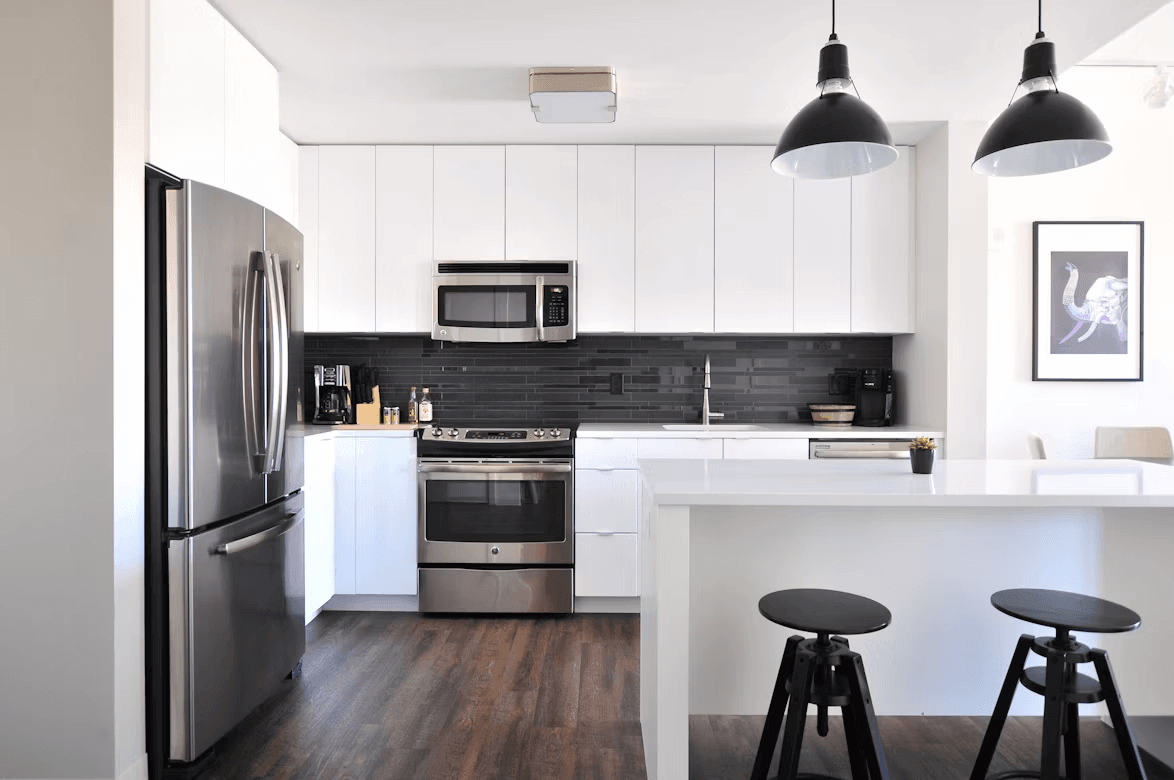
The kitchen is one of the busiest rooms in any home, making it an excellent place to invest in improvements that increase convenience.
Rather than replacing everything, focus on upgrades that improve functionality. Deep drawers instead of lower cupboards make cookware easier to access, while pull-out pantry systems reduce wasted space. Durable worktops, quality taps, and energy-efficient appliances can also make cooking and cleaning much simpler.
A well-planned kitchen allows multiple people to use the space comfortably without feeling cramped.
Make Bathrooms More Comfortable
Bathrooms should be practical as well as relaxing. Small improvements can greatly improve daily comfort without requiring a complete renovation.
Installing walk-in showers, better ventilation, heated towel rails, and additional storage all help create a more enjoyable space. Choosing easy-to-clean surfaces also reduces maintenance, allowing you to spend less time cleaning and more time enjoying your home.
Simple upgrades can also help future-proof the property by making the bathroom more accessible for changing needs.
Focus on Energy Efficiency
Improving your home’s energy efficiency benefits both comfort and household running costs.
Better insulation, modern glazing, efficient heating systems, and programmable thermostats help maintain a comfortable temperature throughout the year while reducing energy waste. Sealing drafts around doors and windows can also make a noticeable difference, especially during colder months.
These improvements often continue delivering value long after installation through lower utility bills and improved comfort.
Create Flexible Living Spaces
Modern lifestyles continue to evolve, making flexibility increasingly valuable. Rooms that can easily adapt to different purposes provide far greater long-term usability.
A guest bedroom may also serve as a home office, while dining areas can double as homework spaces or hobby rooms. Choosing adaptable furniture and thoughtful layouts allows your home to change alongside your family’s needs without constant renovations.
Flexible spaces also make entertaining guests or accommodating changing work patterns much easier.
Prioritize Everyday Comfort
Sometimes the simplest improvements have the biggest impact. Better lighting, improved ventilation, quieter flooring, comfortable seating, and quality window coverings all contribute to a home that feels easier to live in every day.
Rather than chasing short-lived trends, focus on improvements that solve small frustrations you regularly experience. These practical upgrades often deliver the greatest satisfaction because they enhance the routines you repeat every single day.
0
Leave a Reply