A DIY homeowner usually knows their house better than anyone. The damp corner of the basement, the slow shower drain, the smell that shows up only on humid days. Those small signals add up over the year.

Photo by Thirdman on Pexels
The question is when DIY observation reaches the point where a professional mold test earns its place. The right test produces the data the next round of home maintenance needs to actually work. A team like Fast Mold Testing handles the kind of inspection that fits cleanly into the broader DIY-homeowner workflow. The framework below covers when to test and how to think about the trip.
Why Has Home Mold Testing Become a Standard Step?
Home mold testing has become a standard step because DIY moisture management can only go so far. Once the homeowner suspects something behind a wall, under a floor, or above a ceiling, the visual inspection cannot answer the question without invasive demolition.
Three structural patterns explain the rising visibility. First, household humidity has crept up. Tighter, more efficient construction traps moisture that older drafty homes used to vent naturally. The Environmental Protection Agency’s mold publications hub covers the broader public-health framework that informs home-testing decisions.
Second, real estate transactions increasingly require documentation. A buyer’s inspection that flags suspected mold prompts a separate mold-testing pass before closing.
Third, insurance claims need data. A homeowner filing a water-damage claim has more standing with a written inspection report than with their own description of what they saw.
What Six Signals Tell a DIY Homeowner It Is Time to Test?
Six signals reliably tell a DIY homeowner that professional testing has moved from optional to worthwhile.
- Persistent musty smell that does not respond to airing out. Hidden mold is the usual culprit.
- Visible spotting on drywall or ceiling tiles that comes back after cleaning. Surface clean does not address the moisture source.
- Allergy or asthma symptoms that worsen at home. Indoor air quality matters here.
- Past water damage (leak, flood, slow drip) that was dried but never tested. The lingering moisture may have set the stage.
- Pre-renovation due diligence. Opening walls during a remodel can release spores that have been growing undetected.
- Real-estate listing or purchase prep. Documented testing supports either side of the transaction.
The tackle-mould-with-kids-at-home guide on whipperberry.com covers the family-side context that informs why so many DIY homeowners reach this decision earlier than they expect.
How Should the Homeowner Approach the Testing Process?
The testing process runs through three stages that map cleanly to most DIY-homeowner calendars.
The first stage is the pre-test inspection by the homeowner. Walk through every room, note any active moisture sources, and photograph the spots that concern you. The Environmental Protection Agency’s basic mold cleanup steps cover the public-health framework worth understanding before the visit.
The second stage is the professional inspection. A certified tester walks through the same rooms with moisture meters, infrared cameras, and surface or air sampling equipment. The visit usually takes 1 to 3 hours depending on home size.
The third stage is the report review. A useful mold inspection report describes the findings in plain language, identifies the moisture sources, and offers next-step recommendations. Coverage of the seasonal home maintenance checklist on whipperberry.com gives the broader cadence that the mold-testing follow-up actions fit into.
What Are the Common DIY-Homeowner Mistakes Around Mold Testing?
Five recurring mistakes show up across the DIY homeowner population.
- The DIY-test-only default. Drugstore mold tests confirm presence but cannot identify type or quantify risk; the result is rarely actionable.
- The skipped-source habit. Treating the visible mold without finding the moisture source guarantees recurrence in the same spot.
- The remediation-before-testing pattern. Hiring remediation before a test produces a clean room but no data on what happened.
- The DIY-removal of large patches. Anything larger than a small visible patch deserves a certified team to handle without spreading spores.
- The no-follow-up-test step. After remediation, a clearance test confirms the work was actually effective.
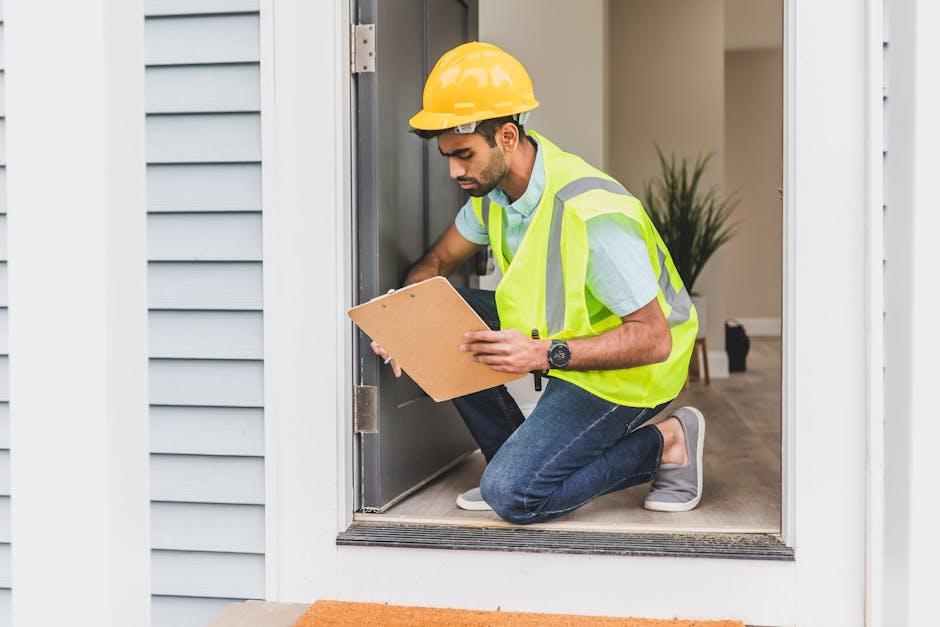
Photo by RDNE Stock project on Pexels
A Quick DIY Homeowner Reality Check
A short pre-test pass covers the questions worth confirming before booking a certified inspector.
- Confirm the inspector holds industry credentials (AIHA, IICRC, InterNACHI)
- Verify the inspector uses an accredited third-party laboratory
- Ask whether the inspection includes both surface and air sampling
- Confirm written-report turnaround time
- Photograph all suspected spots before the inspector arrives
- Note any past water-damage events in writing for the inspector
The Bottom Line for DIY Homeowners
Home mold testing closes the loop between DIY moisture management and informed remediation. The test answers the question DIY observation cannot. Once the homeowner has the data, the next decision is easier.
A homeowner who tests promptly when the signals appear avoids the larger and more expensive cleanup that delays usually produce. The investment in testing is modest compared with the cost of repeated DIY guesses that never quite solve the underlying issue.
Frequently Asked Questions
How Much Does a Professional Mold Test Usually Cost?
Most home mold inspections run $300 to $700 depending on home size and the number of samples taken. Larger homes or multiple suspected areas push toward the upper end.
How Long Does the Inspection Take?
The on-site visit usually runs 1 to 3 hours. The written report typically arrives 1 to 5 business days after lab analysis completes.
Can a Homeowner Skip Testing and Go Straight to Remediation?
For small visible patches the homeowner can clean with proven methods, testing is optional. For larger suspected areas, hidden mold, or any health concern, testing first produces the data the remediation team needs.
What Should the Inspector Find on a Good Inspection?
A good inspection identifies the moisture source, the affected materials, the type of mold present, and the recommended next steps. The report should read clearly enough that a homeowner can act on it without a follow-up call.
0
Leave a Reply