Most people don’t really think of “being organized” as a skill. It’s just something you do because life gets messy otherwise.
You figure out systems at home, you adjust routines, you try to make things run a bit smoother so you’re not constantly fixing the same problems over and over again.
And then, without really planning it, that way of thinking starts showing up somewhere else.
Usually it happens slowly. You get involved in a school project, or a community group, or something at a local church or neighborhood space.
At first you’re just helping out. Then suddenly you’re part of decisions that have nothing to do with your own home anymore.
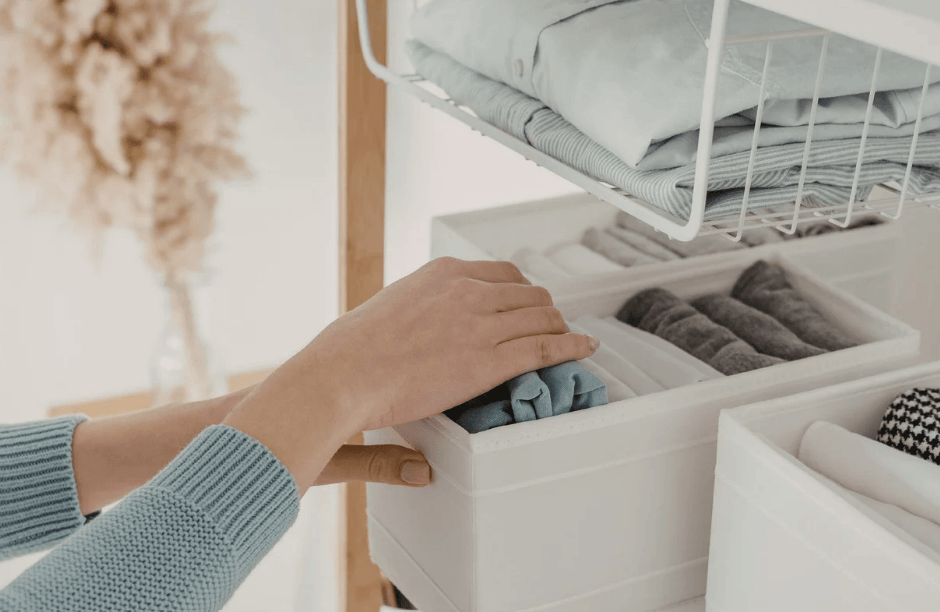
When You Stop Thinking Like It’s Just “Your Space”
At home, you can get away with small imperfections. Something doesn’t have to be perfect as long as it works for your household. You know the context, you know the routine, you adapt around things.
Shared spaces don’t work like that at all.
The moment more people are involved, everything gets amplified. Small inconveniences become daily annoyances. Something that seems “fine for now” can turn into a constant maintenance issue when dozens or hundreds of people use it regularly.
That’s usually when people start shifting how they think without even realizing it.
Practical Thinking Starts Quietly
It’s rarely a big decision like “I’m going to think more practically now.” It’s more like noticing patterns.
Things break faster than expected. Cleaning takes longer than it should. Certain materials don’t hold up the way they looked like they would at the beginning.
So you start paying attention to different things. Not aesthetics first anymore, but how something behaves over time.
That shift is subtle, but once it happens, it kind of sticks.
Where Small Decisions Start to Matter More Than Expected
Most people outside of facility management never really think about the smaller construction details inside shared buildings. You just assume things are “set up” and that’s it.
But if you’ve ever been involved in even small renovation discussions, you realize how many tiny decisions actually shape how usable a space feels.
Privacy, durability, cleaning, how often something needs attention… it all adds up in ways that aren’t obvious at first.
And somewhere in those discussions, things like custom toilet partitions come up as part of the practical side of planning. Not because they’re exciting or central to the design, but because they directly affect how the space functions day to day, especially in high-traffic environments.
Shared Buildings Don’t Give You Much Room for Guesswork
Schools, community centers, churches, older public buildings… they all have one thing in common: constant use by very different groups of people.
Kids one hour, adults the next, events on weekends, maintenance squeezed in between.
And in those environments, there’s not much tolerance for things that only look good on paper. You find out very quickly what actually holds up and what doesn’t.
This is also where a lot of decisions stop being theoretical. They become very practical, very fast.
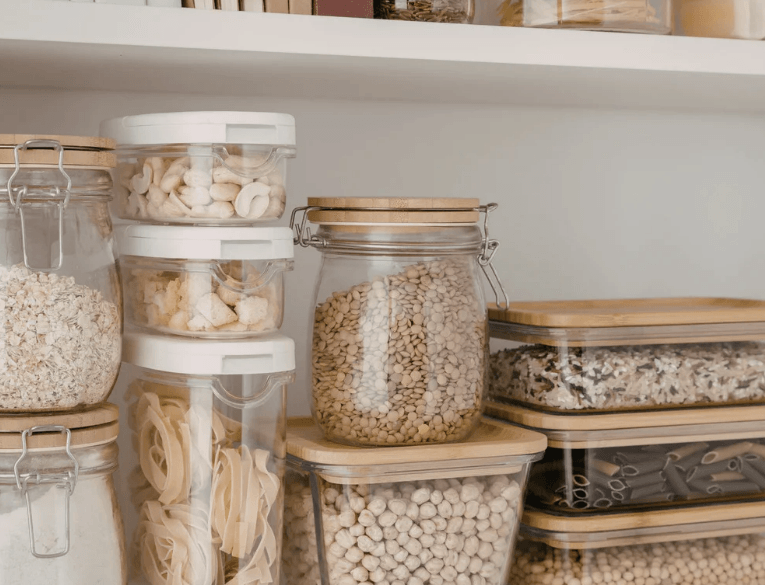
The Shift From “Looks Good” to “Works Long-Term”
At some point, priorities just change. You stop being impressed by how something looks in the first week and start thinking more about how it’s going to behave in year three or year five.
That’s usually where experience kicks in. People who’ve dealt with real-life maintenance issues tend to care less about first impressions and more about how stable something is over time.
And that’s not really a professional thing—it’s just something you learn from dealing with real situations, even in small ways.
Consluion
Home organization habits isn’t just something that stays inside your home. Once you get used to thinking in terms of efficiency and long-term usability, it tends to follow you into other spaces too.
And in shared environments, that kind of thinking quietly becomes more important than people expect. Not because it’s complicated, but because small decisions have a way of lasting much longer than you think they will.
0
Leave a Reply