Family vacations should be about making memories, not worrying about what could go wrong. While hotels work hard to provide a safe and comfortable stay, knowing a few basic hotel safety rules can give parents extra peace of mind and help keep everyone protected from check-in to checkout.
When you stay at a hotel, you expect a clean room, secure doors, and staff who know how to handle emergencies. Safety rules make that possible. Hotels must protect guests, staff, and property every day through clear emergency plans, secure access controls, health and sanitation standards, staff training, and regular maintenance.
These safety practices cover everything from fire prevention and room security to food safety, housekeeping, and emergency response. Understanding how hotels keep guests safe can help families make informed choices and enjoy a more relaxing trip together.
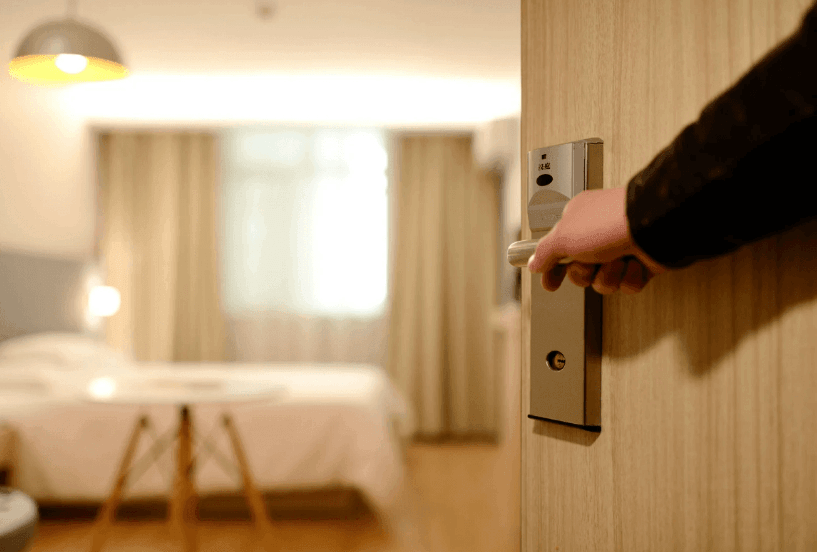
Core Safety Procedures for Hotel Operations
Strong hotel safety depends on clear health rules, strict fire safety, secure technology, active guest protection, and direct hazard communication. You protect guests and staff by following written plans, training your team, and documenting every incident.
Health and Safety Protocols Implementation
You need clear health and safety protocols for daily operations. Post written procedures for cleaning, food handling, laundry, and waste disposal, and train staff on hygiene, proper glove use, and safe chemical handling.
Create an exposure control plan for bloodborne pathogens. Housekeeping and maintenance staff must know how to handle sharps, bodily fluids, and contaminated linens, so provide labeled disposal containers and approved disinfectants.
Keep an updated OSHA 300 log to record workplace injuries and illnesses. Review it often to spot patterns, such as slip injuries or chemical exposure.
Form a safety committee that meets monthly to review incidents, update policies, and confirm staff training.
Fire Safety and Prevention Standards
You must follow a written fire prevention plan that lists ignition sources, fuel sources, and steps to control them. Inspect fire alarms, sprinkler systems, smoke detectors, and fire extinguishers on a set schedule and document each inspection.
Replace expired extinguishers and damaged alarms at once. Train staff on fire safety basics, including how to use a fire extinguisher, activate the fire alarm, guide guests to exits, and locate assembly points.
Keep exit routes clear and well-lit, and post evacuation maps in guest rooms and public areas. Run fire drills at least once a year to reduce panic and protect guest safety during real emergencies.
Hotel Tech Account Security
Hotel security now includes digital systems because you store guest names, payment details, and ID data, so you must protect them. Limit system access based on job roles and use strong passwords, requiring multi-factor authentication for management accounts. Update property management systems and payment software on schedule, installing security patches as soon as vendors release them. Train employees to spot phishing emails and suspicious links because many breaches start with one unsafe click.
In-room entertainment is part of this picture too, since guests increasingly log into personal streaming accounts on shared room devices. Hotel casting solution is a safer option here, as guests stream from their own phones or laptops instead of entering passwords on the TV, and most casting systems automatically log out and clear the connection at checkout, so no personal credentials or account data are left behind for the next guest.
Guest Protection and Security Measures
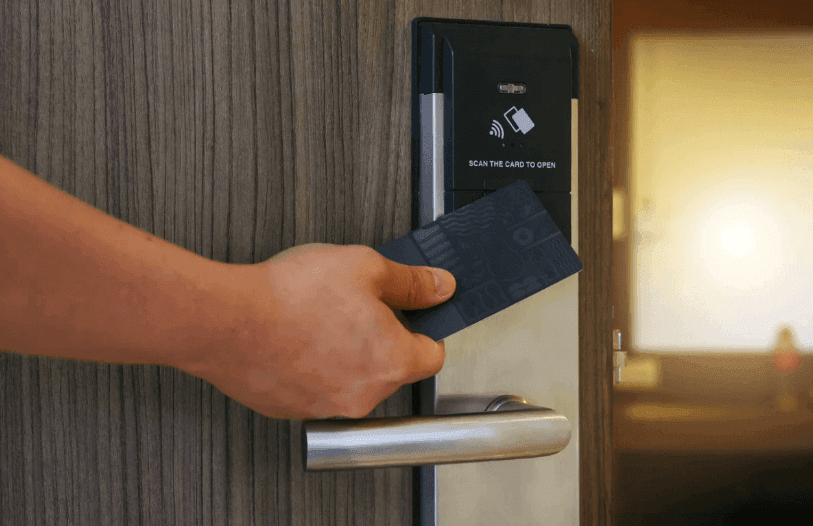
You protect guest safety through visible and controlled security steps, such as installing cameras in entrances, hallways, parking areas, and other public spaces, and monitoring them in real time when possible. Use secure key card systems and deactivate lost or stolen cards immediately, changing room access codes after maintenance work in guest rooms.
Maintain strong lighting in parking lots and corridors because poor lighting increases risk. Set clear visitor policies, verify identities before issuing room keys, and never announce room numbers out loud.
Train staff in conflict de-escalation so if a dispute happens, they stay calm, call security, and follow written procedures.
Hazard Management and Communication
You need a written hazard communication program that lists all hazardous chemicals used in the hotel, from cleaning agents to pool chemicals. Keep Safety Data Sheets accessible to all staff and label every chemical container clearly, never allowing unlabeled spray bottles.
Train employees on chemical risks, safe storage rules, required personal protective equipment, and spill response steps. Investigate all accidents, even minor ones, and record findings, updating procedures if needed.
Clear hazard communication reduces injuries and supports compliance with health and safety protocols because when staff understand risks, they act faster and make safer decisions.
Maintenance, Compliance, and Technology in Hotel Safety
Safe hotels depend on steady maintenance, organized storage, smart technology, and clear records. You protect guests and staff when you manage equipment, housekeeping, and compliance in a consistent and documented way.
Effective Hotel Maintenance Management
You reduce risk when you treat hotel maintenance management as a daily safety task, not just a repair service. Create a preventive schedule for key systems such as fire alarms, sprinklers, emergency lighting, exit signs, elevators, HVAC units, and kitchen equipment.
Inspect high-risk areas often, check stairwells for blocked exits, test smoke detectors, and repair loose handrails and damaged flooring at once. Use work order software to track issues from report to repair, which helps you see patterns, control costs, and avoid repeat failures.
Document each inspection with the date, location, issue, and action taken. Assign responsibility to trained staff, making sure technicians understand lockout procedures and use proper personal protective equipment.
Optimizing Storage and Housekeeping Practices
Poor storage creates fire hazards, trip risks, and contamination. Store cleaning chemicals in labeled containers and keep them in locked, ventilated areas, never mixing products unless the label allows it, and keep Safety Data Sheets accessible to staff.
Organize supply rooms with clear shelves, heavy items stored low, separate food and chemical storage, and clear walkways. Housekeeping carts must not block hallways or exits, so train staff to park carts against walls and never in front of fire doors.
In guest rooms, housekeeping teams should check for damaged cords, leaking plumbing, and broken fixtures during cleaning and report issues through your maintenance system right away. Use checklists for daily room cleaning and public areas to support consistent service and lower safety risks tied to clutter, spills, and missed hazards.
Leveraging Hotel Housekeeping Apps
A hotel housekeeping app improves communication and response time. When a housekeeper finds a broken lamp or water leak, they can submit a report with a photo and room number, and maintenance receives the alert in real time, reducing delays and preventing injuries.
Use apps to assign rooms, track room status, log safety issues, and record inspection results. Digital logs create a clear trail of action, so you can review trends such as repeated plumbing leaks and plan preventive repairs.
Mobile tools support compliance because supervisors can complete digital checklists for fire doors, pool safety, or food prep areas, with time stamps and user names adding accountability. Choose systems that protect guest data with access controls and secure logins to support data privacy rules and internal compliance standards.
Regulatory Compliance and Recordkeeping
You must follow local, state, and federal safety laws, which often include fire codes, health rules, ADA standards, and OSHA requirements. Maintain accurate injury and illness records using the OSHA 300 log when required and record each reportable incident within the set time frame.
Keep documentation for fire inspections, elevator certifications, food safety permits, staff safety training, and pool chemical testing. Store records in a secure but accessible format because digital storage makes audits easier and reduces lost paperwork.
Review compliance status during management meetings to prevent fines, closures, and legal claims and show that you take guest safety, staff safety, and legal duties seriously.
Conclusion
Whether you’re traveling for a family vacation, a weekend getaway, or a road trip with the kids, understanding hotel safety rules helps you feel more prepared and confident during your stay. While hotels have systems in place to protect guests, simple habits like following posted safety guidelines, checking your room’s security features, and reporting hazards can make an even bigger difference.
The best family trips are the ones where everyone can relax and enjoy their time together. By choosing hotels that prioritize safety and staying aware of your surroundings, you can focus less on potential risks and more on making lasting memories with the people who matter most.
0
Leave a Reply