Homeownership comes with a lot of pride—but it also comes with surprises. One day everything is running smoothly, and the next you’re dealing with a leaking roof, a broken furnace, or a plumbing issue that can’t be ignored. These situations rarely happen at a convenient time, and they often come with a hefty price tag.
Unexpected repairs can throw even well-organized households off balance. When something essential breaks, the stress isn’t just about fixing the problem—it’s about figuring out how to pay for it without causing long-term financial strain. The good news is that many homeowners face these challenges, and there are practical ways to handle them without panic or regret.
Financing Options When Repairs Can’t Wait
When an urgent repair pops up, waiting until you’ve saved enough money usually isn’t realistic. A home without heat, running water, or a solid roof needs attention right away.
Most homeowners look at a few common options when covering emergency costs. These often include tapping into emergency savings, filing an insurance claim if the damage is covered, arranging a payment plan with a contractor, or researching short-term financing solutions when savings fall short.
For homeowners who have built equity over time, some choose to explore whether a Home Equity Line of Credit (HELOC) could provide added flexibility. A HELOC functions much like a credit line, allowing you to borrow only what you need and repay it gradually. If you’re considering this option as part of a thoughtful financial plan, it can be helpful to compare lenders, review current terms, and decide whether it makes sense to apply for HELOC loan once you’re confident it fits your budget and repayment goals.
The most important step is understanding how each option works and choosing the one that aligns best with your financial situation.
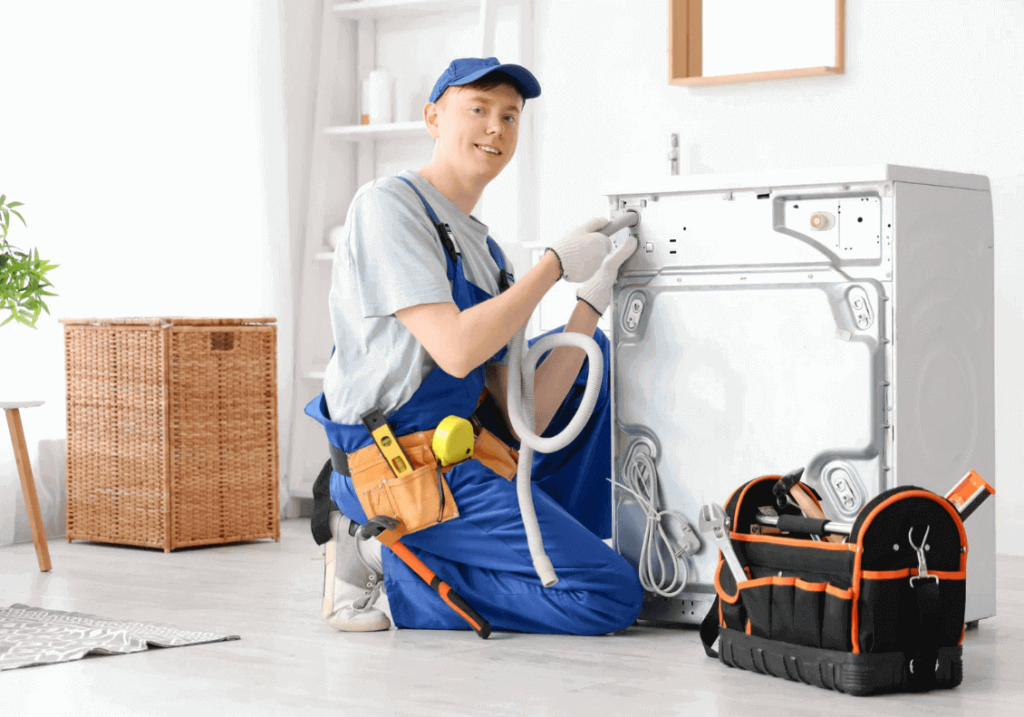
Common Emergency Repairs That Catch Homeowners Off Guard
Certain home repairs have a habit of appearing without warning. Heating and cooling systems often fail during extreme temperatures, when they’re needed most. Roof leaks caused by storms or aging materials can quickly escalate into serious water damage if not addressed promptly.
Plumbing problems, such as burst pipes or sewer backups, tend to require immediate action to prevent further damage. Electrical issues can also become urgent, especially when safety is involved. These situations leave little time for planning, which is why having a general understanding of your financial options ahead of time can be incredibly helpful.
In situations involving damaged sewer lines, professional services such as Hsrooterplumbing can help homeowners assess repair options before the issue becomes more costly.
Why Emergency Savings Don’t Always Cover the Full Cost
Emergency funds are a smart financial tool, but they don’t always stretch far enough. Medical bills, car repairs, or unexpected life events can drain savings more quickly than expected. In many cases, the cost of a major home repair simply exceeds what a household has set aside.
This doesn’t reflect poor planning—it reflects reality. Home repairs have become more expensive, and even prepared homeowners may need additional flexibility when larger issues arise.
The Pros and Cons of Using Home Equity for Repairs
Using home equity can be a practical solution in certain situations, but it’s not something to approach lightly. One advantage is that HELOCs often offer lower interest rates than credit cards, and interest is typically charged only on the amount you use. This flexibility can be helpful when repair costs vary or are spread out over time.
At the same time, there are important considerations. Interest rates may change, which can affect monthly payments. Because your home is used as collateral, repayment needs to be carefully planned. For many homeowners, using home equity works best when borrowing is limited to essential repairs and paired with a clear plan to pay it back.
Smart Steps to Take Before Choosing a Financing Option
Even in stressful situations, taking a moment to slow down can pay off. Getting more than one repair estimate can reveal significant differences in pricing. Reviewing your insurance policy may uncover coverage you didn’t realize applied to the situation.
Comparing financing options side by side helps ensure you’re looking at the total cost, not just the monthly payment. Borrowing only what’s necessary can make repayment more manageable and reduce financial pressure down the road.

How Homeowners Use HELOCs Thoughtfully
When used responsibly, a HELOC can act as a short-term solution rather than a long-term burden. Some homeowners use it to cover urgent repairs while waiting for insurance reimbursement. Others use it to spread out the cost of a major repair instead of relying on high-interest credit cards.
In these cases, the focus stays on solving a specific problem, not funding unnecessary spending. This approach helps keep finances stable while addressing essential home needs.
Planning Ahead Makes Emergencies Easier to Handle
One of the biggest lessons homeowners learn from unexpected repairs is the value of preparation. Understanding your home’s equity, knowing what financing options exist, and keeping a prioritized list of essential home systems can make future decisions far less overwhelming.
Preparation doesn’t mean expecting something to go wrong. It simply means being ready if it does.
Final Thoughts
Emergency home repairs are never welcome, but they don’t have to derail your financial well-being. Whether you rely on savings, insurance, payment plans, or carefully researched financing options, the key is making informed decisions rather than rushed ones.
Every household’s situation is different, and the right solution is the one that protects both your home and your long-term financial stability. With a calm approach and a bit of planning, even unexpected repairs can be managed with confidence.
0
Leave a Reply