If you’re a mom like me, you know that after having a baby, your body just doesn’t feel the same. Some parts bounce back over time, and others hang on to the changes. It can be a little confusing when you’re feeling so much joy about your new baby but also wondering when you’ll feel like yourself again.
That’s completely normal. Pregnancy changes so much—your skin, your shape, your posture, even how your clothes fit. Over the years, I’ve learned that with patience, kindness toward yourself, and the right kind of support, you can start feeling strong and confident again.
In this post, I’m walking through a few of the most common changes moms deal with after pregnancy and some simple, realistic ways to help your body feel more like home again.
1. Breast Volume and Shape Changes
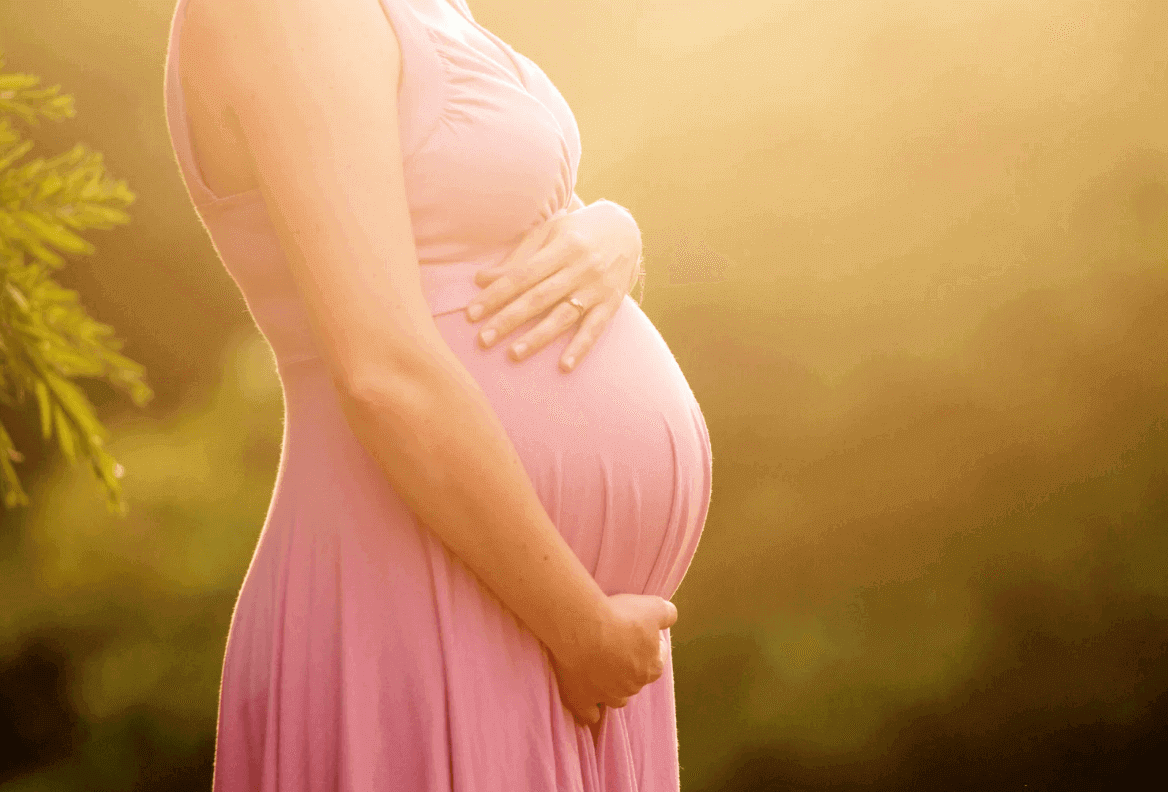
During pregnancy and breastfeeding, the breasts grow to prepare for feeding the baby. The skin stretches to make room, and hormones keep the tissue full during this time. Once breastfeeding ends, that extra volume naturally reduces. However, sometimes the skin does not tighten back completely, which can leave the breasts looking softer, flatter, or slightly uneven. These changes are a normal part of the body’s motherhood journey.
Options for Restoring Breast Shape
Sometimes the body needs nothing more than time. Hormones settle slowly after breastfeeding, and breast tissue often continues shifting behind the scenes. Wearing supportive bras and keeping gentle posture awareness can improve how the chest feels during daily movement.
Yet there are moments when natural recovery reaches a point where shape does not return as hoped. At that stage, cosmetic enhancement becomes an option. Procedures such as breast augmentation in Sacramento are designed to restore volume lost after pregnancy and breastfeeding. Using implants or fat transfer, the surgery rebuilds fullness and refines contour so the chest feels more proportionate again.
The procedure is usually completed as an outpatient treatment and includes:
- Creating a small incision in a discreet area
- Placing the implant or transferred fat into position
- Adjusting placement to achieve a balanced contour
- Closing the incision with careful suturing
And there is no need to worry about an overdone look. Experienced practices like Silicon Valley Institute for Aesthetics often create individualized treatment plans based on body structure and natural proportions. The well-qualified surgeons also work with precision and restraint. This support helps produce results that look soft, realistic, and true to your natural body.
2. Stubborn Abdominal Changes and Weight Distribution
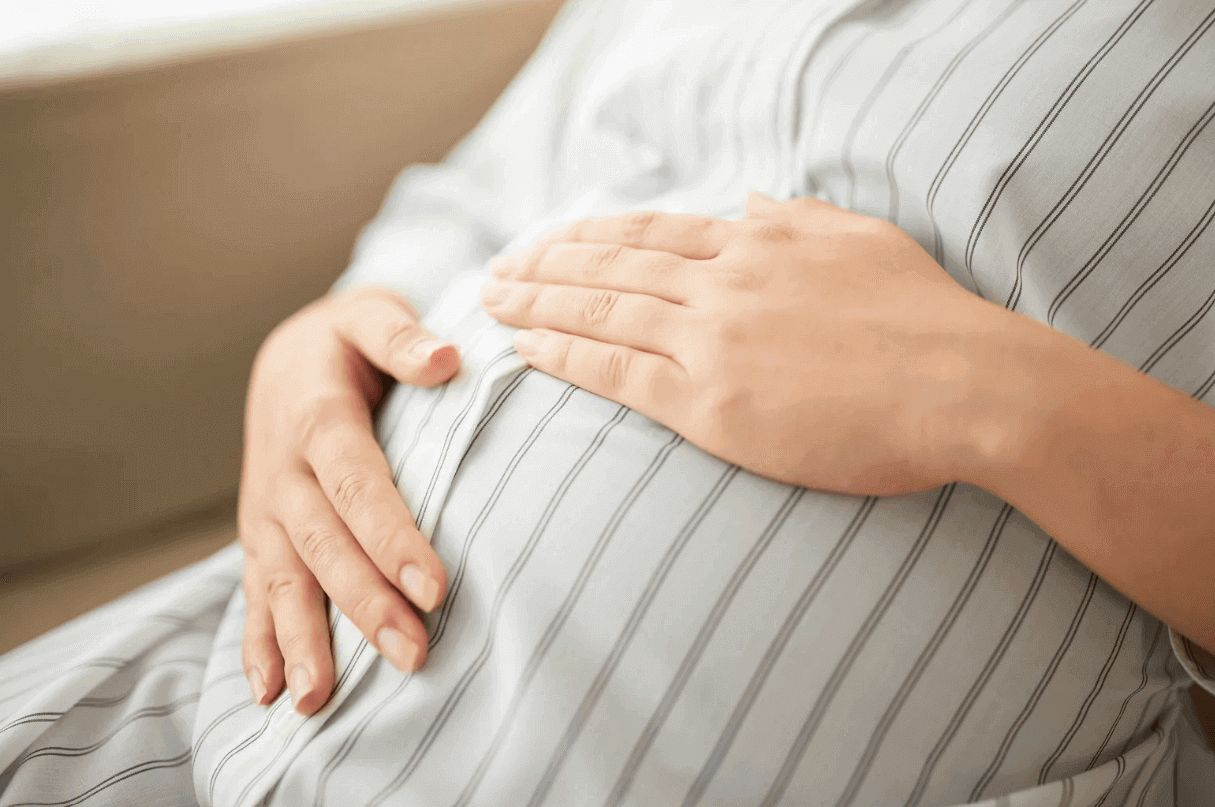
The abdomen experiences one of the greatest transformations during pregnancy. Muscles stretch to support the growing baby, skin expands rapidly, and fat storage patterns shift under hormonal guidance. After delivery, muscles may remain separated or weakened, and skin may not fully tighten. Even when overall weight decreases, the midsection can continue to feel softer or rounder than expected.
Options for Supporting Abdominal Shape
Recovery of the midsection often begins with gentle lifestyle foundations. Slow, steady movement, nourishing meals, and realistic expectations help the body rebuild strength from within. Core and pelvic floor exercises, especially when guided by postpartum specialists, can gradually reconnect muscles and improve posture. These early steps may feel small, but over time, they rebuild stability and confidence.
Many mums also find practical daily habits helpful, such as:
- Wearing supportive postpartum garments
- Keeping hydrated to support skin health
However, when loose skin and separated muscles continue to affect the midsection, some women explore a tummy tuck. This procedure removes excess skin and tightens the underlying muscles to create a smoother, flatter midsection. And if a full surgical correction feels like too much for you, liposuction can be a lighter alternative.
It focuses on stubborn fat deposits to refine shape, using a minimally invasive approach that keeps recovery simpler and more manageable. Both options are typically explored once weight has stabilized and postpartum recovery is complete.
3. Skin Laxity and Loss of Firmness
During pregnancy, the skin stretches a great deal to make room for a growing baby. The fibers that keep skin firm and elastic work hard during this time, but they do not always return to their original strength afterward. Factors like genetics, age, hydration, and how quickly the skin stretches all play a role in how much it naturally tightens again. Because of this, some women notice looser skin on the abdomen, thighs, or arms long after childbirth.
Options for Firming and Support
Skin recovery often happens slowly, and patience plays a meaningful role. Hydration, balanced nutrition, and nourishing skincare routines help support collagen health from the inside out. Gentle massage and consistent moisturization can also improve how skin feels over time, even before major visual changes appear.
When natural recovery reaches a point where looser skin remains noticeable, non-surgical skin-firming treatments may offer additional support. These treatments work by stimulating collagen production beneath the skin, encouraging gradual tightening without disrupting daily life.
Common non-surgical options include:
- Radiofrequency skin-tightening sessions
- Ultrasound-based firming treatments
These sessions typically require no downtime and can fit easily into busy schedules. Over time, they help the skin feel firmer and more supported.
Closing Lines
Pregnancy changes everything, and your body is part of that journey. Whether it’s softer skin, a different shape, or just a new way of moving through the day, these changes are something many moms go through.
Some things shift back on their own with time and healthy habits. Other times, it helps to explore outside support. Whatever path you choose, the goal is the same. You deserve to feel strong, comfortable, and confident in your body: not perfect, just real and at peace with the amazing work it has done.
0
Leave a Reply