People spend about a third of their lives sleeping or trying to get quality rest. Your bedroom’s eco-friendly decor serves as more than just a design choice—it becomes an investment in your wellbeing and the planet’s future.
A simple switch to LED light bulbs can cut your energy use by up to 90% and save you about £70 each year on energy bills. On top of that, UK’s sustainable bedroom designs now welcome materials like bamboo, cork, and reclaimed wood. These materials are renewable, biodegradable and VOC-free, which helps your indoor air quality improve by a lot.
A truly sustainable bedroom needs more than energy-efficient lighting. Your space needs thoughtful choices about materials, products, and energy usage. Organic mattresses and air-purifying plants make your room beautiful while they clean the air. Every element helps create a healthier sleep environment.
This piece shows you practical steps to revolutionise your bedroom into an eco-friendly sanctuary while keeping its style and comfort intact. You’ll find ways to boost your sleeping experience with environmentally responsible choices, whether you plan a complete makeover or just want simple switches.

What Makes a Bedroom Eco-Friendly?
A truly eco-friendly bedroom needs more than just a few strategically placed plants. Your sleep space should strike the perfect balance between environmental responsibility and personal comfort. This balance ensures your bedroom supports both planetary and personal health.
Understanding Sustainable Design Principles
Five core principles serve as the foundations of sustainable design in an eco-friendly bedroom:
- Waste reduction – You can minimise consumption and choose products that last longer
- Energy efficiency – Smart choices in lighting and appliances save energy
- Health promotion – Materials that support wellbeing and good sleep make a difference
- Low carbon footprint – Locally made items from sustainable sources reduce environmental impact
- Timeless design – Your space should stay functional and stylish for years
These principles help you make better choices about everything from furniture to lighting fixtures. Sustainable design looks beyond passing trends.
Your bedroom should remain functional and stylish for years without needing frequent updates. Sustainable bedrooms often take a minimalist approach. This naturally cuts down resource use since smaller, well-designed bedrooms need fewer resources to furnish, heat and cool.
Why Your Bedroom Matters for Health And the Planet
Your bedroom might be the most important room in your home when it comes to personal well-being. The National Institutes of Health reports that we spend about one-third of our lives sleeping or trying to get quality rest. The interior environment of bedrooms affects your sleep quality, which then influences your productivity, health, and overall wellbeing.
Weather extremes make this connection between bedroom environment and health even more important. To cite an instance, high night-time temperatures during heatwaves can disrupt sleep patterns. This becomes particularly challenging in temperate climate zones where people don’t typically use air conditioning.
Regular bedroom products often hide chemicals that can cause serious health issues, including:
- Hormonal disruptions
- Neurological effects
- Immune system suppression
- Skin and respiratory irritation
- Increased cancer risk
An eco-friendly bedroom offers two major benefits. You reduce your environmental footprint through smart material choices and energy conservation. Your sleep environment becomes healthier without the toxins found in regular bedroom products. This creates better sleep quality and reduces your exposure to harmful substances.
Start with the Bed: Where Comfort Meets Sustainability
A good night’s sleep starts with your bed – the centrepiece of any eco-friendly bedroom. Your bed takes up most of the space and shapes your sleep quality. This makes it perfect to start your green transformation.
Choose an organic mattress with natural latex or wool
Natural latex organic mattresses give you amazing benefits compared to regular ones. The 100% organic GOLS-certified Dunlop latex comes from sustainable rubber tree plantations. This creates a sleep surface without chemicals and metals. These mattresses keep you safe from dust mites and help with allergies and asthma by naturally stopping microorganisms.

Pictured: Centurial Sleepeezee Mattress. British craftsmanship using the finest natural materials, including British wool, alpaca wool and talalay latex.
You’ll find mattresses with special 7-zone comfort structures. These recognise that your body needs different support levels for your head, shoulders, back, hips, legs, knees and ankles. Some UK manufacturers now make carbon-neutral or carbon-negative mattresses. They actively cut emissions through green production methods.
Use eco-friendly pillows made from kapok or buckwheat
Natural pillow options can help you sleep better:
- Kapok pillows: These pillows use silky, light fibres from kapok tree seed pods as a vegan option instead of down feathers. They naturally fight off dust mites, mould, and bacteria – perfect if you have allergies.
- Buckwheat pillows: These contain hard outer shells of buckwheat seeds and give firm support while letting air flow freely. The pyramid-shaped hulls connect to create adjustable support that feels like a massage. The spaces between hulls let moisture and heat escape fast, so you stay cool all night.
Kapok works best for side and stomach sleepers with its soft, cushiony feel compared to buckwheat’s firmness. Both options break down naturally and help protect our environment unlike synthetic materials.
Pick bedding made from organic cotton, hemp or linen
Your sustainable sleep sanctuary needs organic bedding. GOTS-certified organic cotton grows without synthetic pesticides or fertilisers. This helps create healthier soil and supports biodiversity. The certification shows the highest standards in sustainability and ethics.
Hemp shines as an amazing bedding material. It needs very little water, no pesticides, and its deep roots make the soil healthier. Hemp’s long fibres help you stay comfortable by controlling temperature through the night with a soft but structured feel.
Organic linen from flax grown in France, Belgium, and the Netherlands grows naturally without artificial help. Its natural pores let your skin breathe, control temperature, and move moisture away.
These sustainable bedding choices work double duty – they help you sleep better and protect our planet.
Design with Purpose: Furniture, Flooring and Decor
Your bedroom can become an eco-friendly haven with smart choices that go beyond just the bed. Every element in your space, from furniture to flooring, gives you a chance to help the environment while creating a beautiful sanctuary.
Opt for reclaimed or vintage furniture
Reclaimed furniture brings two major benefits to your bedroom. Each piece comes with its own story, shown through unique variations in colour, texture, and grain patterns that showcase the original structure’s history. Old buildings, barns, and other structures provide the wood that gets a new life instead of ending up in landfills.
Reclaimed wood furniture stands apart from mass-produced items with its character and uniqueness. You’ll find its timeless appeal creates a foundation that stays stylish for years, which means less waste from frequent replacements.
Use bamboo or cork for flooring
Bamboo and cork lead the pack as eco-friendly flooring choices. Bamboo grows to maturity in just 3-5 years, while traditional hardwood trees need 20+ years. This quick regeneration makes bamboo an incredibly renewable resource.
Cork comes from cork oak tree bark without damaging the tree. These amazing trees live up to 200 years and keep producing cork their entire life. The natural cellular structure helps regulate temperature and cut down noise through superior thermal and acoustic insulation.
Bamboo flooring costs between £3.97 to £7.94 per square foot, while cork ranges from £2.38 to £5.56 per square foot. Cork works especially well in bedrooms because it feels soft and cushioned underfoot.
Decorate with natural materials like rattan or jute
Natural materials add organic warmth to your bedroom while staying eco-friendly. Jute rugs made from strong plant fibres create a timeless foundation that’s easy to live with. Their neutral colours work with any bedroom style.
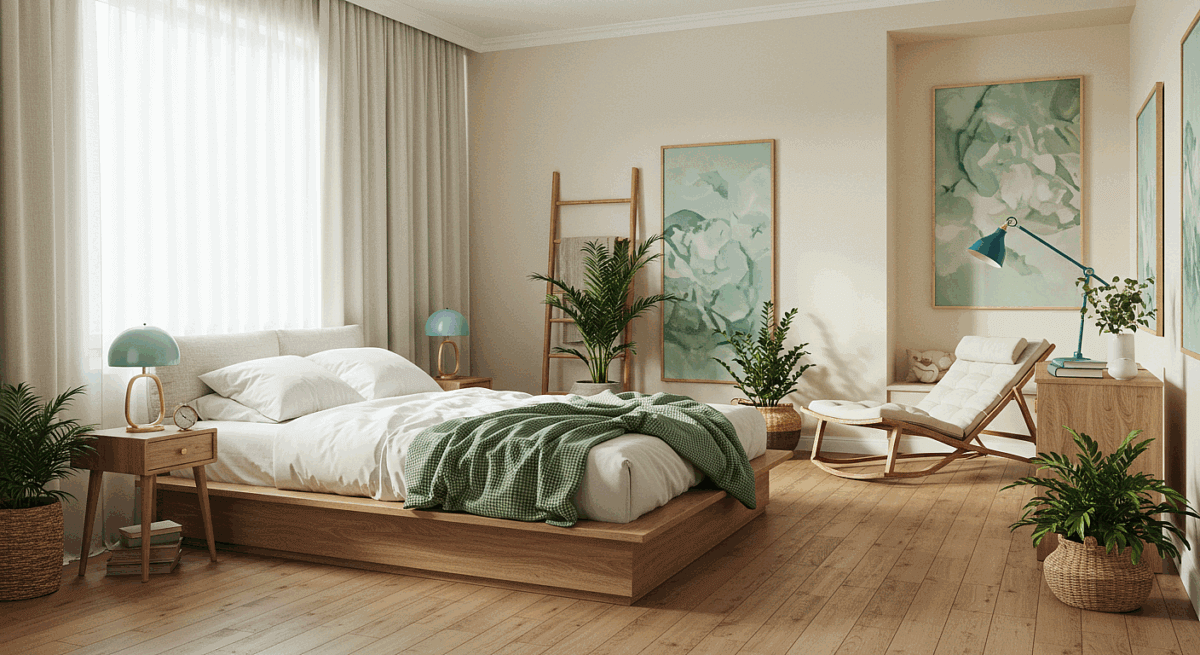
Image credit Bedstar: Sustainable bedroom décor with furniture made from Rubberwood.
Rattan brings interesting texture through its lightweight yet durable nature. This versatile material ages beautifully and works great in bedroom furniture or decorative pieces. Mix rattan with upholstered and painted pieces to create a charming, eclectic look.
Add energy-efficient lighting and smart switches
LED lights can replace traditional incandescent bulbs to cut down your energy use. Dimmer switches let you adjust light levels based on what you need, which saves even more energy.
Smart lighting takes things further with sensors and timers. You can create perfect ambiance and make sure lights don’t stay on when not needed.
Create a Healthy Sleep Environment
Hidden elements in your bedroom can have a big impact on how well you sleep. A healthy sleep environment needs more than just a comfortable bed – it’s about clean air, safe materials, and protection from electromagnetic fields.
Use non-toxic paint to reduce indoor pollutants
Your indoor air can be up to 70 times more polluted than outside. Regular paints release harmful VOCs that make asthma and allergies worse. You should pick zero-VOC paints that don’t smell and meet European Standard EN 71-3:2019. These eco-friendly options are free from harsh chemicals like formaldehyde or benzene that you’ll find in standard paints.
Add air-purifying plants like aloe vera or snake plant
NASA’s research shows snake plants remove almost all air toxins. These plants keep producing oxygen at night, which helps you feel more energised when you wake up. Aloe vera works the same way, cleaning your air while you sleep and it might help reduce cluster headaches because it produces extra oxygen.
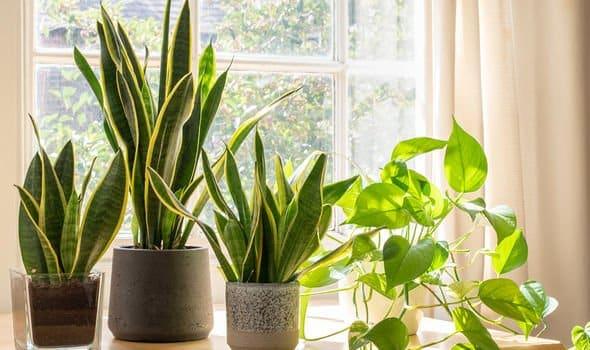
Image credit: Bedstar
Keep clutter minimal with sustainable storage
A messy bedroom can leave your mind racing and overstimulated. Yes, it is possible to create a peaceful and practical space without giving up style. The best storage options come from bamboo, hemp, or recycled materials rather than plastic.
Unplug devices to reduce EMF
You can cut down electromagnetic field exposure by simply unplugging your electronics. This creates a space with fewer EMFs, which helps maintain natural sleep cycles.
Key Takeaways
Transform your bedroom into an eco-friendly sanctuary that benefits both your health and the planet with these essential sustainable choices:
• Start with organic bedding materials: Choose natural latex mattresses, kapok or buckwheat pillows, and GOTS-certified organic cotton, hemp, or linen bedding for chemical-free sleep.
• Select sustainable furniture and flooring: Opt for reclaimed wood furniture and bamboo or cork flooring—bamboo matures in just 3-5 years versus 20+ for hardwood.
• Improve air quality naturally: Use zero-VOC paints and add air-purifying plants like snake plants or aloe vera that release oxygen throughout the night.
• Reduce energy consumption: Switch to LED bulbs to cut energy use by 90% and save approximately £70 annually on bills, plus unplug devices to minimise EMF exposure.
Creating an eco-friendly bedroom isn’t just about environmental responsibility—it’s about investing in better sleep quality and personal wellbeing. Since we spend one-third of our lives sleeping, these sustainable choices directly impact our health whilst reducing our carbon footprint.
0
Leave a Reply