When my husband and I cleared out his parents’ house, the hardest part wasn’t moving the furniture or sorting through years of belongings. It was finding a stack of his mom’s aprons and realizing I had no idea what to do with them. Every piece reminded us of something special, yet keeping everything wasn’t practical. Throwing those memories away didn’t feel right either.
What eventually helped was changing how we approached the process. Instead of trying to preserve every object exactly as it was, we started looking for creative ways to turn meaningful belongings into handmade keepsakes. A favorite shirt could become a pillow, handwritten recipes could fill a family cookbook, and small forgotten treasures could find new life in a decorative shadow box.
If you’re preparing to clear out a parent’s home, combining thoughtful decluttering with simple DIY projects can make the experience more manageable. These keepsake ideas offer ways to celebrate family memories while creating meaningful pieces you can enjoy in your own home.
Start With a Memory-Making Box
Before sorting through everything in the house, create a designated space for items that could become future craft projects. Choose a sturdy storage bin and label it “Memory-Making Projects.” This box should hold belongings that have sentimental value but don’t necessarily need to be kept in their original form. Old clothing, embroidered linens, buttons, fabric scraps, handwritten notes, and small decorative accessories are all possibilities.

Giving each family member a separate box can make the process more personal and manageable. Instead of saving every item associated with a particular memory, encourage everyone to choose pieces that could be transformed into something useful or decorative. Setting a reasonable limit also helps prevent the project from becoming another collection of boxes that will sit untouched for years.
As you sort, think about how different materials could work together. A patterned apron might become part of a fabric wall hanging, while buttons from an old cardigan could decorate a handmade picture frame. The goal isn’t to create complicated projects immediately but to collect a thoughtful selection of materials that can eventually become meaningful keepsakes.
Turn Old Clothing Into Memory Pillows or Quilts
Clothing is often one of the most emotional categories when clearing out a parent’s home. A familiar sweater, favorite dress, or well-worn shirt can bring back memories of holidays, family gatherings, and ordinary moments together. Rather than storing bags of clothing indefinitely, consider transforming a few special pieces into decorative items that can become part of your everyday surroundings.
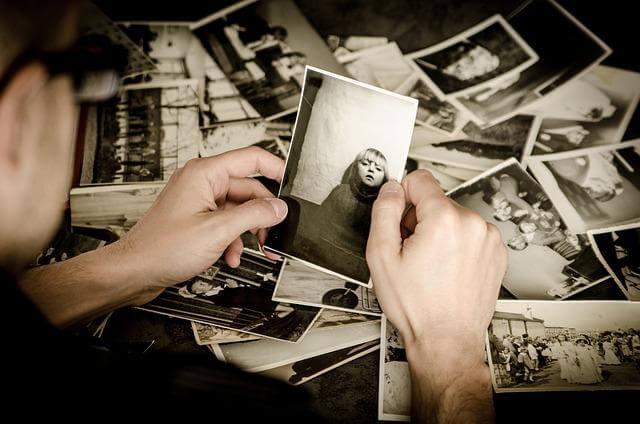
A memory pillow is a relatively approachable sewing project. Start by selecting several pieces of clothing with colors or patterns that complement one another. Cut usable fabric into squares or rectangles, arrange them into a simple patchwork design, and sew the pieces together to create a pillow cover. You can use a ready-made pillow insert or add suitable stuffing before closing the final seam.
If you’re new to sewing, begin with a single shirt rather than attempting a large quilt. WhipperBerry’s collection of fun crafts to do when you’re bored includes a T-shirt pillow project that can provide inspiration for transforming meaningful clothing into something practical.
For larger collections of fabric, a memory quilt can be a beautiful family project. You might incorporate pieces from different stages of a parent’s life or create smaller quilts for children and grandchildren. These handmade keepsakes preserve familiar patterns and textures while giving treasured clothing a purpose beyond sitting in storage.
Create a Handmade Family Recipe Book
Few family possessions carry as much personality as handwritten recipe cards. Whether they’re covered in flour stains, filled with little notes, or written in handwriting everyone recognizes, they often tell stories that go beyond the recipes themselves. Turning these cards into a family cookbook is a thoughtful way to preserve traditions while creating something that future generations can use.
Begin by gathering the recipe cards, notebooks, and loose pages you want to save. Photograph or scan each one, including the reverse side if it contains additional instructions or personal notes. Rather than replacing every handwritten page with typed text, consider including images of the originals alongside neatly formatted recipes. This preserves the character of the collection while making the instructions easier to follow.
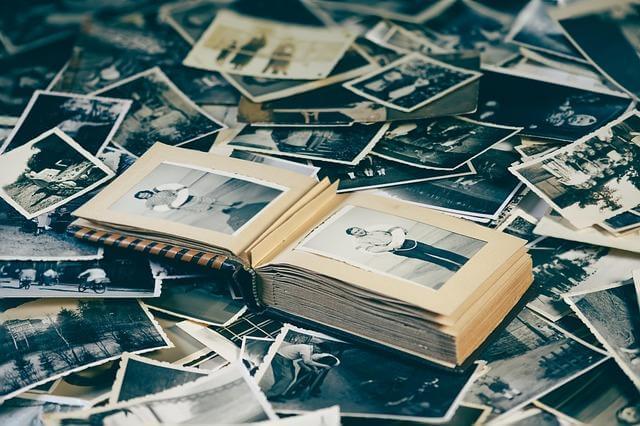
You can design the cookbook using a simple photo-book template or create a handmade version with decorative paper, family photographs, and a personalized cover. Organize recipes into categories such as Sunday dinners, holiday favorites, desserts, and family celebrations. Adding a short story about each dish can make the finished book even more meaningful.
Once the cookbook is complete, print copies for family members who would enjoy having their own collection. Keep the original cards protected in a suitable storage folder or archival box, especially if the handwriting is fragile. The result is a practical keepsake that allows cherished family recipes to remain part of everyday life.
Make Decorative Shadow Boxes From Small Treasures
Almost every family home contains small objects that seem ordinary until you remember the stories behind them. An old watch, a collection of buttons, a favorite ornament, or a keychain from a first car might not take up much room individually, but preserving every little item can quickly create unnecessary clutter.
A shadow box offers a creative way to display several meaningful objects together. Start with a deep picture frame and choose a background material such as linen, decorative paper, or neutral fabric. Arrange a small collection of items alongside a photograph, handwritten label, or meaningful date to create a display that tells a particular family story.
For example, you might combine your mother’s favorite sewing buttons with a photograph of her working on a handmade project. Another shadow box could feature a small ornament, an old postcard, and a family holiday picture. Secure each object using an appropriate method that won’t damage delicate or irreplaceable materials, particularly when working with fragile keepsakes.
These displays can become beautiful additions to a gallery wall, hallway, or family living room. They also offer an opportunity to involve children in creative projects by letting them select photographs, arrange lightweight decorations, or contribute handwritten captions. Instead of filling drawers with forgotten objects, you’re creating personalized home décor that celebrates your family’s history.
Photograph the House Before Everything Changes
Before removing furniture or clearing shelves, take time to photograph the house as it looks today. Although it’s natural to focus on individual belongings, familiar rooms and everyday details often hold equally powerful memories. The kitchen where everyone gathered, the view from the back porch, and the height marks on a doorway can become important reminders of family life.
Walk through each room and capture both wide photographs and smaller details. Include favorite furniture arrangements, bookshelves, family pictures, garden spaces, and any meaningful features of the home. You don’t need professional photography equipment; a smartphone and natural light can be enough to document these familiar surroundings.
Once you’ve gathered your photographs, consider turning them into a scrapbook or printed memory album. You could organize the book by room, include photographs from different decades, and invite family members to contribute short descriptions of their favorite memories. WhipperBerry’s guide to altering photos for DIY projects and family keepsakes offers additional ideas for preparing personal photographs for creative projects.
A finished memory book can become a meaningful family gift, especially for relatives who grew up in the house. Unlike storing large pieces of furniture simply because they remind you of a particular room, photographs allow you to preserve the atmosphere of the home without taking up valuable living space.
Find Creative Uses for Everyday Household Items
Not every keepsake needs to become a pillow, quilt, or framed display. Sometimes the most meaningful projects come from repurposing ordinary household objects that still have practical value. Glass jars, wooden boxes, decorative trays, and small pieces of furniture can often be refreshed with a little creativity.
An old wooden recipe box might become a storage container for photographs or family letters. A decorative tin could hold sewing supplies, while a small side table might find a new place in your home after being cleaned or refinished. When choosing projects, consider whether the finished item will fit your style and serve a genuine purpose.
It’s also important to recognize that not every sentimental object needs to become a craft project. Some belongings are worth keeping in their original condition, while others may be more meaningful to another family member. The aim is to preserve selected memories thoughtfully rather than create new projects simply to avoid letting anything go.
Organize the Remaining Belongings Without Feeling Overwhelmed
Once the meaningful items have been selected and everyone has chosen what they want to keep, there may still be a considerable amount of furniture, household equipment, paperwork, and general clutter to manage. This part of clearing out a home can feel especially exhausting because many of the emotional decisions have already been made, yet the physical work remains.
Start by separating belongings into categories for donation, sale, recycling, and disposal. Furniture in good condition may be suitable for local charities or secondhand buyers, while certain household items can be passed on to neighbors or community organizations. Be realistic about resale values, as older furniture and appliances may not be worth as much as expected. Check local disposal requirements before handling paint, chemicals, electronics, or other materials that may need special treatment.
For larger properties, professional cleanout services may be helpful when the amount of work exceeds what family members can comfortably manage. When we looked into estate clearing in the Chicago area, some of the most useful questions involved pricing, handling personal belongings, and what condition the property would be left in afterward. Asking for a written estimate and clarifying exactly which services are included can help families compare their options.
Before arranging a cleanout, make sure important documents, family photographs, valuables, and selected keepsakes have been removed or clearly identified. Discuss how the crew should handle personal items discovered in drawers or storage spaces, and confirm whether unwanted belongings will be donated, recycled, or disposed of when possible. A clear plan makes it easier to complete the practical work without accidentally losing something meaningful.
Give Yourself Time to Enjoy the Keepsake Projects
Clearing out a parent’s home involves more than organizing possessions. Every drawer, photograph, and familiar piece of furniture can bring back memories, making even simple decisions feel surprisingly difficult. It’s important to approach the process at a pace that allows you and your family to make thoughtful choices without feeling pressured to finish everything at once.
DIY keepsake projects can provide a gentler way to work through these memories together. Invite children or grandchildren to help select fabric patterns, arrange photographs, decorate scrapbook pages, or choose objects for a shadow box. These activities create opportunities to share family stories while turning the belongings you’ve saved into something meaningful.
You also don’t need to complete every craft immediately. Store your selected materials safely, label them with their intended projects, and return to them when you’re ready. Giving yourself time can make the creative process more enjoyable and help ensure the finished pieces truly reflect the memories you want to preserve.
Keep the Memories Without Keeping Everything
Clearing out a parent’s home can be both an emotional experience and a practical challenge. While it’s natural to want to preserve everything connected to someone you love, keeping every object isn’t always possible or necessary. Choosing a smaller collection of meaningful belongings can help you create space in your home while still honoring the people and experiences that matter.
Handmade memory pillows, family recipe books, shadow boxes, and photo albums offer creative ways to transform sentimental possessions into something beautiful and useful. These projects also encourage families to work together, share memories, and preserve personal stories for future generations.
Ultimately, the most important part of a keepsake isn’t how much space it occupies or how much money it costs. It’s the connection it represents. Sometimes a single handmade pillow or carefully arranged collection of photographs can tell a family’s story more beautifully than boxes of belongings stored away and rarely seen.
0
Leave a Reply