For many families, riding a motorcycle is more than a hobby. It’s a way to commute, enjoy weekend adventures, or spend time doing something they love. Whether you’re heading out on a long ride or running a quick errand, making safety a priority helps ensure you return home to the people who matter most.
Most motorcyclists know the importance of wearing a helmet, following traffic laws, and staying focused on the road. Those habits form the foundation of safe riding, but they’re only part of the equation. Small routines that take just a few minutes can also play a meaningful role in helping riders avoid unnecessary risks.
Many crashes involve factors that develop long before a motorcycle begins moving. A missed equipment check, poor visibility, or failing to adjust for changing road conditions can increase the likelihood of a dangerous situation. Paying attention to these details often makes riding both safer and more enjoyable.
Building consistent habits before and during every ride helps reduce surprises on the road. Adding a few overlooked motorcycle safety tips to an existing routine can strengthen overall awareness and encourage smarter decisions every time the motorcycle leaves the driveway.
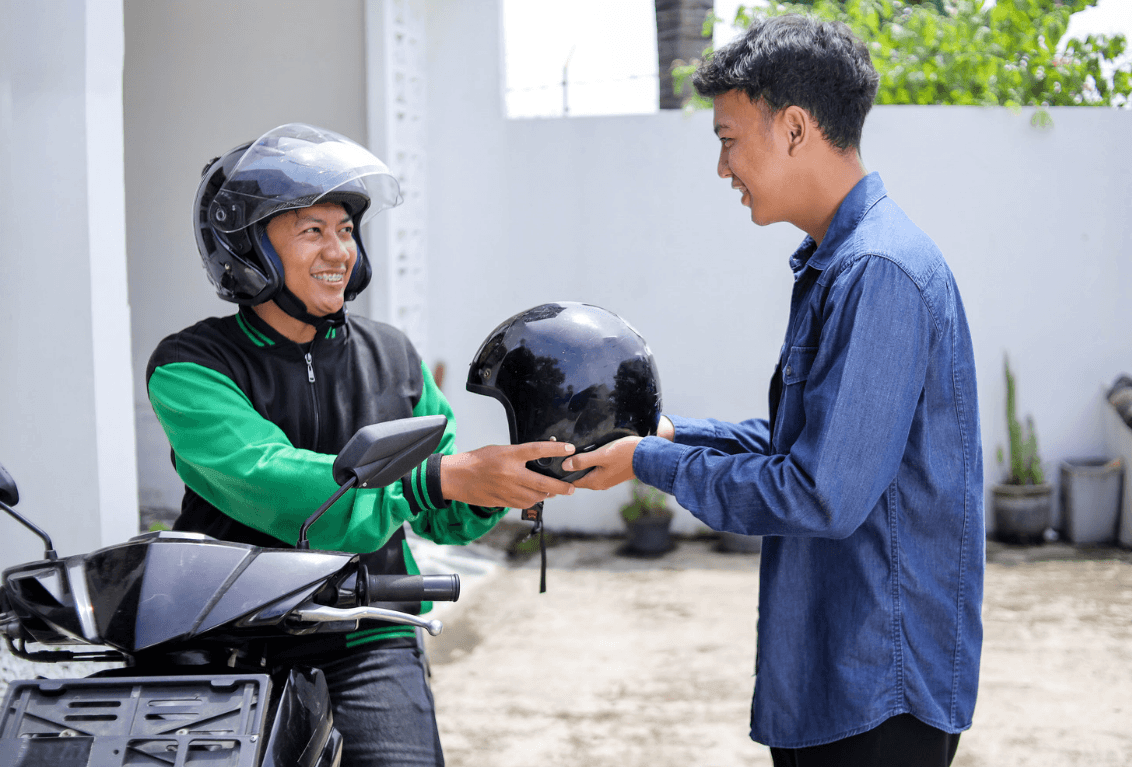
Prepare Before Every Ride
A safe ride starts before the engine is even turned on. Taking a few moments to inspect the motorcycle can help identify small problems before they become larger safety concerns. Checking tire pressure, confirming lights are working properly, and looking for fluid leaks are all simple habits that support safer riding.
Protective gear deserves the same attention. A properly fitted helmet, durable riding jacket, gloves, boots, and protective pants all provide important protection if an unexpected situation occurs. Wearing appropriate gear every ride helps create consistency regardless of the distance being traveled.
These quick inspections require very little time, yet they can improve confidence before heading onto the road. A few minutes of preparation often contribute to a much safer riding experience.
Make Yourself Easier to See
Motorcycles are naturally smaller than passenger vehicles, making visibility one of the biggest safety challenges riders face. Drivers sometimes fail to notice motorcycles, particularly at intersections or while changing lanes, even when the rider is following all traffic laws.
Choosing a lane position that improves visibility can help other motorists recognize a motorcycle sooner. Keeping headlights on, avoiding blind spots whenever possible, and wearing bright or reflective riding gear also increase the chances of being seen during both daytime and nighttime travel.
Visibility is something riders can influence every time they get on the road. Making deliberate choices that help others notice a motorcycle reduces the likelihood of preventable conflicts with surrounding traffic.
Expect the Unexpected
Defensive riding means anticipating that other drivers may make mistakes. A vehicle could suddenly change lanes, pull out from a side street, or stop unexpectedly, requiring quick reactions from nearby motorcyclists. Remaining alert helps riders respond more effectively when those situations arise.
Watching traffic several vehicles ahead instead of focusing only on the car directly in front creates additional time to recognize developing hazards. Maintaining a safe following distance also provides valuable space to brake or maneuver if conditions suddenly change.
Awareness isn’t about expecting every driver to make the right decision. It’s about staying prepared for the possibility that someone else may not see the motorcycle or react as expected.

Adjust to Changing Road Conditions
Road conditions can change quickly, even during a short ride. Rain, gravel, fallen leaves, construction debris, or uneven pavement may reduce traction and require riders to adjust both speed and riding technique to maintain control safely.
Weather also affects visibility. Fog, glare from the sun, and reduced daylight make it harder for both riders and other motorists to see one another. Slowing down and allowing additional space become even more important when conditions are less predictable.
Experienced riders understand that every road surface presents different challenges. Adjusting to those conditions rather than riding the same way in every situation helps reduce unnecessary risks throughout the journey.
Conclusion
Safe riding depends on much more than knowing traffic laws or wearing protective gear. Consistent preparation, improved visibility, defensive riding, and adapting to changing road conditions all contribute to reducing the likelihood of serious accidents.
Many of the most valuable safety habits require only a few extra minutes before or during a ride. Those small efforts often provide meaningful benefits by helping riders recognize hazards and respond more effectively when unexpected situations develop.
Whether you ride for work, recreation, or simply to enjoy the open road, making safety a daily habit helps protect not only you but also the family and loved ones waiting for you at home. Thoughtful preparation makes every ride more confident, enjoyable, and responsible, giving everyone greater peace of mind.
0
Leave a Reply