Traveling with a group that spans several generations is its own kind of puzzle. A toddler, a teenager, and a grandparent rarely want the same afternoon, and a schedule built for one of them tends to bore the other two.
Pigeon Forge handles this better than most destinations because the variety here is genuinely wide, but variety alone does not make a trip work. What makes it work is knowing how to sequence the days, when to split up, and how to keep energy levels reasonable so that everyone is still enjoying themselves by Thursday.
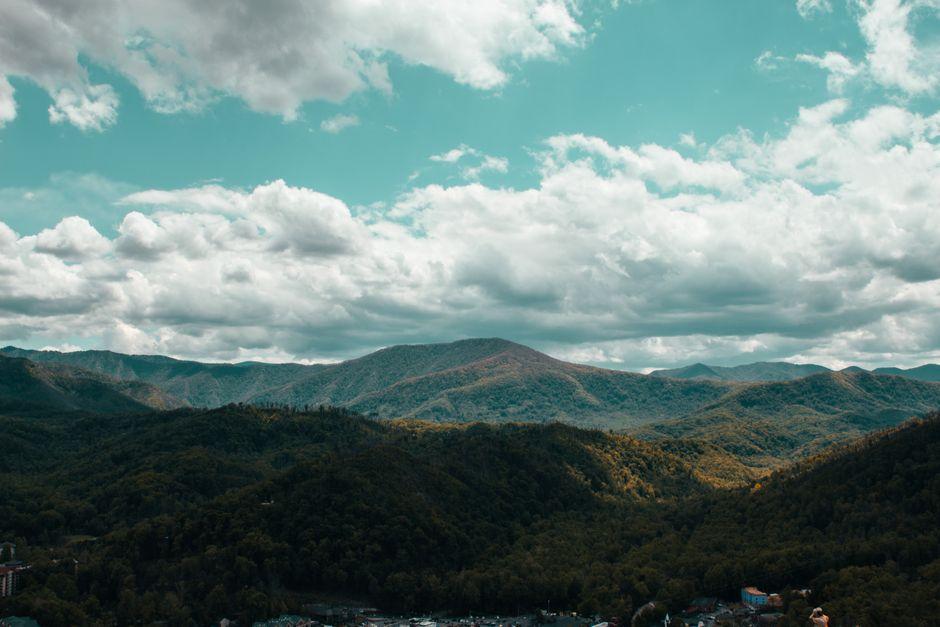
Have a Plan for the Whole Group
Every trip needs one option that holds up no matter the age range or the forecast. An indoor park covers both, keeping a mixed group busy on a hot afternoon or a wet one without anyone having to compromise. If you are looking for the best things to do in Pigeon Forge, check what is offered at Slick City Action Park, with more than twenty slides plus air courts under one roof. It stays open year-round regardless of the weather.
With one dependable anchor on the schedule, the rest of the week has room to move.
Ask Before You Book
The simplest way to avoid disappointment is to ask each person what they most want from the trip before anything is locked in. Ten minutes of conversation saves days of quiet resentment. People rarely mind missing something they never mentioned, but they mind enormously when they mentioned it, and it never happened.
The answers usually overlap more than expected. Once you see the list, it becomes obvious which days can serve two or three people at once and which require a split. Planning from that list is far easier than planning from assumptions.
Give Everyone Permission to Separate
Forced togetherness is the enemy of group travel. A teenager who spends the morning doing something energetic and a grandparent who spends it somewhere calm will both be in better spirits at dinner than if they had compromised on something neither wanted. Splitting up is not a failure of the trip; it is what makes the trip work.
Reconvening for one shared meal a day gives the group its shape. Everyone brings something to talk about, and the time together feels chosen rather than obligatory. Most families find they connect more this way, not less.
Respect the Pace of the Youngest and Oldest
Small children need naps and older travelers need rest, and a schedule that ignores either will collapse by midafternoon. Building a deliberate pause into each day is not lost time; it is what allows the evening to go well. Groups that push straight through are almost always arguing by five o’clock.
Mornings are usually the best hours for anything demanding. Everyone is fresher, crowds are thinner, and temperatures are more comfortable. Loading the harder activities early and leaving afternoons loose suits nearly every mixed age group.
Work Around the Traffic
The Parkway slows badly through the middle of the day, particularly in summer and during fall color season. Planning each day around one part of town rather than crossing back and forth saves hours across a week. Nobody enjoys a vacation spent watching brake lights.
The trolley system removes the parking problem entirely and is often quicker than driving during peak hours. It also lets the adults relax rather than navigating, which matters more than it sounds when the group is large.
Time in the Mountains
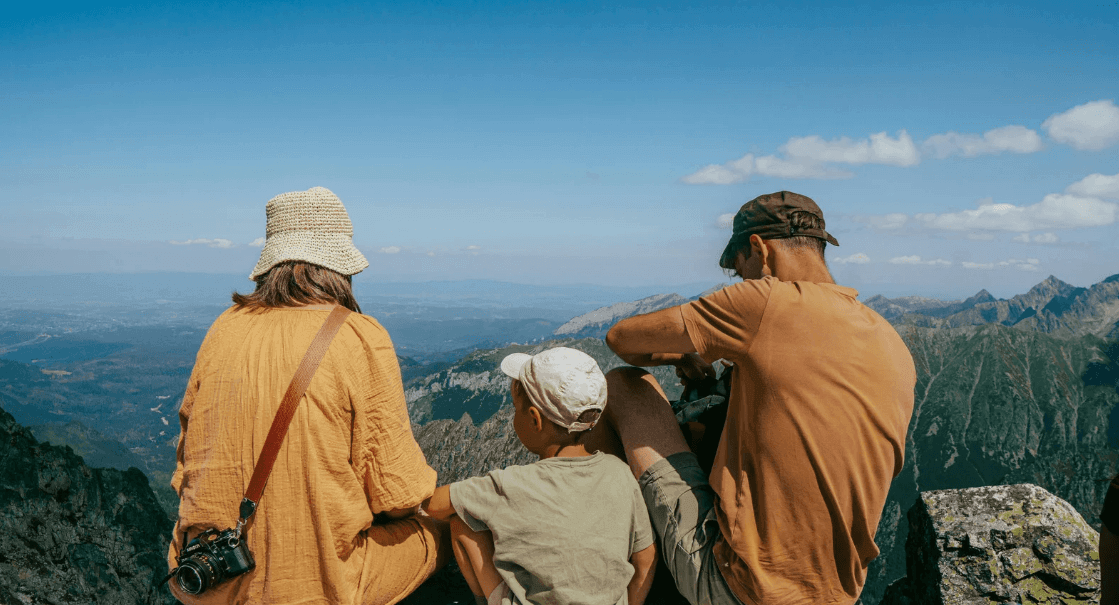
The national park is close enough for a half day and impressive enough to justify a full one. Trails run from short paved loops that suit strollers and slower walkers to strenuous climbs that take most of a day. Choosing for the least experienced person in the group is the rule that keeps the outing enjoyable.
Early starts matter here more than anywhere else in the area, since popular trailheads fill by midmorning in peak season. Vehicles stopped for more than fifteen minutes need a parking tag, and buying one in advance saves a frustrating detour. Water, layers, and proper shoes handle nearly everything else.
Eat Before the Rush
Restaurants here fill hard between six and eight, and a large party waiting an hour with tired children is a guaranteed low point. Shifting the main meal earlier or later avoids most of it, and reservations should be made anywhere they are offered. Two minutes on the phone prevents a great deal of frustration.
Preparing a few meals yourself takes pressure off the schedule and the budget. It also removes the nightly negotiation about where to go, which is often the most exhausting conversation of the day. Breakfasts in particular go far better without a crowd.
Prepare for the Weather
Rain is a regular feature of this part of Tennessee, and any plan built entirely around outdoor time will eventually be interrupted. Having indoor alternatives ready turns a washed-out afternoon into a change of direction rather than a wasted day. Most showers here move through within a couple of hours.
Temperature varies considerably with elevation, which catches first-time visitors out. A comfortable morning in town can feel cool higher up, and evenings drop faster than expected. Layers solve almost all of it, and a jacket left in the car costs nothing to bring.
Keep the Schedule Light
The most reliable way to ruin a group trip is to fill every hour. There is far more here than one visit can hold, and chasing all of it produces exhausted travelers who remember nothing clearly. Two or three genuine priorities and plenty of open time serves nearly every family better.
The unplanned hours are usually where the trip actually happens. An unhurried morning, a spontaneous stop, or an evening spent doing nothing in particular tends to outlast the scheduled highlights in memory. Building a week with room in it is what makes people want to come back.
0
Leave a Reply