As a mom, I know how much of our kids’ lives happens beyond what we can see once they walk through the classroom door. We hear pieces of it later: the teacher who made them feel comfortable asking a question, the class where everyone seemed to work well together, or the day when distractions made it hard to get much done. Sometimes those little conversations at home tell you quite a bit about what their school day actually feels like.
Two classrooms in the same building, teaching the same material to similar students, can feel entirely different within minutes of the bell. One hums along with students who settle quickly and ask questions without hesitation. The other never quite finds its footing, and the teacher spends the period managing interruptions instead of teaching.
The difference is rarely explained by discipline policy or personality alone. Classroom culture accumulates from hundreds of small choices about how expectations are communicated, how consistently they are upheld, and what students learn to expect from the adult in the room.
As parents, we may not see those everyday choices firsthand, but we often see their effects when our kids come home. Teachers who understand that process can build something durable rather than hoping a good group turns up in September.
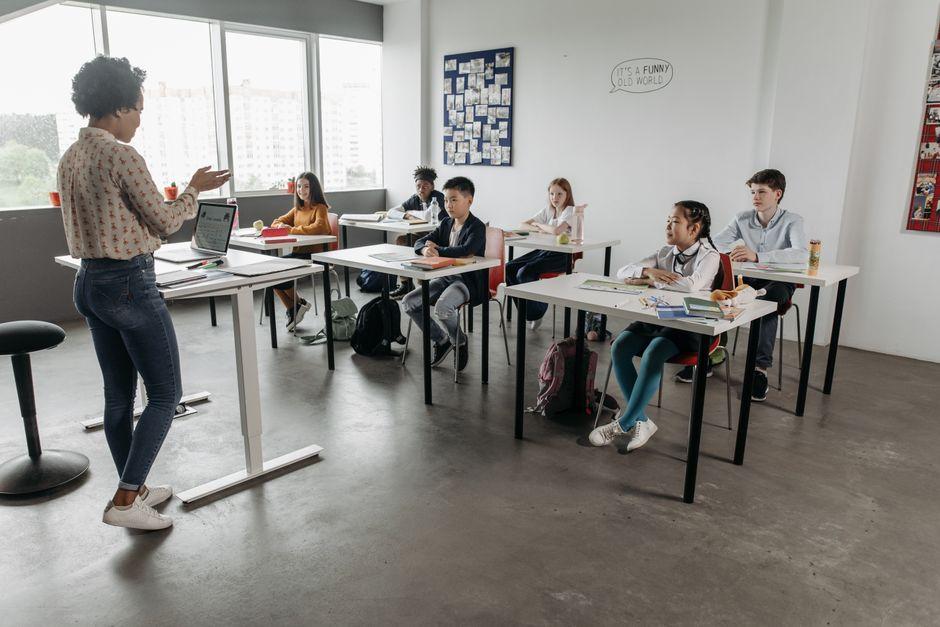
The Everyday Decisions That Determine How a Classroom Feels
Culture is shaped less by any single rule than by the small judgments a teacher makes hour after hour. The difficulty for many educators is knowing which forms of reinforcement genuinely change behavior over time and which only produce short-lived compliance.
Structured methods of recognizing and reinforcing the behavior a teacher wants to see can help make those everyday decisions more intentional. Instead of focusing only on what students should stop doing, positive reinforcement gives them clearer signals about the behaviors worth repeating.
For educators who want to explore these approaches more deeply, professional development and further study can provide useful opportunities to examine how learning, leadership, and behavior management work together. Educators at Youngstown State University, for example, can study positive reinforcement techniques through coursework in brain-based learning, leadership, and behavior management, with an online format that can fit around an existing teaching schedule.
Setting Expectations Students Can Understand and Follow Without Confusion
Most classroom trouble traces back to expectations that were never stated clearly enough to be followed. A teacher may believe the standard for group work is obvious, while half the room is operating on assumptions carried over from a previous year and a different adult. Ambiguity invites testing, and testing looks like defiance even when it is genuine uncertainty.
Clear expectations are specific about what the behavior looks like in practice. Instead of asking for respect in the abstract, effective teachers describe what respectful listening involves during a discussion and what it involves during independent work.
They revisit these definitions after holidays and long breaks, when routines have loosened. Students who know precisely what is being asked of them spend far less energy guessing, which leaves more available for the actual lesson.
Consistency as the Foundation of Credible Classroom Management
Students pay attention to whether rules are applied fairly and consistently. They notice when the same conduct produces a reaction on Monday and nothing on Thursday, and they draw conclusions about whether the standard is real. Inconsistency can undermine even a well-designed system, because it teaches the class that outcomes may depend on the teacher’s mood rather than their own choices.
Maintaining consistency across a long year is genuinely difficult. Fatigue, an unusually hard week, and the temptation to overlook something minor all work against it. Teachers who manage it tend to keep their systems simple enough to sustain, choosing a small number of standards they will uphold every single time over an elaborate structure that collapses by October.
Adapting to Developmental Differences Between Younger and Older Students
An approach that works beautifully with six-year-olds can fall flat with sixteen-year-olds, and the reverse is equally true. Younger children often respond well to immediate, concrete, and highly visible responses from an adult they want to please. Adolescents tend to be more aware of how they appear to peers, and a well-meant public comment can sometimes land as an embarrassment.
Older students may respond better to autonomy and to being trusted with something that matters. Choice in how an assignment is completed, responsibility for a piece of the classroom’s functioning, or a quiet private acknowledgment can sometimes carry more weight than anything delivered in front of the room.
Observing Patterns Before Deciding What Needs to Change
Teachers under pressure can easily end up responding to the loudest incident rather than the most frequent one. A single dramatic episode absorbs attention while a persistent low-level pattern continues unexamined. Over a term, that recurring pattern may interfere with learning more than the occasional bigger incident.
This is where simply paying attention to patterns can help. Noting when difficulties cluster, which transitions consistently go badly, and which groupings produce friction can point to problems that aren’t obvious in the moment.
Sometimes the issue turns out to be structural rather than personal: a transition with no clear procedure, an activity pitched slightly wrong, or a seating arrangement that puts two students in permanent competition. Adjusting the structure may resolve what initially looked like a behavior issue.
Teachers Who Lead Beyond Their Own Four Walls
A teacher who has worked out how to build a functional classroom holds knowledge the whole building could use. That knowledge often stays where it was developed, because sharing it requires time and a culture that invites it. Schools that create room for experienced teachers to mentor colleagues and shape shared practice can help those ideas reach well beyond a single classroom.
Sharing that experience with colleagues calls for a different set of skills. Leading peers means giving feedback that lands without offending, building agreement among people who disagree, and evaluating whether a change actually improved anything. Teachers who develop those abilities can have an impact beyond their own classroom while remaining close to the students their work is meant to serve.
A Classroom Culture Kids Can Carry Home With Them
As parents, we aren’t there to see every classroom interaction or understand every decision a teacher has to make. What we do see is the child who comes home excited about something they learned, comfortable enough to talk about a mistake, or confident that they can ask for help when they need it.
A constructive classroom culture doesn’t happen because every day goes perfectly. It grows from clear expectations, consistency, thoughtful responses, and teachers who pay attention to what their students need as they grow.
Those everyday choices may happen at school, but their effects don’t necessarily stay there. When kids feel secure, respected, and ready to participate in the classroom, that confidence can follow them home too.
0
Leave a Reply