Keeping our home comfortable all year has always been important to me. I want my family to feel cozy in the winter and cool in the summer, but I also want to be smart about our budget. Energy bills can sneak up quickly if we are not paying attention.
Over the years, I have learned that staying comfortable is less about expensive upgrades and more about simple habits and thoughtful choices. Small changes around the house can make a big difference. Today I am sharing the practical steps that help our home feel just right without overspending.
The Basics of Home Comfort
When our house starts to feel too cold or too warm, I do not immediately think about replacing equipment. I start by paying attention to how we are actually living in the space.
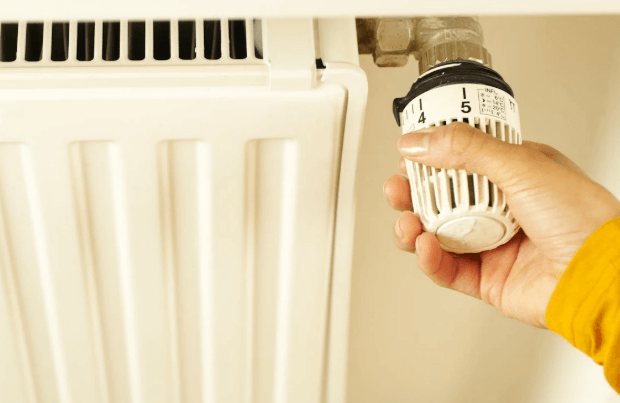
For example, I noticed that our back bedrooms always felt colder in the winter. Instead of turning up the thermostat for the whole house, I checked the vents to make sure they were open and not blocked by furniture. I also made sure the kids were not closing them without realizing it. That simple check made a bigger difference than I expected.
I have also learned that little daily habits matter more than we think. Leaving blinds open on a hot afternoon can heat up a room fast. Forgetting to change the air filter makes the system work harder than it needs to. None of these fixes are expensive, but together they really affect comfort.
There are times when professional help makes sense. If your system struggles to keep up during extreme weather or starts making unusual noises, it may be worth calling a trusted local company like Len The Plumber Heating & Air to take a look. I see that as part of maintaining our home, just like servicing a car. Staying ahead of small issues keeps everything running smoothly and prevents bigger headaches later.
For me, home comfort is about consistency. I try to keep the temperature steady so our system does not have to work overtime to catch up. When we avoid big swings up and down, the house feels better and our energy bills stay more predictable.
Preparing for Hotter Summers
The summers where we live have definitely felt hotter in recent years. There are more days when the heat seems to stick around from morning until bedtime. On those stretches, I notice our air conditioner working harder than it used to.
Instead of waiting until the first heat wave hits, I try to prepare a little earlier each year. In late spring, we check that our filters are clean and that nothing is blocking the outdoor unit. I also walk around the house and look for small gaps around windows and doors. Sealing those tiny leaks helps keep the cool air inside where it belongs.
On especially hot days, we are more intentional about closing blinds before the sun starts streaming in. That one habit alone can keep certain rooms several degrees cooler. It also helps the system run less often, which shows up on our energy bill.
I cannot control the weather, but I can control how prepared our home is for it. A little planning before summer really does make those long, hot weeks easier on both our family and our budget.
Making Your Home Work Harder In The Heat
If you live in a neighborhood with lots of pavement and closely built homes, you have probably noticed that the heat lingers well into the evening. I have experienced that heavy, trapped warmth that does not seem to go away even after the sun sets.
Because of that, I try to be intentional about how we manage heat during the day.
We keep blinds and curtains closed in rooms that get strong afternoon sun. In a few spots, I have added light colored shades to reflect heat instead of absorbing it. Outside, even simple touches like potted plants near windows or a small shade tree can make a difference over time.
During the hottest part of the day, we keep windows closed to hold in the cool air. Later in the evening, if the temperature drops, we open them briefly to let fresh air move through the house.
None of these changes are complicated. They are small adjustments that help our home work with the weather instead of against it. When we stay consistent with these habits, the house feels more comfortable and our cooling system does not have to work as hard.
Using Zoned Heating and Cooling Wisely
One thing I realized over time is that we do not use every room in our home the same way every day. Heating or cooling the entire house to the exact same temperature is not always necessary.
If you have zoned controls or multiple levels, it helps to focus comfort where your family actually spends time. Closing doors to unused rooms or adjusting settings by floor can lower energy use without sacrificing comfort.
It is a practical way to be mindful of both your budget and lower your carbon footprint.
Simple Steps for Daily Savings
You can improve your home’s efficiency without buying expensive new machines right away. Some of the most effective changes cost little or nothing.
We close blinds when direct sunlight hits the windows.
We set ceiling fans to spin counter clockwise in the summer.
We change air filters at least four times a year.
We keep vents and radiators clear of dust and furniture.
These small tasks keep the system from straining during peak seasons. They also help improve air quality for everyone in the house.
Managing Your Thermostat Settings
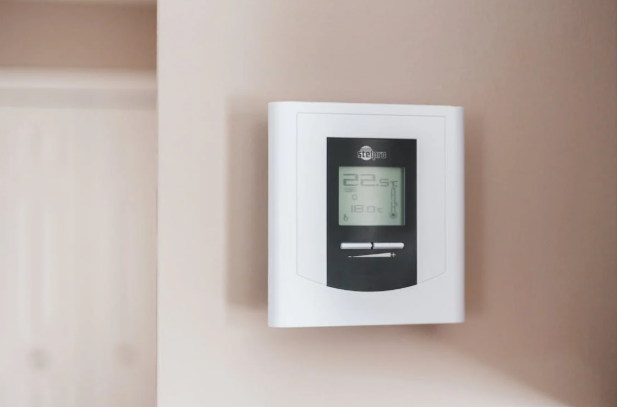
How you set your thermostat has a direct impact on your monthly bill.
We lower the heat by several degrees at night while we sleep. During the day, we use a programmable schedule that matches our routine. I also avoid turning the dial to extreme settings in an attempt to cool or heat a room faster. It does not work that way, and it only makes the system run longer.
Placement matters too. A thermostat near a sunny window or drafty door can give inaccurate readings, which affects comfort throughout the house.
It takes a little observation to find the right balance, but once you do, keeping settings steady tends to work best.
Regular Maintenance Tasks
Neglecting your furnace or air conditioner usually leads to higher costs later. Small issues can turn into expensive repairs if they are ignored.
I listen for unusual sounds when the system turns on. Banging, rattling, or whistling can signal that something needs attention. We also check the outdoor unit for leaves or debris and keep the area clear.
Taking a few minutes to check these things each season saves time, stress, and money in the long run.
The Impact of Proper Insulation
Insulation quietly does a lot of work behind the scenes. Without it, you are trying to heat or cool the outdoors.
Most heat loss happens through the attic or around older windows and doors. Adding weather stripping is an inexpensive weekend project that can make a noticeable difference. Checking the basement or crawl space for drafts also helps keep floors warmer in the winter.
These improvements may not be glamorous, but they directly affect comfort and efficiency.
Conclusion
Creating a comfortable home does not have to be complicated or expensive. It comes down to paying attention, building good habits, and taking care of what you already have. When we stay consistent with small tasks like adjusting the thermostat, sealing drafts, and maintaining our systems, our home feels better and our bills stay manageable.
For me, home is about creating a space where my family can relax and feel cared for. A steady, comfortable temperature is part of that. With a little planning and a few simple routines, you can enjoy a cozy home all year while staying mindful of your budget.
0
Leave a Reply