If you’re a parent, chances are you’ve dealt with mysterious rashes, itchy skin patches, or spots that suddenly appear on your child out of nowhere. And one of the most common causes of these skin surprises is ringworm. It is a condition that sounds scary but is actually very manageable. The problem is, it has been surrounded by myths for decades, and many families still react with worry or confusion when that circular rash shows up.
The truth? It is extremely common, especially in children, and it’s not nearly as dramatic as it sounds. Most misconceptions come from old stories, misunderstandings, and the misleading name itself. So, instead of guessing or turning to outdated information, here’s a simple, family-friendly look at what’s real — and what’s not.
Below are some of the most common ringworm myths families still believe about the condition, and the actual facts every parent should know.
1. Myth: “It is caused by worms.”
Truth: It’s a fungus — not a parasite.
This is the most widespread myth, and it’s understandable as the name sounds alarming. But ringworm, as explained by Nationwide Children’s Hospital, has absolutely nothing to do with worms. It’s caused by a group of fungi (not parasites) that live on the skin, hair, or nails.
Families often get confused because the rash can appear circular, which led to the “ring” part of the name. But in reality:
- The condition is fungal, not parasitic.
- It spreads easily through touch or shared items.
- Pets, kids, and adults can all carry it.
- Warm, moist environments help it grow.
The name may sound dramatic, but the actual condition is far more common and much less frightening than the myth suggests. Understanding the real nature of the fungi helps parents respond calmly rather than with panic or embarrassment.

2. Myth: “Only kids with poor hygiene get the infection.”
Truth: It can happen to anyone — even the cleanest families.
This is one myth that causes a lot of unnecessary shame. Parents often assume the condition means someone wasn’t keeping clean enough. In reality, hygiene has nothing to do with it.
Here’s why anyone can get this infection:
- Kids share toys, sports equipment, and play spaces.
- Pets can pass it to children.
- Many public areas (daycares, playgrounds, locker rooms) are common sources.
- The fungus spreads through simple skin-to-skin contact.
Even the cleanest homes aren’t immune. Ringworm is incredibly contagious, and children — because they play close together, share items, and touch everything — are simply more likely to pick it up.
Moreover, it can appear on the scalp, body, groin, or feet, depending on how it was picked up. So instead of viewing it as a lack-of-cleanliness issue, it’s more helpful to treat it like any other common childhood condition.
3. Myth: “The condition is dangerous or hard to treat.”
Truth: It’s very treatable with the right approach.
Hearing the word fungus might make families feel uneasy, but ringworm is highly treatable — especially when addressed early. Most mild cases improve with over-the-counter antifungal creams, while scalp infections may require prescription medication for proper clearance.
Parents often assume it’s a long-lasting or serious infection, but according to sources:
- Most cases are clear in 2–4 weeks.
- It rarely leads to complications.
- Early treatment stops it from spreading.
- Kids can usually continue school or activities once treatment begins.
The key is consistency: applying medication as directed, washing hands often, and avoiding sharing personal items. With the right routine, it becomes just one of those small parenting hurdles rather than a big concern.
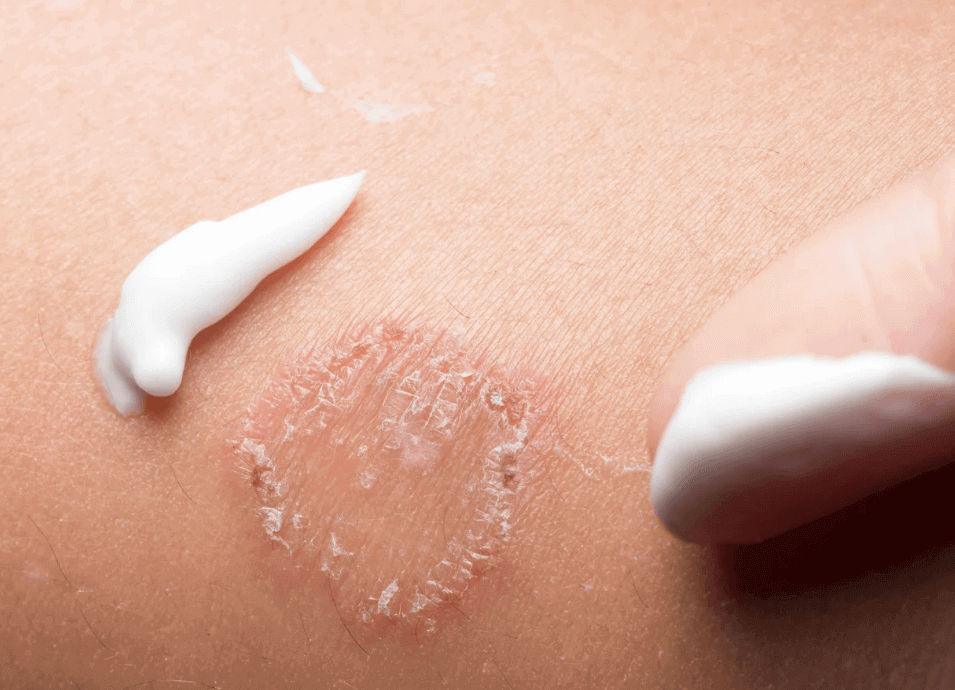
4. Myth: “If the rash fades, the infection is gone.”
Truth: Keep treating until the full course is complete.
One of the most common mistakes parents make is stopping treatment the moment the skin starts to look normal. But fungal infections linger under the surface. Experts recommend keeping up the medication for the full duration — usually several weeks — to prevent recurrence. Why? Because if the fungus isn’t fully eliminated:
- The rash can return.
- It may spread to another area.
- Kids can still pass it to others.
Finishing treatment gives your child the best chance at a complete recovery.
Conclusion
Ringworm may sound alarming, but the facts tell a much calmer story. It’s common, treatable, and often preventable with a few simple habits. By understanding what’s true — and letting go of long-standing ringworm myths — families can handle the infection confidently and without fear.
If you ever feel unsure or if symptoms don’t improve, a healthcare provider can guide you based on your child’s specific needs. With the right knowledge, the condition becomes just another manageable bump in the road of family life.
0
Leave a Reply