Your roof protects your home every day, yet many homeowners do not think about it until a problem appears. Unfortunately, roofing issues can worsen quickly. A ceiling stain, missing shingles, or gritty debris in the gutter may seem minor, but these are often early signs of a roof beginning to fail. Catching trouble early can help you avoid expensive interior damage and decide whether repair or replacement is the better solution.
When it does come time for a full replacement, choosing an experienced team matters as much as catching the warning signs early. Homeowners in Texas often look into roof installation Austin services to get a clear read on their options before committing to a repair or a full tear-off.
Warning Signs to Notice
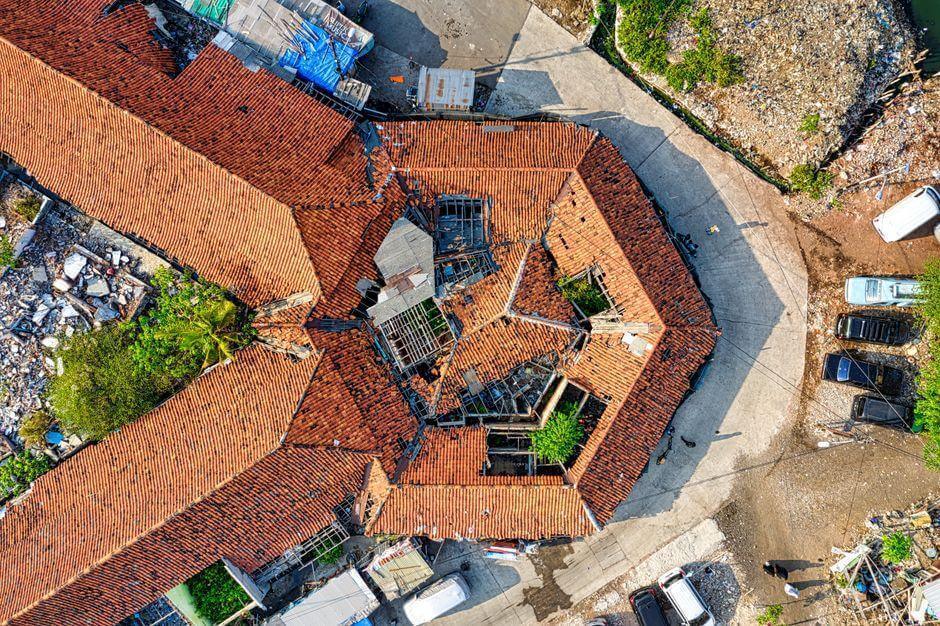
You usually do not need to climb onto the roof to spot a problem. Many warning signs are visible from the ground or during routine yard work.
Look for missing, curling, or cracked shingles. Dark streaks, bald areas where granules have worn away, and sections that sag or make the roofline appear uneven also suggest trouble. Check your gutters too. If they contain granules that look like coarse black sand, your shingles may be breaking down.
Also watch for leaks around vents, chimneys, and flashing, especially after rain. If the same area keeps needing repairs, patching may no longer be the best long-term answer. In that case, it may be time to consider roof replacement before a small issue turns into a much larger expense.
Why Timing Matters
Roofing problems rarely stay small for long. Waiting too long is one of the most expensive mistakes homeowners make because water can enter through even tiny openings.
Once moisture gets inside, it can stain ceilings, damage insulation, warp wood framing, and encourage mold growth. By the time you notice an indoor drip, the problem may already be spreading through the attic, walls, or roof decking.
Timing also affects comfort and energy efficiency. A worn roof can let heat escape during winter and trap too much heat in summer. That can make your home less comfortable and increase utility bills. For many homeowners, delaying roof work only leads to greater costs later.
Check Your Roof’s Age
Sometimes the clearest clue is simply the roof’s age. Roofing materials wear down over time, even if they still look acceptable from the street.
Asphalt shingles commonly last 15 to 30 years, depending on product quality, installation, and local weather conditions. Metal, tile, and other materials may last longer, but no roof lasts forever. Constant exposure to sun, wind, rain, and temperature swings eventually weakens every roofing system.
If your roof is nearing the end of its expected lifespan and also showing visible wear, repairs may offer only temporary relief. In many cases, replacement becomes the more practical investment. Knowing the age of your roof gives you a useful starting point when deciding between continued repairs and a full upgrade.
Look Inside Your Home
Not all roof problems appear outside at first. In many homes, the most obvious clues show up indoors.
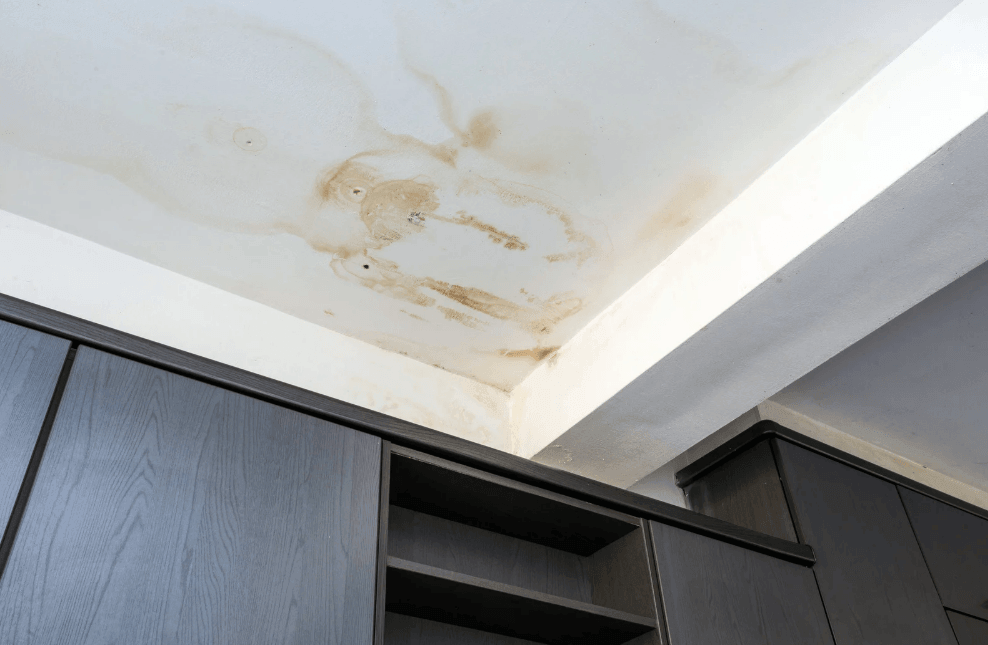
Brown or yellow stains on ceilings and upper walls can signal water intrusion. Peeling paint near the top of a room may also point to excess moisture. In the attic, damp insulation, wet wood, or a musty odor are strong signs that water is getting through the roof.
You may also notice drafts or rooms that suddenly feel stuffy, unusually cold, or harder to keep comfortable. These changes can indicate gaps, weakened materials, or hidden moisture damage above. Indoor warning signs matter because they connect symptoms inside your home to issues happening overhead.
Storm Damage Adds Up
Severe storms are often blamed for roof failure, but repeated smaller weather events can be just as damaging over time. Wind can loosen shingles, hail can bruise or crack materials, and heavy rain can exploit weak points. After that, heat can dry out and stress already damaged areas even more.
The challenge is that storm damage is not always easy to spot. One section of the roof may have taken most of the impact while the rest still looks fine. Tree branches may have scraped the surface during high winds. Flashing around a chimney or vent may shift just enough to let water in.
Over time, these smaller hits add up. Even if your roof does not appear severely damaged, the weather may be shortening its lifespan faster than expected. That is why inspections after storms are a smart precaution, not unnecessary worry.
Repair or Replace?
This is often the hardest decision for homeowners. In some situations, a repair is enough. If the damage is limited to a small area, such as a few missing shingles or minor flashing problems, fixing that section can restore the roof effectively.
Replacement makes more sense when issues keep returning. Repeated leaks, widespread shingle deterioration, sagging areas, or an older roof near the end of its life usually point to larger problems that spot repairs cannot fully solve.
Although roof replacement costs more upfront, it can save money in the long run by reducing repeat repair bills and lowering the risk of interior water damage. It may also improve energy efficiency, safety, and peace of mind. If your roof has become a recurring expense, replacement may be the smarter long-term choice.
Questions to Ask Pros
When speaking with a roofing contractor, ask direct questions so you can make a confident decision. Your roof protects one of the most important parts of your home, so you need clear answers.
Helpful questions include:
– How much damage is present, and is repair still realistic?
– What materials do you recommend for my home and climate?
– How long should the project take?
– What is included in the estimate, and could additional costs come up?
– What warranties are available for materials and labor?
– How will cleanup and debris removal be handled?
A reliable contractor should explain findings clearly and avoid vague answers. If someone cannot respond directly to basic questions, that is a good reason to keep looking.
Plan Your Next Steps
If your roof is showing signs of wear or damage, schedule an inspection. Getting a professional opinion early gives you more options and helps you address problems before they become severe.
It is also wise to compare a few quotes so you can review differences in cost, materials, and timing. Ask which issues need immediate action and which can be monitored for a little longer. Breaking the process into steps can make the decision feel far less overwhelming.
0
Leave a Reply