Coffee is one of those little things I look forward to in the morning, but I don’t always have time to turn making it into a whole routine. On busy weekdays, a single-serve pod is often simply the easiest option. What I don’t love is choosing convenience and ending up with coffee that tastes like it has been sitting around for far too long.
Freshness is part of the problem. The Specialty Coffee Association’s rule of thumb is that ground coffee stays fresh for about an hour, compared with roughly three weeks for whole beans. Consumer Reports also notes that pod coffee generally tastes less fresh than coffee from a top drip brewer.
Of course, convenience still counts for a lot in a busy household, and not every pod is made the same way. The beans, how much coffee goes into each pod, how it’s packaged, and how long it has been sitting around can all affect what eventually lands in your mug.
There are a few other things worth looking at too, depending on what matters to you. Is the coffee organic? How was the decaf processed? Does the company explain where its beans come from or provide information about testing? Those details are much more useful than simply seeing words like “premium” or “clean” printed on the box.
So, rather than giving up the convenience of the coffee machine, here are four Keurig-compatible pods that take different approaches to quality. I’ve also included a few things worth checking when you’re comparing pods, because the best choice really depends on what you want from your morning coffee.
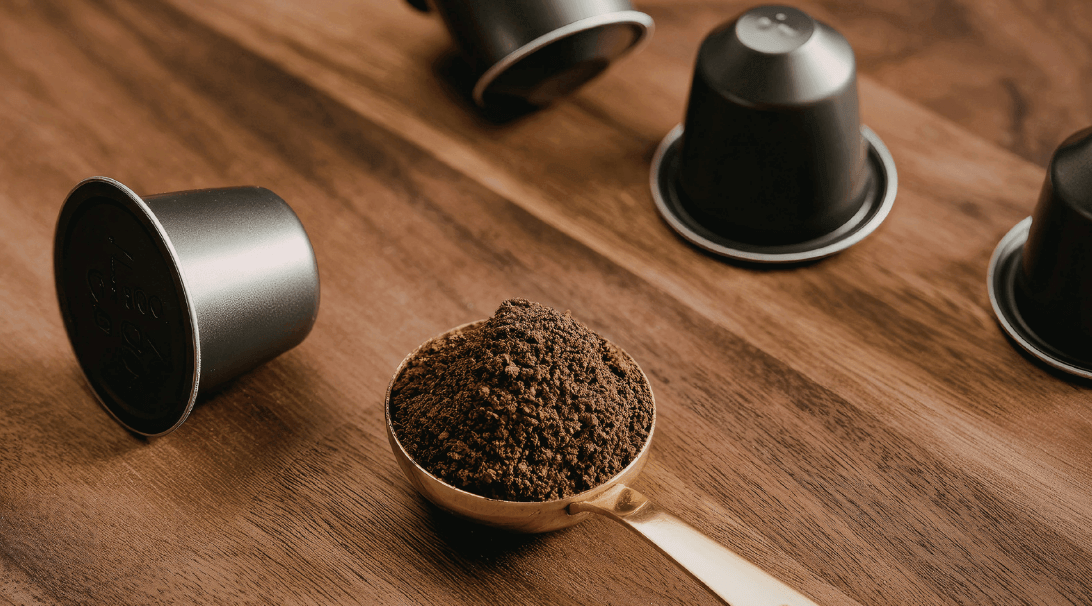
The 4 pods, and what each does well
Each pick comes from a brand that describes its coffee as specialty and gives you something concrete to check, whether that’s a named origin, a certification, or published test results. Brands that publish what they test for get extra weight. The SCA’s Coffee Value Assessment is an assessment framework, not a retail certification for coffee pods, so the guide further down explains what “specialty-grade” can and can’t tell you.
1. Purity Coffee: for health-focused testing and transparency
Purity Coffee is built around a simple idea: make every coffee decision with health as the priority. The company says it sources USDA Certified Organic, specialty-grade Arabica grown with regenerative farming practices, then carries that same thinking through roasting and packaging.
All five of its coffees come in pod form: FLOW (medium), PROTECT (light-medium), EASE (dark), CALM (decaf), and BALANCE (two-thirds decaf). That gives you real choice across caffeine levels rather than treating decaf and lower-caffeine coffee as an afterthought. CALM and BALANCE use a water-based decaffeination process that avoids methylene chloride and ethyl acetate, two solvents used in some other decaf methods.
Purity keeps quality grading and lab verification separate. The company evaluates its green coffee lots against specialty-grade standards, while third-party labs test for contaminants. It publishes results, too. The FLOW pod page links a third-party mold and mycotoxin certificate of analysis that identifies the sample tested, so you can read the findings yourself.
The most distinctive part of Purity’s approach is that it measures beneficial compounds alongside contaminants. The company says it evaluates antioxidants such as chlorogenic acids and designs its roast profiles to retain them while limiting compounds of concern. For Purity, keeping unwanted substances out is the baseline. The larger goal is preserving the compounds that make coffee valuable in the first place.
Purity also says its pods are nitrogen-flushed and its coffee is roasted to order. For EASE, its darkest roast, it publishes a pH of 5.15 to 5.20, though it doesn’t market the pods as low-acid.
The pods fit most Keurig K-Cup brewers, including 2.0 models, and use #5 recyclable, BPA-free plastic. For coffee lovers interested in specialty-grade coffee alongside organic sourcing, health-focused roasting, and accessible test results, single-serve pods that are still specialty-grade are one option worth comparing with the alternatives above.
2. Lifeboost: for low-acid positioning
Lifeboost leads with low acid. Its Dark Roast pods hold single-origin, shade-grown coffee from Central America that the brand describes as specialty and USDA Organic. Lifeboost says the coffee is third-party tested for mycotoxins, heavy metals, and pesticides, and that its pH testing shows it’s up to 27.7% less acidic than common store-bought coffees. How acidic a cup feels still varies by person and by brew, so treat that figure as a starting point.
3. Fresh Roasted Coffee envipods: for compostable packaging
Fresh Roasted Coffee pitches its envipods line as specialty coffee, and its Organic Dark Mexican envipods put USDA Organic coffee in BPI-certified, commercially compostable pods. The brand says coffees in the line are tested for mold, mycotoxins, and pesticides. “Commercially” is the catch. In 2023, only about 12% of U.S. households had access to a government-supported food-waste program, curbside or drop-off, according to a BioCycle survey reported by Forbes. Even where those programs exist, not all of them accept compostable packaging. Fresh Roasted also notes the pods may not work in some Ninja and Hamilton Beach machines.
4. Intelligentsia: for a café roaster’s coffee
Intelligentsia, which Keurig Dr Pepper describes as an American specialty coffee pioneer, brings its coffee to the K-Cup with House, a light roast with milk chocolate, citrus, and apple notes. It’s a natural choice if you want café-roaster coffee in pod form. The Keurig product listing reviewed for this guide doesn’t link to a contaminant test report, so if testing matters to you, ask the company. The pods are recyclable where local programs take them. Since they’re sold in so many grocery stores, check the date on the box before you buy.
How to judge any pod
The SCA defines specialty coffee broadly, as coffee recognized for distinctive attributes that give it significant extra value in the marketplace. Its Coffee Value Assessment documents a coffee through four lenses: its physical characteristics, its sensory attributes, an evaluator’s impression of its quality, and outside information like origin, traceability, and certifications.
That framework isn’t a retail certification. “Specialty-grade” on a package doesn’t mean the SCA has assessed that product, which is why the questions below matter more than the label.
Will it fit your machine?
It’s the least interesting question and the first one to answer. Every pick above works in Keurig-style K-Cup brewers. Nespresso Original and Vertuo machines use different capsule formats, and Vertuo machines require Vertuo-format capsules. Some Ninja and Hamilton Beach single-serve machines don’t accept every K-Cup-style pod either, so read the compatibility line before you buy.
What’s actually in it?
Look for a brand that names the grade, the origin, or both. “Premium Arabica” on its own tells you very little.
Organic is a separate question. USDA Organic certification covers how the coffee was produced and handled, not how it tastes or how many defective beans made it into the batch. You want answers to both.
If you drink decaf, ask how they removed the caffeine. Some decaf is made with methylene chloride or ethyl acetate. Federal rules permit up to 10 parts per million of methylene chloride residue in decaffeinated roasted coffee, and a petition asking the FDA to withdraw that approval was still under review as of August 2026. Water-process methods don’t use either solvent, which matters if you’d rather avoid them. Check the box for the method, and if it doesn’t say, it’s fair to ask.
If several people share the machine, look at the brand’s range. A decaf and a lower-caffeine blend alongside the regular roasts means the person cutting back isn’t stuck with the household’s second-best pod.
How much coffee is in there?
Few people check this, and it can explain a watery cup. Many standard K-Cup-style pods reportedly contain roughly 9 to 12 grams of coffee, though it varies by brand. Grind, roast, and pod design all affect strength, but all else equal, a larger dose supports a more concentrated brew. Some brands print the figure. Many don’t, which leaves you guessing.
How fresh is it?
Oxygen starts working on coffee the moment it’s ground, so packaging matters, especially for pods, because the coffee inside is already ground. Nitrogen flushing replaces the air around the coffee with a gas that won’t stale it, and individually sealed pods add another barrier.
Shelf time matters too. A box that’s sat in a store for months has been aging the whole time, while roasters that roast or pack to order can reduce that wait. If you’re buying off the shelf, look for a roast date. It tells you more about the coffee’s age than a best-by date.
Can you see the test results?
For health-conscious coffee drinkers, third-party testing adds a useful layer of transparency.
The FDA has no coffee-specific limit for ochratoxin A (OTA), a toxin produced by certain molds. It does monitor OTA in foods and uses a referral level of 20 micrograms per kilogram to flag findings for case-by-case review. In FDA monitoring of 3,708 food samples collected from 2008 through 2022, 96.5% had OTA below the lab’s quantification limit, though green coffee beans were among the foods with higher readings. The European Union sets a maximum of 3 micrograms per kilogram for roasted coffee.
That doesn’t make U.S. coffee unsafe. It does mean a brand’s own batch testing adds information beyond routine monitoring. “Clean,” “pure,” and “tested” are claims. Look for a brand that names what it tests for and shows you the results. On a certificate of analysis, check who ran the tests, when, and whether the panel includes relevant mycotoxins such as ochratoxin A and aflatoxins.
Some brands also measure compounds such as chlorogenic acids, the main antioxidant compounds in coffee. That’s a different question from contaminants, and a useful one.
A certificate you can open beats a promise you can’t check.
Getting a better cup from any pod
A good pod can still make a disappointing cup, often because of the water.
Brew at the size the roaster recommends. Purity suggests the 8 oz setting for its pods. The dose is fixed, so a larger brew size will generally produce a more diluted cup. Some Keurig models have a Strong setting for a bolder cup, so check your manual to see whether yours does. Water makes up almost the entire cup, so if your tap tastes off, use filtered water.
For iced coffee, brew the smallest setting straight over a full glass of ice. The concentrated brew stands up to the melt.
Keep pods somewhere cool and dry, away from the machine’s steam, and descale as often as the manual recommends. Mineral buildup affects both temperature and flow.
Switching from grocery-store pods? Give a new coffee a few mornings. A lighter roast can taste brighter and less bitter than you’re used to. And if an old favorite suddenly tastes flat, check the date before you blame the coffee.
Read the Box Like a Label
I don’t expect a coffee pod to taste exactly like beans I just ground myself. But on mornings when I reach for the coffee machine because it’s quick, I still want the result to be good.
I’ve learned that the front of the box doesn’t always tell you much. Turn it around and look for the details: where the coffee comes from, how fresh it is, how the decaf is processed, and whether the brand actually explains any testing claims it makes.
What matters most will be different from one household to the next. I might care about having a good decaf option in the house, while someone else is looking for organic coffee, a particular roast, or pods that are easier to dispose of responsibly. And sometimes you just want coffee that tastes good without making the morning more complicated.
That’s really all I want from a single-serve pod: something convenient that still makes a cup I’m happy to drink. If it does that and fits easily into the morning routine, it has earned its spot next to the coffee machine.
0
Leave a Reply