• Skip to primary navigation
  • Skip to main content
  • Skip to primary sidebar
  • Skip to footer

Whipperberry

WhipperBerry • Your Home For Creative Inspiration

  • Home
  • Recipes
    • Starters
    • Easy Weeknight Dinners
    • Main Dish
    • Salads
    • Side Dish
    • Soups & Stews
    • Desserts
    • Breakfast
    • Miscellaneous
  • Tutorials
    • Creative Crafts
    • DIY Decor
    • Fabric Crafts
    • Food How-To
    • Jewlery
    • Paint Projects
    • Paper Art
    • Party Styling
    • Photography and Graphic Design
    • Silhouette
  • Holidays
    • Easter
    • Mother’s Day
    • Father’s Day
    • 4th of July
    • Halloween
    • Thanksgiving
    • Christmas
    • Valentine’s Day
  • Gift Ideas
    • Gifts For Everyone
    • Gifts for Dad
    • Mother’s day
    • For The Girls
    • For The Kids
    • Teacher Gift Ideas
    • Christmas
  • Printables
    • Holiday
    • Gift Idea
    • LDS Primary
  • Travel
  • About
    • Terms
  • Contact
  • Nav Social Menu

    • Facebook
    • Instagram
    • Pinterest
    • RSS
    • Twitter

flooring styles

Best Ways to Enhance Your Home with Flooring

0 · Jan 11, 2026 · Leave a Comment

Your floors take a beating. Kids run across them. Pets scratch them. Furniture scrapes them. Yet somehow, flooring gets treated like an afterthought during home renovations.

Most people pick paint colors and furniture first. They leave the floors for last. That’s backwards. Your floors cover more square footage than anything else in your home. They set the mood for every room you walk into. Get them right and everything else falls into place.

Types of Flooring Materials

Different rooms need different flooring. What works in your kitchen might be terrible for your bedroom. Cost matters too, but so does how you actually live in your space.
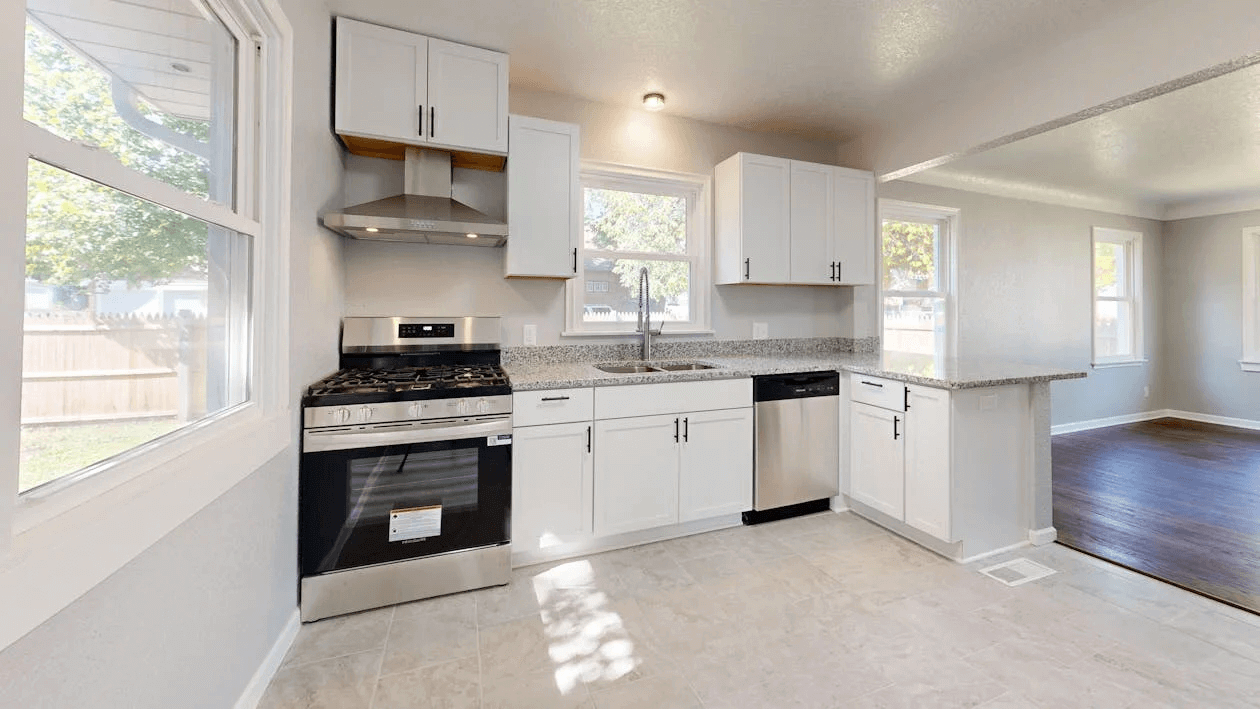
Modern kitchen with white cabinets and black stovetop oven

Wood Options That Last

Hardwood floors can last 100 years if you treat them right. Real wood adds value to your home. It also feels warmer under your feet than tile or laminate. Engineered wood uses real wood on top with plywood underneath. It handles moisture better than solid hardwood. This makes it perfect for basements or areas where humidity swings happen.

Budget Friendly Alternatives

Laminate looks like wood but costs half as much. Modern vinyl planks fool most visitors into thinking they’re real wood. Tile belongs in bathrooms and kitchens where spills happen daily. Some vinyl products now come with lifetime warranties. That’s hard to beat for peace of mind.

Dark Wood Floors Create Drama and Warmth

Light floors show every speck of dirt. Dark floors hide the mess between cleanings. They also make furniture pop against them. Walk into any high end home and you’ll likely see dark floors.

Many homeowners find https://www.reallycheapfloors.com/shop/dark-wood-floors/ offers solid and engineered versions that fit their needs. Walnut gives you deep brown tones. Mahogany leans reddish. Dark oak sits somewhere in between. Each wood species has its own grain pattern. Some are straight and uniform. Others look wild and organic.

Picking the Right Finish

Matte finishes hide scratches way better than glossy ones. They also look less fake under bright lights. Hand scraped wood adds texture that makes your floors look custom. Site finished floors let you pick any stain color you want. Factory finished planks limit your choices but install faster.

The Dust Problem Nobody Mentions

Dark floors show every piece of lint and pet hair. You’ll sweep more often than you did with lighter floors. Some people hate this. Others think the elegant look makes up for it. Light colored walls help balance out dark floors. Without that contrast, rooms feel cave-like.

Getting Your Space Ready

Ripping out old flooring reveals all sorts of surprises. Squeaky subfloors. Uneven spots. Sometimes even water damage nobody knew about. Fix these problems now or they’ll haunt you later.

Your subfloor needs to be flat within 3/16 inch over 10 feet. That’s the industry standard for hardwood. Use a leveling compound for dips. Sand down the high spots. This prevents gaps that let cold air through and make floors squeak.

Let Your Wood Adjust

Wood flooring ships from warehouses with different humidity levels than your home. Leave the boxes in the room for three to five days before installing. The planks will expand or contract to match your indoor air. Skip this step and you’ll get gaps in winter or buckling in summer.

The EPA warns that new flooring releases chemicals into your air. Open windows during installation. Run fans for a few days after. Some products off-gas more than others. Check the label if you’re sensitive to smells.

How to Install Different Floor Types

Three installation methods cover most flooring projects. Each one needs different tools and skill levels. Pick wrong and you’ll waste time and money.

Nail Down vs. Floating vs. Glue Down

Nail down works only for solid hardwood over wood subfloors. You need a pneumatic nailer that costs a few hundred bucks. Floating floors snap together like puzzle pieces. No glue or nails needed. Most DIYers can handle this method. Glue down creates the most stable floor. It also makes a permanent mess if you ever want to remove it.

Here’s what you’ll need for a floating floor install:

  • Circular saw or miter saw for cuts
  • Tapping block to snap planks together
  • Pull bar for the last row
  • Spacers to maintain expansion gaps
  • Knee pads because your knees will hurt

Planning Your Layout Matters

Start your first row along the longest wall. This makes the room look bigger. Leave a half inch gap around all edges for expansion. Wood moves with the seasons whether you like it or not. Hide your worst cuts under baseboards or inside closets.

Some manufacturers void warranties for DIY installs. Read the fine print before you start. Professional installers cost more upfront. They also finish faster and fix mistakes you’d make as a beginner.

Keeping Floors Looking Good

Daily sweeping beats occasional deep cleaning. Grit acts like sandpaper under your feet. It slowly wears down the finish. Stop dirt at the door with good mats.

Damp mop weekly with the right cleaner for your floor type. Too much water ruins wood floors. It seeps between cracks and causes swelling. Furniture pads cost five bucks and prevent hundreds in scratch repairs. Pet owners should trim nails every two weeks.

When to Refinish

Solid hardwood can be sanded and refinished seven to ten times. That means your floors could outlive you. Engineered wood has a thinner top layer. You get one or two refinishes max before hitting plywood. Some engineered products can’t be refinished at all.

Sunlight fades floors near windows. Rotate rugs twice a year so everything ages evenly. Close blinds during peak afternoon sun. These habits add years to your floor’s life.
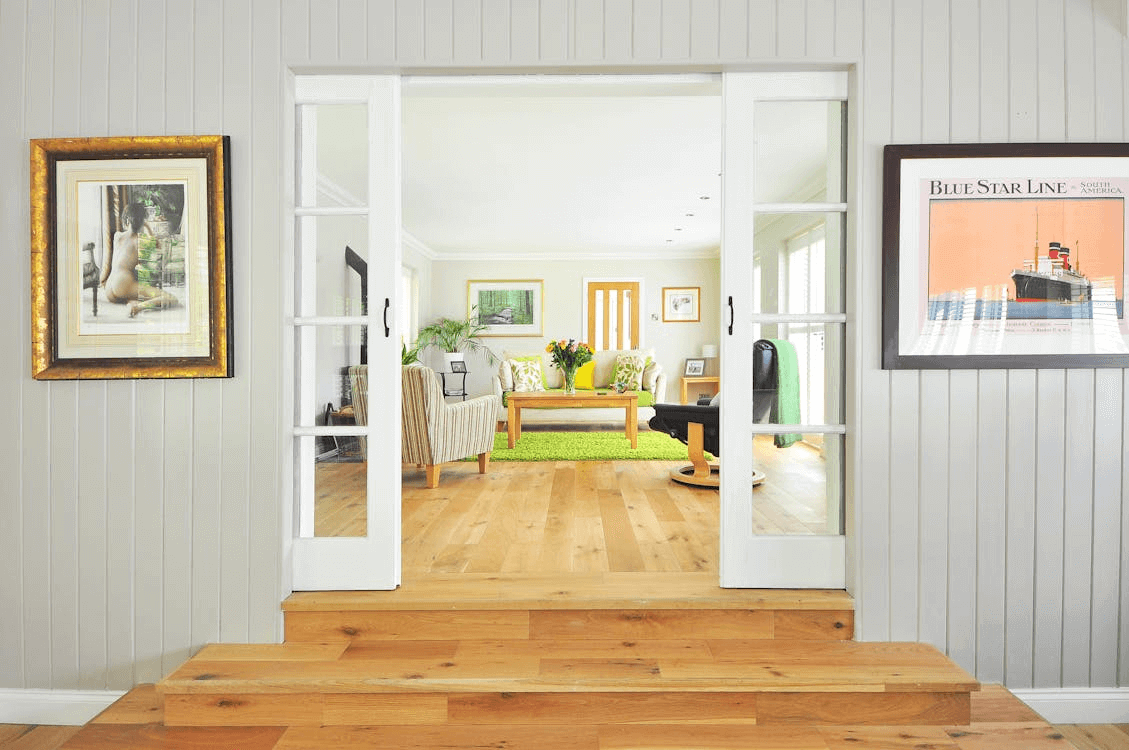
Open door revealing living room and dining room hardwood floors

Time to Choose Your Flooring

Visit a showroom before buying anything online. Photos lie about color and texture. Bring paint samples and fabric swatches from your home. Check how everything looks together under store lights and natural light.

Most places let you take home sample planks. Live with them for a few days. Look at them in morning light and evening light. Make sure you actually like them before ordering 1000 square feet.

Budget for both materials and installation. Cheap floors installed poorly look worse than good floors installed right. Your floors support your furniture, your family, and your daily life. They deserve a real investment.

Homeowner’s Guide to Flooring Styles & Maintenance

0 · Mar 10, 2025 · Leave a Comment

Your floors do more than just provide a surface to walk on—they set the mood, define the style, and bring warmth to your home. But with so many flooring styles to choose from, how do you decide?

Whether you crave the timeless charm of hardwood, the sleek appeal of tile, or the budget-friendly convenience of laminate, choosing the right flooring makes all the difference. And once you’ve made your choice, how do you keep your floors looking beautiful for years to come?

Let’s look at some of the most popular flooring styles, their materials, and the best ways to maintain them.

The Different Flooring Styles for the Home

Classic & Durable: Hardwood Flooring

Few things say “home” like the rich warmth of hardwood floors. Whether you prefer the golden tones of oak, the deep hues of walnut, or the subtle elegance of maple, hardwood adds character and value to your space. Plus, if you’re up for a DIY challenge, installing prefinished hardwood can be a weekend project with lasting rewards!

Advantages:

  • Timeless aesthetic that never goes out of style

  • Increases home value

  • Can last for generations with proper care

Maintenance Tips:
Sweep or vacuum regularly to prevent scratches from dirt and debris
Use a damp (not wet) mop with a wood-safe cleaner
Refinish every 7-10 years to maintain its luster

Fun fact: Some historic homes still have their original hardwood floors from over a century ago!

 If you’re searching for high-quality hardwood flooring in St. Charles, MO, or San Antonio, TX, you’ll find plenty of options that blend durability with style.

Flooring Styles

Budget-Friendly & Stylish: Laminate Flooring

Love the look of hardwood but not the price? Laminate flooring mimics wood and stone beautifully while being more affordable and scratch-resistant. It’s also DIY-friendly, making it a great option for homeowners who love hands-on projects.

Advantages:

  • Affordable alternative to hardwood

  • Scratch and fade-resistant

  • Simple click-lock installation—perfect for a DIY weekend project!

Maintenance Tips:
Clean spills immediately to prevent warping
Use a microfiber mop and laminate-safe cleaner
Avoid excessive water, as laminate isn’t fully waterproof

Did you know? Laminate flooring can be up to 50% cheaper than hardwood while delivering a similar aesthetic!

Waterproof & Versatile: Vinyl Flooring

Vinyl flooring has come a long way! With options like Luxury Vinyl Planks (LVP) and Luxury Vinyl Tiles (LVT), you can enjoy the look of wood, stone, or tile with added durability and waterproof protection—perfect for high-moisture areas like kitchens and bathrooms.

Advantages:

  • 100% waterproof

  • Soft underfoot and comfortable

  • Available in endless styles and textures

Maintenance Tips:

Sweep daily and mop weekly with a mild cleaner
Avoid abrasive scrubbing pads
Use furniture pads to prevent dents

Market trends: Vinyl flooring is booming, with an estimated market value of $66.94 billion by 2032!

Elegant & Easy to Clean: Tile Flooring

One of the most sought-after flooring styles is tiled. Tile flooring, whether ceramic, porcelain, or natural stone, is both stylish and practical. Ideal for high-traffic and moisture-prone areas, tiles come in endless designs, making them a favorite for kitchens, bathrooms, and entryways. DIYers can tackle a tiling project with the right tools and patience!

Advantages:

  • Water-resistant and easy to clean

  • Durable for high-traffic areas

  • Available in endless designs and patterns

Maintenance Tips:
Sweep or vacuum frequently to prevent dirt buildup
Clean grout lines with a baking soda and water paste
Seal natural stone tiles to prevent staining

Insider tip: Porcelain tiles are denser and more durable than ceramic, making them a fantastic option for busy households.

Cozy & Comfortable: Carpet Flooring

Nothing beats the plush comfort of carpet underfoot. Ideal for bedrooms and living spaces, carpeted flooring styles add warmth, reduces noise, and comes in endless textures and colors. DIYers can even install carpet tiles for a quick, customizable solution!

Advantages:

  • Soft and cozy for bare feet

  • Excellent noise reduction

  • Available in stain-resistant options

Maintenance Tips:
Vacuum at least twice a week
Deep clean every 6-12 months to remove embedded dirt
Treat spills immediately to prevent stains

Did you know? Carpet can improve indoor air quality by trapping dust and allergens—just be sure to clean it regularly!

Carpet flooring

Sustainable & Stylish: Bamboo Flooring

For the eco-conscious homeowner, bamboo flooring is a dream. Out of these flooring styles, bamboo is the most sustainable option. It grows back quickly and is harder than most traditional hardwoods, making it both durable and environmentally friendly. If you’re feeling ambitious, floating bamboo floors make for a fantastic DIY install!

Advantages:

  • Eco-friendly and rapidly renewable

  • Modern and stylish aesthetic

  • Harder than most traditional hardwoods

Maintenance Tips:
Use a soft-bristle broom to remove dirt
Avoid excess moisture and wipe up spills promptly
Refinish as needed to restore its shine

Green living: Bamboo grows up to 30 times faster than hardwood trees, making it one of the most sustainable flooring choices!

Soft & Sound-Absorbing: Cork Flooring

Cork flooring is soft underfoot, naturally antimicrobial, and excellent at reducing noise—perfect for bedrooms, playrooms, and home offices. DIY-friendly installation makes cork a fantastic home improvement project!

Advantages:

  • Naturally antimicrobial (great for allergy sufferers!)

  • Absorbs sound for a quieter home

  • Comfortable and warm underfoot

Maintenance Tips:
Sweep or vacuum regularly
Keep it dry—cork is water-resistant but not waterproof
Reseal every few years to maintain durability

Long-lasting choice: With proper care, cork flooring can last over 40 years!

Compare Flooring Styles Before Choosing the Right One for Your Home

With so many flooring styles available, choosing the right flooring depends on your lifestyle, budget, and design preferences. Whether you lean toward the elegance of hardwood, the practicality of vinyl, or the cozy appeal of carpet, there’s a perfect flooring solution for every home.

The secret to long-lasting beauty? Proper maintenance! Follow these simple care tips, and your floors will stay stunning for years to come.

Which of the above flooring styles do you like best? Which ones do you like least and why? Do you have an experience with these kinds of floors? What kind of flooring do you have at your home? Let us know in the comments!

Primary Sidebar

Heather from Whipperberry
Hello... my name is Heather and I'm the creator of WhipperBerry a creative lifestyle blog packed full of great recipes and creative ideas for your home and family. I find I am happiest when I'm living a creative life and I love to share what I've been up to along the way... Come explore, my hope is that you'll leave inspired!

Footer

  • Privacy Policy
  • Crafts
  • Food
  • Gifts
  • Holidays
  • Home
  • Mom Life
  • Recipes
  • Travel

Copyright © 2026 · Seasoned Pro