• Skip to primary navigation
  • Skip to main content
  • Skip to primary sidebar
  • Skip to footer

Whipperberry

WhipperBerry • Your Home For Creative Inspiration

  • Home
  • Recipes
    • Starters
    • Easy Weeknight Dinners
    • Main Dish
    • Salads
    • Side Dish
    • Soups & Stews
    • Desserts
    • Breakfast
    • Miscellaneous
  • Tutorials
    • Creative Crafts
    • DIY Decor
    • Fabric Crafts
    • Food How-To
    • Jewlery
    • Paint Projects
    • Paper Art
    • Party Styling
    • Photography and Graphic Design
    • Silhouette
  • Holidays
    • Easter
    • Mother’s Day
    • Father’s Day
    • 4th of July
    • Halloween
    • Thanksgiving
    • Christmas
    • Valentine’s Day
  • Gift Ideas
    • Gifts For Everyone
    • Gifts for Dad
    • Mother’s day
    • For The Girls
    • For The Kids
    • Teacher Gift Ideas
    • Christmas
  • Printables
    • Holiday
    • Gift Idea
    • LDS Primary
  • Travel
  • About
    • Terms
  • Contact
  • Nav Social Menu

    • Facebook
    • Instagram
    • Pinterest
    • RSS
    • Twitter

home renovation

Choosing the Right Door Hardware for Your Home Makeover

0 · Nov 7, 2025 · Leave a Comment

Door hardware often gets overlooked, yet it plays a crucial role in both the appearance and feel of a home. The right handles, hinges, and locks don’t just serve a function; they complete a design narrative. A well-chosen doorknob or lever can subtly modernize a traditional home or reinforce the clean minimalism of a contemporary one.

In home makeovers, small details have big visual power. Changing out outdated or mismatched hardware is one of the simplest ways to update interiors without the need for renovation. It’s an affordable transformation that refreshes doors, trims, and even the mood of each space.

Exploring the Main Types of Door Hardware

Before diving into style, it helps to understand the range of door hardware used throughout the home. Each serves a unique purpose, and knowing how they function can make shopping more straightforward.

1. Passage hardware is used on interior doors that don’t need locking, such as hallways, closets, or laundry rooms. These are typically lever or knob sets without keys.

2. Privacy hardware works best for bedrooms and bathrooms, featuring a locking mechanism operated from inside. Most models include an emergency release on the exterior for safety.

3. Keyed entry sets are common for front and back doors. They combine security and design, often featuring deadbolts or smart lock options.

4. Dummy knobs or levers provide symmetry on doors that don’t latch, such as double closet doors or decorative panels.

By exploring a thoughtfully curated selection of door hardware components, homeowners can easily find durable and stylish parts for residential doors that perfectly balance lasting quality with cohesive design throughout their home.

door hardware

Finishes That Define the Mood

Finish isn’t just about color; it shapes how light interacts with the surface. A glossy chrome finish bounces light and feels crisp, while a matte finish absorbs it for a softer impression. The key is consistency. Using one or two finishes throughout the home ties the design together without feeling repetitive.

Common finish options include:

  • Polished chrome for a sleek, reflective look that suits contemporary bathrooms and kitchens
  • Brushed nickel for a subdued, versatile tone that hides fingerprints well
  • Matte black for bold contrast, particularly effective against white or light-colored doors.
  • Satin brass for understated luxury with a soft golden hue that warms neutral spaces
  • Oil-rubbed bronze for depth and a vintage patina that evolves over time.

Mixing finishes intentionally can work when it follows a clear theme, such as pairing matte black door levers with brass lighting in a modern-industrial space. But for most homeowners, continuity creates a polished, unified feel.

Matching Hardware Style to Your Home Design

Every architectural style has a language, and hardware should speak it fluently. SSelecting hardware that matches your home’s personality
maintains visual flow and prevents design clashes, added ukoakdoors.co.uk, who are crafting superior-quality interior and external oak doors.

For modern interiors, sleek levers with square or rounded edges in matte black or polished chrome keep lines clean and purposeful. These finishes pair well with luxurious materials often seen in modern spaces.

For farmhouse or rustic styles, oil-rubbed bronze and antique brass add warmth. Hardware with visible screws or textured grips gives a handcrafted feel that complements wood beams and reclaimed materials.

For classic or transitional homes, brushed nickel and satin brass deliver timeless appeal. Rounded knobs and subtly detailed rosettes strike a balance between traditional and updated aesthetics.

For coastal or minimalist themes, white, brushed stainless, or unlacquered brass provide a light, effortless tone that works well with natural light and airy color palettes.

Adding Smart and Secure Features

Homeowners increasingly blend design with technology to improve convenience and security. Modern door hardware now integrates digital features that stay stylish.

  • Smart locks can be unlocked with mobile apps, keypads, or fingerprints while keeping traditional key access as backup
  • Rekeyable systems allow quick reconfiguration without replacing the lock entirely
  • Door sensors and alarms can connect with home security systems, offering extra assurance when away
  • High-grade deadbolts enhance front and back door protection while maintaining aesthetic appeal

Integrating smart home systems discreetly preserves a home’s visual character while supporting safety and ease of use.

Internal Harmony With a Design Plan

Interior designers often advise treating hardware selection as part of a broader design plan rather than an afterthought. Start by identifying the look and mood you want each space to convey, then narrow down options by finish, shape, and function.

When renovating multiple rooms, consider the sightlines between spaces. The hardware seen from one room to another should complement each other, creating visual continuity. Repetition reinforces style, while subtle variation adds personality.
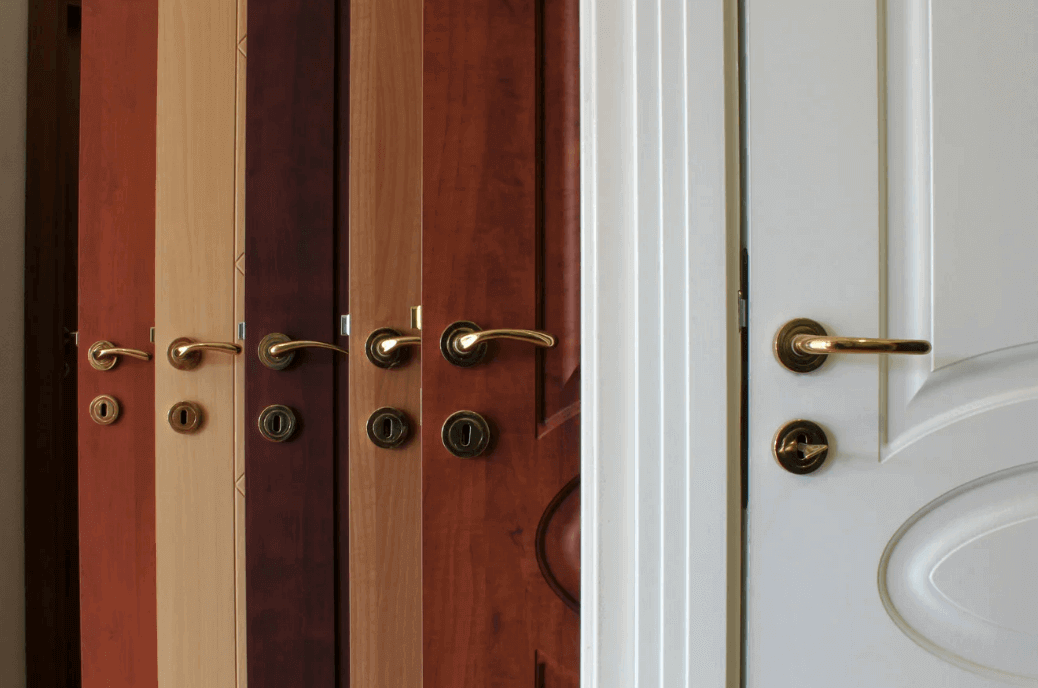
right door hardware

Bringing It All Together With Door Hardware

Choosing door hardware goes beyond aesthetics; it is about crafting an experience. Each handle and hinge should complement your home’s personality while performing flawlessly over time. With thoughtful coordination of finish, style, and function, you can achieve a consistent and inviting look that ties every room together.

How to Prepare Your Property for a Major Home Renovation

0 · Sep 10, 2025 · Leave a Comment

Planning a big home renovation can be exciting, but without proper preparation, the process can quickly turn stressful. From budgeting and design decisions to waste removal and landscaping, numerous factors must be considered. The good news is that with the right approach, you can create a smooth experience that minimizes disruptions while ensuring your home upgrade is a success.

This guide will walk you through the key steps in preparing your property for a significant renovation, including debris management, protecting your landscaping, and addressing long-term maintenance needs.

major home renovation

Step 1: Plan for Clean-Up and Waste Removal

One of the first things to think about when preparing for renovations is how you’ll manage waste. Even small remodeling projects generate a surprising amount of debris—broken tiles, drywall scraps, old fixtures, and packing materials. If you don’t plan, your property can quickly become cluttered, unsafe, and difficult for contractors to work in.

That’s why many homeowners choose professional disposal options (eg. Dumpster Rental Toronto) . Having a dedicated container on-site keeps your work area organized, ensures the safe disposal of materials, and saves you from making countless trips to the landfill. Planning this step in advance helps streamline your project and avoid unnecessary delays.

Step 2: Protect Your Outdoor Areas

Renovations don’t only affect the inside of your house—they can also take a toll on your outdoor spaces. Heavy equipment, foot traffic, and construction materials can damage your lawn, garden beds, or driveway if precautions aren’t taken.

Before the work begins, move outdoor furniture and cover delicate plants. If contractors will be using your yard for staging materials, lay down plywood or protective mats to prevent compacting the soil or damaging the grass. Plan for durable driveway sealing to guard against stains, cracks, and heavy construction traffic. For large-scale projects, consider fencing off specific areas to keep pets and children safe during the construction process.

When the renovation involves exterior facades or decorative garden walls, it helps to choose materials that can handle outdoor conditions. For example I-XL manufactures cultured stone products that provide the look of natural stone but are lighter and often easier to install, which makes them a practical option compared to full-thickness stone or brick in high-traffic construction zones.

Using manageable materials like these also reduces the risk of damage when workers are moving tools, scaffolding, or protective boards around your yard.And don’t forget to protect yourself and your renovation team by grabbing safety gear and PPE from the Safety Source.

preparing for major home renovation

Step 3: Evaluate Drainage and Soil Conditions

When a renovation involves additions, new patios, or landscaping adjustments, your property’s drainage system becomes an important consideration. Improper grading can cause water to collect near the foundation, increasing the risk of leaks and long-term structural issues.

A simple yet effective strategy is learning about grading soil to redirect water away from your home. By using the right soil type and slope, you can protect your foundation and improve the overall health of your yard. Addressing drainage early in the planning phase can save you from costly repairs in the future.

Step 4: Budget Realistically for the Entire Project

Even the best renovation plans can go over budget if you don’t anticipate hidden costs. Beyond materials and labor, you may need to account for permits, temporary accommodations, or landscaping repairs once construction is complete.

For those planning accessibility upgrades, factoring in home elevator costs early is a smart move, as adding a residential elevator can significantly improve long-term comfort and property value when budgeted for upfront. Additionally, setting aside at least 10-15% of your budget for unexpected expenses will help you stay financially prepared.

It’s also smart to request detailed estimates from multiple contractors before making a final decision. Compare not just the price, but also the scope of services, timelines, and warranties offered. A slightly higher upfront cost may pay off in quality and fewer complications later on.

Step 5: Create a Temporary Living Plan

Depending on the scale of your renovation, parts of your home may become unusable for weeks or even months. If your kitchen is under construction, you’ll need a temporary setup for cooking and dining. For bathroom remodels, arranging alternative facilities is essential.

Families with children or pets should carefully consider the potential noise, dust, and safety hazards associated with this location. In some cases, it may be easier to stay with relatives or rent temporary accommodations until the work is finished. Discuss timelines with your contractor to make an informed decision about what will be most comfortable and practical for your household.

Step 6: Communicate Clearly with Contractors

A renovation is a collaboration between you and the professionals you hire. Clear communication prevents misunderstandings and ensures your vision is carried out effectively. Schedule regular check-ins, ask for progress updates, and don’t hesitate to raise questions if something seems unclear.

It also helps to keep a project binder or digital folder with contracts, receipts, schedules, and notes. This level of organization enables easier tracking of progress, effective cost management, and prompt resolution of any issues.

major home renovation planning

Step 7: Inspect and Finalize the Work

As the renovation nears completion, take a moment to review the results. Walk through with your contractor to identify any issues, from uneven paint lines and flooring, to missing hardware. Most contractors anticipate a “punch list” at the end of a project—a checklist of final touch-ups needed before completion.

Don’t forget to verify that all necessary permits have been obtained and that warranties for appliances or installations are adequately documented. These details will protect your investment and give you peace of mind moving forward.

Conclusion

Preparing your home for a significant renovation may seem overwhelming, but taking the time to plan each step makes the process far smoother. From setting up efficient waste removal and protecting your outdoor spaces to ensuring proper soil grading and budgeting realistically, preparation is the key to success.

With thoughtful planning and open communication, your renovation can be a rewarding investment that enhances both your home’s value and your everyday lifestyle.

The Creative Mom’s Guide to Planning a Home Renovation That Gets Done

0 · Jul 8, 2025 · Leave a Comment

Planning a home renovation? Somewhere between hot glue guns and Pinterest boards, a quick “weekend project” can snowball into a living room full of power tools and zero dinner table. Creative moms know this struggle far too well. Big ideas come to life overnight, but seeing them through to completion is a different matter entirely.

Although it can be difficult, it is not impossible to renovate a true, finished area that doesn’t appear hurriedly done. This is a no-holds-barred guide to making your renovation a reality. This method minimizes the damage and preserves your sanity by teaching you when to call in backup and a few handy do-it-yourself shortcuts.

Recognize When to Have Reinforcements

Some tasks just aren’t worth the stress. When a renovation crosses into the land of tricky wiring or walls that might hide more problems than they fix, it’s smart to call licensed house remodeling contractors to do it right. They are familiar with building codes and handle permits. They also help you dodge expensive surprises. Licensed contractors also take care of the plumbing and electrical work, so you can focus on picking the paint colors and adding your unique touches.

A clever call for backup doesn’t make you any less of an artist. It just means you’re wise enough to know when your time and budget are better spent elsewhere. It also lessens the risk of acquiring unnecessary injury.

planning a home renovation

Photo by Roselyn Tirado from Unsplash

Sketch It Like a Pro — But Keep It Real

Every creative mom has a sketchbook, notebook, or napkin filled with doodles of future dream rooms. But sketches won’t swing a hammer for you. The secret? Make your plan as real as your vision board.

Start with the basics: measure twice, record once, and store your measurements safely. Design a mood board featuring your chosen colors, materials. Add important components, whether created digitally or crafted by hand. Don’t chase perfection here. The goal is to see how your ideas fit together and spot any clashing dreams before they become pricey regrets.

Next, budget for reality. Add 15% extra for the unexpected, as something will likely arise. It always does. And built-in time cushions, too. If you think it’ll take two weekends, plan for three.

Finally, share your plan with everyone involved, from family to any pros you hire. A clear plan saves money, time, and those “Oops, didn’t think of that” moments at 6:00 p.m. when the hardware store is about to close.

Hack Your Renovation — Smart DIY Tricks That Work

Creative mothers love a clever shortcut, and it’s a bonus if this keeps the budget tight and stress levels low.

Experiment with peel-and-stick tiles. This will give a kitchen or bathroom an instant uplift. They’re easy to work with and are quite durable. You might be able to complete the task in one afternoon.

Before buying new, take a look around the house. That dusty old dresser in the garage? Sand it and paint it, and it could be the ideal bathroom vanity with a little more charm than something you can buy in a store.

Resist the urge to apply paint to every wall simultaneously. Focus on an accent wall or cabinets. Small, manageable paint jobs keep motivation up and mess down.

Basics are necessary for even minor do-it-yourself victories. Avoid the power tools unless you are trained for this. Use goggles and ensure the room is well-ventilated. There’s no use for a Pinterest-perfect room if you end up with an injury.

Little hacks like these let you stretch your budget, sprinkle in personal touches, and feel the thrill of doing it yourself — all without biting off more than you can chew.

Keep the Peace at Home

Renovation is already messy, but renovating with animals and children in the house? That’s a special kind of circus.

Create a “renovation-free zone” — a clean, quiet space where kids can play without stepping on nails or tripping over tools. Maybe it’s the playroom. Perhaps it’s grandma’s house for a weekend. Either way, a haven keeps the family sane when dust starts flying.

Stick to your usual schedule. The table in the dining room might be draped with drop cloths but then meals and homework still need to take place. When the kitchen is unavailable, you can preserve your sanity by ordering takeout snacks. You may also opt to use a crockpot and use disposable plates.

Talk with your family and the crew. Set work hours to keep kids from rushing down the half-tiled hallway in the morning. Check in daily to spot issues early and avoid surprises.

The solution is to prepare for chaos and plan for disorder while ensuring your family’s need for stability.

home renovation tips

Photo by Jessica Hearn from Unsplash

Finish What You Start — Even When Life Happens

Projects that drag on for months drain more than your bank account. They sap your creative enthusiasm and initial enjoyment. So, when life presents you with a curveball, how do you get back on track?

Break the big project into smaller tasks. Instead of overhauling the entire kitchen at once, aim to finish the cabinets by Friday. Next week, focus on the backsplash and then consider tackling the floors afterward. Each small win will recharge you.

Celebrate those victories, as well. Have you finished the trim? Order pizza to celebrate. Finally, you painted that last stubborn corner? On the freshly cleaned couch, have a movie night. It becomes less of a chore and more of a family experience when progress is rewarded.

When you’re starting to run out of steam, take a break and think about your “why.” A clear purpose maintains the momentum when you just want to slam shut that half-tiled bathroom.

Crazy dreams come to life, one completed piece at a time.

Final Words on Planning a Home Renovation

Ultimately, having unlimited resources or advanced technology isn’t the key to effective change. What matters is a genuine strategy, perseverance, and a readiness to ask for help when needed.

Creative mothers already possess the tools to create chaos out of magic. Let’s harness that magic and create a finished, working, and totally customized home.

Upgrading Your Home: 7 Key Traits to Look for in a Handyman

0 · May 28, 2025 · Leave a Comment

Thinking of upgrading your home but not sure who to trust with the work? Any friend of yours might suggest checking on Google for nearby professionals. You searched for it only to feel overwhelmed by the options?

If the above situations are relatable, then you may juggle with a lot of nuances at the moment. However, you should know that you’re not alone. Every mindful owner who’s thinking of a home refresh has to face similar circumstances.

But as they say, “Focus on solutions instead of problems.” So, how do you differentiate the good handymen from the crowded market all over? Well, don’t worry! This article will help you make a good choice by stating which qualities you should consider when going on a hunt for experts!

1. Wide Range of Skills

When there is a lot of chaos or factors start affecting the home, only then does a common homeowner think of an upgrade. So, it goes without saying that you have multiple duties for the experts to perform, like:

  • Fixing drywall and hanging doors,
  • Replacing fixtures,
  • Interior painting,
  • Faucet replacement,
  • Basic plumbing repair,
  • Basic Electrical work, and more.

For all of them, you want someone who can confidently handle a multiplicity of tasks efficiently. As, in turn, it saves time and money if the handyman can switch from fixing a cabinet to mounting your new flat-screen TV. That, too, all in one visit.

So, when speaking with a potential hire or searching on Google, like “Handyman near me,” see their full range of services. Reputable professionals provide a broad skill set and are transparent about what they do best.

Traits to Look for in a Handyman

2. Strong Communication

Nothing’s worse than waiting days for a return call. Or having someone show up late without notice. In short, this type of work demands clear and professional communication.

So, before finalizing any handymen, check their reliability. To differentiate from the rest, the professionals will always follow the standard norms, like:

  • Responding promptly,
  • Explaining the work clearly,
  • Offer timelines,
  • Providing estimates in writing.

Moreover, they listen to the client’s ideas as well as concerns. The crux is that great communication shows respect for your time. Plus, it ensures fewer misunderstandings throughout your home project.

3. Attention to Detail

It’s the little things that separate a good expert from others. For example, the experts look for very fine details, like:

  • Does the paint job have clean lines?
  • Are the shelves on the proper level?
  • Is the caulking neat?

Still, if they face any such situations, they take steps to rectify them. They make sure that upgrades in your home feel polished and complete. All in all, a skilled handyman double-checks their work and treats your home as if it were their own.

Tip: When researching, check online reviews and photos of past projects to get a sense of their craftsmanship.

4. Punctuality and Reliability

Time is valuable. A professional handyman should:

  • Show up when promised,
  • Complete the work on schedule,
  • Stick to agreed deadlines.

If a delay happens (because sometimes it does), they’ll communicate it clearly in advance. All in all, consistency builds trust.

5. Proper Licensing and Insurance

No matter how simple a task may seem, always make sure the professionals are properly licensed and insured. This protects both you and them if something goes wrong during the project.

Professional handymen understand the risks involved in home improvement and will gladly show proof of insurance or licensing when asked. It’s a sign of their professionalism level and gives you peace of mind.

6. Positive Local Reputation

Word of mouth still matters. Be it through online reviews, social media, or neighbors’ recommendations. A good handyman will have a track record of satisfied customers.

That’s why you should check online for their reviews. Look for comments about quality, punctuality, and professionalism. Even better—ask friends or family in your area if they’ve worked with someone you trust.

Upgrading Your Home with the Help of a Handyman

7. Problem-Solving Skills

Upgrading your home isn’t always straightforward. Sometimes, once a wall is opened or an appliance is removed, you discover unexpected issues.

A skilled handyman won’t panic in such situations or leave the job unfinished. Instead, they’ll do the following:

  • Calmly explain the situation,
  • Suggest solutions,
  • Adapt to changing circumstances without cutting corners.

Good problem-solvers stay calm under pressure and always aim to find the best fix for your home and budget.

Final Thoughts

Home upgrades should feel exciting, not stressful. When you hire an expert with the right traits, the entire experience becomes smoother and safer.

So, next time you search for a handyman, keep these seven key traits in mind. It’s not just about finding someone with tools. Rather, it’s someone with integrity, skill, and a true passion for improving homes.

  • Page 1
  • Page 2
  • Go to Next Page »

Primary Sidebar

Heather from Whipperberry
Hello... my name is Heather and I'm the creator of WhipperBerry a creative lifestyle blog packed full of great recipes and creative ideas for your home and family. I find I am happiest when I'm living a creative life and I love to share what I've been up to along the way... Come explore, my hope is that you'll leave inspired!

Footer

  • Privacy Policy
  • Crafts
  • Food
  • Gifts
  • Holidays
  • Home
  • Mom Life
  • Recipes
  • Travel

Copyright © 2026 · Seasoned Pro