• Skip to primary navigation
  • Skip to main content
  • Skip to primary sidebar
  • Skip to footer

Whipperberry

WhipperBerry • Your Home For Creative Inspiration

  • Home
  • Recipes
    • Starters
    • Easy Weeknight Dinners
    • Main Dish
    • Salads
    • Side Dish
    • Soups & Stews
    • Desserts
    • Breakfast
    • Miscellaneous
  • Tutorials
    • Creative Crafts
    • DIY Decor
    • Fabric Crafts
    • Food How-To
    • Jewlery
    • Paint Projects
    • Paper Art
    • Party Styling
    • Photography and Graphic Design
    • Silhouette
  • Holidays
    • Easter
    • Mother’s Day
    • Father’s Day
    • 4th of July
    • Halloween
    • Thanksgiving
    • Christmas
    • Valentine’s Day
  • Gift Ideas
    • Gifts For Everyone
    • Gifts for Dad
    • Mother’s day
    • For The Girls
    • For The Kids
    • Teacher Gift Ideas
    • Christmas
  • Printables
    • Holiday
    • Gift Idea
    • LDS Primary
  • Travel
  • About
    • Terms
  • Contact
  • Nav Social Menu

    • Facebook
    • Instagram
    • Pinterest
    • RSS
    • Twitter

moving house

What DIY Tips Make a Long-Distance Move Easier in 2026?

0 · Apr 13, 2026 · Leave a Comment

A cross-country move can feel like the biggest project you have ever tackled. Between sorting a houseful of belongings, coordinating logistics, and setting up a brand new space, the to-do list grows faster than you can check things off.
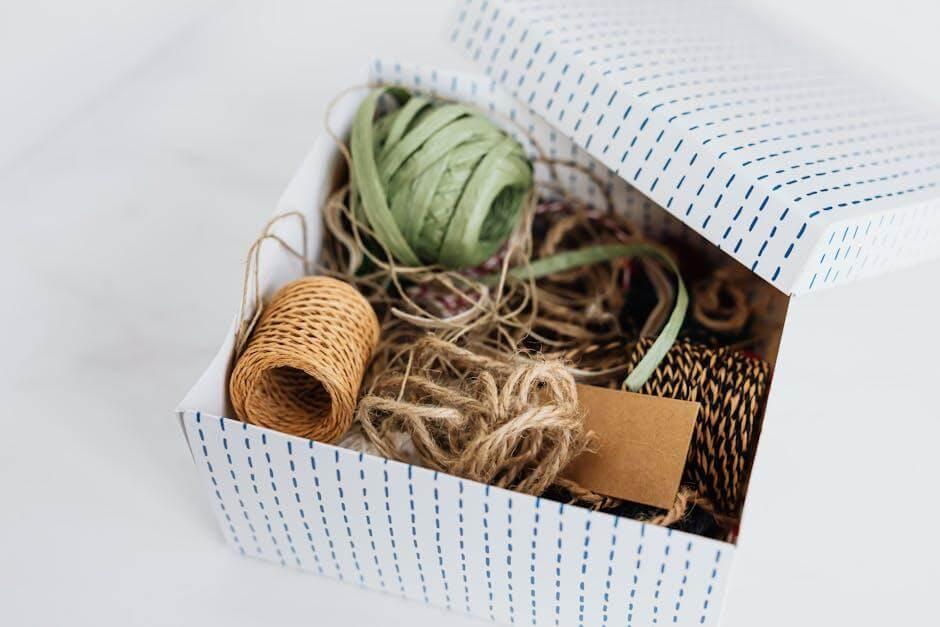
Box of yarn and twine, useful for

The good news is that a creative, hands-on approach saves money and makes the process more enjoyable. Hiring reliable long distance movers for the heavy transport frees you up to focus on the parts you can handle yourself: smart packing, budget-friendly prep, and turning your new house into a home with personal touches.

How Can You Pack Like a Pro Without Spending a Fortune?

The best packing jobs use materials you already have at home. Towels, t-shirts, and bed linens double as cushioning for fragile items. Socks make perfect protective sleeves for glasses and small vases.

Collect free boxes from grocery stores, liquor shops, and online buy-nothing groups four to six weeks before your move. Liquor store boxes are especially useful because the internal dividers protect bottles, jars, and other tall breakables. According to the Environmental Protection Agency, reusing packing materials keeps cardboard out of landfills while saving you money on supplies.

Label every box on at least two sides with the room name and a short contents list. Color-coded tape (one color per room) makes unloading faster because movers can sort boxes without reading every label. This one step saves hours of confusion on arrival day.

What Is the Smartest Way to Declutter Before a Move?

Moving is the perfect excuse to let go of things that no longer serve you. Here is a room-by-room approach that keeps it manageable.

  1. Start with the easiest rooms first: guest bedrooms, storage closets, and the garage. Quick wins build momentum.
  2. Use the four-box method in each room: keep, donate, sell, and toss. Every item goes into one of the four categories.
  3. Photograph sentimental items you do not want to keep physically. The memory lives in the photo without taking up truck space.
  4. List sellable items on Facebook Marketplace or a local buy-sell group at least three weeks before the move. Price to sell, not to profit.
  5. Schedule a donation pickup for larger items like furniture, clothing bags, and kitchen appliances you are replacing.
  6. Toss anything broken, expired, or missing parts. If you have not fixed it in a year, you will not fix it after the move either.

Every item you cut saves money on transport. Long-distance moving companies charge by weight, so a lighter load means a smaller bill.

What Budget-Friendly DIY Projects Should You Do Before Leaving?

A few small projects increase your home’s appeal whether you are selling, returning a rental, or simply leaving on good terms.

Fill nail holes with lightweight spackle and sand smooth once dry. A small tub of spackle and a putty knife cost under five dollars and take minutes per wall. Touch up paint scuffs with leftover paint from the garage. If you do not have matching paint, take a small chip to the hardware store for a color match.

Deep clean as you pack each room. Wiping down baseboards, vacuuming behind furniture, and cleaning window tracks is easier while rooms are half-empty. According to the American Cleaning Institute, a top-to-bottom deep clean adds perceived value whether a landlord is inspecting your deposit or a buyer is doing a final walkthrough.

What Are the Best DIY Projects for Settling Into a New Home?

Your new home needs personal touches to feel like yours. These high-impact, low-cost projects make a big difference fast.

  • Swap hardware: New cabinet pulls, drawer knobs, and door handles cost a few dollars each and take minutes to install. This one change updates an entire kitchen or bathroom instantly.
  • Paint an accent wall: One gallon of paint transforms a room in an afternoon. Choose a bold color for a focal wall in the living room or bedroom.
  • Install floating shelves: A few wooden shelves above a desk or in a hallway create display space for plants, photos, and decor. Basic brackets and boards cost under twenty dollars.
  • Create a gallery wall: Print favorite photos, frame them with affordable frames from a craft store, and arrange them in a cluster on one wall. This is the fastest way to make a new space feel personal.
  • Add window treatments: Replacing builder-grade blinds with curtain panels softens a room and adds color. Tension rods work in rentals where you cannot drill.
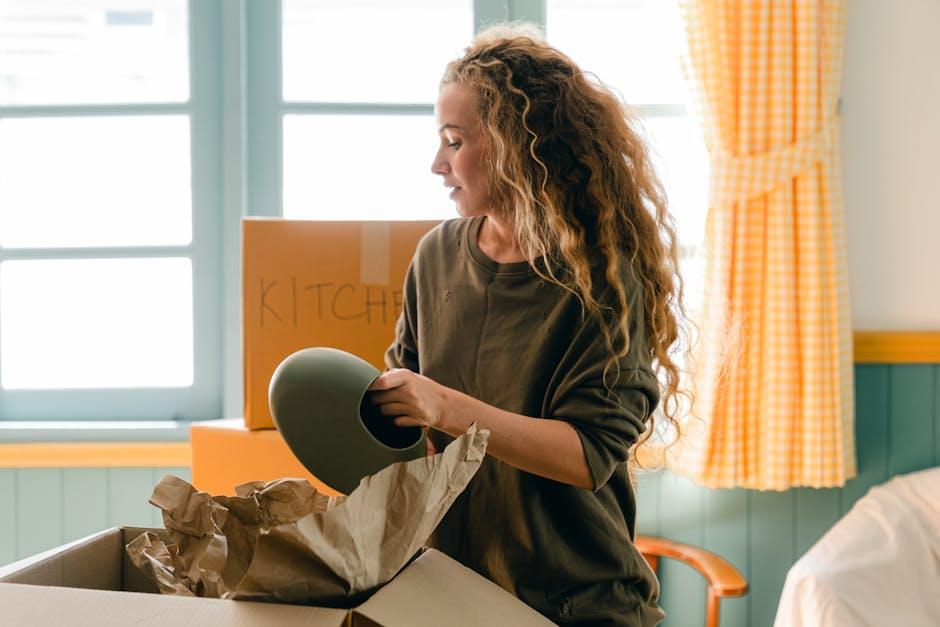
A family decorating and personalizing their new home after a long-distance move

Start with the rooms you use most: the kitchen, living room, and bedroom. Everything else can wait until you settle into your routine.

How Do You Stay Organized During the Entire Process?

Organization prevents the chaos that turns a manageable move into a stressful one. A simple binder or digital folder keeps everything in one place.

Create a moving timeline that starts eight weeks out with tasks assigned to each week. Print it and tape it to the refrigerator so everyone in the household can see what needs to happen and when. Include deadlines for utilities transfer, mail forwarding, and address changes.

Keep a separate folder for important documents: lease or mortgage papers, moving company contract, insurance policies, medical records, and school transfer forms. Pack this folder in your personal carry bag on moving day, not in a box on the truck.

According to the American Psychological Association, having a written plan reduces the anxiety that comes from feeling out of control during major life transitions. The act of writing tasks down and checking them off provides a sense of progress even when the bigger picture feels overwhelming.

Creative Mover’s Checklist

  • Use towels, linens, and clothing as free packing material for fragile items.
  • Collect free boxes from grocery and liquor stores four to six weeks before the move.
  • Declutter room by room using the four-box method: keep, donate, sell, toss.
  • Handle small home repairs (spackle, paint touch-ups, deep cleaning) as you pack each room.
  • Start DIY projects in your new home with hardware swaps, accent walls, and gallery walls.
  • Keep a written timeline and important documents folder accessible throughout the process.

Making It Yours

A long-distance move is one of the rare moments where you get a completely fresh start. The packing, the prep, and the projects that follow are all opportunities to be creative, intentional, and a little bit crafty about how you live. Enjoy the process as much as the destination.

FAQ

What is the cheapest way to pack for a long-distance move?

Use household items (towels, clothing, linens) as cushioning instead of buying bubble wrap. Collect free boxes from local stores. Buy packing tape in bulk from a hardware store rather than purchasing moving kits.

How far in advance should I start packing?

Start six to eight weeks before your move date. Pack non-essential rooms first (guest rooms, storage areas) and leave daily-use rooms for the final week.

What DIY project makes the biggest impact in a new home?

Fresh paint delivers the highest visual impact for the lowest cost. One accent wall or a full room repaint can completely change how a space feels for under fifty dollars in materials.

Should I sell furniture before a long-distance move?

Sell anything that is worn out, does not fit the new floor plan, or would cost more to ship than to replace. Large, heavy items like old sofas and dressers are often cheaper to replace than to move cross-country.
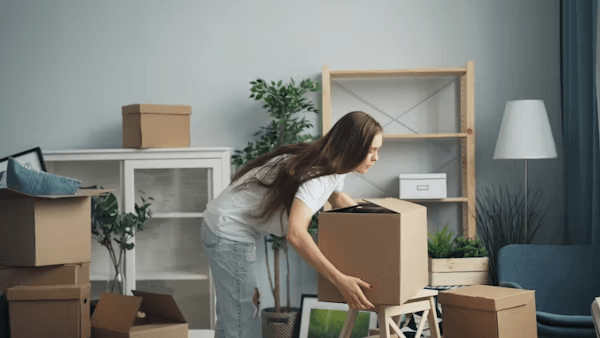
Packing Up Memories: Stress-Free Moving Tips for Families

0 · Jan 5, 2026 · Leave a Comment

Moving house is one of those rare life moments that you look forward to and possibly dread at the same time. On one hand, it marks the end of one chapter of your life. However, on the other hand, it represents the beginning of the next phase.

While this can be both an emotional and exciting time for many families, it also runs alongside the practical chaos of packing up boxes, managing schedules, and completing to-do lists. When children are involved, the process can be even more mentally taxing because everywhere you look, memories live in bedrooms, hallways, and backyards.

With that in mind, it’s not surprising that they say moving home is one of the hardest things you have to do in life. That said, with the right approach, families can make the move feel much calmer and organised.

In this post, we’ll explore some stress-free moving tips families can embrace as they move from one home to the next. Hopefully, they will make relocating a little bit easier for you.

Why Does Moving House Feel So Emotional for Families?

For many Aussie families, their homes are much more than just the buildings where they live. They are places that hold routines, milestones, and familiar comforts, which can also help them feel comfortable and secure.

Children, in particular, often form strong emotional connections to places because they associate them with safety and a sense of belonging. Adults can also feel this, especially when they’ve been in a home through significant life stages, such as getting married and starting a family.

A woman unpacking moving boxes in a living room

The emotional impact of moving house isn’t necessarily obvious at first. Instead, it can sometimes be a slow burner that affects people in different ways. For example, children might become withdrawn or unsettled. At the same time, adults can feel pressure to keep everything running smoothly, which often leaves them feeling a bit tense or snappy.

How to Prepare Children for a House Move

Some children do not like change. So, the best way to prepare yours for a house move is to start the process as early as possible. Kids cope better when they know what is going on and why it is happening. Therefore, try to have a few simple conversations with them to keep them in the loop.

It is also a good idea to get them to help you pack their room. At the same time, try to get them excited about moving to the new home. Good ways to do this are to take them to a viewing and get them familiar with the local area, in particular, parks, swimming pools, and playgrounds.

Ways To Make Moving Home Less Stressful

For any family moving home, there is plenty to organise. So, it pays to have a plan. Following these stress-free family moving tips with Muval is a good start. But here are some other things you can do.

1. Create a Moving Checklist

The first thing you should do is create a moving checklist. In other words, a timeline that outlines all the major tasks you need to work through. This is important because once you’ve written down what you need to do, it becomes easier to complete those tasks. You will also be able to keep track better of everything you have done.

After curating this list, it is a good idea to assign small tasks to each family member. This will ensure that the workload doesn’t fall entirely on you. For children, you can actually turn their tasks into a game and even incentivise them to do it by saying you’ll give them a treat afterwards.

2. Declutter

When you know you’re moving, it can be tempting to start packing everything you own right away into boxes. However, a better approach is to declutter first.

Moving house is always a good opportunity to reset and streamline your possessions. Therefore, take the time to go through every room in your house and divide your belongings into five categories. These could be:

  • Keep
  • Sell
  • Donate to charity
  • Recycle
  • Take it to the rubbish tip

By doing this, you will reduce the number of items that need to be packed, transported, and unpacked in your new home. Decluttering can also be very beneficial to your mental health.

3. Pack Strategically

For many families, packing is the most stressful part of the whole moving process. However, it pays to take a strategic approach.

To start with, you’ll need to gather all the necessary materials, including boxes, packing tape, bubble wrap, and void filler. Once you’ve got this, you might find it helpful to pack your stuff on a room-by-room basis.

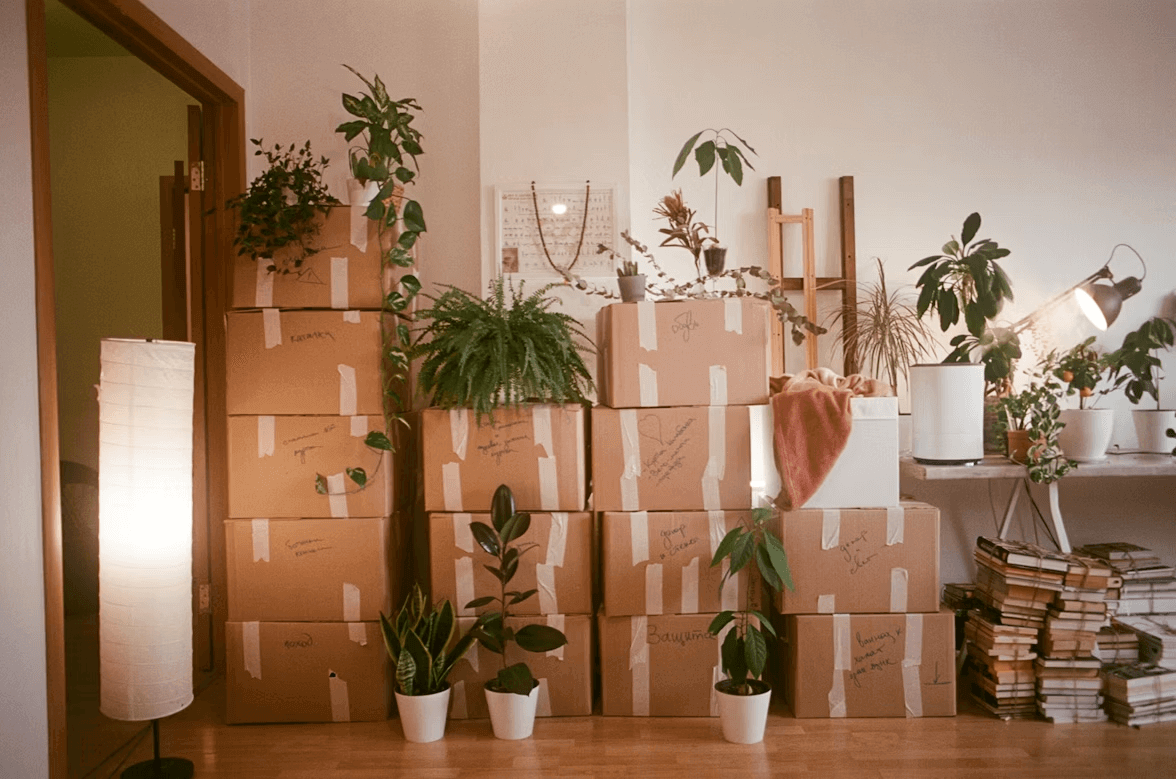
Room with boxes and plants for moving preparation

In doing this, you’ll retain a sense of organisation and control. Just make sure you label all your boxes with the name of the room they were packed in. This will make it easier to unpack when you arrive in your new home.

4. Pack a Moving Day Bag

Amid the chaos of moving day, many families forget to pack a box of essential items that they can easily access. Usually, this is taken with them in the car rather than in the moving truck. It is particularly important to do this if you are relocating long-distance and will need to stay somewhere overnight.

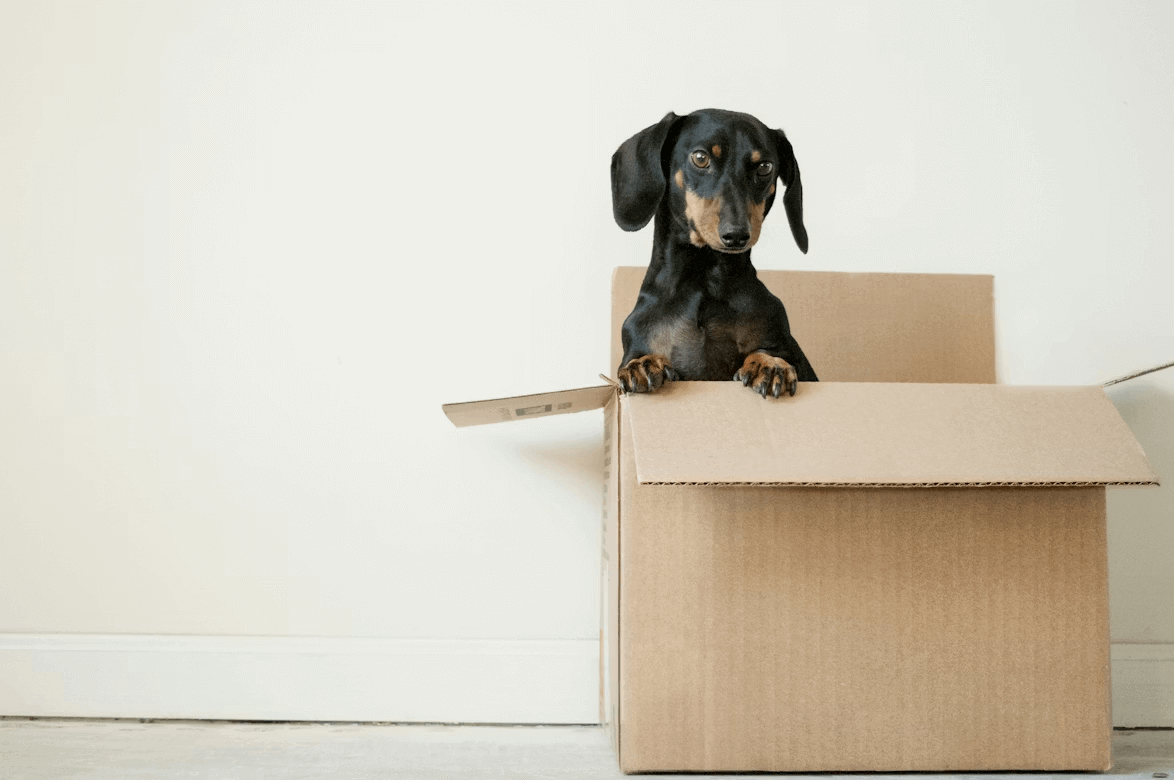
Black and brown dog on cardboard box during family moving

The essentials box should contain items you’ll need whilst in transit or for your first night in your new home. This may include:

  • Changes of clothes
  • Toiletries
  • Chargers
  • Comfort items (especially for small children)
  • Books or toys
  • Snacks

The last thing you’ll want is to not be able to recharge your phone or change into a new set of clothes because you packed everything in the truck.

5. Settle Into Your New Home Quickly

Moving home can be a real upheaval. So, when you land in your property, a wise thing to do is to try to settle into it as quickly as possible.

Many experts suggest setting up the kitchen first, followed by the family’s main bedrooms. Once you’ve done this, you will all have somewhere to make meals, relax and sleep in.

You might want to order an Uber Eats delivery for your first night in the house, or have a prepared meal you can heat up. At the same time, regardless of how much packing you have to do, make sure you take time out from unpacking to relax with your partner and the kids.

The sooner you start treating your new place like a family home, the quicker everyone will settle into it. Here are some other ways to make a new home feel familiar.

Organizing Your Home After a Move: Rethinking Shared and Private Family Spaces

0 · Aug 22, 2025 · Leave a Comment

When a family decides to move, it often sparks more change than just an address update. A new house opens the door to fresh patterns of living, different room dynamics, and a chance to decide how family spaces will be used moving forward. Boxes may hold belongings, but the real shift comes in how people settle into the layout and define areas for comfort, privacy, and connection.

Relocating across South Florida is a good example of this transition. Families discover that the climate, house design, and neighborhood layout shape how daily life unfolds. Moving into a home that looks different from the last one often creates new opportunities to rethink which areas become private retreats and which are meant for gathering.

Starting with the Right Help

The first days of moving often set the tone for how the transition will feel. Managing heavy furniture, organizing boxes, and coordinating timelines can put a lot of weight on families, and that energy carries over into how they view their new home. Support during the move allows people to focus less on the logistics and more on what the new house can represent. With help in place, families can begin shaping their environment without exhaustion taking over.

Professional support can make this process incredibly smooth. For example, Bekins of South Florida has become a trusted option for many families because they handle the practical side of moving while people focus on adjusting to a new lifestyle. Having a team take on the physical side of the move helps families begin their experience positively, setting them up to view their new home with a sense of readiness rather than fatigue.

family unpacking boxes

Bedrooms as Markers of Privacy

Bedrooms quickly reveal how a family defines privacy. In a new house, deciding who gets which room often highlights personal needs and preferences. Some may want a quiet corner, while others prefer being closer to central activity. Assigning bedrooms means carving out personal ownership within a shared household.

Once those choices are made, bedrooms often take on the role of sanctuary. Decorating, arranging furniture, and personalizing each room gives family members a sense of control in an unfamiliar setting.

Dining Spaces Between Formal and Casual

The dining area often shifts roles once a family settles into a new house. In some homes, it acts as a more formal setting, while in others it transforms into an everyday hub for quick meals, conversations, and even schoolwork. Moving creates an opportunity to reimagine this space and decide what function feels right for the family’s lifestyle.

Design choices also guide how this space is used. A larger table might invite regular family meals, while a smaller setup could encourage casual gatherings. Families sometimes discover that the way they use a dining space influences connection more than they realized, making it an important part of shaping how they spend time together.

Hallways as Connectors

Hallways are often overlooked when a family moves into a new home, yet they carry a strong influence on how connected the household feels. Wide, open hallways can encourage interaction as people pass through, while narrow ones may feel more private and direct. Thinking about hallways as purposeful connectors helps a family see them as more than simple passageways.

The way hallways are decorated or lit also changes their role. Adding family photos, artwork, or practical touches like seating and shelving transforms them into part of the living space. When treated with intention, hallways stop being empty stretches and start becoming meaningful connectors between shared and private areas of the home.

Outdoor Areas as Shared or Private Corners

Outdoor spaces often carry some of the most potential for renewal during a move. Families see yards, patios, or balconies as blank canvases that can be shaped into gathering spots or quiet retreats. A backyard can become a playground, a garden, or a weekend hosting space depending on what the family values most.

Creating shaded corners or open seating arrangements allows family members to use these spaces in ways that match their routines, whether that means enjoying a quiet morning coffee or planning evening get-togethers.

Basements or Attics as Generational Family Spaces

In homes that offer basements or attics, these spaces often gain a new purpose after a move. Some families turn them into separate living quarters, while others shape them into storage zones or recreational areas. They become flexible areas where generations can find their own space without feeling disconnected from the rest of the home.

When designed with care, they can support both independence and togetherness. A basement might serve as a teenager’s hangout, a guest suite for visiting relatives, or even a spot for hobbies that require extra room. An attic may hold family keepsakes while doubling as a quiet reading corner.

Children’s Spaces with Boundaries

Moving into a new home is often exciting for children because they get to imagine their corners of the world. Marking clear boundaries for play, rest, and study helps children feel settled. A bedroom or designated playroom gives them ownership of space, while shared areas still foster connection with the rest of the family.

As children get older, the way their spaces are used shifts, and families adapt to those changes by adjusting layouts, furniture, or even room assignments.

Transitional Areas as Gathering Points

Spaces like landings, foyers, or even wide staircases often serve as passing zones, but during a move, they can be shaped into gathering points. Adding seating, small tables, or visual interest in these areas changes how they are used. Instead of being overlooked, they can become moments of pause or conversation within the home.

Families often find that transitional areas help set the tone for movement between rooms. A foyer might welcome guests with warmth, while a landing between floors becomes a casual meeting spot. Treating these spaces as intentional rather than leftover adds value to daily living and helps the home feel more cohesive.

Garages as Family Hubs

Garages are often seen as storage areas, but in many households, they grow into family hubs. After a move, families may choose to organize them as workout spaces, play zones, or even workshops. Treating garages as usable extensions of the home often changes how families interact with them.

Practical updates such as shelving, flooring, or lighting make garages versatile and inviting. Families who think creatively about this space often find that it becomes one of the most dynamic parts of the home, supporting activities that may not fit neatly into indoor rooms.

A move reshapes how families use and view their homes. Every room, hallway, and outdoor corner carries the potential to become something meaningful. From bedrooms that anchor privacy to transitional areas that invite gathering, the choices made after a move define how a home supports both individuality and connection.

Designing a Home That Works for Your Whole Family

Organizing your home after a move isn’t just about where the furniture goes. It’s about creating a space that fits your family’s rhythms. Whether you’re carving out quiet bedrooms, shaping gathering spots in the dining room, or transforming overlooked areas like hallways or garages, every choice shapes how you live together.

By planning for both shared and private spaces, your new home can support connection and personal space alike. A thoughtful layout helps everyone feel comfortable, grounded, and part of something bigger—your family’s next chapter.

Simple Ways to Make a New Home Feel Familiar

0 · May 28, 2025 · Leave a Comment

Have you ever moved into a new place and felt like something was missing, even after everything was unpacked? The rooms are quiet, the walls are bare, and the space just doesn’t feel like it belongs to you yet. It’s a common feeling, especially when you’ve gone through the effort of relocating and expected comfort to come quickly.

Getting used to a new home takes more than setting up furniture. It’s about building small moments that make the space feel lived-in. The process is different for everyone, but one thing is always true: familiarity doesn’t show up on move-in day—it grows over time.

This matters even more in a city where people move often. In Memphis, some are shifting neighborhoods for better schools, others downsizing or upgrading, and many simply want a fresh start. Whether you’ve moved across town or across the country to get here, adjusting to your new surroundings can feel like a second move on its own.

In this blog, we will share simple ways to make a new home feel familiar so that a new space starts to feel like your own, one step at a time.

how to make a new home feel familiar

The Right Start Begins with the Right Exit

Getting comfortable in a new space often depends on how smoothly you left the old one. That sounds counterintuitive, but it’s true. A chaotic move—one full of rushed packing, broken dishes, or stressful logistics—can make it harder to feel calm once you arrive. There’s emotional residue. If the departure was tense, the arrival rarely feels peaceful.

That’s why the process matters. When we moved out of our Midtown apartment last spring, the difference came down to planning. Not in the color-coded binder sense. Just making sure we weren’t scrambling to find help at the last minute.

Working with reliable Memphis movers gave us that breathing room. The load-out was handled. Fragile items weren’t a gamble. And we weren’t dragging into our new place already exhausted and annoyed. That matters. Because how you arrive shapes how you settle in.

You don’t have to hire a premium service or throw money at the problem. But trusting experienced professionals—especially when moving from or within a city like Memphis—can turn a messy transition into a smoother start. And that makes all the difference in how quickly a space feels like home.

Lead with Comfort, Not Design

The temptation to get everything picture-perfect immediately is real. You open your phone, scroll through house tour reels, and think: I need plants in every corner and floating shelves by tomorrow. But let’s be honest. That rush isn’t about aesthetics. It’s about comfort.

The problem? Rushing design choices rarely leads to comfort. It leads to impulse buys, frustration, and rooms that still don’t feel right.

Instead, focus on a few elements that bring emotional ease. Lay out the rug that softens the echo. Put up the curtains that block the glare. Unpack the mug you always reach for and the blanket you can’t sleep without. You’ll know you’re doing it right if your shoulders relax a bit and your brain doesn’t feel like it’s running a checklist.

This isn’t about making things Insta-ready. It’s about making things you-ready. Because a house filled with well-placed throw pillows and nothing familiar still won’t feel like yours. Interior decorators suggest looking for vintage leather furniture that make you feel very connected to the space and reflect your personality over passing trends. Pieces with character and history often create a sense of comfort that newer items can’t easily replicate.

Use Scent and Sound to Set the Mood

Memory lives in more than just visuals. Your brain ties feelings to scent and sound faster than to most other senses. If your new place feels sterile or strange, try starting with smell.

Light the candle you always lit in your old space. Diffuse the same oil you used to keep near your bed. Bake something simple that reminds you of a place where you felt at ease—even if that place was just your last studio apartment with the loud upstairs neighbors.

Sound works the same way. Play your morning playlist on the first day, even if your speakers are still sitting on the floor. Turn on your favorite background noise when cooking or cleaning. These small sensory rituals signal to your brain: this is familiar. This is safe.

It’s not about pretending nothing’s changed. It’s about connecting the new with what already feels right.

Don’t Wait for the “Final Version”

Many people treat moving like a game of “finish the room.” They hold off on inviting friends, setting routines, or truly relaxing until everything is decorated and done. That can take months—sometimes years.

The truth is, there is no “final version” of a home. Life keeps changing, and your space should, too. Start living in it before it’s perfect. Eat dinner at the dining table, even if the chairs don’t match. Host a movie night with throw blankets instead of a finished couch setup. Invite friends over before all the art is hung.

Memories don’t wait for perfection. The faster you start building them, the faster your home feels lived in.

Bring the Old into the New

You don’t have to reinvent your identity just because you changed addresses. In fact, trying to start completely fresh can make you feel unanchored.

Keep a few items from your old space that carry personal history—even if they don’t match your new aesthetic. Maybe it’s an old lamp, a poster you’ve had since college, or your mismatched dish set that’s been with you through five moves. These things create visual continuity and tell your story back to you when you’re in a new environment.

Think of it like stitching your past life into your present one. You’re not erasing where you came from—you’re layering it into something new.

moving to a new home

Let Time Do Its Quiet Work

No matter how carefully you unpack or decorate, no new space will feel familiar overnight. And that’s okay. Familiarity builds in the everyday stuff—cooking dinner, misplacing your keys, watching the light shift through the windows.

One day, without realizing it, you’ll walk into your home and feel something settle. You won’t remember when it happened, just that it did. That’s the moment when unfamiliar becomes comfortable.

Until then, the best you can do is show up. Live in your space. Be patient with it. Let it learn you while you learn it.

Familiar Takes Practice

Making a new home feel familiar isn’t a one-and-done checklist. It’s a process of re-creating comfort while letting new experiences shape the space. From a smooth start with the right help to tiny choices that bring calm, the journey is less about how fast you settle in and more about how intentionally you do it.

So unpack the small things first. Cook something you love. Light that candle. Hang one picture, not ten. Your home doesn’t become familiar in a weekend. But piece by piece, day by day, it does.

And that’s when it really starts to feel like yours.

  • Page 1
  • Page 2
  • Go to Next Page »

Primary Sidebar

Heather from Whipperberry
Hello... my name is Heather and I'm the creator of WhipperBerry a creative lifestyle blog packed full of great recipes and creative ideas for your home and family. I find I am happiest when I'm living a creative life and I love to share what I've been up to along the way... Come explore, my hope is that you'll leave inspired!

Footer

  • Privacy Policy
  • Crafts
  • Food
  • Gifts
  • Holidays
  • Home
  • Mom Life
  • Recipes
  • Travel

Copyright © 2026 · Seasoned Pro