Ever come home after a long day, kicked off your shoes, and immediately realized the air inside is either a sauna or a freezer? If so, you’ve felt firsthand how indoor temperature control plays a bigger role than we tend to admit—right up there with running water and working lights.
Temperature isn’t just a comfort issue anymore. It’s financial, functional, and tied into everything from sleep quality to home design. In this blog, we will share how temperature control fits into smart household planning, how it’s evolving, and why it’s more relevant now than ever.

Where Comfort Meets Cost
Few things divide households like the thermostat. One person wants Arctic chill. The other’s wrapped in three blankets and ready to declare war. But beyond the battle of preferences, there’s a financial layer that can’t be ignored. Heating and cooling systems account for nearly half of a home’s total energy use, according to the U.S. Energy Information Administration.
In the last few years, climate volatility has made this even more urgent. Record-breaking summers are no longer rare events—they’re the norm. Grid strains during heatwaves are becoming common in places that used to coast through summers without central air. As a result, homeowners are having to think about cooling like never before.
For many, that means exploring permanent solutions. The AC installation cost is no longer something people put off or consider optional. It’s a necessity—especially in warmer regions or cities that previously got by with ceiling fans and cross breezes. The actual cost depends on several factors, including home size, insulation quality, existing ductwork, and energy efficiency goals. But it’s increasingly viewed as a long-term investment rather than a luxury. Newer systems often come with smart controls, zoning options, and energy savings that pay off over time.
Choosing the right system is part of that bigger planning picture. It’s not just about cooling a space—it’s about making it livable year-round. Upfront costs matter, but so does performance, maintenance, and energy use over the next decade. The goal isn’t to chase the cheapest option, but to balance cost with reliability, especially as weather patterns grow more extreme and unpredictable.
Shifting Expectations in Home Design
As climate concerns creep further into everyday decisions, home planning is shifting. Builders, architects, and remodelers are thinking more seriously about temperature from the beginning—not as an add-on, but as a core design factor. Orientation, window placement, insulation materials, and roofing choices are all being reevaluated.
In newer builds, high-performance insulation, low-E glass, and radiant barriers aren’t niche features anymore. They’re becoming standard. Homes are being built to stay cooler longer, requiring less intervention from HVAC systems. For older homes, retrofitting is on the rise. Energy audits—once seen as overly technical—are now basic tools for people looking to save money and reduce their environmental impact.
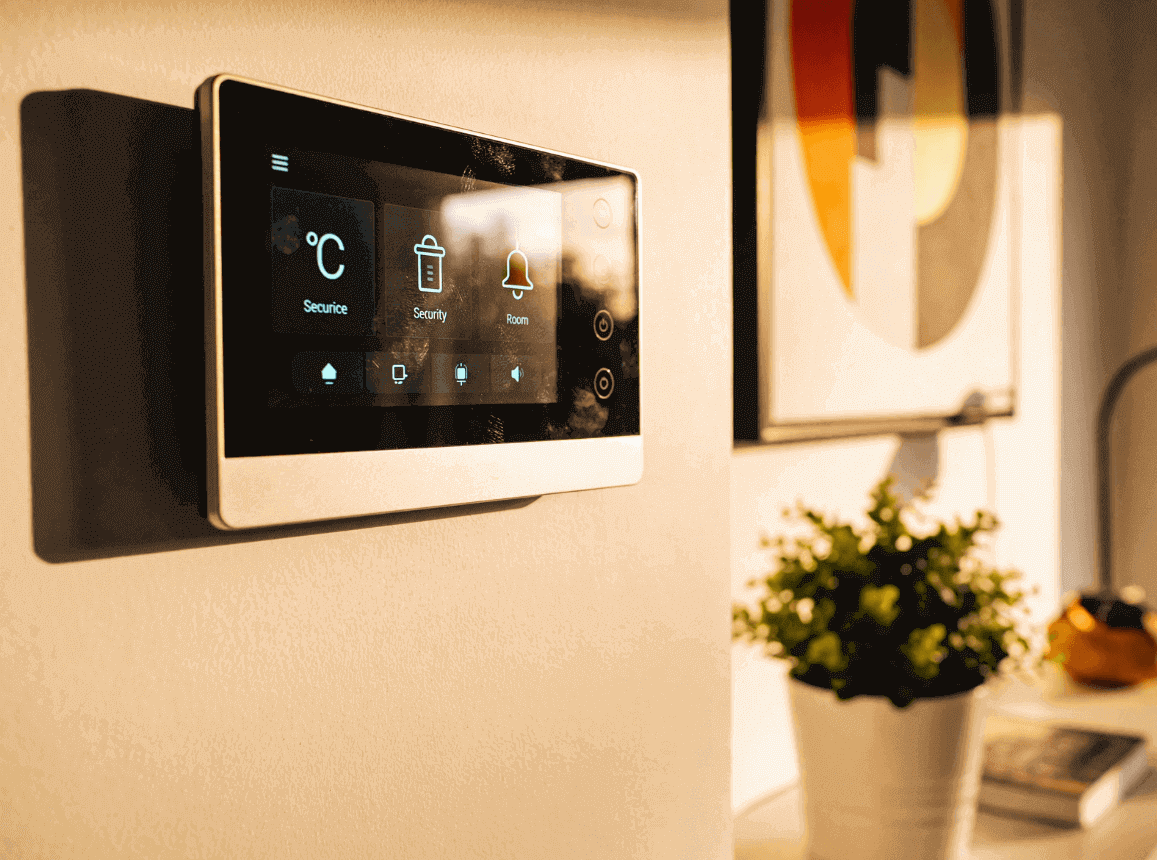
Smart thermostats have also nudged things forward. What started as a tech gimmick now helps homeowners track energy usage in real time, schedule temperature changes by time of day, and adjust remotely. They’re particularly useful in regions with time-of-use pricing, where running the AC at 4 p.m. costs far more than running it at midnight. Automation helps smooth out the peaks, saving money while keeping spaces livable.
There’s also growing interest in passive cooling strategies: shading with trees, installing reflective roofing, or using cross-ventilation to move warm air out. These don’t replace HVAC systems, but they reduce the load. And in a time when electricity bills can jump hundreds during a summer surge, every bit helps.
Health, Sleep, and Quality of Life
People often think about heating and cooling in terms of utility bills or hardware, but the real impact is personal. Temperature influences sleep, productivity, mood, and even long-term health. Overheating during sleep disrupts rest cycles. Too much humidity can trigger allergies or worsen asthma. A drafty living room makes it harder to relax, no matter how stylish it looks.
Kids and older adults are especially vulnerable to poorly controlled indoor climates. Inconsistent temperature regulation can stress their systems more quickly. That’s part of why planning for better HVAC isn’t just about comfort—it’s about care. A space that stays within a healthy temperature range consistently does more than feel good. It supports physical well-being, prevents issues, and reduces reliance on medical interventions tied to heat or cold exposure.
During extreme weather, this becomes even clearer. Rolling blackouts and power grid failures are no longer just headlines—they’re happening in major cities during peak heat events. Households with reliable systems, backup power options, or better insulation fare better under pressure. They’re more resilient, safer, and better prepared.
Planning for this isn’t overkill—it’s smart. And it doesn’t always mean spending more. Sometimes it means spending differently: sealing leaks before upgrading systems, changing filters regularly, insulating attics, or adding ceiling fans in strategic places. These low-effort choices can extend the life of your system and create more even, stable conditions year-round.
Energy Trends and Long-Term Value
Energy use is no longer just a private matter. Utility costs, grid pressure, and carbon output are now tied to personal decisions. Homeowners who reduce energy use aren’t just lowering bills—they’re lightening load on aging infrastructure and aligning with broader environmental goals.
Incentives help. Across the U.S., states are offering tax credits, rebates, and low-interest loans for energy-efficient upgrades, including AC systems, insulation, and smart thermostats. Some utility companies offer discounts or reimbursements for households that reduce usage during peak periods. This ecosystem is designed to push the market toward smarter solutions—and it’s working.
There’s also growing evidence that energy efficiency affects resale value. Buyers are savvier now. They ask about R-values, ductwork, and SEER ratings. A home that’s cheap to run year-round stands out in a market full of properties with hidden costs. And it’s not just big upgrades that matter. Even small changes like replacing old weatherstripping or adding thermal curtains can signal that a home is cared for and forward-thinking.
Building Habits Around the System
Even the best systems lose efficiency if not used wisely. Household habits shape energy use more than most people realize. Leaving windows open during peak heat, setting the thermostat too low, skipping routine maintenance—all of these eat into performance and drive up cost.
Good planning includes building smarter routines: adjusting temperatures before leaving the house, scheduling seasonal system checks, replacing filters on time, and making sure vents aren’t blocked by furniture. These aren’t glamorous steps, but they pay off. A well-maintained system lasts longer, works better, and surprises you less.
More importantly, it becomes invisible. When temperature control works well, it fades into the background. You stop thinking about it. Your home just feels right. And that quiet consistency is what people are actually after—not the loud hum of a struggling unit or the frustration of walking from a hot bedroom to a cold kitchen.
0
Leave a Reply