There is something deeply grounding about walking into a space where the materials feel honest. Real wood does that. It does not shout for attention, but it carries a weight that people notice even if they cannot quite explain why. In a world crowded with fast finishes and copy paste interiors, wood craftsmanship stands apart because it is patient. It reflects time, skill, and intent, and it gives a home a sense of permanence that no shortcut can fake.
Wood has always been part of how people shape shelter, but craftsmanship is what turns material into meaning. When a piece is built with care, the joints align cleanly, the grain is respected instead of hidden, and the finish enhances rather than masks. These details quietly change how a room feels day after day. You might not stop to admire a cabinet door every morning, but you will feel the difference when it opens smoothly and still looks good years later.
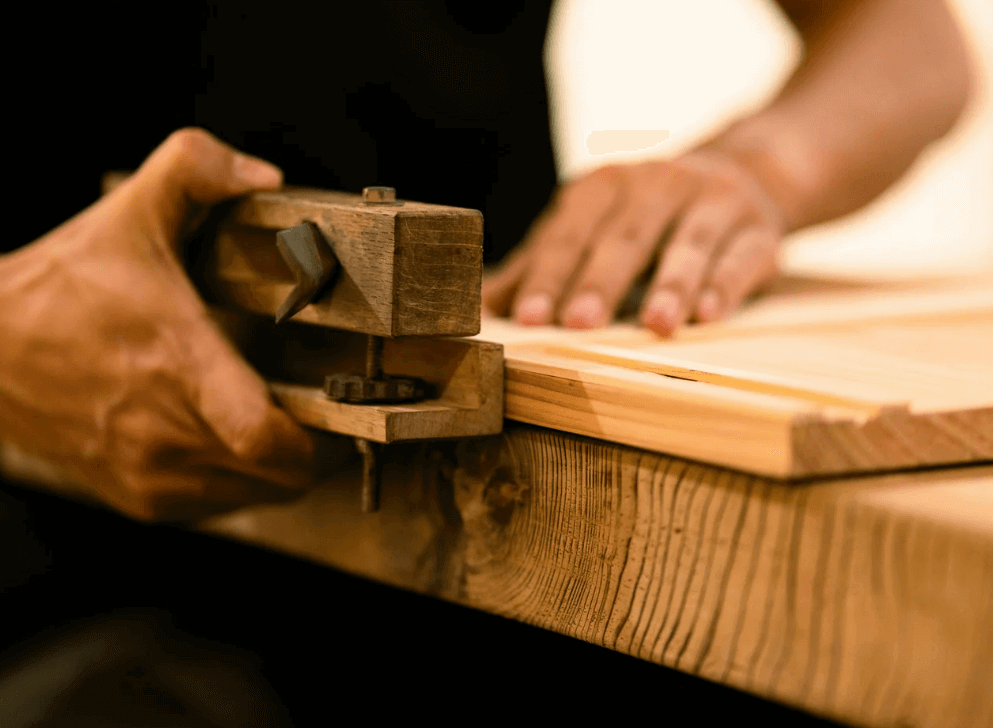
Where Craftsmanship Shows Up First
Most people encounter wood craftsmanship through the parts of a home they use constantly. Cabinets, built-ins, staircases, doors, and trim are touched more than any other surfaces. These elements either fade into the background or become daily reminders of quality, depending on how they are made.
Well crafted woodwork does not rely on trends to stay relevant. A thoughtfully built cabinet or a solid wood mantel holds its ground whether the rest of the room evolves or not. This is why homeowners often feel attached to these pieces long after paint colors and furniture have changed. Craftsmanship creates continuity, and that continuity gives a home its backbone.
There is also a practical side that gets overlooked. Proper joinery, balanced proportions, and skilled finishing help wood age gracefully. Cheap materials tend to announce their decline quickly. Well made wood settles in, developing character instead of damage. That difference matters when you are living with something every single day.
The Human Hand Behind the Work
Craftsmanship is not just about technique, it is about judgment. Knowing where to reinforce a joint, how to align grain patterns, or when to leave a surface slightly imperfect requires experience. This is where local expertise often shines. Whether you are working with a Scottsdale custom cabinets builder, one in Richmond or wherever you live, the value comes from professionals who understand both the material and the environment it lives in.
Wood responds to climate, humidity, and use. A craftsperson who understands local conditions builds with those realities in mind. That kind of knowledge does not come from a factory line. It comes from repetition, mistakes, and learning over time. The result is work that feels tailored rather than generic.
People sometimes assume craftsmanship automatically means ornate or traditional. That is not true. Some of the most impressive woodwork is simple on the surface, with clean lines and minimal detail. The skill shows in the precision and restraint, not in decoration.
Why Wood Feels So Personal
There is a reason wood interiors often feel warmer, even before you add color or textiles. Wood carries visual depth. Grain patterns, subtle color variation, and natural texture create movement that manufactured surfaces cannot replicate. That depth makes rooms feel lived in without being busy.
This is also where wood plays a quiet emotional role. Familiar materials ground people. Over time, they become part of daily routines, part of memory. A dining table where homework happened. A staircase worn slightly smoother in the center from years of use. These are not design moments meant for photographs. They are the things that make a house feel like a home.
When craftsmanship is strong, those moments accumulate naturally. That is the heart of making your home feel familiar, not through nostalgia, but through consistency and care built into the structure itself.
Longevity as a Design Choice
Choosing wood craftsmanship is also a long view decision. It favors repair over replacement. Solid wood can be refinished, adjusted, and maintained. When something goes wrong, it can often be fixed rather than discarded. That mindset changes how people relate to their homes.
Design trends move fast. Craftsmanship moves slowly, and that is its strength. A well made piece does not beg to be updated every few years. It earns its place. Over time, that steadiness saves money, reduces waste, and lowers the emotional churn of constant change.
There is also an honesty to living with materials that age alongside you. Wood picks up marks and subtle shifts that tell a story. Instead of chasing perfection, craftsmanship invites acceptance. That attitude tends to ripple outward, shaping how people approach the rest of their space.
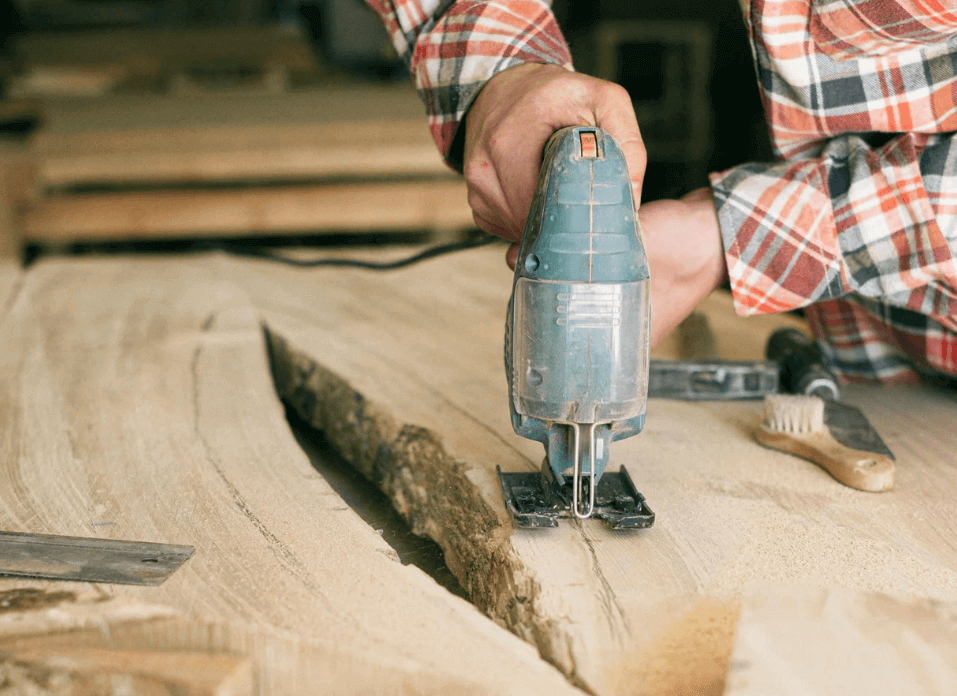
Modern Homes Still Need Craft
Even in contemporary architecture, wood craftsmanship matters. Clean, modern homes often rely on precision even more than traditional ones. When details are minimal, mistakes stand out. A poorly aligned panel or flimsy construction breaks the illusion instantly.
Crafted wood brings warmth to modern spaces without compromising clarity. It balances sleek surfaces with something human. This balance keeps modern homes from feeling cold or temporary, and it gives them a sense of intention that goes beyond aesthetics.
As more homeowners look for spaces that support daily life rather than impress for a moment, craftsmanship becomes less of a luxury and more of a foundation. It supports function, comfort, and emotional connection in ways no trend ever could.
The importance of wood craftsmanship is not about status or style. It is about choosing materials and methods that respect time, use, and people. When wood is crafted well, it becomes part of the rhythm of a home, steady, reliable, and quietly beautiful. That kind of presence does not demand attention, but once you live with it, you miss it when it is gone.
0
Leave a Reply