“Doing less” has quietly become a benchmark for luxury. Travellers are increasingly choosing quality over quantity by swapping jam-packed itineraries for a gentler, more intentional pace. Slow travel isn’t about seeing fewer places; it’s about experiencing them more deeply.
It’s the shift from rushing between landmarks to actually absorbing the place you’re in, and it’s fast becoming one of the defining travel trends of 2026.
Why We’re All Craving a Slower Pace
Travel has long been seen as a chance to escape routine, yet many holidays end up feeling just as busy as everyday life. People are becoming far more aware of the need to rest and truly switch off on their getaways. Work patterns have blurred boundaries with constant email notifications wherever you are, and social media fuels FOMO, pushing many towards more meaningful, restorative breaks.
Slow travel offers that antidote. It emphasises rest and genuine engagement with a destination, making it a mindset that resonates strongly with those who want their holiday to feel like an actual break, not an endurance test.
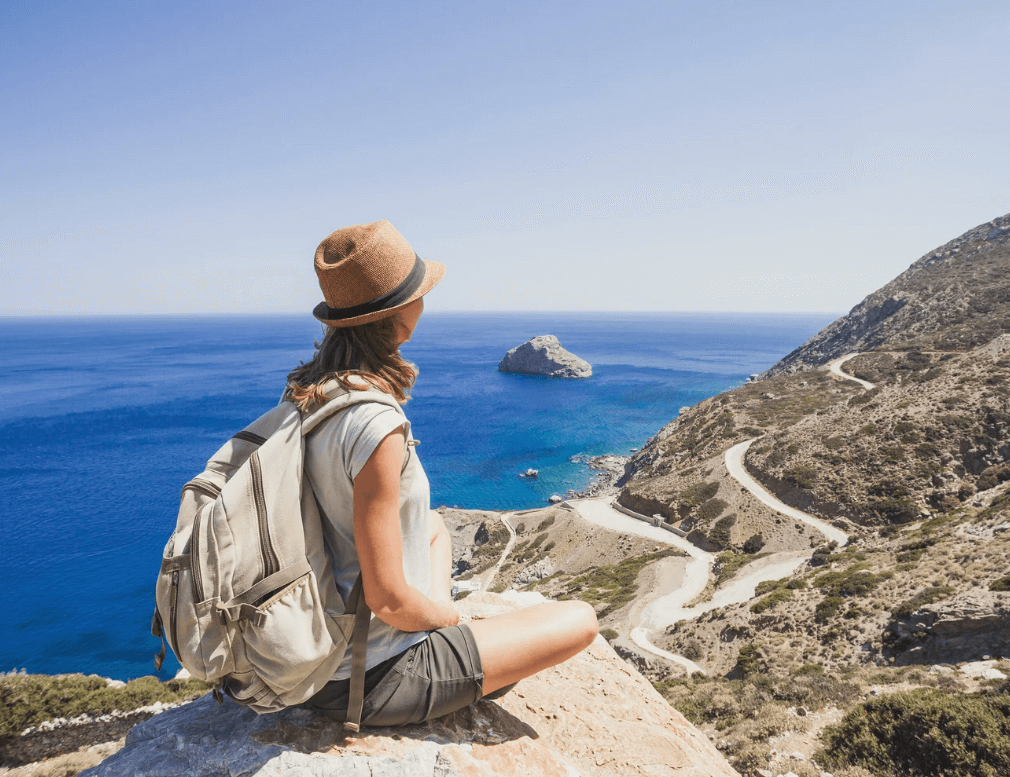
From Itinerary Overload to Intentional Travel
Traditional holidays often involve squeezing in as much as possible: racing between must-sees, getting photos of every landmark you come across, committing to lengthy day trips, and constantly checking the clock. Slow travel flips this completely. Instead of rushing, you deliberately choose fewer activities (and choose them well).
Intentional travel might look like staying longer in a single destination rather than hopping between many, or prioritising experiences with depth, such as a cooking class with a local family or a sunrise walk with a guide.
Accepting that you won’t “see it all” and realising that’s the point is integral to slow travel. Sightseeing becomes more meaningful, and the entire trip feels lighter.
How Doing Less Helps You Experience More
It may sound contradictory, but slowing down often leads to richer experiences. With fewer commitments, you actually have time to notice the things that matter: the taste of local food prepared slowly, or the conversations with people you might otherwise rush past.
Doing less also allows space for spontaneity. Instead of filling every day in advance, you can follow your curiosity by wandering into a market or lingering at a viewpoint that captures your imagination. Those unplanned moments often become the ones you remember most.
There’s also a sustainability benefit. Slow travel typically reduces long internal journeys, encourages deeper engagement with communities, and supports locally owned businesses.
Destinations That Naturally Encourage Slowness
Certain places lend themselves beautifully to slow travel, inviting you to unwind the moment you arrive. The Maldives is often associated with luxury, but it also embodies the core principles of slowing down and living a relaxing pace. Many Brits looking for restorative Maldives holidays choose to stay at a single-island resort, where days unfold naturally between lagoon swims, sunset views and unhurried meals.
Tuscany is another excellent choice where days revolve around long lunches and vineyard strolls. Further afield, Japan’s rural regions offer hot springs and slow countryside trains for deep cultural immersion.
0
Leave a Reply