You don’t need a huge renovation or a months-long Pinterest board to end up with an outdoor space you actually enjoy. Honestly, some of the best outdoor setups come from a handful of small, intentional choices. A comfortable chair tucked into the right corner. A few plants that bring the space to life. A little table where coffee, books, and conversations naturally end up.
The goal isn’t perfection. It’s comfort. It’s having a spot that feels like a natural extension of your home, somewhere you can slow down a bit and enjoy being outside without the space demanding constant attention.
Whether you’ve got a tiny patio, a sprawling backyard, a balcony, or a basic deck, there are simple ways to make it feel more inviting. You don’t have to follow every design trend out there. Just figure out how you want the space to feel, and build from there.
Start With How You’ll Actually Use It
Before you buy a single piece of furniture or pick out colors, think about how you actually want to spend time outside. This sounds obvious, but it’s the step most people skip. A lot of folks start with what looks good in their head instead of what they’ll genuinely use.
Do you want a quiet corner for morning coffee and reading? A spot for family meals on the weekend? Somewhere to host friends in the evening? Or maybe something flexible that can do a bit of everything depending on the day.
Once you’ve got that figured out, everything else gets a lot easier. A dining table makes sense if outdoor meals are the goal. A deep, sink-into-it lounge chair makes more sense if you’re after relaxation. A fire pit might be worth the investment if evenings outside with people you love sound appealing.
The space should fit your real life, not some version of life that only exists in photos.
Comfort Comes First
Comfort is what actually gets people to use a space. It can look amazing, but if the seating is stiff, the sun is brutal, or there’s nowhere to set down your drink, you’re just not going to spend much time out there.
Start with seating that genuinely feels good. Look for cushions made to handle outdoor conditions, materials that won’t fall apart after a few rainstorms, and pieces that actually fit your space. You don’t need a matching furniture set. A simple bench, a couple of chairs, or even a built-in seating nook can work really well if it’s arranged thoughtfully.
Shade matters more than people expect. An umbrella, a pergola, a shade sail, even a well-placed tree can be the difference between a space you use for ten minutes and one you happily hang out in for hours. If your patio or deck gets a lot of direct sun, this should probably be near the top of your list.
For bigger projects, especially if you’re thinking about built-in seating, shade structures, stairs, or distinct zones for different activities, it’s worth talking to custom deck builders who can shape the whole structure around how you actually live, rather than trying to retrofit your routine to fit a generic layout.
Use Zones to Give the Space Some Structure
Outdoor spaces can feel a little unfinished when everything’s just scattered around without much rhyme or reason. Creating zones helps with this, even in a small area.
A zone is really just a defined area for one specific thing. Maybe a dining zone near the kitchen door, a lounge zone tucked under some shade, and a small garden corner along the fence.
None of this requires walls or major construction. Rugs, planters, lighting, and how you arrange furniture can all create a sense of separation without closing anything in.
An outdoor rug under a table can ground a dining area and make it feel like its own thing. A row of planters can soften the edge of a patio. String lights over a seating spot can create a soft boundary that still feels open.
When each part of the space has its own purpose, the whole thing tends to feel more natural and easier to actually use.
Bring in Some Plants With Personality
Plants are among the easiest and most effective ways to warm up an outdoor space. They bring color, texture, movement, and life. Even a plain concrete patio can feel completely different with the right greenery.
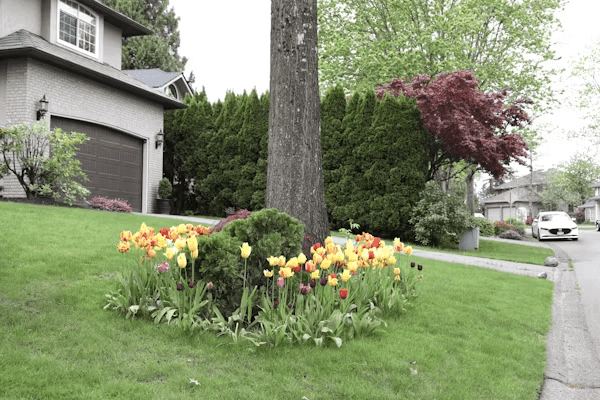
You don’t need to be a gardening expert. Just pick plants that actually fit your climate, light conditions, and how much attention you’re realistically going to give them. If watering regularly isn’t your strong suit, go for hardy plants. If your space is shaded most of the day, look for varieties that don’t need full sun. Want some color? Seasonal flowers in pots are an easy way to refresh things throughout the year.
Planters are great because they’re flexible. You can move them around, rearrange the layout, and figure out what works before committing to anything permanent. Mixing heights and textures tends to look the most natural. Tall grasses, leafy plants, herbs, and flowers can all work together really nicely.
A few herbs near your seating or dining area are a nice touch, too. Basil, rosemary, mint, thyme. They smell great and somehow make outdoor meals feel a little more special.
Lighting Changes Everything
Your outdoor space might look open and bright during the day, but lighting is what determines how it feels at night.
Skip the single harsh overhead light if you can. Instead, layer in softer light sources throughout the space. String lights, lanterns, solar path lights, small table lamps, and wall sconces. The goal is enough light to see clearly while keeping the overall mood relaxed.
Think about where light actually matters. Steps need to be visible for safety. Dining areas need enough light to actually see your food. Lounge spaces almost always feel better with something softer and warmer.
Warm light tends to work best outdoors. It feels gentle and natural, and it can make even a quick 15 minutes outside after a long day feel much more peaceful.
Add Little Touches That Feel Like You
A space starts to feel more enjoyable once it actually reflects how you live, not because it’s covered in decorations, but because of the small details that make it feel familiar.
Maybe that’s a weather-resistant throw blanket for cooler evenings. A small side table just for your morning coffee. A wind chime, a planter you genuinely love, some outdoor pillows in colors that make you happy, or a basket to toss garden tools and kids’ toys into.
These touches should make the space easier and more pleasant to use, not add more clutter or more upkeep. Stick to things that can handle being outside, and that actually add something, whether that’s comfort or just a little meaning.
The best outdoor spaces usually have some personality. They’re not trying to look perfect. They feel cared for, but live in.
Be Honest About Maintenance
A gorgeous outdoor space can turn into a source of stress fast if it takes way more upkeep than you actually want to deal with. Before you commit to materials, plants, or furniture, think honestly about how much time you want to spend maintaining all of it.
Low-maintenance doesn’t have to mean boring. It just means choosing things wisely.
Weather-resistant furniture, easy-care plants, washable cushions, and durable surfaces all go a long way toward keeping the space enjoyable without becoming a second job.
Storage helps a lot, too. A deck box, a small cabinet, or a bench with hidden storage can keep cushions, tools, toys, and other outdoor stuff from taking over. When everything has somewhere to go, cleanup is so much easier.
Building a few small routines helps as well. Keep a broom nearby. Store plant care stuff where you’ll actually use it. Get furniture covers if your weather swings a lot. These tiny systems save a surprising amount of frustration down the road.
Make Space for the Everyday Stuff
Outdoor spaces often get designed with big occasions in mind, but the real value comes from the everyday moments. A quick cup of coffee before work. A quiet dinner outside on a regular Tuesday. A few minutes of fresh air between tasks.
Don’t save your outdoor space only for guests or for that one perfect-weather weekend. Use it on ordinary days. Sit out there for a minute after watering the plants. Read a chapter in the evening. Let it become part of your normal rhythm, not just an occasional event.
When a space supports the small, everyday stuff, it stops feeling like a project and starts feeling like part of home.
Final Thoughts
Creating an outdoor space you love isn’t about recreating a magazine spread or chasing whatever’s trending. It’s about making choices that genuinely fit your life.
Start with what you actually want to use the space for. Prioritize comfort. Use lighting, plants, and small personal touches to add warmth. And keep maintenance realistic so the space stays something you enjoy, not another chore on the list.
Most importantly, give yourself permission to build it slowly. Outdoor spaces tend to get better over time as you figure out how you actually use them. A chair finds a better corner. A plant ends up in the right light. A plain table becomes the spot where people just naturally gather.
That’s really the whole point. You’re not just decorating a yard, patio, balcony, or deck. You’re creating a place where life can happen a little slower, a little more comfortably, and a little more often outside.
0
Leave a Reply