Mom life can mean spending more time at a desk than you expect. Maybe you’re working from home, catching up on emails, or finally sitting down to handle everything that didn’t get done earlier in the day. Either way, a few hours in the same chair can leave you slouching without even realizing it.
A good backrest helps, but some chairs approach sitting differently. A core office chair allows small movements while you sit, so the muscles around your trunk and pelvis stay more involved as you shift positions.
These chairs typically use pelvic support and controlled movement instead of relying mainly on a backrest and lumbar support. You’re still supported, but you’re not locked into the same position for hours.
But will sitting in one actually strengthen your core? Probably not in the way a workout would. Research suggests dynamic seating can increase trunk movement and muscle activity compared with conventional seating. The real appeal is simpler. You get to move a little more during the parts of mom life that require you to sit still.
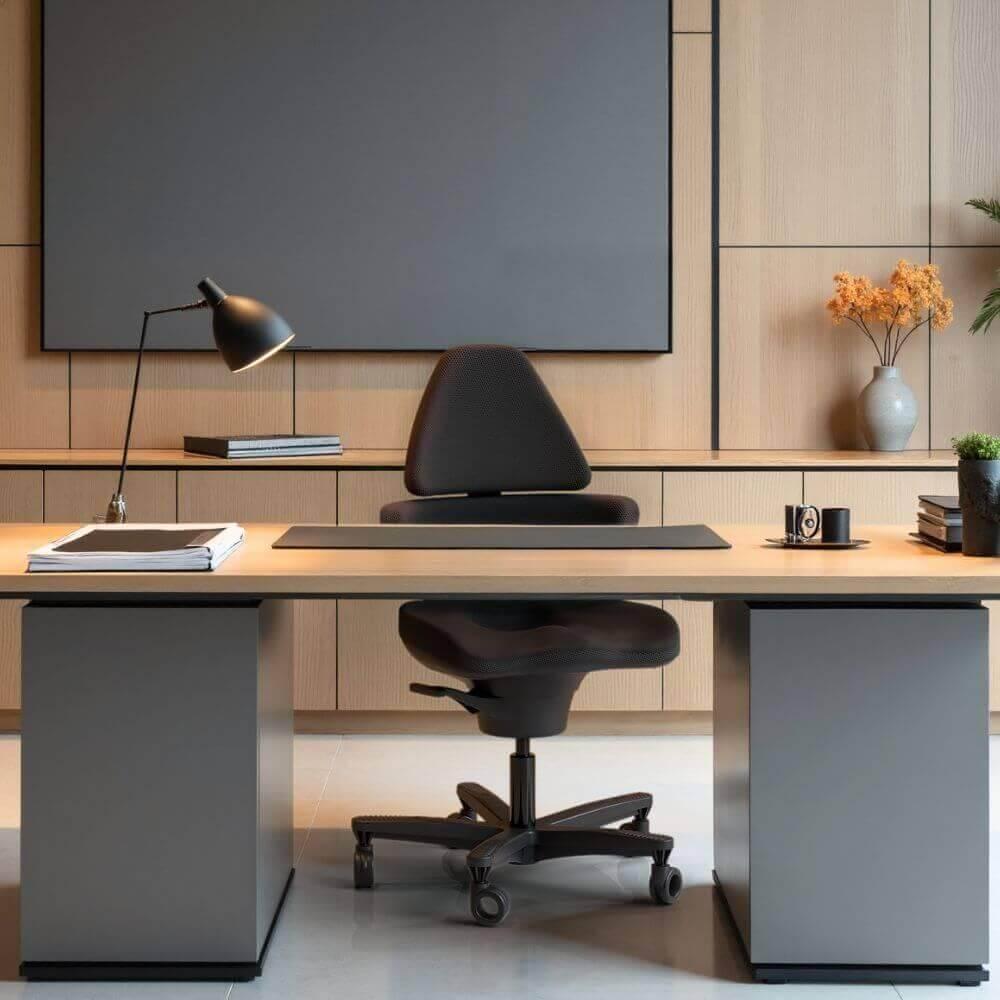
What “Core Engagement” Actually Means at a Desk
Core engagement while sitting is much less intense than what happens during a workout. It’s the low-level activity of the muscles around your trunk and pelvis that helps you stay upright as you sit, shift, and reach throughout the day.
A core office chair encourages this activity by allowing small, controlled movements. You get support from the chair, but your body still has room to adjust its position instead of staying fixed against a backrest.
This is where dynamic seating differs from a chair built mainly around cushioning and back support. A conventional chair may reduce how much your postural muscles need to work while you’re sitting. A core strengthening chair allows more movement while using pelvic and seat support to keep that movement controlled.
Neither approach is right for everyone. What matters is finding a balance between support, comfort, and enough movement to avoid sitting in the same position for hours.
How a Core Office Chair Is Actually Built
The mechanism matters more than the marketing language. A well-designed core office chair starts with a sculpted seat shaped to cradle the sitting bones rather than a flat cushion that lets the pelvis slide forward. CoreChair’s version pairs that sculpted seat with a pelvic stabilizer that contacts the upper rear pelvis, holding it in an upright orientation instead of letting it tip backward into the slouched position most static chairs eventually settle into.
Underneath that seat sits a patented pivot mechanism allowing up to 14 degrees of controlled tilt in every direction, with an adjustable resistance dial so the amount of movement can be tuned to the person using it. That’s a deliberate distinction from an exercise ball or a wobble stool: the goal of an office chair for core activation isn’t instability for its own sake, it’s supported movement that keeps postural muscles lightly working without asking the user to actively balance.
What the Research Actually Shows
Research on dynamic seating suggests that small movements while sitting can change how the muscles around the trunk are used. Researchers at the University of Waterloo compared core stabilizing muscle recruitment across a standard ergonomic chair, an exercise ball, and a dynamic chair design. The dynamic chair allowed movement and muscle activity while still providing structural support.
An exercise ball allows plenty of movement too, but without the support of an office chair. Dynamic seating takes a different approach by allowing the user to shift position without having to actively balance throughout the workday.
A broader review of dynamic seating research also found greater trunk movement, muscle activity, and postural variation compared with conventional seating.
Those results are encouraging, but they shouldn’t be stretched too far. Increased muscle activity while sitting doesn’t prove that a chair will strengthen your core, prevent back pain, or improve your posture over time. The research supports dynamic seating as a way to introduce more movement while sitting, not as a replacement for exercise or treatment for back problems.
Design matters as well. Simply making a chair wobble doesn’t turn it into a core strengthening office chair. A useful design should combine controlled movement with proper seat and pelvic support.

Who Actually Needs One
People who spend much of the day at a desk are the most obvious candidates for a core office chair. If you sit upright in the morning but find yourself slouching or constantly shifting by the afternoon, a chair that allows more movement may be worth considering.
It may also appeal to people who have tried a conventional ergonomic chair but still dislike sitting in one position for long periods. Adding more cushioning or lumbar support isn’t always what they are looking for. Some people simply prefer a chair that gives them room to move while still supporting the pelvis and lower body.
A core office chair shouldn’t be viewed as a treatment for back pain. Persistent or severe pain is a reason to talk with an appropriate healthcare professional. For everyday desk work, the appeal is simpler: controlled movement makes sitting less static.
You’re not getting a core workout while answering emails. You’re just giving your body more opportunities to move during the hours you spend at your desk.
What to Check Before You Buy
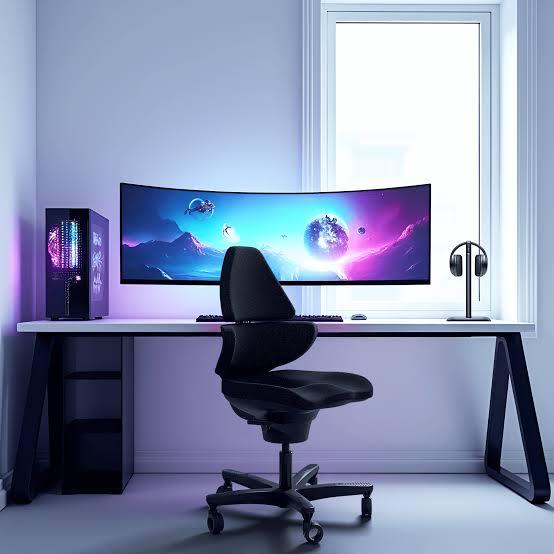
Start with the seat. A sculpted, contoured seat can help keep the pelvis in a more stable position, while a flat cushion may make it easier to slide forward or settle into a slouch.
Next, look at how the chair moves. A core office chair should allow controlled movement in multiple directions rather than simply rocking back and forth. Adjustable resistance is useful too, since it lets you change how freely the chair moves based on your body and comfort level.
Support still matters. Movement alone doesn’t make a chair better, especially if the seat leaves you constantly working to stay balanced. Look for a design that supports the pelvis while giving you enough freedom to shift position naturally.
Independent testing is another good sign. Check whether the chair’s claims have been evaluated outside the company’s own marketing, particularly when those claims involve muscle activity, posture, or movement. A reasonable return window and multi-year warranty are also worth looking for. Dynamic seating can feel quite different from a conventional office chair, and it may take some time to decide whether you like it.
Finally, remember that no chair removes the need to get up during the day. The point of a core office chair is to make the time between those breaks less static, not to make sitting all day healthy.
Is a Core Office Chair Worth It?
Mom life doesn’t leave much room for thinking about how you’re sitting. When you’re trying to get work done before the next thing needs your attention, your chair is probably the last thing on your mind.
A core office chair won’t replace exercise, movement breaks, or simply getting up when you can. What it can do is make the time you spend sitting a little less static. Instead of holding you in one position, a well-designed chair gives your body room to shift while still providing support.
If you’re shopping for one, look beyond the “core” label. Pelvic support, a contoured seat, controlled movement, and adjustable resistance matter more than a chair that simply wobbles.
And don’t expect a workout from your office chair. The research doesn’t show that dynamic seating build
0
Leave a Reply