There is something special about having a little piece of North Carolina to call your own. Maybe you picture a cabin tucked into the Blue Ridge Mountains, a small homestead surrounded by Piedmont pasture, or a quiet stretch of pine woods where you can hunt, camp, and spend weekends outdoors.
For many buyers, rural land is about more than owning acreage. It is a chance to create a place that fits the way you want to live. You might want room for a garden and a few animals, space for family weekends, a hunting property, or simply a peaceful retreat away from crowded neighborhoods.
But finding the right property takes more than choosing a beautiful piece of land at the right price. Raw land comes with practical questions about access, soil, utilities, zoning, water, and what you can actually do with the property.
Before you make an offer, it helps to know what to look for and which questions to ask. Here are the most important things to consider when buying rural land in North Carolina.
1. Know What You Want It For
Before you sit down for hours looking at real estate listings, sit down and figure out what you really want to do with the dirt. Almost every feature you should be looking for from soil types and elevation to road frontage and sunlight will be dictated by your main goal.
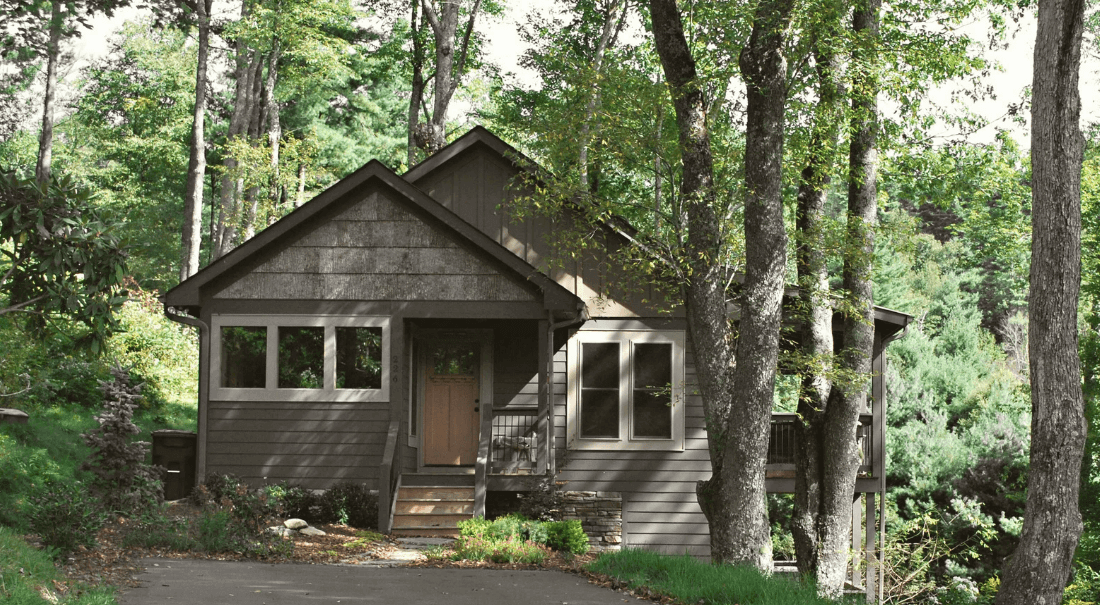
- Building a house or cabin: You need flat or gently sloping sites, good drainage soil, and ready access to power and water.
- Farming or homesteading: Find rich, fertile soil, open pastureland, good sun exposure and reliable water sources for crops or livestock.
- Hunting and recreation: You’ll want a good mix of hardwood timber, thick cover, natural creeks or ponds and surrounding habitat that attracts game.
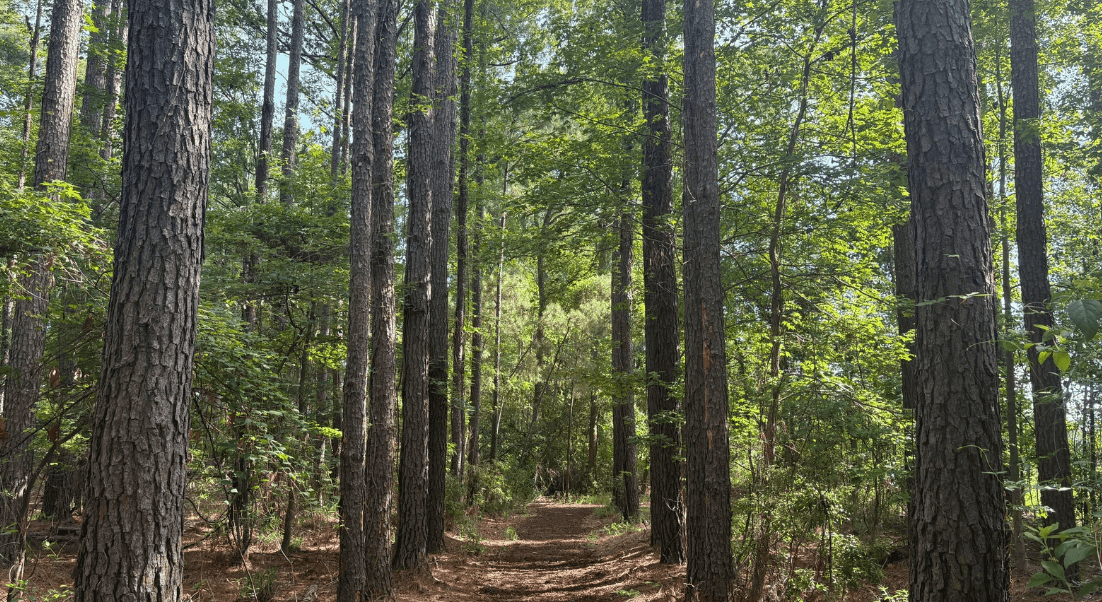
- Timber investment: Look at stand age, mix of pine and hardwood, drainage, and ease of getting logging trucks in and out.
Buyers can begin by viewing available properties by location, acreage, natural features and potential uses or comparing online using the term “Land for Sale in NC“. It’s important to get your vision down early, so you don’t fall in love with a piece of property that doesn’t really work for your plans.
2. Select the Right Site
Location is more than just pretty views, it’s about how you will actually live on or use the property day to day.
- Distance to essentials: How far would you drive for groceries? Farm supplies? A doctor? An emergency room?
- Highway Access: Think about the routes that feed into the parcel. The drive that feels like a fun country adventure on a clear Saturday afternoon could feel like a headache on a rainy dark Tuesday.
- Proximity to town: Do you want to be truly secluded miles off the grid or do you want to be 15 to 20 minutes outside a friendly local town?
3. Know zoning and land-use restrictions
Just because it’s a piece of land out in the county doesn’t mean you can do anything you want with it. Local government rules continue to apply.
Take time to check the county zoning classification to see what is allowed. Yes, you can have a mobile home. Are you allowed to run a home business or keep livestock? Setback rules that tell you how far back from roads and property lines you have to build; You’ll want to ask as well if the land is in a conservation easement or enrolled in a tax-break program like Present-Use Value (PUV) that keeps taxes low but strict farming or timber management is required.
4. Road Access Verification
This is huge: never buy a piece of land without solid, legally documented access.
- Public vs. private – is it a state maintained road (NCDOT), or is it a private gravel lane shared with neighbors?
- Easements: If the parcel does not border a public road, make sure you have a documented legal easement that gives you the right to cross neighboring land to get to yours.
- Road condition: Inspect existing gravel roads, dirt tracks and drainage culverts carefully. If a major storm washes out the road, who pays for the repairs?
5. Look into Utilities and Building Potential
Getting basic utilities to undeveloped land can get expensive fast if you’re not ready for it.
- Electricity: Discover the location of the closest pole. Running lines hundreds of yards back into the woods costs real money.
- Water: Will you have to drill a well or is county water available nearby? Water quality and well depths vary by where in the state you are.
- Septic approval: Most rural homes have septic systems. You’ll have to have the soil professionally tested (a perc test) to confirm that the land can actually support a septic field.
- Cell service and internet: Bring your phone out with you when you are on the ground and check the signal strength. Also check to see if satellite or local wireless internet is available.
6. Study the Physical Features of the Land
Total acreage can be misleading. A 50-acre tract sounds like a lot, but if half of it is on a 45-degree slope or nestled in a low river basin, your buildable area is significantly reduced.
Watch the ground, soil quality generally, and tree cover. Look for low areas, flood plains or protected wetlands that could restrict development. A good rule of thumb: always separate total acres and actual usable acres.
7. Look for Outdoor and Recreational Opportunities
Land is an investment, but it’s also something you should enjoy.” Think of the fun side of ownership. Building deer stands, cutting ATV or hiking trails, stocking a fishing pond or clearing a flat clearing for family camp outs. The proximity to state parks, game lands or navigable rivers can greatly enhance weekend trips and add great lifestyle value over time.
8. Know the Total Cost of Ownership
The sticker price is simply the cost of the ticket. There are ongoing costs you’ll want to budget for ahead of time if you’re running a piece of rural property:
- Yearly property taxes (and if you are eligible for ag or forest tax discounts)
- Liability land insurance
- Loan interest (land financing usually calls for bigger down payments than regular home loans)
- Bush hogging, gravel driveway maintenance and fence line repairs
- Site clearing, grading, utility connection fees
9. Finalize Your Due Diligence
When you are buying, take your time. Here are steps that you can take to protect your wallet before you hand over your earnest money:
- Get a new survey. Hire a licensed surveyor to stake out the exact property corners so there won’t be any arguments with the neighbors later.
- Check title records: Make sure the title is clean, with no hidden liens, weird mineral rights claims, or surprise access disputes.
- Look at flood maps: Look at FEMA maps to see if any part of the land is in a flood zone.
- Work with local pros. Work with local land brokers, real estate lawyers and soil consultants who know the county.
10 Common Mistakes to Avoid
- Just buying land because of cheap price per acre numbers.
- Let’s assume every acre on the map is flat enough or dry enough to build on.
- No perc test prior to closing the deal.
- Not remembering to ask who maintains shared private driveways.
- Not counting the cost of bringing in power and water and driveway gravel.
11. Rural Land Buyers Final Checklist
- Set what your main goals are for the land.
- Verify county zoning and building codes.
- Check for legal road access.
- Have a soil perc test done for septic approval.
- Get estimates on the cost of power, well & driveway set-up.
- Flood zone maps, wetland boundaries, etc.
- Employ a surveyor to map out boundaries.
- Ongoing insurance and maintenance costs. Taxes.
- Have an attorney review all titles and easements.
Bringing Your Rural Land Plans to Life
Buying rural land in North Carolina can open the door to a different kind of lifestyle. It might become the place where you build a cabin, grow your own food, spend weekends outdoors, raise a family, or simply enjoy having more room to call your own.
The key is choosing land that works for the life you have in mind. Look beyond acreage and price, and pay close attention to access, utilities, soil, zoning, usable land, and long-term ownership costs. A little extra research before you buy can prevent expensive surprises later.
With careful planning and the right property, that patch of North Carolina dirt can become much more than an investment. It can become a place you enjoy, improve, and make your own for years to come.
0
Leave a Reply