Motherhood has a funny way of changing how you think about age. You may still feel like yourself, but the face looking back at you in the mirror can start showing changes you weren’t expecting quite yet. If you’ve been wondering whether you’re “too young” or “too old” for a facelift, there isn’t a single right answer. Some people notice sagging jowls in their late 30s. Others don’t feel ready to address them until their late 60s. If you’re anywhere in the Seattle area weighing this decision, you have more flexibility with timing than you might think.
The numbers show just how much facelift patients vary in age. According to the American Society of Plastic Surgeons, Baby Boomers made up 59 percent of all facelifts performed in the United States in 2024. That’s a majority, but far from the whole picture. Plenty of people in their 40s and even late 30s are also getting facelifts, often for very different reasons than their older counterparts. Instead of looking for a magic number, it helps to understand what actually determines the right time.

Why Age Alone Isn’t the Deciding Factor
Your age matters, but it’s only one part of the picture. Surgeons also look at your skin’s condition, your overall health, how much sagging or volume loss you have, and what kind of result you’re hoping to achieve.
Someone with excellent skin elasticity and mild sagging in their 40s might be an ideal candidate for a facelift. Someone in great health in their 70s can be just as good a candidate, provided they’re cleared for surgery by their physician. Age is a useful consideration, but it doesn’t make the decision on its own.
The Case for Getting a Facelift Earlier (30s to 40s)
More people are choosing to address early signs of aging, like mild jowling or loss of jawline definition, before those changes become pronounced. With less correction needed, the resulting changes can often be more subtle.
For someone in their 30s or 40s, that might mean a refreshed appearance without a dramatic difference that friends and family immediately notice. There is a tradeoff, though. Having a facelift earlier in life means some patients may eventually consider another procedure down the road.
The Case for Waiting Until Later (50s to 70s)
Plenty of people prefer to wait until sagging and volume loss are more noticeable before pursuing surgery. Waiting can allow several visible signs of aging to be addressed in one procedure, rather than starting younger and considering additional treatments over time.
This is also the group the ASPS data reflects most heavily. Many patients in their 60s and beyond reach a point where non-surgical options like fillers and skin tightening treatments no longer produce the kind of change they’re looking for.
What Actually Determines Readiness
Rather than focusing only on age, surgeons typically consider several factors:
- Skin elasticity and quality: how well your skin has held up over time, independent of your age
- Degree of sagging or volume loss: mild changes versus more advanced jowling and jawline loss
- Overall health: cardiac and lung health, healing capacity, and whether you’re a non-smoker
- Your specific goals: a subtle refresh versus a more comprehensive, longer-lasting correction
Looking at these factors together gives a much clearer picture than the number on your birth certificate.
Getting a Professional Opinion
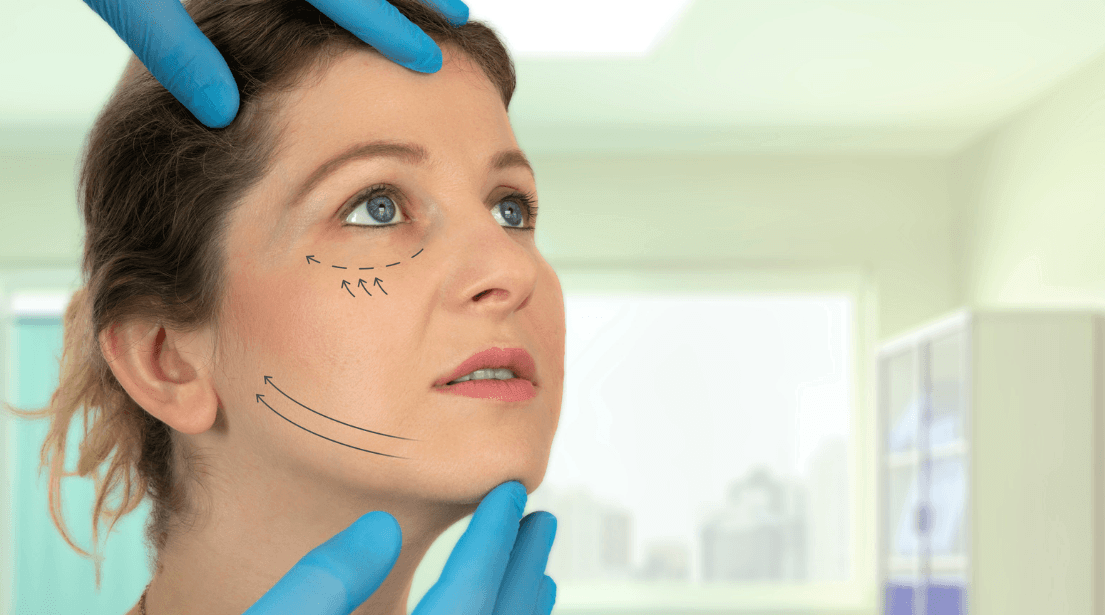
Because the right age varies from person to person, an in-person evaluation can be more useful than trying to match yourself to an age range you found online. A qualified surgeon can look at your skin, bone structure, and aging pattern and discuss whether now is a good time or whether waiting would better serve your goals.
Anyone considering a facelift in Seattle can benefit from that kind of individualized consultation. Liebertz Plastic Surgery can evaluate the changes specific to your face and help you understand what a facelift could realistically address, rather than relying on generalized age ranges or before-and-after photos found online.
What to Look for in That Consultation
A good consultation should feel like a conversation, not a sales pitch. A surgeon should be comfortable telling you that you might want to wait if surgery doesn’t make sense yet. Their recommendation should be based on your anatomy and goals, not a one-size-fits-all age cutoff.
The evaluation should take into account your skin quality, degree of facial laxity, overall aging pattern, and personal goals. That keeps the conversation focused on whether surgery makes sense for you at this stage of your life.
Finding the Right Time for You
For moms, the right time for a facelift may have as much to do with life as it does with age. Recovery takes planning, especially when you’re balancing kids, work, and family responsibilities. You also need to feel comfortable with the decision and be doing it for yourself.
Some women may be ready in their 40s, while others won’t consider surgery until their 60s or later. Neither timeline is inherently better. Your health, skin, goals, and personal circumstances matter more than the birthday on your calendar.
If you’ve been considering a facelift, an honest consultation can give you a clearer idea of whether surgery makes sense now or whether waiting would be the better choice.
0
Leave a Reply