When people think about Dubai, they often picture luxury hotels, towering skyscrapers, and designer shopping malls. It seems like a place for millionaires, not for families looking for a safe and affordable home base. But the truth is, Dubai isn’t just about luxury.
For families, it offers something surprisingly practical: well-planned neighborhoods, safe streets, great schools, and a cost of living that works when you understand how the city is set up. With tax-free income and flexible housing options, Dubai can be a smart, livable choice for people raising kids—not just globe-trotters chasing luxury.
Dubai Is a City of Layers, Not One Price Point
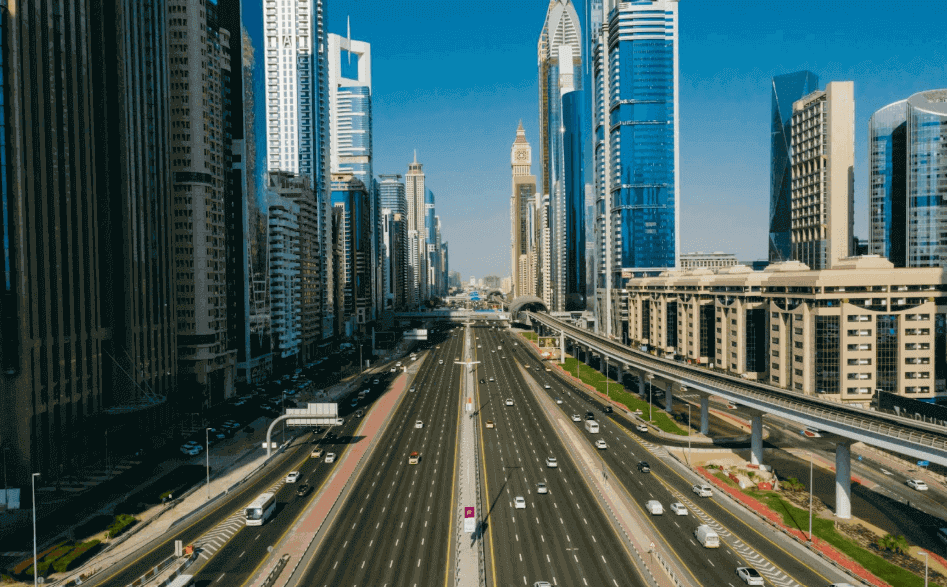
Dubai doesn’t operate on a single economic level. It’s layered—and this becomes obvious the moment you look at the properties for sale in Dubai across different districts. The problem is that visitors usually only see the top layer.
Tourists experience Downtown, Palm Jumeirah, five-star brunches, and beachfront hotels. Residents navigate a much broader map—one that includes areas built for long-term living, commuting, and routine. That difference alone reshapes how the city feels financially and practically.
Luxury exists, but it isn’t compulsory.
Where the Luxury Actually Lives
Places like Downtown Dubai, Dubai Marina, Palm Jumeirah, and parts of Jumeirah are designed to showcase the city. High-rise apartments with views, concierge buildings, walkable promenades, and premium pricing are the norm here. These areas are expensive by global standards and deliberately so.
They serve a purpose. They attract investment, tourism, and global attention. But they don’t represent the entire housing market.
Where Real Life Happens
Move slightly outward and the picture changes. Neighborhoods such as JVC (Jumeirah Village Circle), Dubai Silicon Oasis, Al Barsha, International City, and parts of Mirdif are built for residents. Apartments are functional, buildings are newer than many Western cities, and rents drop significantly.
In these areas, people work regular jobs, send kids to school, grocery shop locally, and build routines.
Renting and Buying Are Both Real Options
One of the most misunderstood aspects of Dubai is housing access. Renting is common, but ownership is not out of reach either.
Renting Without the Panic
Rental prices vary widely, but they are transparent. Listings are public, contracts are standardized, and rent increases are regulated. Unlike many cities where bidding wars are normal, Dubai operates on fixed asking prices.
For a one-bedroom apartment outside premium zones, rent can align closely with what professionals pay in major European or U.S. cities—sometimes less when taxes are factored in.
Annual payments are common, but many landlords now accept multiple cheques or structured payments, making cash flow easier to manage.
Buying as a Resident or Foreigner
Foreigners can legally buy property in designated freehold areas. Entry-level apartments exist well below the “luxury” narrative, and mortgage options are available for residents with stable income.
Ownership is not reserved for elites. Many long-term residents buy modest apartments as a way to stabilize housing costs and avoid rent increases altogether.
Food Costs: Expensive Dining vs. Everyday Eating
Dubai’s restaurant scene contributes heavily to its expensive reputation—and deservedly so. You can spend a lot on food. But you don’t have to.
Groceries Are Surprisingly Reasonable
Supermarkets range from premium international chains to local markets. Fresh produce, staples, and imported goods are widely available. Prices fluctuate by origin, but basic groceries are comparable to, and sometimes cheaper than, U.S. urban centers.
Local brands and regional imports reduce costs further. Cooking at home is not only feasible—it’s common.
Eating Out Has a Wide Range
A meal can cost the equivalent of a fast-food combo or a fine-dining tasting menu, sometimes on the same street. Cafeterias, small restaurants, and neighborhood spots serve affordable meals that residents rely on daily.
The city’s diversity works in your favor. Indian, Lebanese, Filipino, Persian, and Pakistani food scenes offer quality and value without compromise.
Utilities, Bills, and the Cost of Daily Life
Dubai’s climate shapes its utilities. Air conditioning is the main variable.
Electricity and Water
Electricity and water are billed together and depend on apartment size, insulation, and usage habits. Summer months cost more due to cooling, but buildings are designed for it. Newer apartments are energy-efficient and predictable in cost.
Bills are not hidden or volatile. You know what you’re paying and why.
Internet and Mobile
Telecom services are reliable and fast, though not the cheapest globally. Plans are clear, and service quality is consistent. For people working remotely or running businesses, stability matters more than bargain pricing.
The Tax Question: Why Numbers Add Up Differently
One of the biggest reasons Dubai feels more feasible once you do the math is taxation.
There is no personal income tax in the UAE. Your salary is your salary. What you earn is what you receive.
Recently, a corporate tax was introduced at 9% for businesses above a certain profit threshold, but personal earnings remain untaxed. For employees, freelancers, and many business owners, this dramatically changes affordability calculations.
A “normal” salary goes further when it isn’t reduced before it even reaches your account.
Small Businesses Actually Make Sense Here
Dubai is built for commerce. Setting up a small business is structured, legal, and encouraged.
Free zones, mainland licenses, and clear regulations allow entrepreneurs to operate without the maze of bureaucracy found elsewhere. Banking, payment systems, and logistics are designed around international trade.
For consultants, online businesses, service providers, and small teams, Dubai offers a rare combination: global access, modern infrastructure, and low personal tax burden.
It’s not effortless—but it’s straightforward.
Healthcare, Safety, and Infrastructure
Healthcare in Dubai is modern and regulated. Private insurance is standard and widely accepted. Clinics and hospitals operate at international standards, with short wait times and advanced facilities.
Safety is often understated because it’s so consistent. Crime rates are low, public spaces are orderly, and infrastructure works. These things don’t feel luxurious day-to-day—but they reduce stress, which has its own value.
Why the Numbers Work for Ordinary Lives
Dubai isn’t cheap in every category. It doesn’t pretend to be. But when income, taxes, housing options, and daily costs are viewed together, the picture shifts.
People imagine they need extraordinary wealth to live there. In reality, they need planning, realistic expectations, and a willingness to live outside postcard neighborhoods.
The city rewards pragmatism.
Living, Not Performing
Dubai may not be the first place that comes to mind when you think about affordable family life, but it deserves a closer look. It’s a city built with modern comforts, strong infrastructure, and a surprising range of budget options.
Families live well here without needing to be wealthy. With the right planning, you can enjoy safe communities, good schools, everyday conveniences, and the excitement of an international city—all while keeping your budget in check.
Dubai isn’t just for vacationers or high flyers. It’s a place where regular families can thrive.
0
Leave a Reply