Driving at nighttime feels fine and calmer because of less traffic, but it comes with notable risks. It is more dangerous than driving during the day. When it is dark, drivers are unable to see road signs, pedestrians, or sudden hazards as clearly as they can during the day. These terrifying conditions maximize the risk of serious accidents and make nighttime travel more challenging.
This often raises the question, “Are crashes more common at night?” Since more people are on the road during the day, it might seem that accidents would be more frequent or serious. However, driving at night is actually more dangerous. Reduced visibilitie with limited lighting, long-distance travel, and fatigued drivers contribute to the severe fatality risks.
Families can reduce these risks by taking simple precautions, such as ensuring headlights and brakes are working properly, avoiding late-night driving when fatigued, maintaining safe speeds, and staying extra alert for pedestrians and unexpected hazards. Planning routes in advance and minimizing distractions inside the vehicle can also improve safety.
By learning the main dangers related to nighttime driving and the factors that increase accident risk, families can take simple precautions to stay safe while driving after dark.
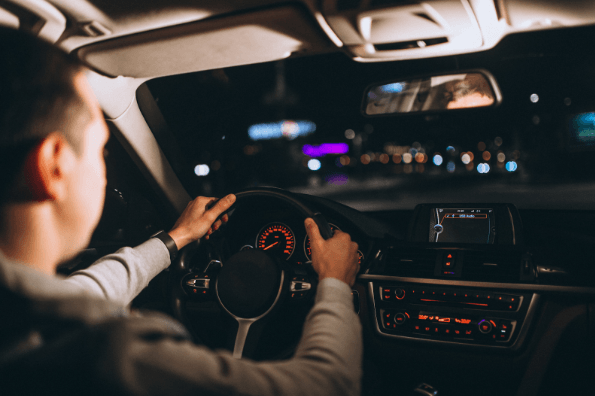
Why Is Night Driving More Dangerous?
Night driving becomes riskier because many factors blend to make the road environment more challenging for drivers. Reducing visibility, driver fatigue, and minimal reaction time can make it more problematic to avoid devastating dangers.
Key reasons to understand that night driving is more dangerous than daytime driving:
- Darkness leads to reduced visibility
- High-beam glares from the headlights of opposite vehicles
- Increased driver fatigue during late hours
- Higher chance of drunk or impaired drivers on the road
- Hard to spot pedestrians, cyclists, or animals
Because of these conditions, drivers often require more time to react to hazards at night than they do during the day.
Understanding Key Factors That Make Night Driving Riskier than Day Driving
Here are the key factors that clearly explain why terrifying accidents are more likely to happen during nighttime hours than during daytime hours.
1. Reduced Visibility
The first and foremost factor that acts during nighttime driving is darkness. At night, drivers rely mainly on headlights to see the road. Even with headlights, the visible distance is much shorter compared to daylight. This makes it difficult to see sudden obstacles, curves, or road signs on time.
2. High-Beam Headlight Glare
The headlights contain a high- and low-beam system that provides essential, specialized illumination for different driving conditions. At night, compared to a low beam, a high beam gives much visibility, but it impacts vehicles in the opposite direction and makes drivers temporarily blind. It causes discomfort, and it sometimes leads to increased accident risks.
3. Driver Fatigue
Many people drive at night after a long day of work or travel. Tired drivers often have slower reaction times and minimal focus. Fatigue can also lead to microsleep, where a driver briefly falls asleep without realizing it.
4. Higher Risk of Impaired Driving
Late evening and nighttime hours often see more drivers operating vehicles under the influence of alcohol or drugs. Impaired drivers usually have slower reaction times, poor judgment, and difficulty controlling their vehicles.
5. Harder to See Pedestrians and Cyclists
Due to reduced visibility, pedestrians, cyclists, and animals are much harder to spot in the dark. Even with streetlights, drivers are unable to notice them until they are very close.
6. Depth Perception and Color Recognition Issues
Human vision is generally challenging to see and observe in low-light conditions. At night, it becomes tougher to judge distance and recognize colors clearly, which can affect a driver’s ability to respond rapidly.
How Families Can Stay Safe While Driving at Night
- Ensure headlights, brakes, and signals are working properly before driving.
- Avoid driving when feeling tired, as fatigue can slow reaction time.
- Maintain a safe speed and keep a proper distance from other vehicles.
- Stay alert for pedestrians, cyclists, and unexpected road hazards.
- Plan routes in advance to avoid confusion in low-visibility conditions.
- Minimize distractions inside the vehicle to stay focused on the road.
Key Takeaways
- Night driving is more dangerous than day driving, mainly because of reduced visibility, driver fatigue, and impaired drivers.
- High-beam headlight glare and limited reaction time maximize the chances of accidents.
- Pedestrians, cyclists, and road hazards are difficult to observe in the dark.
- Staying alert, maintaining the speed, taking enough rest, and avoiding fatigue can help families stay safer at night.
Leave a Reply