Clear vision does not rule out eye disease. Frequent eye exams can detect problems such as glaucoma before noticeable symptoms appear.
Early detection gives your doctor a chance to treat problems before they cause further damage. This article explains what routine eye exams check, why they matter, and how often you may need one in Florida.
Clear Vision Is Only Part of Eye Health
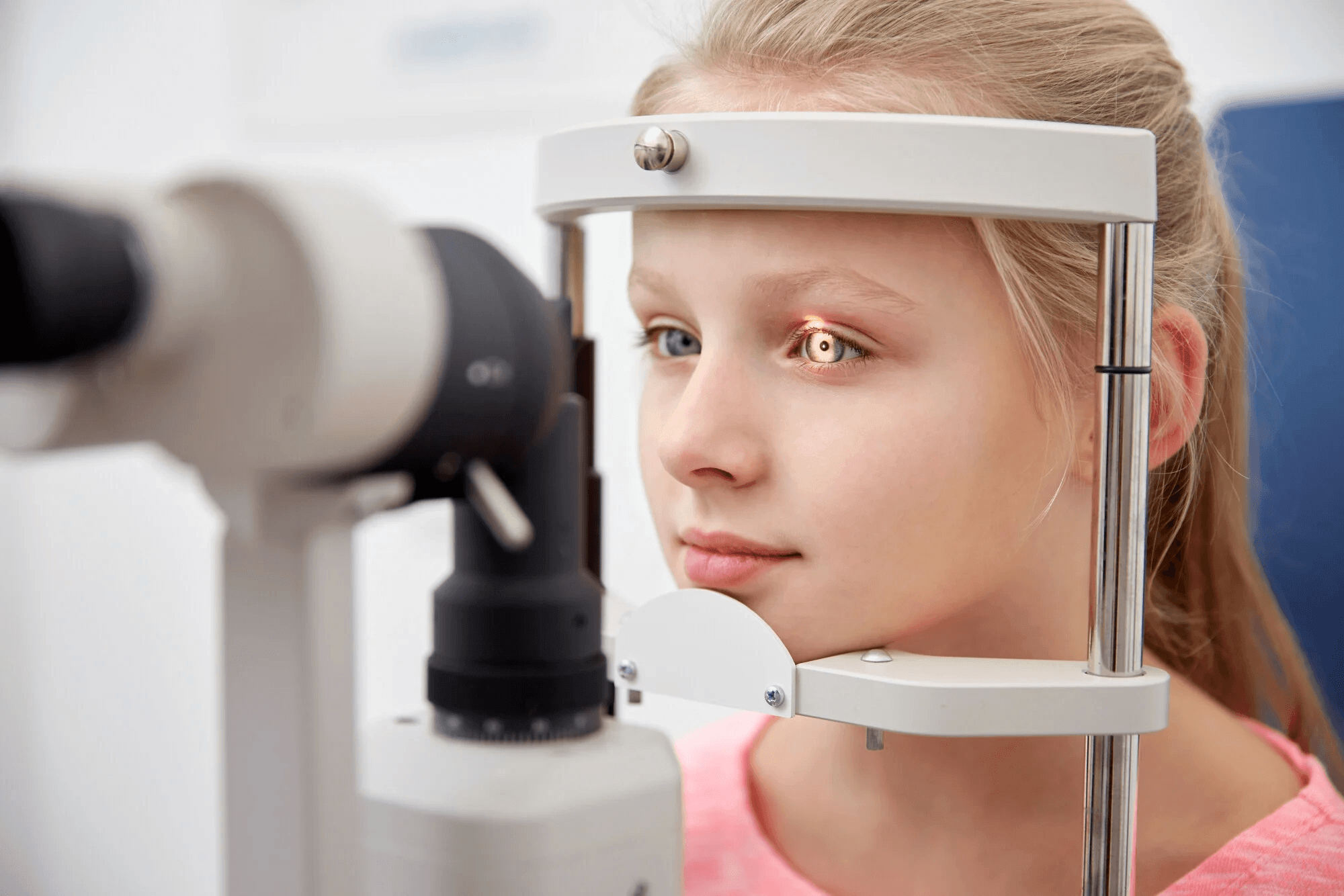
Reading an eye chart measures how clearly you see at a particular distance. A comprehensive eye exam goes further, checking structures inside your eyes for signs of damage or disease.
According to the Centers for Disease Control and Prevention, some eye conditions have no symptoms in their early stages. You may feel fine while changes are happening that only an examination can reveal.
An appointment is not just about deciding whether you need glasses. It is also an opportunity to discuss your medical history, medications, and family history of eye disease. Those details help your doctor decide which tests and follow-up visits make sense.
Silent Eye Conditions Need Early Attention
Some eye conditions can damage your sight without causing pain or noticeable changes. Glaucoma is one of them, and it affects peripheral vision first, so reading clearly does not mean your eyes are healthy.
A comprehensive exam checks beyond visual sharpness to assess eye pressure and optic nerve health. Normal pressure does not rule out glaucoma, which makes examining the nerve particularly important.
When managing advanced conditions, patients exploring glaucoma treatment in Estero, FL typically evaluate options ranging from prescription eye drops and laser procedures to minimally invasive surgery. Because treatment plans must be tailored to individual diagnostic markers, local providers such as Florida Vision Centers work directly with patients to explain these options based on examination findings. Because therapy aims to limit further damage rather than restore lost vision, early detection remains essential for protecting your remaining sight.
What Routine Eye Exams Can Reveal
Your medical history belongs in the exam room alongside your glasses prescription. Diabetes, high blood pressure, and certain medications can affect your eyes, giving your doctor important context for interpreting findings.
Bring details about:
- Your current medications and supplements
- Any diagnosed conditions such as diabetes
- Eye diseases affecting close family members
- Changes noticed since your previous appointment
During the exam, your doctor may identify retinal blood vessel changes linked to broader health concerns. Those findings may prompt further evaluation with your primary care clinician.
Looking Beyond Your Glasses Prescription
A prescription for glasses measures the correction you need to see clearly. An eye health examination asks a different question: whether the structures supporting your sight show signs of disease.
Retinal Blood Vessel Changes
Diabetes and high blood pressure can affect small blood vessels in the retina. Examining those vessels may reveal damage and help your doctor decide whether further evaluation with your primary care clinician is needed.
Optic Nerve Health
The optic nerve carries visual information from your eye to your brain. Your doctor examines it for signs of glaucoma and considers eye pressure alongside other findings, since normal pressure does not exclude disease.
Changes in Central Vision
The macula is the part of your retina responsible for sharp central vision. Checking this area can reveal signs of macular degeneration, helping guide monitoring or treatment before changes interfere with reading, recognizing faces, or everyday activities.
Choosing an Exam Schedule That Fits You
Your next eye appointment should follow a clear recommendation, not an automatic yearly habit. Ask for a specific return window and an explanation of what determines that timing.
A complete examination and a brief treatment check are not interchangeable. Someone receiving ongoing care may need several focused visits between broader examinations, so the appointment type matters as much as the date.
“What happens when I need to reschedule?” is worth asking before a conflict arises. The office can explain how to rebook within your recommended window, or check with your doctor whether the next available slot falls outside it before confirming the booking.
Everyday Eye Care Habits for Florida Residents
Beach days, afternoon walks, and yard work all deserve a little planning for your eyes. Choose sunglasses labeled UV 400 rather than relying on dark lenses alone to judge how much protection they provide.
Indoor habits matter too, especially during long stretches at a computer. Look away from the screen regularly and avoid rubbing irritated eyes, which can worsen problems rather than solve them.
Build these habits into your day:
- Wear safety glasses when trimming shrubs or handling tools
- Wash and dry hands before touching contact lenses
- Use prescribed eye drops exactly as directed
- Keep tobacco smoke out of your home and car
Make Eye Health Part of Your Healthcare
Eye care deserves attention even when there is no prescription to update or discomfort to explain. You do not need a problem to have a worthwhile conversation about your eyes.
Give routine eye exams a place in your healthcare plans. Contact your eye care provider to discuss what ongoing care should look like for you.
0
Leave a Reply