If you are a mom dealing with heel pain, you are not alone. Between school drop-offs, errands, practices, and standing in the kitchen at the end of a long day, sore feet can feel like just another thing to push through.
I know how easy it is to ignore pain when everyone else needs you. You ice your heel at night, stretch when you remember, and hope tomorrow feels better. But when heel pain keeps coming back, it may be your body asking for more attention. Understanding why the pain is lingering is the first step toward real relief and getting back to moving comfortably through your day.

When Does Persistent Pain Become Chronic?
Heel pain often lingers when you don’t fully understand the underlying issue. For instance, the persistent pain you once attributed to a foot cramp may actually require plantar fasciitis orthotics for heel pain.
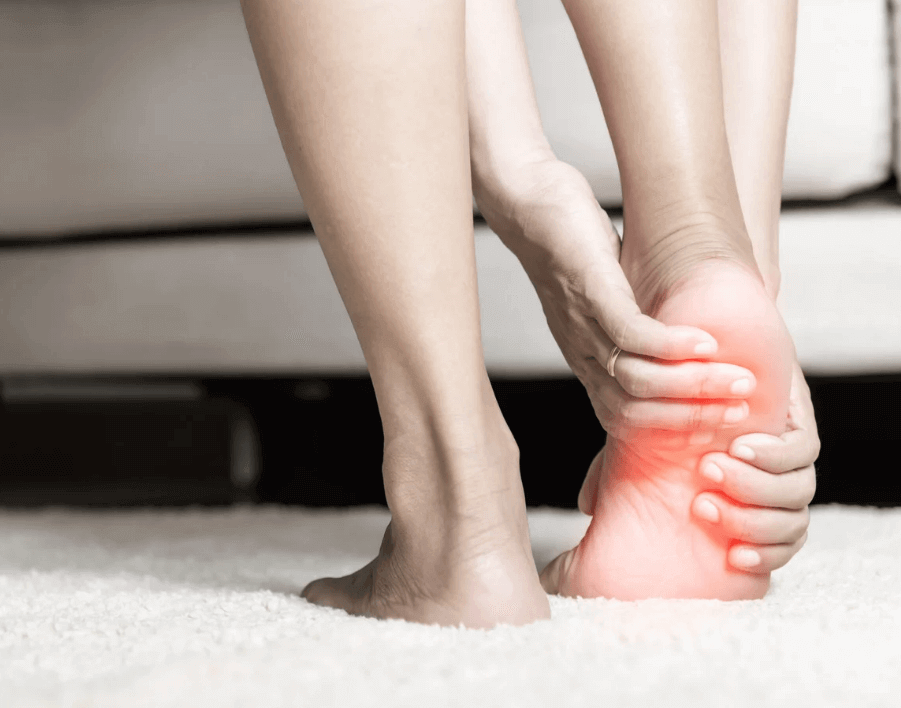
Plantar fasciitis is a type of heel pain that manifests as an almost stabbing-like pain on the bottom of the heel. This means your plantar fascia, the tissue that connects your heel to your toes, is irritated. You may also experience foot tenderness and stiffness in your foot arch.
Plantar fasciitis is the initial heel pain. When left untreated, plantar fasciitis can progress into plantar fasciosis, a chronic condition where the collagen fibers in the plantar fascia start to degrade. By this point, OTC anti-inflammatories may become less effective, requiring clinical treatment like cortisone shots.
Can Misdiagnosis Occur?
Yes, heel pain can be misdiagnosed. It could be attributed to a cause other than plantar fasciitis.
Other causes may also mimic the symptoms of plantar fasciitis, like tarsal tunnel syndrome. If your heel pain has symptoms of burning or tingling, that could be compression of your posterior tibial nerve.
Your heel pain may also be the result of tiny calcaneal stress fractures in the heel bone. If this is the case, you may require heel offloading with the help of specialized cushions and footwear to relieve pressure.
Fat pad atrophy is another possible cause.
This condition occurs when the natural cushioning under your heel thins. Fat pad atrophy is often age-related, but it can also result from repeated steroid injections for pain over time. While steroid injections can relieve inflammation, they can also contribute to tissue loss after repeated use, according to the Cleveland Clinic.
The source of your heel pain could be Achilles Tendonitis. This problem occurs when tension in your calf pulls on the back of your heel instead of the bottom.
Is Your Environment the Issue?
Your living environment, including outdoor activity, could also be contributing to your persistent heel pain.
Are you running on hard pavement on your morning jog?
Without proper footwear, the impact may be too much for your heel. Even standing for several hours without the right shoes can put too much pressure on your heel.
You’ll want to avoid these mistakes if you’re actively trying to heal your plantar fasciitis. They can also trigger persistent pain.
If your feet naturally have pronation issues, you should invest in supportive shoes, since you’re naturally prone to persistent heel pain due to underlying biomechanical issues. Flat feet or high arches also come with a higher risk, as they place an abnormal load on your heel, which prevents your tissue from naturally repairing itself.
What Should You Do About Persistent Heel Pain?
Some heel pain only needs a few days of rest, ice-packing, and limited physical activity. However, if you’re still in pain, you should seek medical advice.
Your general physician may refer you to a specialist, such as a podiatrist or an orthopedic specialist, for a proper diagnosis. You may need diagnostic imaging to rule out issues like nerve entrapment or stress fractures. Specialists can also decipher whether you have tissue inflammation or degradation.
You may require targeted physical therapy, such as calf stretches, where you lengthen your calf muscle to relieve the “pull” on the heel. Intrinsic foot strengthening may be recommended to reduce the amount of load on your fascia. Hip exercises can also correct gait issues that may be causing your heel pain.
Other interventions may include shockwave therapy, night splints, and the Graston technique.
Learn More About Heel Pain
As moms, we are often great at caring for everyone else while putting our own discomfort last. Heel pain may seem small compared to everything else on your plate, but when it lingers, it can affect your energy, mood, and ability to keep up with daily life.
If your heel pain is not improving, it is worth talking with a medical professional who can help identify the cause and guide you toward the right treatment. Whether it is better footwear, physical therapy, or targeted support like orthotics, relief is possible. Taking care of your feet is not indulgent. It is part of taking care of yourself so you can keep showing up for your family with less pain and more ease.
0
Leave a Reply