When our family spent a few months in New York City for my husband’s work, I didn’t expect it to become the perfect setting to learn Japanese. My oldest had recently become obsessed with Japanese culture—anime, food, even learning hiragana on his own—so I figured, why not use this time in NYC to explore it more deeply?
To my surprise, the city offered more than just sushi spots and stationary shops. Between language schools, cultural events, and neighborhood libraries, we found so many ways to weave Japanese learning into our everyday life. Whether you’re visiting New York short-term like we did, or just curious about how to learn Japanese outside of Japan, here’s what worked for us.
Top Methods to Learn Japanese in New York
People in New York can learn Japanese through structured classes, one-on-one tutoring, or language exchanges with native speakers. Each method offers different benefits depending on how someone prefers to learn and how much time they can commit.
Private Tutoring Options
Private lessons give learners individualized attention and flexible scheduling. A tutor can adjust lessons to match the student’s goals, such as business communication, travel, or exam preparation.
Many learners choose to learn Japanese with native tutor in New York as it allows real-time conversation practice and immediate correction. Meeting in person or online gives more control over pace and focus.
Tutors often use a mix of textbooks, conversation drills, and multimedia tools. This method suits people who prefer direct feedback and a personalized learning plan. Private tutoring can be more expensive than group classes, but it often leads to faster progress.

Language Schools and Classes
Language schools in New York offer structured programs that guide learners from beginner to advanced levels. Many schools divide classes into multiple levels, allowing students to progress step by step.
Courses often include grammar, conversation, reading, and writing practice.
Some programs run on weekday evenings or weekends, making them suitable for working adults. Group classes help students practice speaking with classmates, while small class sizes allow for personalized feedback.
Schools may also include cultural workshops such as calligraphy or conversation clubs. These activities help learners understand both the language and cultural context. For those who prefer a classroom setting and steady progress, this approach works well.
Community Language Exchange Programs
Language exchange programs connect English speakers with Japanese speakers who want to practice English. These meetings often happen in cafes, libraries, or community centers. Some groups also meet online for convenience.
Participants take turns speaking each language, helping each other improve naturally. This approach builds confidence in real conversation and helps learners understand everyday expressions.
Language exchanges are usually free or low-cost, making them a practical option for consistent practice. They also create opportunities for friendship and cultural exchange, which keeps motivation high and learning enjoyable.
Maximizing Your Japanese Learning Experience in New York
Living in New York gives learners many ways to learn Japanese both inside and outside the classroom. From cultural events to local bookstores and online tools, the city offers real-world opportunities to apply what they study and stay consistent in their progress.
Immersive Cultural Events
Cultural events help learners connect classroom lessons with real-life experiences. New York hosts seasonal festivals, film screenings, and art exhibits that highlight Japanese traditions, food, and language. Attending these events allows learners to hear native speakers and practice greetings or casual conversation.
Joining language meetups or conversation tables is another effective way to build confidence. These small gatherings often take place in community centers or cafés and focus on everyday topics. Learners can practice listening, pronunciation, and natural phrasing in a relaxed setting.
Tips for participation:
- Bring a notebook to jot down new phrases.
- Listen carefully to speech rhythm and tone.
- Try to use one new word each time you attend.
Japanese Bookstores and Libraries
New York offers several places to find Japanese books, magazines, and study materials. Bookstores often carry graded readers, manga, and bilingual texts that help learners expand vocabulary while enjoying familiar topics. Libraries may also have Japanese-language sections or host language clubs.
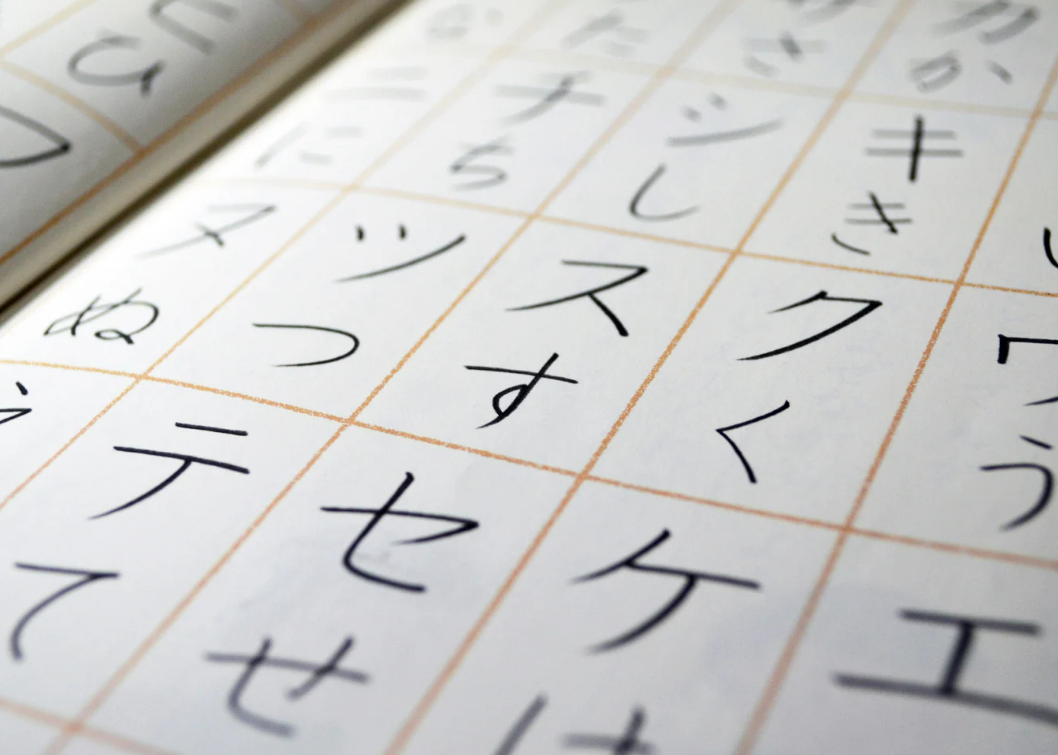
Reading Japanese materials supports grammar and kanji recognition. Beginners can start with children’s books or short stories written in simple language. Intermediate learners might move on to novels or newspapers to build reading speed.
Recommended reading approach:
| Level | Material Type | Goal |
| Beginner | Children’s books, manga | Recognize hiragana and katakana |
| Intermediate | Short stories, bilingual books | Expand grammar and vocabulary |
| Advanced | Newspapers, novels | Practice reading fluency |
Online Resources Tailored for New Yorkers
Online tools make it easier to stay consistent between classes or events. Learners can access digital flashcards, grammar lessons, and pronunciation guides designed for busy city schedules.
Some online tutors even adjust meeting times to match New York’s time zone.
Virtual language exchanges connect learners with native speakers in Japan. Video chats help practice conversation in real time without leaving home. Many learners combine these sessions with local study groups for balanced progress.
To stay organized, learners can:
- Set daily study goals.
- Track new words using spaced repetition apps.
- Review notes after each online session.
Conclusion
Our time in New York wasn’t just a change of scenery—it became a hands-on way for our family to learn Japanese together. We didn’t follow a perfect schedule, but mixing formal classes, bookstore visits, and everyday conversations helped bring the language to life for my kids (and even me).
If you’re visiting NYC for a few weeks or staying longer, there are plenty of low-stress, family-friendly ways to learn Japanese without feeling overwhelmed. Start small—join a language meetup, borrow a kids’ book in Japanese, or just say “konnichiwa” at the next cultural event. It’s a fun, flexible way to keep curious minds growing—even on a short stay.
A simple plan might include:
| Focus Area | Example Activity |
| Speaking | Join weekly conversation meetups |
| Reading | Practice short news articles or stories |
| Writing | Keep a short daily journal in Japanese |
| Listening | Watch shows or listen to podcasts with subtitles |
By combining steady practice, community interaction, and personal motivation, learners in New York can steadily build confidence and fluency in Japanese.
0
Leave a Reply