• Skip to primary navigation
  • Skip to main content
  • Skip to primary sidebar
  • Skip to footer

Whipperberry

WhipperBerry • Your Home For Creative Inspiration

  • Home
  • Recipes
    • Starters
    • Easy Weeknight Dinners
    • Main Dish
    • Salads
    • Side Dish
    • Soups & Stews
    • Desserts
    • Breakfast
    • Miscellaneous
  • Tutorials
    • Creative Crafts
    • DIY Decor
    • Fabric Crafts
    • Food How-To
    • Jewlery
    • Paint Projects
    • Paper Art
    • Party Styling
    • Photography and Graphic Design
    • Silhouette
  • Holidays
    • Easter
    • Mother’s Day
    • Father’s Day
    • 4th of July
    • Halloween
    • Thanksgiving
    • Christmas
    • Valentine’s Day
  • Gift Ideas
    • Gifts For Everyone
    • Gifts for Dad
    • Mother’s day
    • For The Girls
    • For The Kids
    • Teacher Gift Ideas
    • Christmas
  • Printables
    • Holiday
    • Gift Idea
    • LDS Primary
  • Travel
  • About
    • Terms
  • Contact
  • Nav Social Menu

    • Facebook
    • Instagram
    • Pinterest
    • RSS
    • Twitter

Home

Simple Ways to Make Your House Feel Like Home

0 · Nov 27, 2025 · Leave a Comment

Changing a house into a home goes far beyond furniture placement and paint colours. It’s the thoughtful, personal details that create genuine warmth and character, making spaces feel distinctly yours. Whether you’re settling into new homes or refreshing your current property, these small touches profoundly impact how you experience your space daily.

Lighting: Setting the Mood

Lighting shapes the vibe and emotional response to spaces. Instead of relying solely on harsh overhead fixtures, layer different lighting types for flexibility and depth. Ambient lighting provides overall illumination, and task lighting serves specific activities like reading or cooking, whilst accent lighting highlights architectural features or artwork.

According to Statista’s home décor market analysis, the UK home décor market generated £3.6 billion in 2024, with lighting representing a significant investment category as homeowners recognise its transformative power. Dimmer switches offer invaluable flexibility, allowing you to adjust brightness according to time of day and mood. Warm-toned bulbs (2700K-3000K) create cosier environments than cool whites, which is particularly important in living areas and bedrooms where relaxation matters most.

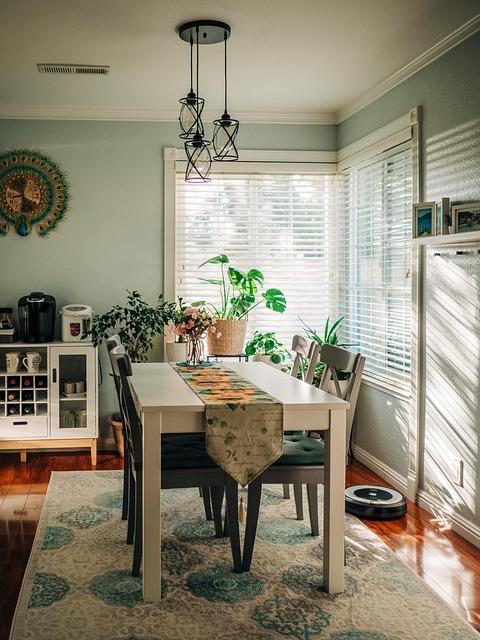
Cozy living room with furniture and abundant plants

Personal Touches That Tell Your Story

Meaningful décor distinguishes houses from homes more than any other element. Family photographs displayed in cohesive frames create visual narratives of cherished memories and loved ones. Custom artwork, whether inherited pieces, local artists’ work, or children’s creations properly framed, adds unique character impossible to replicate.

Sentimental items like travel souvenirs, inherited objects, or handmade gifts inject personality and conversation starters throughout your space. These elements needn’t be expensive; authenticity matters more than price tags. Display collections thoughtfully instead of cluttering surfaces, allowing each piece room to breathe and be appreciated.

Choosing Furniture That Fits Your Lifestyle

Furniture selection needs a good balance of aesthetics with practical considerations. Consider how you actually use spaces rather than how they might appear in magazines. Families with young children benefit from durable, washable fabrics over delicate materials. Those who frequently entertain need flexible seating arrangements.

Scale matters quite a lot, and oversized sofas overwhelm small rooms, whilst undersized furniture leaves larger spaces feeling incomplete. Multi-purpose designs like storage ottomans or extendable dining tables maximise functionality without compromising style.

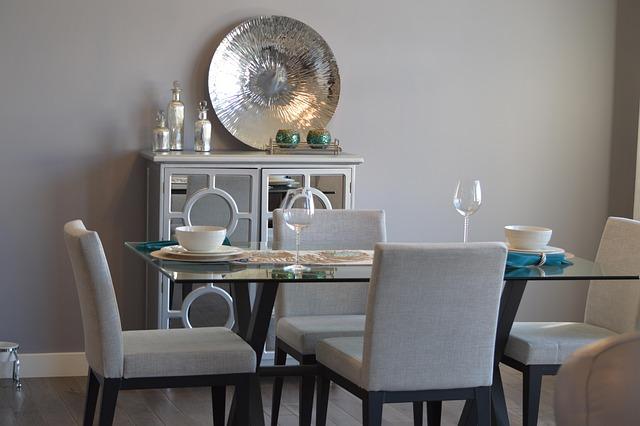
Cozy living room with furniture and fireplace

According to interior design market data, residential interior design remains the largest segment in the UK, with homeowners looking for furniture that balances style with everyday practicality.

Textures and Accessories for Warmth

Layering textures creates visual interest and tactile comfort that elevates any room. Rugs anchor seating areas whilst adding warmth underfoot, particularly valuable in properties with hard flooring. Throws draped over sofas invite relaxation and provide practical warmth during colder months. Cushions in varying sizes, patterns, and materials add depth without permanent commitment.

Mix smooth surfaces with rougher textures, like pairing sleek leather with chunky knits or smooth wood with woven baskets. Being mindful of washable fabrics and easy-to-clean materials can further help reduce dust in the house while keeping your home stylish. These accessories offer affordable ways to refresh spaces seasonally or when tastes evolve, making them perfect for experimenting with trends without major financial investment.

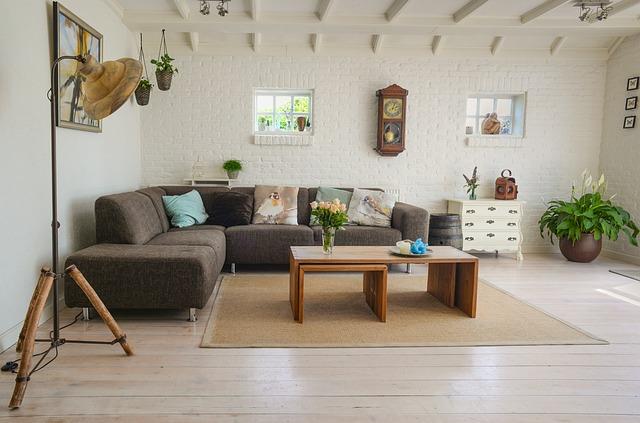
Cozy living room with furniture and staircase

Creating a home that truly feels like yours centre on accumulating thoughtful details that reflect your personality, lifestyle, and priorities. Through considered lighting, meaningful personal touches, practical furniture choices, and layered textures, you craft spaces that provide both comfort and authentic self-expression, changing any property into a genuine sanctuary.

Conclusion

The magic truly lies in those little choices. Warm lighting, meaningful décor, practical furniture, and layered textures help you build a home that fits your lifestyle. By combining these simple touches, you can create a space that feels comfortable and reflects your personality. With a bit of care and intention, your house becomes your home.

Why Roof Hatch Insulation Performance Matters More Than Most Builders Think

1 · Nov 27, 2025 · Leave a Comment

When we talk about improving a home, most conversations focus on cozy paint colors, open kitchen designs, or energy-efficient windows. Few of us think about something as subtle as a roof hatch. This small panel on the roof allows someone to climb into the attic or access the roof. Yet the insulation and build quality of a roof hatch can quietly affect your home’s comfort and energy bills for years.

A poorly insulated hatch can let warm air escape in winter or hot air seep in during summer, which makes your heating or cooling system work harder. In a house full of family life, where comfort and consistent energy bills matter, paying attention to roof hatch insulation can make a meaningful difference.

What’s In a Number

According to statistics relative to R-value effectiveness of performance, commercial roofs range at levels of R-30 or better while most commercial standard roof hatches only operate at R-10 and slightly above.

For something that is not much larger than a 4’x4′ square, one would not think that this makes such a difference, but it does, primarily when considering where the hatch integrates with the rest of the building envelope.

roof hatch insulation

The Thermal Bridge No One Wants to Talk About

What happens with a standard hatch is that the metal frame acts as a temperature conducting element straight through to the interior. Engineers know this as a thermal bridge. Even if some of the lid insulation performs decently, the metal frame that hugs it comes with an antiquated R-value of zero and can destroy the temperature performance integrity of the building envelope as a whole.

For example, in colder climates, this becomes evident sooner than one can expect. When condensation builds upon the interior side of the hatch frame (that’s right, it gets cold enough outside that a metal frame gets cold enough to create condensation), this moisture has to go somewhere, it drips down and collects on whoever/whatever resides below. This can be finished ceilings, equipment or action items requiring secure services, imagine whether they are whiteboards or cameras.

Even more problematic, however, are hot climates. When metal conducts heat, it does so through pressure; thus whoever is underneath (literally or figuratively) feels that immediate impact (plus feels it practically, and gets their attention redirected elsewhere). This is problematic after an extended time in a hot summer and used energy/fuel costs finally catch up with someone (instead of gradual day-to-day usage rates).

Even more disconcerting are units relying on mechanical systems. Hatches that do not perform well thermally require the HVAC system to kick up its cooling potential even higher – cranking AC when it doesn’t have to.

What Makes Up Good Thermal Performance

The difference between adequate and poor thermal performance comes down to a few specific design elements. Better options like the Surespan roof hatch address these issues through continuous insulation and thermal breaks that interrupt heat transfer paths.

Assumptions can be made that bigger budget options cost more upfront but alter how things perform down the line; ultimately, good performance once in place equals decades of savings versus something flimsy that would need replacement too soon.

Additionally, lid insulation matters but not necessarily thickness; spray foam performs differently than rigid board insulation performs differently from blanket insulation. Each has unique qualities depending on location and building envelope needs.

Numbers vs. Reality

Yet testing gets tricky. Manufacturers boast R-values on their tests but those are effectively IV locations in the middle of the lid panel and do not consider the continual frame or hardware penetrations across the unit and how effective performance exists if rendered as a collective unit.

However, secondary third party test results effectively fail these hatches. When labs break them down and test them, as units, without insulation/unneeded performance, their thermal quality drop significantly for what’s reported versus what happens.

While on first glance it may look like a huge difference between hypothetical value and reality, in reality it’s thousands upon thousands operable expenses lost in excess when the building is functioning and under occupancy daily for months at a time.

Yet no one sees this if they’re not around, they’re long gone; it’s only an ownership once a builder receives their check when owners turn to developers to determine why energy bills are excessively higher than anticipated based on engineered expectations.

That’s why regardless of thermal performance expectation, even for hatches, the notion becomes optional.

Northern vs Southern Building Hatch Connection Clarifications

Mixed climates exist everywhere but northern buildings express different hardships than southern ones, and thus need appropriate hatch considerations to reflect those realities. Heat loss dominated conditions mean heat wants to escape, thus R-value dominance needs to emphasize existing performance levels and infiltration around the frame’s edges is avoided like the plague.

Cooling dominated climates need to worry about excess temperature gain, which results in moisture infiltration; thus sealed options prevent humid air from entering conditioned spaces which cool systems down but create adverse lethargy/temperature issues for occupants before systems regain control.

Mixed climates, most of the US, need holes that perform well either way since thermal breaks are good year-round regardless which way heat wants to move.

Maintenance Theoretical Costs No One Plans For

Thermal breaks rarely promote performance for anyone or anything but they protect against condensing actions that otherwise damage surfaces above or below ceiling tiles due to excess moisture that happens when air temperature differentiates too drastically against what’s outside.

Good thermal performance hatch units last longer since they’re not fighting what’s going on outside; seals remain intact through expansion/contraction – the hardware operates more smoothly and even more, for ages down the line before they need attention.

Maintenance workers know these units versus freebie units by their actions, and how difficult it is to go up there during winter due to ice or summer due to stickiness, which jeopardizes what’s on each roof that either needs immediate attention (sprinkler systems) or what’s collected behind it (exhaust fans).

What To Really Ask For

Put performance options out there first, determine what zones the buildings fall into first best, those limits provide requirements better than energy requirements out there.

Exceed R-values found in manufacturer data and give them parts numbers; ask for third party testing results and performance of both the continuous frame edge AND lid.

Pay attention to gasket systems, the best insulated performance isn’t insulated due to opening air leaks around and edges; good quality gasket systems avoid air leaks and water gets inside, not outside if they’re properly weathertight down the line, and at both extremes.

The Economic Reality

Hatches that are better insulated cost more, but usually 20-40% more than standard plasticky offerings. Most commercial buildings pay them off between 3-7 years depending on energy rates and subsequent climate extremes.

It makes even more sense for high performance projects with green certifications unless they want to crash before they even get going because roofs roofs with weak thermal operations cannot sink/build overall certifications expectations.

For spaces below grade access hatch no longer becomes an option, it’s critical, light industrial spaces, laboratories, commercial freezers, they can’t afford temperature fluctuations.

roofing insulation

The Reality Construction Teams Will Never See

There’s Construction teams who will never have to deal with the long term impacts of poor thermal performance, but they will be underly vetted when this idea is skipped over, that’s why it’s critical someone knows these factors even if they’re not expected.

A roof hatch represents very small square footage of an overall roof footprint yet its factor explosion related building operations is grossly disproportionate, it would take one minute of every day of every year 24/7/365 after it’s been built in perfect condition.

Thermal information prevents years from being wasted any usefulness effort while achieving access that’s easy any time of year for no ancillary costs ever again expected. It all balances out pretty quickly once it’s in place right, and after that, it’s just a good building doing its job like it should have since day one.

Conclusion

If you want your home to stay comfortable year-round and you care about saving on energy costs over time, choosing a well-insulated roof hatch is worth the extra attention. A quality hatch with strong insulation, proper sealing, and a well-designed frame helps keep indoor temperatures stable. That means lower energy bills, fewer drafts, and a quieter, more comfortable atmosphere for your family, even in extreme weather.

Before you sign off on a remodel or a new build, ask your contractor about hatch insulation details, third-party performance tests, and gasket sealing. Investing a little more now can lead to years of savings and comfort. It helps make your home a more pleasant place for everyone.

Essential Home Upgrades for a Fresh, Family-Friendly Space

0 · Nov 21, 2025 · Leave a Comment

Home is where everything happens—from early mornings getting the kids ready to winding down after a long day. When a space feels outdated or cluttered, it can make those everyday moments more stressful than they need to be. Thankfully, you don’t need a full renovation to bring new life to your home.

By making a few small home upgrades like switching out lighting, refreshing cabinet hardware, or improving storage, you can create a space that feels calmer, more functional, and easier to keep up with. These simple changes can help your home feel more modern and family-friendly without taking over your time or budget.

Update Your Lighting for a Fresh Feel

Lighting changes the atmosphere in a way few upgrades can match. Many households start with small adjustments, like warmer LEDs or softer fixtures that support a cleaner look. Pendant lights over dining areas bring focus without creating clutter.

Under-cabinet lighting brightens kitchens and makes food prep easier. Floor lamps with simple lines lift a room without extra effort. Track lighting helps highlight shelves or artwork. When you mix light sources, rooms feel balanced.

A few thoughtful adjustments support a modern layout that feels calm and comfortable. Most homes benefit from replacing dated fixtures, and the upgrade often feels quick and manageable.

essential home upgrades

Source

Modern Bathroom Improvements for a Clean Style

Homeowners in Virginia Beach, VA often ask for well-planned bathroom updates that fit coastal homes and modern layouts. Many residents want clean surrounds, easy-to-maintain fixtures, and comfortable shower spaces.

A Virginia Beach bathroom remodeling company can offer fresh tub replacements, walk-in shower designs, upgraded wall surrounds, and strong materials that hold up well in humid weather. Acrylic surrounds, slip-resistant bases, and updated hardware help create a clean style without long delays.

Refresh Your Kitchen With Simple Cabinet Changes

Cabinet changes give kitchens a quick lift without major effort. Many people start with new handles or pull that match a modern style. Soft-close hinges add a smooth feel and keep door movement quiet.

Repainting cabinets in soft whites or light greys creates a bright tone. Some homeowners add glass panels to a few doors for a lighter look. Open shelves work well when the room needs more breathing space.

A clean cabinet layout supports simple cooking routines and daily use. These changes work well in homes that need quick updates without long delays or big budgets, and the results stay noticeable.

Add Modern Flooring That Elevates Each Room

Modern flooring shapes the feel of a room fast. Luxury vinyl plank works well for many households because it handles moisture and looks current. Tile fits bathrooms, kitchens, and entry areas where durability matters.

Engineered wood gives a warm appearance without the upkeep of traditional wood floors. People choose wider planks for a more open look. Smooth finishes create a clean surface that suits modern layouts.

Fresh flooring also helps older rooms feel new again. Many homes in humid regions need materials that stay stable throughout the year. A flooring upgrade often becomes the change that ties a room together.

Use Neutral Colors With Pops of Accent Shades

Neutral colors keep rooms calm and modern. Soft whites, greys, and beige tones work with most furniture and décor. When a room needs personality, a small accent shade brings it in without overwhelming the space. Throw pillows, blankets, or artwork add color without large commitments.

Many households rotate accents during different seasons for variety. Neutral backdrops also help small rooms feel open. They blend well with wood tones, metal fixtures, and textured fabrics.

When you keep the base simple, you gain freedom to adjust other parts of the room. This approach supports a modern look that stays flexible and easy to maintain.

Upgrade Old Doors and Trim for a Sleek Finish

Doors and trim shape the structure of each room more than people realize. Replacing old trim with straight, simple designs gives the walls a clean border. Swapping outdated doors for solid-core or smooth panel options creates a modern feel.

Fresh paint in soft tones supports the look. Many households also change hinges and knobs for consistent style. These small parts matter when you want a unified layout that stretches through the entire home.

Modern trim helps highlight flooring and wall color. The update fits well with older homes that need a quick refresh. The result stays clean, tidy, and polished.

Improve Storage to Reduce Clutter

Clutter makes rooms feel smaller than they are, so efficient storage always helps. Built-in shelving adds structure and keeps items organized. Open shelves work for décor pieces, books, or baskets.

Storage benches support entryways where shoes and bags pile up. Bedroom closets benefit from simple dividers or drawers that make clothing easier to sort. Hidden storage, like lift-top coffee tables, helps keep common areas neat.

Many homes gain a calmer look when there is a place for everything. Modern design leans toward simple layouts with fewer visual distractions. Smart storage choices create rooms that feel open and easy to manage.

Add Smart Features That Help Daily Life

Simple smart features lighten daily routines without making things complicated. A smart thermostat adjusts indoor comfort with easy controls.

Modern switches let you change lighting levels with a quick tap. Voice-controlled bulbs help when your hands stay full. Basic security cameras or sensors add peace of mind.

Many households enjoy small upgrades that blend into everyday life rather than change routines. Smart features work best when you choose a few helpful items instead of overwhelming the home.

These additions support comfort, convenience, and a clean modern feel. They also help older homes feel current without major updates.

smart home features

A Home That Supports Your Everyday Routine

Modernizing your home doesn’t have to involve major projects. With just a few thoughtful updates, you can create a space that works better for your family and feels more put together. Whether it’s improving lighting, adding smart storage, or updating high-traffic areas like the kitchen or bathroom, small changes can make a big difference.

Start with one room or one project that will ease your daily routine. Over time, these upgrades will add comfort, reduce stress, and make your home a place that supports everything you do—while still feeling stylish and fresh.

How to Create an Eco-Friendly Bedroom: A Simple Guide That Actually Works

0 · Nov 20, 2025 · Leave a Comment

People spend about a third of their lives sleeping or trying to get quality rest. Your bedroom’s eco-friendly decor serves as more than just a design choice—it becomes an investment in your wellbeing and the planet’s future.

A simple switch to LED light bulbs can cut your energy use by up to 90% and save you about £70 each year on energy bills. On top of that, UK’s sustainable bedroom designs now welcome materials like bamboo, cork, and reclaimed wood. These materials are renewable, biodegradable and VOC-free, which helps your indoor air quality improve by a lot.

A truly sustainable bedroom needs more than energy-efficient lighting. Your space needs thoughtful choices about materials, products, and energy usage. Organic mattresses and air-purifying plants make your room beautiful while they clean the air. Every element helps create a healthier sleep environment.

This piece shows you practical steps to revolutionise your bedroom into an eco-friendly sanctuary while keeping its style and comfort intact. You’ll find ways to boost your sleeping experience with environmentally responsible choices, whether you plan a complete makeover or just want simple switches.


Eco-Friendly Bedroom

What Makes a Bedroom Eco-Friendly?

A truly eco-friendly bedroom needs more than just a few strategically placed plants. Your sleep space should strike the perfect balance between environmental responsibility and personal comfort. This balance ensures your bedroom supports both planetary and personal health.

Understanding Sustainable Design Principles

Five core principles serve as the foundations of sustainable design in an eco-friendly bedroom:

  • Waste reduction – You can minimise consumption and choose products that last longer
  • Energy efficiency – Smart choices in lighting and appliances save energy
  • Health promotion – Materials that support wellbeing and good sleep make a difference
  • Low carbon footprint – Locally made items from sustainable sources reduce environmental impact
  • Timeless design – Your space should stay functional and stylish for years

These principles help you make better choices about everything from furniture to lighting fixtures. Sustainable design looks beyond passing trends.

Your bedroom should remain functional and stylish for years without needing frequent updates. Sustainable bedrooms often take a minimalist approach. This naturally cuts down resource use since smaller, well-designed bedrooms need fewer resources to furnish, heat and cool.

Why Your Bedroom Matters for Health And the Planet

Your bedroom might be the most important room in your home when it comes to personal well-being. The National Institutes of Health reports that we spend about one-third of our lives sleeping or trying to get quality rest. The interior environment of bedrooms affects your sleep quality, which then influences your productivity, health, and overall wellbeing.

Weather extremes make this connection between bedroom environment and health even more important. To cite an instance, high night-time temperatures during heatwaves can disrupt sleep patterns. This becomes particularly challenging in temperate climate zones where people don’t typically use air conditioning.

Regular bedroom products often hide chemicals that can cause serious health issues, including:

  • Hormonal disruptions
  • Neurological effects
  • Immune system suppression
  • Skin and respiratory irritation
  • Increased cancer risk

An eco-friendly bedroom offers two major benefits. You reduce your environmental footprint through smart material choices and energy conservation. Your sleep environment becomes healthier without the toxins found in regular bedroom products. This creates better sleep quality and reduces your exposure to harmful substances.

Start with the Bed: Where Comfort Meets Sustainability

A good night’s sleep starts with your bed – the centrepiece of any eco-friendly bedroom. Your bed takes up most of the space and shapes your sleep quality. This makes it perfect to start your green transformation.

Choose an organic mattress with natural latex or wool

Natural latex organic mattresses give you amazing benefits compared to regular ones. The 100% organic GOLS-certified Dunlop latex comes from sustainable rubber tree plantations. This creates a sleep surface without chemicals and metals. These mattresses keep you safe from dust mites and help with allergies and asthma by naturally stopping microorganisms.

Sleepeezee mattress

Pictured: Centurial Sleepeezee Mattress. British craftsmanship using the finest natural materials, including British wool, alpaca wool and talalay latex.

You’ll find mattresses with special 7-zone comfort structures. These recognise that your body needs different support levels for your head, shoulders, back, hips, legs, knees and ankles. Some UK manufacturers now make carbon-neutral or carbon-negative mattresses. They actively cut emissions through green production methods.

Use eco-friendly pillows made from kapok or buckwheat

Natural pillow options can help you sleep better:

  • Kapok pillows: These pillows use silky, light fibres from kapok tree seed pods as a vegan option instead of down feathers. They naturally fight off dust mites, mould, and bacteria – perfect if you have allergies.
  • Buckwheat pillows: These contain hard outer shells of buckwheat seeds and give firm support while letting air flow freely. The pyramid-shaped hulls connect to create adjustable support that feels like a massage. The spaces between hulls let moisture and heat escape fast, so you stay cool all night.

Kapok works best for side and stomach sleepers with its soft, cushiony feel compared to buckwheat’s firmness. Both options break down naturally and help protect our environment unlike synthetic materials.

Pick bedding made from organic cotton, hemp or linen

Your sustainable sleep sanctuary needs organic bedding. GOTS-certified organic cotton grows without synthetic pesticides or fertilisers. This helps create healthier soil and supports biodiversity. The certification shows the highest standards in sustainability and ethics.

Hemp shines as an amazing bedding material. It needs very little water, no pesticides, and its deep roots make the soil healthier. Hemp’s long fibres help you stay comfortable by controlling temperature through the night with a soft but structured feel.

Organic linen from flax grown in France, Belgium, and the Netherlands grows naturally without artificial help. Its natural pores let your skin breathe, control temperature, and move moisture away.

These sustainable bedding choices work double duty – they help you sleep better and protect our planet.

Design with Purpose: Furniture, Flooring and Decor

Your bedroom can become an eco-friendly haven with smart choices that go beyond just the bed. Every element in your space, from furniture to flooring, gives you a chance to help the environment while creating a beautiful sanctuary.

Opt for reclaimed or vintage furniture

Reclaimed furniture brings two major benefits to your bedroom. Each piece comes with its own story, shown through unique variations in colour, texture, and grain patterns that showcase the original structure’s history. Old buildings, barns, and other structures provide the wood that gets a new life instead of ending up in landfills.

Reclaimed wood furniture stands apart from mass-produced items with its character and uniqueness. You’ll find its timeless appeal creates a foundation that stays stylish for years, which means less waste from frequent replacements.

Use bamboo or cork for flooring

Bamboo and cork lead the pack as eco-friendly flooring choices. Bamboo grows to maturity in just 3-5 years, while traditional hardwood trees need 20+ years. This quick regeneration makes bamboo an incredibly renewable resource.

Cork comes from cork oak tree bark without damaging the tree. These amazing trees live up to 200 years and keep producing cork their entire life. The natural cellular structure helps regulate temperature and cut down noise through superior thermal and acoustic insulation.

Bamboo flooring costs between £3.97 to £7.94 per square foot, while cork ranges from £2.38 to £5.56 per square foot. Cork works especially well in bedrooms because it feels soft and cushioned underfoot.

Decorate with natural materials like rattan or jute

Natural materials add organic warmth to your bedroom while staying eco-friendly. Jute rugs made from strong plant fibres create a timeless foundation that’s easy to live with. Their neutral colours work with any bedroom style.

A bedroom with eco-friendly wooden furniture.

Image credit Bedstar: Sustainable bedroom décor with furniture made from Rubberwood.

Rattan brings interesting texture through its lightweight yet durable nature. This versatile material ages beautifully and works great in bedroom furniture or decorative pieces. Mix rattan with upholstered and painted pieces to create a charming, eclectic look.

Add energy-efficient lighting and smart switches

LED lights can replace traditional incandescent bulbs to cut down your energy use. Dimmer switches let you adjust light levels based on what you need, which saves even more energy.

Smart lighting takes things further with sensors and timers. You can create perfect ambiance and make sure lights don’t stay on when not needed.

Create a Healthy Sleep Environment

Hidden elements in your bedroom can have a big impact on how well you sleep. A healthy sleep environment needs more than just a comfortable bed – it’s about clean air, safe materials, and protection from electromagnetic fields.

Use non-toxic paint to reduce indoor pollutants

Your indoor air can be up to 70 times more polluted than outside. Regular paints release harmful VOCs that make asthma and allergies worse. You should pick zero-VOC paints that don’t smell and meet European Standard EN 71-3:2019. These eco-friendly options are free from harsh chemicals like formaldehyde or benzene that you’ll find in standard paints.

Add air-purifying plants like aloe vera or snake plant

NASA’s research shows snake plants remove almost all air toxins. These plants keep producing oxygen at night, which helps you feel more energised when you wake up. Aloe vera works the same way, cleaning your air while you sleep and it might help reduce cluster headaches because it produces extra oxygen.

Plants by the bedroom window sill

Image credit: Bedstar

Keep clutter minimal with sustainable storage

A messy bedroom can leave your mind racing and overstimulated. Yes, it is possible to create a peaceful and practical space without giving up style. The best storage options come from bamboo, hemp, or recycled materials rather than plastic.

Unplug devices to reduce EMF

You can cut down electromagnetic field exposure by simply unplugging your electronics. This creates a space with fewer EMFs, which helps maintain natural sleep cycles.

Key Takeaways

Transform your bedroom into an eco-friendly sanctuary that benefits both your health and the planet with these essential sustainable choices:

• Start with organic bedding materials: Choose natural latex mattresses, kapok or buckwheat pillows, and GOTS-certified organic cotton, hemp, or linen bedding for chemical-free sleep.

• Select sustainable furniture and flooring: Opt for reclaimed wood furniture and bamboo or cork flooring—bamboo matures in just 3-5 years versus 20+ for hardwood.

• Improve air quality naturally: Use zero-VOC paints and add air-purifying plants like snake plants or aloe vera that release oxygen throughout the night.

• Reduce energy consumption: Switch to LED bulbs to cut energy use by 90% and save approximately £70 annually on bills, plus unplug devices to minimise EMF exposure.

Creating an eco-friendly bedroom isn’t just about environmental responsibility—it’s about investing in better sleep quality and personal wellbeing. Since we spend one-third of our lives sleeping, these sustainable choices directly impact our health whilst reducing our carbon footprint.

  • « Go to Previous Page
  • Page 1
  • Interim pages omitted …
  • Page 20
  • Page 21
  • Page 22
  • Page 23
  • Page 24
  • Interim pages omitted …
  • Page 70
  • Go to Next Page »

Primary Sidebar

Heather from Whipperberry
Hello... my name is Heather and I'm the creator of WhipperBerry a creative lifestyle blog packed full of great recipes and creative ideas for your home and family. I find I am happiest when I'm living a creative life and I love to share what I've been up to along the way... Come explore, my hope is that you'll leave inspired!

Footer

  • Privacy Policy
  • Crafts
  • Food
  • Gifts
  • Holidays
  • Home
  • Mom Life
  • Recipes
  • Travel

Copyright © 2026 · Seasoned Pro