A home should feel comfortable, personal, and welcoming. While furniture and wall colors often receive the most attention, smaller decorative details can have an equally powerful impact on the atmosphere of a room. Soft furnishings, especially decorative pillows, help create warmth, texture, and personality without requiring a major redesign.
Today, more homeowners are embracing personalized décor that reflects their memories and lifestyles. A thoughtfully designed photo pillow can instantly make a living room, bedroom, or reading corner feel more inviting. Whether styled with family photos, travel memories, or meaningful artwork, personalized décor pieces add emotional value while making spaces feel more lived-in and unique.
Why Personalized Home Décor Feels More Meaningful
Modern interior design is shifting away from purely decorative trends. Many people now prefer homes that feel authentic and emotionally connected to their lives rather than spaces designed only for appearance.
The Shift Toward Personalized Interiors
Personalized interiors help transform houses into homes. Instead of filling rooms with generic decorations, homeowners increasingly choose décor that reflects meaningful experiences and memories.
This growing interest in personalization has made products like personalized pillows with photos more popular in modern homes. These decorative accents combine comfort with emotional storytelling, allowing people to display cherished moments in a subtle and stylish way.
Unlike mass-produced accessories, personalized décor creates a stronger sense of individuality and connection within a space.
Why Soft Furnishings Create Emotional Comfort
Soft textures naturally make rooms feel warmer and more relaxing. Decorative pillows, blankets, and upholstered furniture create visual softness while also improving physical comfort.
A carefully designed custom pillow can completely change the mood of a seating area or bedroom. Even small additions can make minimalist interiors feel cozier and more welcoming without overwhelming the overall design.
Because pillows are both decorative and functional, they remain one of the easiest ways to refresh a room affordably.
How Custom Pillows Transform Living Rooms and Bedrooms
Pillows are often underestimated in home design, yet they have the ability to dramatically influence the appearance and comfort of a room. Their flexibility makes them ideal for quick seasonal updates and long-term decorating styles alike.
Adding Warmth to Neutral Spaces
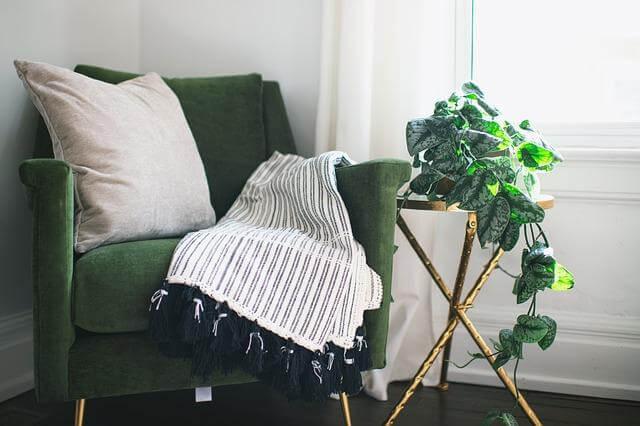
Neutral interiors are timeless, but they can sometimes feel too minimal or cold. Decorative pillows help soften these spaces by adding texture, color, and personality.
A stylish picture pillow featuring family photography, nature imagery, or soft artistic designs can become a subtle focal point in an otherwise simple room. Layering pillows with different fabrics and tones also creates a more relaxed and inviting atmosphere.
This approach works especially well in modern apartments and open-concept living rooms where comfort and simplicity need to coexist.
Creating Cozy Family-Friendly Corners
Family rooms and bedrooms benefit greatly from personalized decorative accents. Pillows placed on sofas, window benches, or beds instantly make these areas feel more comfortable and lived-in.
Many homeowners now use personalized pillow designs to showcase memorable moments, including wedding photos, pet pictures, or favorite travel destinations. These small details help create emotional warmth while making spaces feel highly personal.
Comfort-focused decorating has become especially important as more people spend extended time working and relaxing at home.
Using Pillows to Add Color and Personality
Decorative pillows are also an easy way to introduce color without repainting walls or replacing large furniture pieces. Seasonal palettes, artistic patterns, and printed photography can refresh interiors quickly and affordably.
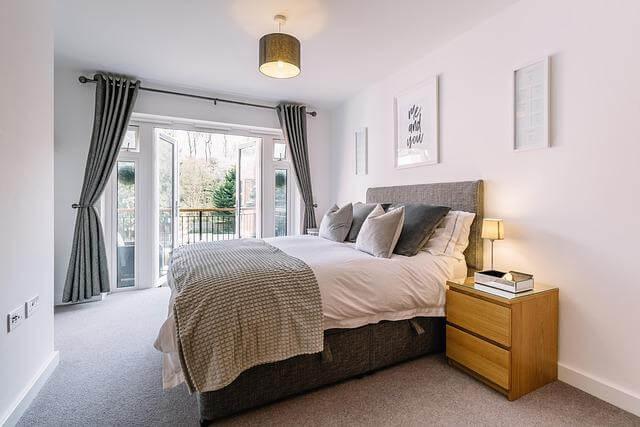
A thoughtfully arranged custom pillow with picture design can help tie together different elements within a room while adding visual interest to neutral furniture.
This flexibility allows homeowners to experiment with changing styles without committing to permanent décor changes.
Mixing Decorative Styles Without Overcrowding
One advantage of pillows is their ability to blend multiple design styles harmoniously. Rustic, modern, minimalist, and bohemian interiors can all benefit from layered decorative accents when balanced properly.
Instead of overcrowding a room with excessive décor, a few carefully chosen photo pillow arrangements can create visual depth while maintaining a clean and organized appearance.
The key is choosing coordinated colors and layouts that complement the surrounding furniture and décor.
Creative Ways to Use Personalized Photo Pillows Around the Home
Personalized pillows offer far more versatility than many people realize. Beyond sofas and beds, they can enhance multiple areas throughout the home.
Travel Memories and Vacation Photos
Travel photography often carries emotional significance, making it ideal for personalized décor. Scenic landscapes, beach sunsets, or favorite city snapshots can easily become stylish home accents.
Displaying travel-inspired personalized pillows with photos allows homeowners to relive memorable experiences while adding artistic personality to their interiors.
These designs work especially well in guest rooms, reading corners, and relaxed lounge spaces.
Family Portraits and Pet Pictures
Family portraits and pet photos remain some of the most popular choices for personalized décor. These images create emotional warmth while making rooms feel uniquely personal.
A soft picture pillow featuring beloved family moments can instantly make living spaces feel more intimate and comforting. Pet photography also adds playful charm to casual seating areas and bedrooms.
Because pillows are practical everyday items, they help integrate personal memories naturally into home décor.
Seasonal and Holiday Decorating Ideas
Decorative pillows are also useful for seasonal styling. Rotating colors, patterns, and printed imagery throughout the year helps keep interiors feeling fresh without requiring major redecorating.
A seasonal custom pillow collection can add warmth during colder months or introduce lighter, brighter aesthetics during spring and summer.
This flexibility makes pillows one of the most adaptable decorative accessories available for modern homes.
Thoughtful Decorative Accents for Small Spaces
Small apartments and compact rooms often benefit from subtle decorative additions rather than oversized furniture or excessive wall décor.
A carefully placed custom pillow with picture design can add personality to small reading chairs, benches, or bedroom corners without consuming valuable space.
Because pillows combine style and functionality, they are particularly effective for maximizing comfort in smaller living environments.
How Personalized Décor Reflects Modern Lifestyle Trends
Home décor trends increasingly emphasize individuality, comfort, and emotional connection rather than purely aesthetic perfection.
The Rise of Emotion-Driven Home Styling
Consumers now prioritize interiors that feel emotionally meaningful rather than overly formal. Personalized décor reflects this broader shift toward comfort-focused living spaces.
Products like personalized pillow designs allow homeowners to incorporate memories and personal identity directly into everyday environments.
This trend continues growing as consumers seek deeper emotional value from the products they purchase.
Social Media and Personalized Interior Trends
Social media platforms have also influenced the popularity of customized home décor. People are constantly exposed to cozy interiors, curated living spaces, and visually expressive styling ideas online.
As a result, products like canvas pictures, custom wall art, and decorative pillows have become central to many modern interior trends.
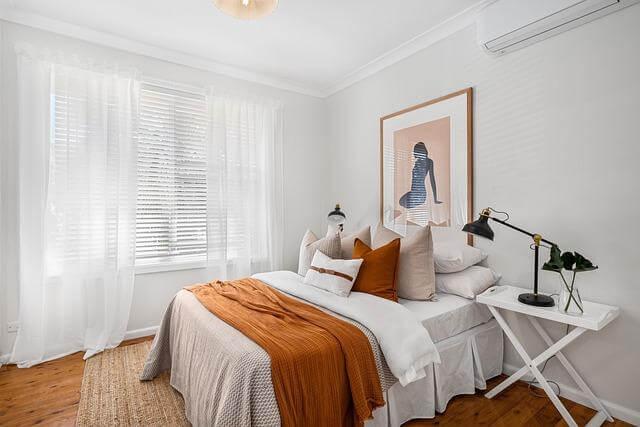
Consumers increasingly want homes that feel visually distinctive while still maintaining warmth and comfort.
Why Functional Décor Is Becoming More Popular
Modern homeowners often prefer products that combine beauty with practicality. Decorative pillows serve both purposes effectively by enhancing visual appeal while improving comfort.
This combination of functionality and personalization explains why customized soft furnishings continue gaining popularity across different interior styles and age groups.
Tips for Choosing the Right Custom Pillows for Your Space
The right decorative choices can make personalized pillows feel cohesive rather than distracting. A balanced approach helps maintain both comfort and style.
Choosing the Right Fabric and Size
Fabric texture significantly affects the overall atmosphere of a room. Soft linen, velvet, and cotton materials each create different visual moods and comfort levels.
Selecting the appropriate size also helps maintain balance, especially when styling multiple pillows together.
Selecting Photos That Print Well
High-resolution images generally produce the best results for personalized décor. Bright lighting, sharp details, and uncluttered compositions help photographs appear cleaner when printed.
Many homeowners creating personalized pillows with photos choose emotionally meaningful images that also complement their interior color palette.
Coordinating With Existing Décor
Decorative pillows should complement surrounding furniture rather than overpower it. Coordinated tones, textures, and layouts help maintain a polished and cohesive appearance.
When styled thoughtfully, personalized pillows can elevate both modern and traditional interiors effortlessly.
Final Thoughts
Personalized décor has become an important part of modern home styling because it creates emotional warmth and individuality. Decorative pillows offer one of the simplest ways to make interiors feel more comfortable, welcoming, and visually personal.
Whether featuring family memories, travel photography, or artistic designs, customized pillows help transform ordinary spaces into environments filled with character and meaning. As homeowners continue embracing comfort-focused interiors, personalized decorative accents will likely remain a timeless and meaningful part of modern living.