• Skip to primary navigation
  • Skip to main content
  • Skip to primary sidebar
  • Skip to footer

Whipperberry

WhipperBerry • Your Home For Creative Inspiration

  • Home
  • Recipes
    • Starters
    • Easy Weeknight Dinners
    • Main Dish
    • Salads
    • Side Dish
    • Soups & Stews
    • Desserts
    • Breakfast
    • Miscellaneous
  • Tutorials
    • Creative Crafts
    • DIY Decor
    • Fabric Crafts
    • Food How-To
    • Jewlery
    • Paint Projects
    • Paper Art
    • Party Styling
    • Photography and Graphic Design
    • Silhouette
  • Holidays
    • Easter
    • Mother’s Day
    • Father’s Day
    • 4th of July
    • Halloween
    • Thanksgiving
    • Christmas
    • Valentine’s Day
  • Gift Ideas
    • Gifts For Everyone
    • Gifts for Dad
    • Mother’s day
    • For The Girls
    • For The Kids
    • Teacher Gift Ideas
    • Christmas
  • Printables
    • Holiday
    • Gift Idea
    • LDS Primary
  • Travel
  • About
    • Terms
  • Contact
  • Nav Social Menu

    • Facebook
    • Instagram
    • Pinterest
    • RSS
    • Twitter

Home

Designing Homes That Feel Like a Vacation

0 · Jun 25, 2025 · Leave a Comment

As a mom who juggles the beautiful chaos of family life, I’ve come to truly appreciate the magic of creating a home that doesn’t just function but actually feels like a peaceful retreat. There’s something so special about walking through your front door and immediately feeling like you’re on vacation. Designing homes that feel like a vacation isn’t just about luxury. It’s about building in everyday joy, ease, and a little bit of escape from the hustle.

Whether it’s an airy layout that invites in the light, a cozy outdoor nook for morning coffee, or calming materials that bring a spa-like vibe, it’s totally possible to turn your home into your favorite getaway spot without ever packing a suitcase. Here are some of the best design techniques to achieve this:

Hospitality-Inspired Spatial Design

Thoughtful spatial planning serves as the fundamental element that transforms a house into a vacation-like experience. Spacious interior spaces that connect visually to outdoor nature elements produce feelings of serenity and spaciousness.

The integration of floor-to-ceiling windows and indoor-outdoor continuity with courtyards enables natural light and outdoor views to function as dominant design elements. The primary suite and kitchen and living area receive their design transformation through hospitality design principles.

The combination of hotel-style en suite bedrooms with kitchens that serve both entertaining and culinary purposes and multipurpose lounges which serve as yoga and reading areas creates a smooth transition from daily tasks to restful living.

The home’s circulation paths should be straightforward and unencumbered to ensure effortless movement from one area to the next. Design professionals apply spa and resort design concepts to develop transitional spaces through wide hallways and concealed lighting and calming finishes which promote mindfulness between rooms.

The addition of adaptable zones which serve multiple purposes such as meditation rooms that transform into art studios and sunrooms that function as both breakfast nooks and home offices enriches daily life while stopping monotony. Looking through a range of house plans can also spark ideas for flexible layouts like these, making it easier to create spaces that shift with your family’s needs.

Atmosphere Through Materials and Finishes

The emotional impact of a space heavily depends on the materials selected for its construction. Many professionals adopt natural and tactile and timeless materials for their projects to create spaces which resemble resort and spa environments. A design palette consisting of stone, wood, linen, ceramic and limewash creates a textured environment which feels both soothing and grounding. The selection of finishes should emphasize softness and harmony through matte finishes instead of gloss and natural patina rather than polished surfaces to create an atmosphere of ease and lasting quality.

Color plays a complementary role. The color palette of earth tones and warm neutrals together with marine-inspired tones creates subtle connections to restful spaces found in vacation settings. The selected colors differ from those used in urban and commercial spaces because they foster psychological comfort while connecting users to natural surroundings.

The overall mood of a space gets defined by both architectural lighting and ambient illumination. The combination of adjustable color temperature with layered illumination and decorative fixtures generates either dramatic or serene effects based on daily timing and desired ambience.

Custom Inground Pools and Outdoor Sanctuaries

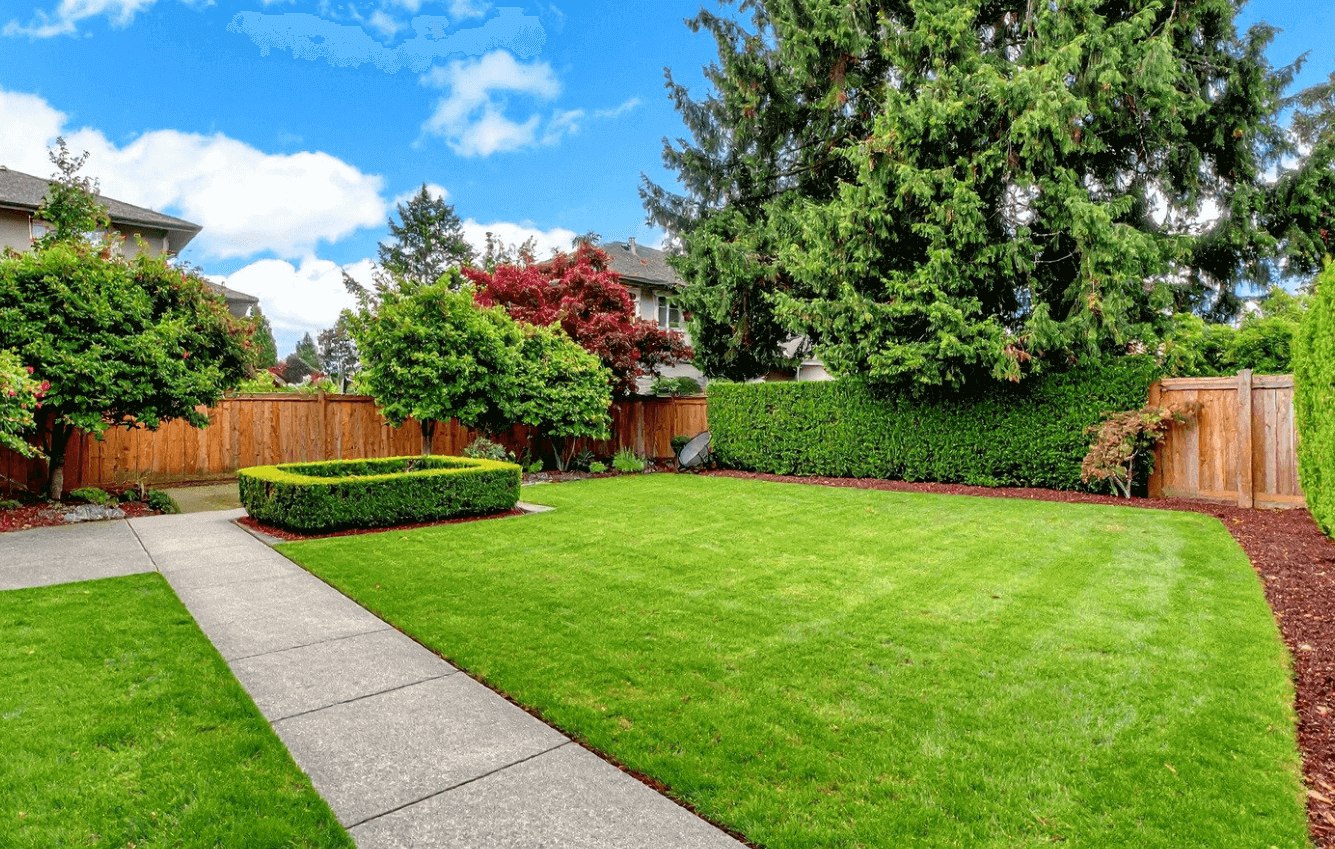
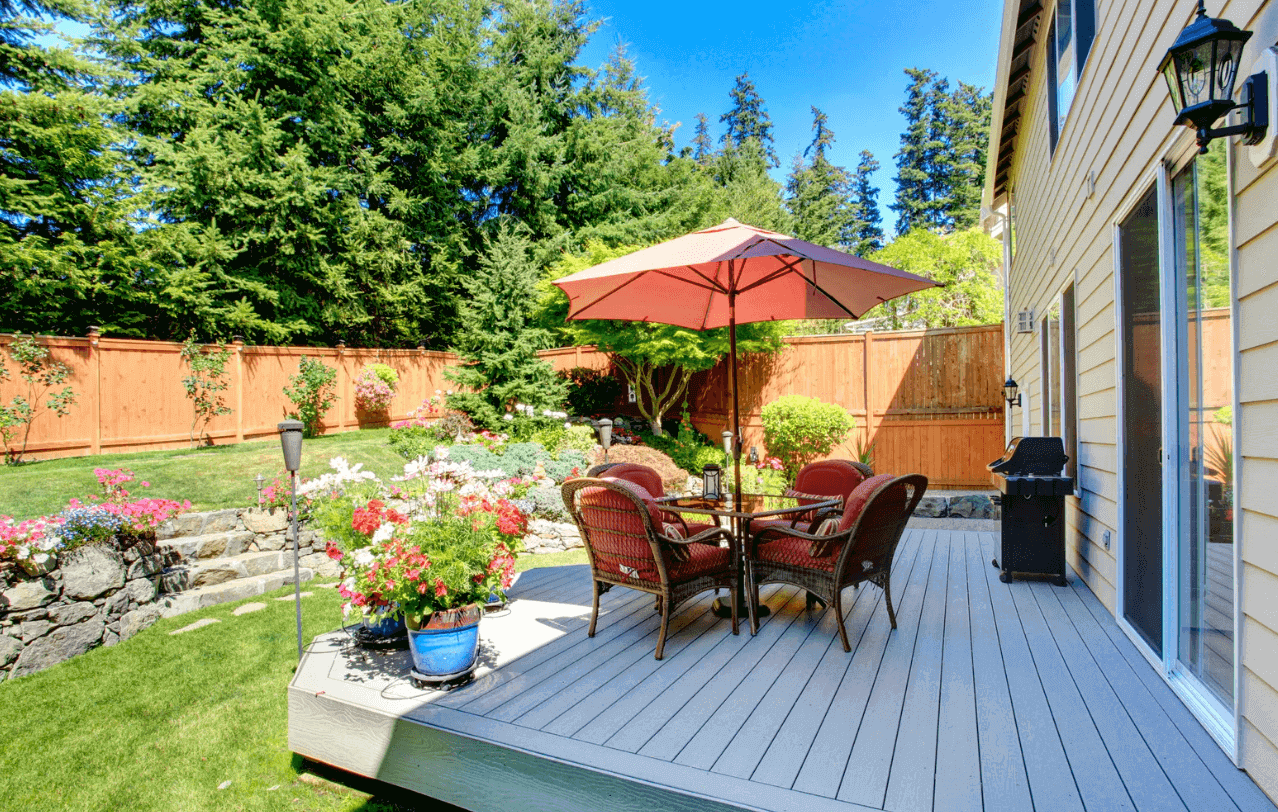
The external setting holds equal importance when designing a house to feel like vacation property. Custom inground pools are among the most effective and represent the most lasting and efficient solution to achieve this effect. The strategic placement of pools within the landscape while maintaining architectural harmony with the house turns them into design elements which transform the entire outdoor experience.

The design approach includes zero-edge or infinity profiles for unbroken visual continuity along with submerged lounging ledges for relaxation and built-in spa areas for continuous use. A combination of custom inground pools with natural stone decking and outdoor showers and shade structures and carefully chosen plantings forms secluded wellness spaces accessible from the main living areas. The combination of automated features with sustainable components including solar heating and intelligent filtration systems both improves usability and makes the space more eco-friendly.

custom pool

Daily Rituals That Support Leisure Living

Design provides the initial structure for vacation-like living yet meaningful rituals establish the actual experience. Spaces that encourage both daily pleasure and reflection enable the home to experience experiential luxury. The creation of a breakfast terrace for morning sun viewing alongside outdoor fire installations for evening events and wellness zones featuring infrared saunas and plunge pools and massage tables constitutes one possible design approach.

Technology provides support for these rituals by being integrated in a natural way. A home automation system that manages sun-dependent blinds along with programmed scent diffusers and music tone adjustments through daily cycles creates subtle yet powerful sensory elements. The success depends on how these convenient features maintain focus on being present instead of pulling attention away from it—creating relaxation which guides attentiveness.

Final Words on Designing Homes

At the end of the day, designing homes that feel like a vacation is really about making space for what matters most. Connection, comfort, and the small joys that fill our everyday lives. Whether you’re adding a sun-soaked reading corner, dreaming up the perfect custom pool, or simply choosing finishes that bring peace into your space, every detail helps shape a home that supports your family’s rhythm and feels like a breath of fresh air. And honestly, there’s nothing better than building a home that feels like a little slice of vacation every single day.

A Cozy Living Room Makeover: Essentials for a Warm, Inviting Space

0 · Jun 20, 2025 · Leave a Comment

As a creative mom who spends so many sweet, everyday moments with my family in the living room, movie nights, late-night chats, or cozy mornings with hot cocoa, I know just how important this space is. It’s the heart of the home, where we connect, unwind, and live the little in-between moments that make life beautiful. But sometimes, even when we’re surrounded by our favorite people, the room itself doesn’t feel quite right. Maybe it’s a little too cold or a bit too bare. Maybe it’s missing that cozy touch that invites you to truly settle in.

The good news? You don’t need a full renovation to fix that. With a few thoughtful and creative tweaks, you can transform your living room into a warm and welcoming space where everyone feels at home.

Essentials for A Cozy Living Room Makeover

1. Use Warm Colors That Feel Good

The color of your walls, furniture, and even your accents can affect how your living room feels. Cool tones like gray or stark white can feel too sterile. Warmer colors like beige, terracotta, soft brown, or warm olive can instantly change the mood. Even subtle ceiling details, such as decorative ceiling tiles, can introduce warmth and visual interest without overwhelming the space.

You don’t need to repaint the whole room. You can just add warmth through pillows, curtains, or even a cozy throw blanket. These small changes can shift the room from cold to comforting.

Cozy Living Room Makeover

2. Replace Old Windows to Boost Comfort

Older windows can make a room feel drafty and loud. If you’ve tried adding rugs and curtains but still feel cold air or hear too much street noise, the issue may be the windows themselves.

Upgrading to new, energy-efficient windows helps seal out drafts and keep in the heat. A trusted window replacement service can check your current windows and suggest better options.

While this upgrade costs more, it has long-term benefits. It helps improve comfort, lowers energy bills, and even adds to the home’s value.

3. Add Soft Textures for Extra Comfort

The right textures can make a space feel softer and more inviting. When a room is all hard surfaces—like leather, wood, or metal—it may feel clean but not cozy. Adding soft items helps change that.

Think about a wool rug, a chunky knit throw, or velvety cushions. Curtains made from thick fabric also add softness. Layering textures makes the room feel lived-in and warm. It invites you to sit down and stay a while.

4. Choose Lighting That Glows Softly

Many people overlook lighting when trying to make a space cozier. But lighting can make or break the mood in your living room. Harsh white bulbs can feel like a hospital. Warm-toned bulbs, on the other hand, create a soft and calming feel.

Table lamps and floor lamps work better than one bright ceiling light. You can also try string lights or candles for a subtle glow in the evenings. Changing a few light sources doesn’t cost much but makes a big difference.

5. Bring In a Bit of Nature

Adding natural elements helps a space feel more grounded and calm. A wooden side table, a few indoor plants, or a woven basket can bring in this natural touch. These elements help soften modern spaces that may feel too sleek or impersonal.

Plants also help clean the air and can add a small pop of color. Choose low-maintenance ones if you don’t have a green thumb. Even one plant on a shelf or windowsill can help the room feel more balanced.

6. Rearrange for Better Flow and Comfort

Sometimes a living room feels off simply because of how the furniture is arranged. If the seating is too far apart or too close to the wall, it may feel stiff. Try pulling the sofa and chairs inward to create a cozy zone.

Place furniture in a way that encourages people to sit and talk. A coffee table in the center and a rug underneath can anchor the space. You don’t need new pieces—just a new layout.

But if you want to refresh, adding a compact, space-saving piece like a comfortable loveseat can help make the arrangement more inviting without overwhelming the room. Moving things around (or swapping in the right-sized piece) can give the space a fresh feel without needing a complete makeover.

7. Layer Rugs and Curtains for Warmth

Rugs and curtains do more than improve how a room looks. They also help make the space feel warmer—both in feel and in function. A thick area rug adds a soft layer underfoot, especially on tile or wood floors. It also helps define the space and ties everything together.

Choose a rug with texture, like shag or wool, to boost the cozy factor. The size of the rug matters too. A rug that’s too small can make the space look off-balance, while a larger one brings everything closer together.

Curtains play a similar role. Go for heavier fabric that hangs well. Thick curtains not only add softness, but they can help block drafts and reduce noise. This makes your living room feel more private and secure.

Cozy Living Room

8. Use Scent to Set the Mood

How a room smells affects how it feels. A clean, pleasant scent can help make a space feel calm and cozy. There are many ways to bring scent into your living room without overpowering it.

Candles are a simple option. Choose subtle scents like vanilla, cedarwood, or lavender. Essential oil diffusers also work well and allow you to change the scent easily. For a longer-lasting option, try scented sticks or wax melts.

Avoid strong or artificial scents, as they can be distracting. The goal is to add just enough to make the room feel more welcoming.

A cozy living room doesn’t require big changes or major spending. It’s often about the smaller details—the warmth of the light, the softness of a throw, the way the room smells, or the way the furniture is arranged. These changes may seem simple, but together they create a space that feels good to be in.

If your living room feels cold, uninviting, or just unfinished, start with one or two updates from this list. Over time, these choices can help turn your space into a place you actually enjoy spending time in every day. A cozy, welcoming home is always worth the effort.

Eight Essential Curb Appeal Upgrades for A More Charming Home

0 · Jun 20, 2025 · Leave a Comment

You know that feeling when you pull into your driveway after a long day and your home just makes you smile? That is the magic of curb appeal. As a mama who loves turning ordinary spaces into something special, I’ve come to appreciate how those first little glimpses of your home, whether it is the front door, the garden path, or even the porch light, can really set the tone. Whether you’re hosting friends, planning to sell, or simply making your nest cozier for your family, giving your home’s exterior a little TLC can work wonders.

Here are eight of my favorite curb appeal upgrades that are both practical and pretty. These are changes you can actually make even with little ones underfoot and they will help your home feel more welcoming, more polished, and more like you.

Curb Appeal Upgrades for a Better Home

1. A Fresh Front Door: Small Change, Big Impact

Your front door tells people what to expect from the rest of the home. Giving your door a new coat of paint in a standout color can instantly elevate the look of your facade. Red, navy, black, and forest green are popular options that work across many architectural styles. Beyond color, consider the hardware. Replacing old handles, locks, and knockers with modern or classic finishes can make a door look brand new. If your current door is damaged, drafty, or just not the right fit anymore, replacing it entirely can be a worthwhile investment. See how Latham’s steel doors can bring together top-tier security and stylish design for your home.

curb appeal upgrades

2. Refresh or Replace Your Siding: The Backbone of Your Exterior

Siding covers the majority of your home’s exterior surface, making it one of the most impactful elements when it comes to curb appeal. Over time, siding can fade, crack, warp, or simply start to look outdated. For homes with older vinyl or wood siding, a fresh coat of exterior paint might be enough to refresh the look. However, if you notice extensive damage, rising energy bills, or visible signs of wear, a full siding replacement might be necessary. High-quality siding boosts appearance and simultaneously, improves insulation while protecting your home from the elements. Make sure you hire a reputable siding replacement company. Look for contractors with solid experience, strong reviews, and the necessary certifications. A professional job ensures both aesthetic and structural value for years to come.

3. Landscape Like You Mean It

A well-kept lawn and thoughtful landscaping can completely change the way your home is perceived. You don’t need a full garden overhaul to make an impact. Simply start by trimming overgrown bushes, pulling weeds, and keeping the grass healthy and green. Adding seasonal flowers near the front steps or walkway brings color and energy to your yard. Even a few planters or a hanging basket or two can create visual interest. Define walkways with clean edges or low stone borders to make them stand out. The goal is to create a tidy, inviting appearance that shows your home is loved and cared for.

4. Upgrade Your Outdoor Lighting

Exterior lighting isn’t just about seeing where you’re going—it’s about setting a mood. A well-lit exterior feels safer and more welcoming. Consider adding path lights along the driveway or walkway to guide guests to your front door. Wall-mounted sconces near the door and porch lighting help define your entry space. You can even highlight landscaping features with spotlights for added flair. If you want to keep energy use low, solar-powered lighting is a great option. Just make sure the lights are positioned thoughtfully to avoid harsh shadows or uneven brightness.

5. Polish the Pathways and Driveway

The driveway and walkways are functional, but they also contribute a lot to overall aesthetics. Cracked concrete or stained surfaces make a home look tired. Clean thoroughly to remove grime and buildup. Patching can go a long way for minor cracks. If the surface is badly worn, consider upgrading to stamped concrete, pavers, or even a fresh pour for a cleaner, modern look. Add edge borders or soft lighting along the walkways to elevate their appearance.

6. Add Architectural Accents

Architectural accents are the finishing touches that give your home personality. Elements like shutters, gable brackets, corbels, window boxes, or even small decorative trims can dramatically change how your home looks—without needing to knock anything down or build anything new. These details frame the structure of your home, draw attention to its features, and add visual interest. When choosing accents, it’s important to consider the style of your home. Traditional homes pair well with wood shutters and flower-filled window boxes, while contemporary designs may benefit from sleek trim or metal accents.

7. Maintain Windows and Gutters

Windows are often referred to as the eyes of the home, and like any feature, they need care to look their best. Dirty, fogged, or cracked windows make the entire exterior appear worn. Cleaning your windows thoroughly—both inside and out—can instantly brighten the look of your home. If any panes are damaged or seals are broken, replacing them improves not only appearance but also energy efficiency. While you’re at it, take a good look at your gutters. Sagging, rusted, or overflowing gutters can cause more than just cosmetic issues; they can lead to water damage and structural concerns. Keep them clear, secure, and aligned. If needed, replace old gutters with modern options that blend seamlessly into your home’s exterior.

8. Replace or Refinish House Numbers and Mailbox

These details may seem minor, but they play a big part in your home’s overall look. House numbers that are faded, rusty, or barely visible can be frustrating for visitors and delivery drivers. Updating them with modern, bold styles in materials like brushed nickel, black steel, or even wood can give your entrance a more polished feel. Your mailbox matters, too. Whether it’s mounted by the door or stands at the curb, it should reflect the overall design of your home. Look for something durable and attractive, and be sure to install it neatly and securely. It’s a fast upgrade that delivers a lot of visual return.

curb appeal

Final Words on Upgrading Curb Appeal

At the end of the day, curb appeal is not just about impressing neighbors or boosting home value, though those are lovely perks. It is about creating a space that feels like home from the very first glance, a place filled with love, intention, and your unique style. As a mom, designer, and someone who treasures every little detail, I can tell you that even small upgrades can spark big joy.

Whether you are painting the front door during nap time or dreaming up a garden path on your next family walk, each step is part of crafting the cozy, welcoming home you deserve. So take a deep breath, pick one project to start with, and watch your home’s charm shine through.

The Seasonal Pest Guide Every Phoenix Mom Should Know

0 · Jun 17, 2025 · Leave a Comment

As a mom who loves crafting cozy spaces and planning our next family adventure, keeping our home calm and comfortable is always on my mind. Living in sunny Phoenix means beautiful weather and desert charm, but it also means dealing with seasonal pests that pop up when you least expect them. Even the cleanest, most thoughtfully designed homes can get surprise visits from ants, termites, or even the occasional scorpion.

The secret? Timing. Just like switching out your home decor for each season, staying ahead of pest activity makes all the difference. That’s why many families (including ours) trust Spark Pest Control, they understand how local pests behave all year long and offer reliable solutions that fit your routine, not disrupt it.

Let’s walk through the common pests in Phoenix season by season, and how to keep your home feeling safe and serene all year long.

Photo by Michelangelo Buonarroti from Pexels

Spring: When Critters Wake Up Hungry

The desert might not look like it hibernates, but pests do. And when the temperatures start to rise in March and April, so does the activity under your patio, behind your walls, and around your plants.

Key culprits:

  • Termites looking for wood and moisture
  • Ants setting up new colonies
  • Bees and wasps scouting nesting spots
  • Mosquitoes reappearing near any stagnant water

You’ll want to address spring pests early. This is the time to repair cracked caulk, refresh your door sweeps, and look out for early termite signs—like discarded wings near windows or pencil-thin mud tubes along your foundation.

Pro tip: Schedule your annual termite inspection in early spring. Catching them before swarm season saves you money and stress.

Summer: Scorching Heat Drives Pests Indoors

Think you’re the only one hiding in the AC come June? Scorpions, cockroaches, and spiders are right behind you—literally. As outside temps hit triple digits, many desert pests look for cooler, more hydrated hiding places.

Most common invaders:

  • American and German cockroaches (especially in kitchens and bathrooms)
  • House spiders and black widows
  • Scorpions sneaking into baseboards and closet corners
  • Crickets that keep you up all night

This is also the season where your home becomes prime real estate for pests trying to escape the heat. Sealing up gaps around plumbing and under doors is more important than ever. And if you’ve got citrus trees or fruit gardens, be prepared for sugar-loving pests to come calling.

Monsoon Season: Bugs, Floods, and Mold—Oh My

Monsoon season isn’t just dramatic skies and Instagrammable lightning. It’s also peak season for moisture-loving pests. The added humidity brings out a different breed of troublemakers that thrive in the sudden sogginess.

Watch for:

  • Mosquitoes breeding in clogged gutters and planters
  • Earwigs and silverfish coming up from drains
  • Termites expanding activity with the extra moisture
  • Mold mites and fungus gnats (yes, they’re a thing)

Your gutters and yard drainage become ground zero for infestations, so give them extra love. Check for standing water around flower beds, potted plants, and outdoor furniture. You’ll also want to be extra cautious about what’s happening inside—think leaky pipes under the sink or a humid laundry room.

Fall: The Calm Before the Infestation

Here’s where a lot of people get it wrong. Fall feels peaceful—less heat, fewer bugs on the patio, and maybe even a chance to open the windows again. But that calm is deceptive. Many pests are on the move, looking for warm places to spend winter (hello, your attic).

Pests to prepare for:

  • Roof rats seeking shelter
  • Spiders setting up in garages and basements
  • Crickets starting to breed
  • Ants sending out scouts before winter

This is the ideal time for a preventative pest treatment. A targeted barrier spray now can keep pests from settling in when it’s harder to remove them later. Think of it like putting up storm windows—only for bugs.

Man spraying water in white coverall for pest control

Winter: Why Cold Doesn’t Mean Pest-Free

Phoenix winters might be mild, but they still trigger a shift in pest behavior. Instead of swarming outdoors, pests get cozy inside insulation, crawlspaces, and even storage bins you haven’t touched since last holiday season.

Winter suspects:

  • Mice and roof rats nesting in attics
  • Spiders hiding in less-trafficked rooms
  • Cockroaches thriving in warm kitchens
  • Silverfish nibbling on paper, books, and wallpaper glue

You’ll want to be extra careful about food storage this time of year. Rodents love pantries, and they’re not shy about chewing through cereal boxes or bags of pet food.

Bonus tip: Swap cardboard boxes for sealed plastic containers when storing seasonal décor or pantry items. It’s an easy upgrade with big pest-prevention benefits.

Timing is Everything: A Pest Calendar for Your Home

To really keep your home pest-free (and your peace of mind intact), build your year around a smart pest control schedule. Here’s a quick breakdown:

Season Primary Threats Best Action
Spring Termites, ants, bees Termite inspection, seal cracks, clear yard debris
Summer Roaches, spiders, scorpions Indoor barrier spray, check for leaks, trim landscaping
Monsoon Mosquitoes, termites, gnats Eliminate standing water, treat drains, inspect crawlspaces
Fall Rodents, crickets, ants Preventative treatments, check attic and rooflines
Winter Rats, silverfish, cockroaches Inspect pantry/storage, refresh bait stations, seal access points

DIY Prevention vs. Pro Treatment: What Really Works

Let’s be honest—there’s a certain pride in handling things yourself. You’ve probably tried peppermint oil, sticky traps, and a few YouTube hacks. And sometimes, those can work… for a while. But pests in Phoenix are built different. Between the heat, humidity, and seasonal shifts, they adapt quickly.

A professional pest control company doesn’t just spray and leave. They track pest behavior, use targeted products, and create a plan that evolves with the season (and your home).

If you’re worried about kids or pets, most modern services offer eco-conscious or low-impact treatments that are both effective and safe. And the best part? You’re not chasing bugs around with a flip-flop every weekend.

Man in protective gear inspecting seasonal pests in Phoenix home

Photo by Michelangelo Buonarroti from Pexels

Final Thoughts: Stay a Step Ahead

Your home should be a sanctuary — not a place you’re sharing with silverfish or spiders. Whether you’re balancing back-to-school chaos or planning your next crafting project, seasonal pest prevention helps keep life running smoothly behind the scenes.

With a little know-how and the right support, like Spark Pest Control’s seasonal expertise, you can feel confident that your home is protected. After all, a happy home isn’t just about how it looks — it’s about how safe and peaceful it feels, inside and out.

Whether you’re a design lover with a spotless kitchen, a busy parent juggling a packed schedule, or just someone who’d rather not share your space with silverfish—pest control is part of keeping a happy, healthy home.

  • « Go to Previous Page
  • Page 1
  • Interim pages omitted …
  • Page 41
  • Page 42
  • Page 43
  • Page 44
  • Page 45
  • Interim pages omitted …
  • Page 70
  • Go to Next Page »

Primary Sidebar

Heather from Whipperberry
Hello... my name is Heather and I'm the creator of WhipperBerry a creative lifestyle blog packed full of great recipes and creative ideas for your home and family. I find I am happiest when I'm living a creative life and I love to share what I've been up to along the way... Come explore, my hope is that you'll leave inspired!

Footer

  • Privacy Policy
  • Crafts
  • Food
  • Gifts
  • Holidays
  • Home
  • Mom Life
  • Recipes
  • Travel

Copyright © 2026 · Seasoned Pro