• Skip to primary navigation
  • Skip to main content
  • Skip to primary sidebar
  • Skip to footer

Whipperberry

WhipperBerry • Your Home For Creative Inspiration

  • Home
  • Recipes
    • Starters
    • Easy Weeknight Dinners
    • Main Dish
    • Salads
    • Side Dish
    • Soups & Stews
    • Desserts
    • Breakfast
    • Miscellaneous
  • Tutorials
    • Creative Crafts
    • DIY Decor
    • Fabric Crafts
    • Food How-To
    • Jewlery
    • Paint Projects
    • Paper Art
    • Party Styling
    • Photography and Graphic Design
    • Silhouette
  • Holidays
    • Easter
    • Mother’s Day
    • Father’s Day
    • 4th of July
    • Halloween
    • Thanksgiving
    • Christmas
    • Valentine’s Day
  • Gift Ideas
    • Gifts For Everyone
    • Gifts for Dad
    • Mother’s day
    • For The Girls
    • For The Kids
    • Teacher Gift Ideas
    • Christmas
  • Printables
    • Holiday
    • Gift Idea
    • LDS Primary
  • Travel
  • About
    • Terms
  • Contact
  • Nav Social Menu

    • Facebook
    • Instagram
    • Pinterest
    • RSS
    • Twitter

Mom Life

How Moms Can Protect Their Family’s Eye Health at Every Age

0 · Dec 15, 2025 · Leave a Comment

Eye health shapes how families learn, work, move, and enjoy daily life. Kids depend on clear vision to read and grow. Adults rely on it to stay productive through long work hours. Older family members need strong vision to stay safe and independent.

In a busy city like Chicago, where days move quickly, eye care often gets pushed aside until someone starts squinting or rubbing their eyes more than usual. But caring for vision doesn’t need to be complicated. With a few simple habits, moms can help protect their family’s eye health, what ever age group — from toddlers to teens, from adults to aging parents.

The sections below share practical steps that fit easily into everyday routines.

1. Build Healthy Eating Habits for Better Vision

Nutrition plays a quiet but important role in keeping eyes strong. Simple foods support vision for every generation in the family.

For example, kids need nutrients such as vitamin A, lutein, and healthy fats to help their eyes develop properly. Adults benefit from omega-3s and antioxidants that reduce dryness and strain from long work hours. Likewise, older adults rely on zinc, Vitamin C, and good hydration to maintain macular health and overall comfort.

Adding easy foods like leafy greens, eggs, nuts, fish, and colorful fruits helps the whole family strengthen their vision without making big diet changes.

food for healthy eyes

2. Prioritize Regular Eye Checkups

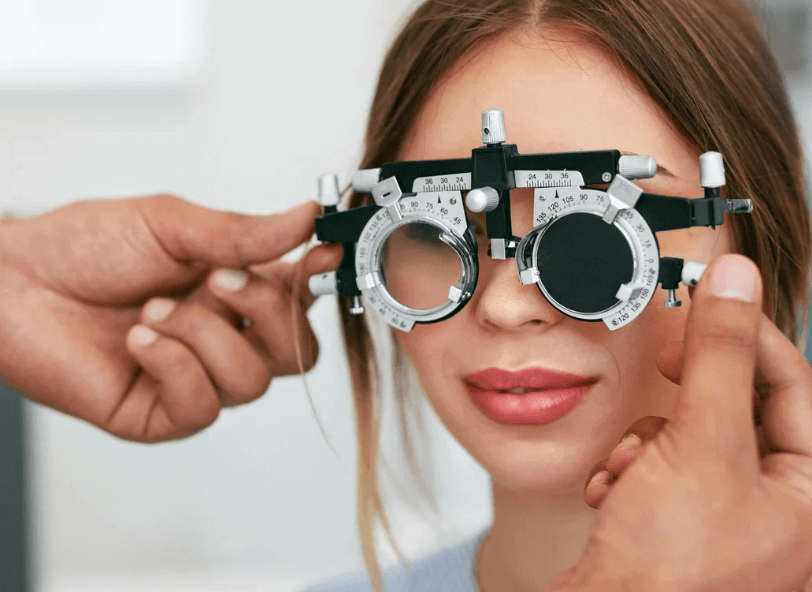
Regular eye exams help catch problems early — long before symptoms disrupt daily life. And consistent checkups matter for every age.

  • For kids

Kids often don’t speak up when something feels “off” with their vision. They just adapt. Regular exams help parents understand what children may not be able to explain. Clear vision makes reading easier, boosts confidence, and improves the way kids interact with the world around them.

  • For adults

Adults face a different set of challenges. Long hours on screens slowly build dryness, headaches, and blurred vision. Because routines stay busy, early signs get ignored until the strain becomes a daily issue.

Regular exams help catch these changes early, update prescriptions when needed, and support more comfortable workdays. A quick visit often makes long-term digital strain far easier to manage.

  • For elderly family members

Older adults often face cataracts, corneal clarity changes, and other age-related issues that affect daily comfort. According to an experienced ophthalmologist in Chicago, these conditions need careful monitoring because they progress slowly and often go unnoticed until vision becomes blurry or dim.

Regular eye exams help track cataract growth, check corneal health, and spot early pressure changes that may signal glaucoma. These appointments at centers such as Chicago Cornea Consultants provide clear guidance on what seniors need, preventing small vision concerns from turning into safety risks at home.

3. Protect Eyes From Excessive Screen Time

Screens shape modern life. Kids use them for learning and entertainment. Adults switch between computers and phones all day. Older adults spend time on TVs, tablets, or digital reading. Too much screen exposure affects everyone differently, but the strain feels similar.

Common signs of screen fatigue include:

  • Dryness
  • Headaches
  • Blurred vision
  • Trouble focusing

To make daily life easier at home, try simple habits:

  • Follow the 20-20-20 rule
  • Keep screens at eye level
  • Use warm lighting during work or study
  • Avoid screens right before bed
  • Encourage breaks during long sessions

These small adjustments help protect the whole family from digital strain without strict rules or overwhelming changes.

4. Encourage Safe Indoor and Outdoor Eye Habits

Eye safety goes beyond screens. Both indoor and outdoor habits shape long-term vision.

For kids

  • Sports goggles protect active children.
  • Sunglasses reduce UV damage during outdoor play.
  • Proper lighting helps with reading and homework.

For adults

  • UV protection prevents long-term sun damage.
  • Anti-glare glasses ease commuting and outdoor workouts.
  • Clean, soft lighting prevents workday strain at home.

For seniors

  • Good lighting reduces fall risks.
  • Sunglasses help with brightness sensitivity.
  • Clear walkways and organized spaces support safe movement.

Small adjustments, like adding nightlights, using anti-glare filters, or keeping sunglasses near the door, create a safer and more eye-friendly environment for everyone.

eye health check up

5. Support Good Daily Eye-Care Routines

Healthy eye habits don’t require big changes. They only need consistency.

For kids

  • Teach them to wash their hands before touching their eyes.
  • Remind them to blink during screen time.
  • Avoid rubbing to reduce infections.

For adults

  • Stay hydrated through the day.
  • Take breaks from screens often.
  • Use lubricating drops if the air feels dry.

For older adults

  • Warm compresses soothe dryness.
  • Gentle eyelid cleaning prevents irritation.
  • Updated prescriptions improve safety and comfort.

These simple routines support comfort at home, at school, and at work.

Conclusion

Strong eye health helps families live with ease and confidence. Kids learn better, adults work comfortably, and seniors move more safely when their vision stays clear. With mindful nutrition, regular checkups, safe habits, and simple routines, moms can protect eye health at every age without feeling overwhelmed. Small choices today lead to clearer, healthier vision tomorrow — for the entire family.

4 Gentle Beauty Treatments Supporting Moms Through Body Transitions

0 · Dec 11, 2025 · Leave a Comment

Motherhood brings so much love, growth, and meaning, but it can also bring changes to the body that many women do not expect. Skin stretches in new ways, muscles shift, and areas that once felt firm may look different over time. These changes are completely natural, yet they can leave moms in Chicago and beyond wishing for a gentle way to feel confident and comfortable again.

The encouraging part is that you are not without options. Today, there are many gentle and thoughtful beauty treatments that help bring back comfort and confidence in a natural, supportive way. None of them aims to change who you are. Instead, they aim to support the parts of your body that have worked so hard through pregnancy, birth, and the years that follow.

Below are the four most trusted ones.

1. Breast Lift (Mastopexy)

A breast lift in Chicago is a popular choice for moms who notice sagging or a loss of shape after pregnancy or breastfeeding. The procedure raises the breast tissue, reshapes the contour, and removes stretched skin. This can help the chest look firmer, lifted, and more youthful without increasing breast size. For many moms, it feels like a way to reconnect with their natural silhouette.

Although the word “surgery” can feel overwhelming, the actual process is simpler than most expect. The surgeon lifts the breast tissue, repositions the nipple if needed, and tightens the skin for a balanced contour. It usually takes only a few hours, and recovery mainly involves wearing a soft, supportive bra and letting your body rest as swelling decreases.

What makes this option even more reassuring is how carefully it can be customized. Clinics like Gold Coast Plastic Surgery take time to understand your goals, talk through options, and choose the technique that matches your body. This level of attention helps create results that look natural and feel comfortable through every stage of healing.

2. Tummy Tuck (Abdominoplasty)

Pregnancy can change the abdominal area in ways that feel difficult to reverse on your own. Some moms experience loose skin, stretched muscles, or a weakened core. A tummy tuck gently addresses these concerns by repairing the separated muscles and removing extra skin. This helps the stomach feel flatter, stronger, and more supported.

During the planning stage, the surgeon evaluates your abdominal muscles, skin laxity, and goals. This helps create a plan that fits your lifestyle, especially if you have young children or a busy routine. The surgery tightens the muscle wall and smooths the skin for a firmer appearance.

Recovery requires patience and gentle movement. Light walking helps circulation, while avoiding heavy activity allows the muscles to heal properly. Many moms notice improvements that go beyond the surface. Better posture, increased core strength, and more comfort in clothing are common benefits that help daily life feel easier.

new beauty treatments

3. Labiaplasty

Childbirth can change the appearance and comfort of intimate areas in ways that are not often discussed openly. Some moms experience irritation, discomfort during exercise, or self-consciousness due to stretched or enlarged labial tissue. Labiaplasty is a gentle surgical solution that reshapes the tissue to improve comfort and restore confidence.

The process includes a private, respectful consultation where concerns are discussed with sensitivity. The procedure itself involves trimming or reshaping excess tissue in a way that maintains natural appearance and function. Recovery is typically manageable with rest, cool compresses, and avoiding intense physical activity for a short period.

Many women choose this option not for cosmetic reasons alone, but because it improves daily comfort. Activities like cycling, yoga, or even walking can feel easier again, which makes a meaningful difference in everyday life.

4. Radiofrequency Skin Tightening

Radiofrequency skin tightening is a gentle, non-surgical way to firm areas that feel loose after pregnancy or weight changes. It works by warming the deeper layers of skin to encourage collagen production, which naturally tightens and smooths the area over time. The treatment feels warm and relaxing rather than uncomfortable.

A typical radiofrequency skin tightening session looks like this:

  • A handheld device glides across the skin
  • Controlled heat gently reaches the deeper layers
  • Collagen activity increases over the next several weeks

Because there is no downtime, many moms schedule the treatment during a lunch break or between errands. The results appear gradually, making the improvement feel subtle and natural. This option works well on the stomach, thighs, arms, or anywhere the skin has lost firmness. It offers a gentle lift that helps the body feel refreshed without the commitment of surgery.

facial

Closing Lines

Body transitions are a natural part of motherhood, and every woman experiences them differently. Gentle treatments like these can help you feel more aligned, comfortable, and confident through each stage. Whether you choose a surgical option or something non-invasive, the key is taking your time, exploring what feels right, and partnering with a provider who understands your goals with compassion.

The Psychology Behind Overthinking and How to Stop It

0 · Dec 10, 2025 · Leave a Comment

Have you ever replayed a conversation in your head while trying to get the kids ready for school? Or stayed up late imagining every worst-case scenario before a big family event? That is overthinking and many moms deal with it more than they admit.

Overthinking does more than drain your energy. It can lead to stress, sleepless nights, and feeling overwhelmed in daily life. You may think you are solving problems, but most of the time you get stuck in the same thoughts without doing anything differently.

In this article you will learn what overthinking really is, why it happens, and practical ways to stop it so you can feel more confident, calm, and present for your family.

overthinking

What Is Overthinking?

Overthinking is the habit of dwelling on the same thought or problem without taking action. It’s like your brain is on a hamster wheel, going in circles but getting nowhere.

There are two main types of overthinking:

  1. Ruminating – dwelling on the past. Example: “Why did I say that? What if I embarrassed myself?”
  2. Worrying – stressing about the future. Example: “What if something goes wrong? What if I fail?”

According to a study in Behavior Research and Therapy, people who overthink are more likely to develop anxiety and depression because their thought loops increase stress and emotional exhaustion 1.

Why Do We Overthink?

Overthinking might feel irrational, but it actually has psychological roots. Understanding these helps us break the cycle.

1. Our Brain Wants to Protect Us

The human brain evolved to scan for threats. In ancient times, that kept us safe from danger. Today, instead of lions, we worry about bills, relationships, or how others perceive us. Our brain thinks: “If I think about it more, I can prevent something bad.”

But instead of helping, this often leads to paralysis by analysis.

2. We Crave Control

Overthinking gives the illusion of control. We believe if we keep thinking, we’ll find the perfect solution. But life is uncertain. No amount of overthinking can guarantee a perfect outcome.

3. Fear of Mistakes

People who fear failure or rejection often overthink to avoid making mistakes. Perfectionism plays a big role here.

A 2015 study in the Journal of Anxiety Disorders found that perfectionists are more likely to engage in chronic overthinking, especially in social situations 2.

4. Low Self-Compassion

People who are hard on themselves tend to overthink more. They replay events, criticize their choices, and imagine how others may judge them. Lack of self-kindness fuels the cycle.

How Overthinking Affects Mental Health

Overthinking doesn’t just waste time—it impacts your emotional and physical well-being.

  • Increased anxiety and stress – constant worry triggers your body’s stress response.
  • Sleep problems – racing thoughts often make it hard to fall or stay asleep.
  • Low confidence – overanalyzing decisions creates doubt and self-criticism.
  • Decision fatigue – too much thinking wears out your brain and makes even small decisions feel hard.

Research from UC Santa Barbara shows that chronic overthinking impairs problem-solving and creativity, because it overloads the brain’s working memory 3.

Signs You’re Overthinking

Sometimes we don’t even realize we’re overthinking. Here are a few common signs:

  • You replay conversations or situations long after they happen
  • You imagine multiple “what-if” scenarios
  • You struggle to make simple decisions
  • You feel stuck and mentally drained
  • You analyze problems but rarely take action

If any of these sound familiar, don’t worry—there are ways to break the habit.

How to Stop Overthinking

Stopping overthinking isn’t about shutting off your brain. It’s about shifting how you respond to your thoughts. Here are science-backed strategies that work.

1. Practice Mindfulness

Mindfulness helps you focus on the present moment. When you catch yourself overthinking, pause and notice what’s happening right now—your breath, your surroundings, or how your body feels.

Even 5 minutes of deep breathing can calm your nervous system.

Studies show mindfulness reduces rumination and improves emotional regulation 4.

2. Label the Thought

Instead of diving into the spiral, take a step back. Say:

“This is an anxious thought.”
“I’m overthinking a past mistake.”
“This is just worry, not reality.”

Labeling the thought helps create distance between you and your inner critic.

3. Set a Thinking Time

If you must analyze something, schedule it. Give yourself 10–15 minutes a day to think about the issue. When time’s up, move on. This helps contain overthinking instead of letting it run your whole day.

4. Take Small Actions

Action is the enemy of overthinking. Instead of searching for the perfect solution, take one small step. It could be sending the email, making the call, or asking for help.

Progress—even if imperfect—builds confidence and momentum.

5. Practice Self-Compassion

When you notice critical thoughts, respond with kindness. Say to yourself:

“I did the best I could with what I knew.”
“It’s okay to make mistakes. I’m still learning.”

According to psychologist Dr. Kristin Neff, self-compassion reduces anxiety and increases emotional resilience 5.

6. Challenge Your Thoughts

Ask yourself:

  • Is this thought 100% true?
  • Is it helpful?
  • What’s the worst that could happen—and how likely is it?
  • What would I say to a friend who had this thought?

Most overthinking is based on fear, not fact. Questioning it helps break its power.

7. Limit Information Overload

Too much information fuels overthinking. If you’re making a decision, set a time limit for research. Avoid checking multiple sources or seeking endless advice. Trust that you’ll figure things out as you go.

overthinking and stress

When to Seek Help

Sometimes overthinking is a sign of underlying anxiety, OCD, or trauma. If your thoughts are interfering with your work, relationships, or sleep, a therapist can help.

Cognitive Behavioral Therapy (CBT) is especially effective at reducing overthinking by helping you reframe unhelpful thought patterns.

Final Thoughts

Overthinking is something many moms know all too well. Your mind may go in circles and make simple moments feel heavy. But it does not have to take over your life.

By practicing mindfulness, taking simple steps toward your goals, and treating yourself with kindness, you can quiet the mental noise and focus on the things that matter most. You deserve peace of mind and more joy in your everyday life. The good news is you can begin making changes today one small thought at a time.


__

References

  1. Nolen-Hoeksema, S., et al. (2008). Ruminative response styles and the onset of depressive episodes. Behavior Research and Therapy, 46(8), 887–895. https://doi.org/10.1016/j.brat.2008.05.001 ↩
  2. Flett, G. L., et al. (2016). Perfectionism and Overthinking: The Role of Ruminative Brooding. Journal of Anxiety Disorders, 43, 30–39. https://doi.org/10.1016/j.janxdis.2016.06.005 ↩
  3. Morrison, A. B., & Chein, J. M. (2011). Does working memory training work? Psychological Bulletin, 138(4), 628–654. https://doi.org/10.1037/a0027470 ↩
  4. Gu, J., et al. (2015). Mindfulness and the reduction of worry. Journal of Anxiety Disorders, 30, 73–80. https://doi.org/10.1016/j.janxdis.2014.12.005 ↩
  5. Neff, K. D. (2003). Self-compassion: An alternative to self-esteem. Self and Identity, 2(2), 85–101. https://doi.org/10.1080/15298860309032 ↩

What Is the Most Effective Muscle Cramps & Pain Relief for Fast Recovery?

0 · Dec 8, 2025 · Leave a Comment

Muscle cramps often strike at the worst possible moments. It might happen during your morning run, while you’re folding laundry, or even as you’re trying to get the kids ready for bed. Suddenly, a sharp pain makes it hard to move, and all you want is fast relief.

For busy moms juggling endless to-dos, cramps can throw off the whole routine. The good news is that simple, natural steps can help muscles relax, ease pain, and speed up recovery. With a few gentle moves, proper hydration, and easy pain-relief practices, you can get back on your feet and stay ready to care for your family and tackle the day ahead.

Gentle Stretching Targeting The Cramped Muscle

Gentle stretching helps release tight muscles and restore normal movement. Slow extension of the affected area allows blood to flow back into the muscle, which often reduces tension and discomfort. A few minutes of calm movement can ease pain and prevent the cramp from returning.

It is best to move the muscle slowly rather than force a deep stretch. For example, if the calf locks up, pulling the toes upward toward the knee helps relax the area. Light massage or a warm compress may further relax the muscle and bring comfort.

Hydration also supports muscle recovery. The body needs fluids and minerals to maintain steady contraction and relaxation. Many people add magnesium to support nerve and muscle health. Those exploring the benefits of magnesium supplements often find that balanced magnesium levels help reduce cramp frequency and improve post-activity recovery.

Stretching a few times each day keeps muscles flexible and lowers the chance of repeat cramps. Simple, steady movements do more good than quick or forceful motions.

muscle pain

Massage With A Foam Roller Or Fingertips

A foam roller helps release tight muscles by applying steady pressure to larger areas like the thighs, calves, and back. This self-massage tool can reduce soreness and improve flexibility after workouts. It also supports better blood flow, which may speed up muscle recovery.

Using the fingertips gives more control and precision. Small circular motions or gentle presses can target specific knots or cramped spots that a foam roller might miss. This method can ease discomfort without requiring heavy pressure.

Some people combine both techniques. They may use the foam roller to warm up the muscles, then follow with a fingertip massage for focused relief. This combination can loosen tension and support quicker comfort after exercise or daily activity.

Topical Creams Like Voltaren Arthritis Gel

Topical creams that contain nonsteroidal anti-inflammatory drugs can ease muscle cramps and joint pain where they occur. Voltaren Arthritis Gel is a well-known example that contains diclofenac, which helps reduce inflammation under the skin rather than only masking discomfort. This direct action can make movement less painful and help the body recover more comfortably.

Many people use this type of gel for mild to moderate pain in the knees, hands, and other joints. It can also benefit sore muscles after activity. The product absorbs through the skin, so it targets the affected area without the stomach irritation sometimes caused by oral medicines.

Results vary based on the cause and severity of pain, yet studies have shown that topical NSAIDs can provide measurable relief. Therefore, these creams can serve as a practical step before turning to stronger or prescription options, especially for those who prefer an external treatment method.

Hydration with Electrolyte-Rich Fluids

Muscle cramps often result from fluid and mineral loss. The body depends on electrolytes such as sodium, potassium, and magnesium to maintain proper muscle and nerve function. Replacing these minerals after heavy sweating or illness helps restore balance and eases cramping.

Water alone may not correct an electrolyte gap. Drinks that contain both fluids and electrolytes allow faster absorption and better rehydration. Coconut water, diluted fruit juice, or low-sugar electrolyte formulas provide simple ways to replace lost minerals without excess calories.

Staying hydrated before and after activity supports recovery and reduces pain caused by tight muscles. Small, frequent sips tend to work better than large amounts at once. This steady intake keeps electrolyte levels stable and supports normal muscle repair.

Proper hydration also helps regulate heart rate and prevent fatigue. For people who exercise often or experience recurring cramps, drinking electrolyte-rich fluids throughout the day can support faster recovery and better muscle function.

muscle cramps

Over-The-Counter Painkillers Such As Ibuprofen

Ibuprofen belongs to a group of drugs known as nonsteroidal anti-inflammatory drugs, or NSAIDs. It helps reduce pain, swelling, and stiffness caused by muscle cramps or minor injuries. Many people use it for fast relief after exercise or physical strain.

This medication works by blocking chemicals in the body that cause inflammation and pain. As a result, it can ease discomfort and make movement easier during recovery.

However, it should be used at the recommended dose to avoid side effects such as stomach irritation or heartburn.

In some cases, individuals find longer-lasting relief with another NSAID like naproxen, though it tends to act more slowly. Ibuprofen remains a common first choice because it begins to work quickly and is widely available in most stores.

People who have ongoing medical conditions or take other medications should check with a healthcare professional before use. This helps reduce the chance of unwanted interactions.

Conclusion

As a mom, your body works hard every single day. When muscle cramps or sore muscles slow you down, gentle stretching, light massage, and good hydration often bring relief within minutes. Choosing smart, everyday habits like adding electrolytes to your water after a long walk, using a warm compress, or applying a gentle pain-relief cream can make a big difference over time.

These simple steps, combined with regular movement and balanced nutrition, help keep your muscles strong and flexible. When life gets hectic, you’ll be better prepared to keep moving. Taking care of your muscles isn’t just about recovery. It helps you stay strong enough to handle everything that comes with mom life.

  • « Go to Previous Page
  • Page 1
  • Interim pages omitted …
  • Page 13
  • Page 14
  • Page 15
  • Page 16
  • Page 17
  • Interim pages omitted …
  • Page 37
  • Go to Next Page »

Primary Sidebar

Heather from Whipperberry
Hello... my name is Heather and I'm the creator of WhipperBerry a creative lifestyle blog packed full of great recipes and creative ideas for your home and family. I find I am happiest when I'm living a creative life and I love to share what I've been up to along the way... Come explore, my hope is that you'll leave inspired!

Footer

  • Privacy Policy
  • Crafts
  • Food
  • Gifts
  • Holidays
  • Home
  • Mom Life
  • Recipes
  • Travel

Copyright © 2026 · Seasoned Pro