• Skip to primary navigation
  • Skip to main content
  • Skip to primary sidebar
  • Skip to footer

Whipperberry

WhipperBerry • Your Home For Creative Inspiration

  • Home
  • Recipes
    • Starters
    • Easy Weeknight Dinners
    • Main Dish
    • Salads
    • Side Dish
    • Soups & Stews
    • Desserts
    • Breakfast
    • Miscellaneous
  • Tutorials
    • Creative Crafts
    • DIY Decor
    • Fabric Crafts
    • Food How-To
    • Jewlery
    • Paint Projects
    • Paper Art
    • Party Styling
    • Photography and Graphic Design
    • Silhouette
  • Holidays
    • Easter
    • Mother’s Day
    • Father’s Day
    • 4th of July
    • Halloween
    • Thanksgiving
    • Christmas
    • Valentine’s Day
  • Gift Ideas
    • Gifts For Everyone
    • Gifts for Dad
    • Mother’s day
    • For The Girls
    • For The Kids
    • Teacher Gift Ideas
    • Christmas
  • Printables
    • Holiday
    • Gift Idea
    • LDS Primary
  • Travel
  • About
    • Terms
  • Contact
  • Nav Social Menu

    • Facebook
    • Instagram
    • Pinterest
    • RSS
    • Twitter

Mom Life

5 Must-Know Tips for Finding the Right Plastic Surgeon

0 · Oct 31, 2025 · Leave a Comment

Thinking about a cosmetic enhancement but not sure where to begin? Choosing the right professional can be overwhelming when trust, comfort, and safety are paramount. The right expert can help bring subtle changes that feel natural while making you feel more confident.

In destinations like Melbourne, FL, where wellness and beauty often go hand in hand, people are paying closer attention to experience and credibility before making a choice. It’s no longer just about the result; it’s about the journey and the care behind it.

In this guide, you’ll discover five essential tips that can help you feel informed, comfortable, and empowered when finding a plastic surgeon who’s the right fit for you.

1. Know What You Want

Before searching, take a step back and understand what you truly want to achieve. Are you looking to restore a feature, improve symmetry, or simply enhance what’s already there? Clarity makes it easier to find a surgeon who aligns with your goals.

For example, someone seeking to refine their facial structure might need a specialist in facial procedures rather than general cosmetic work.

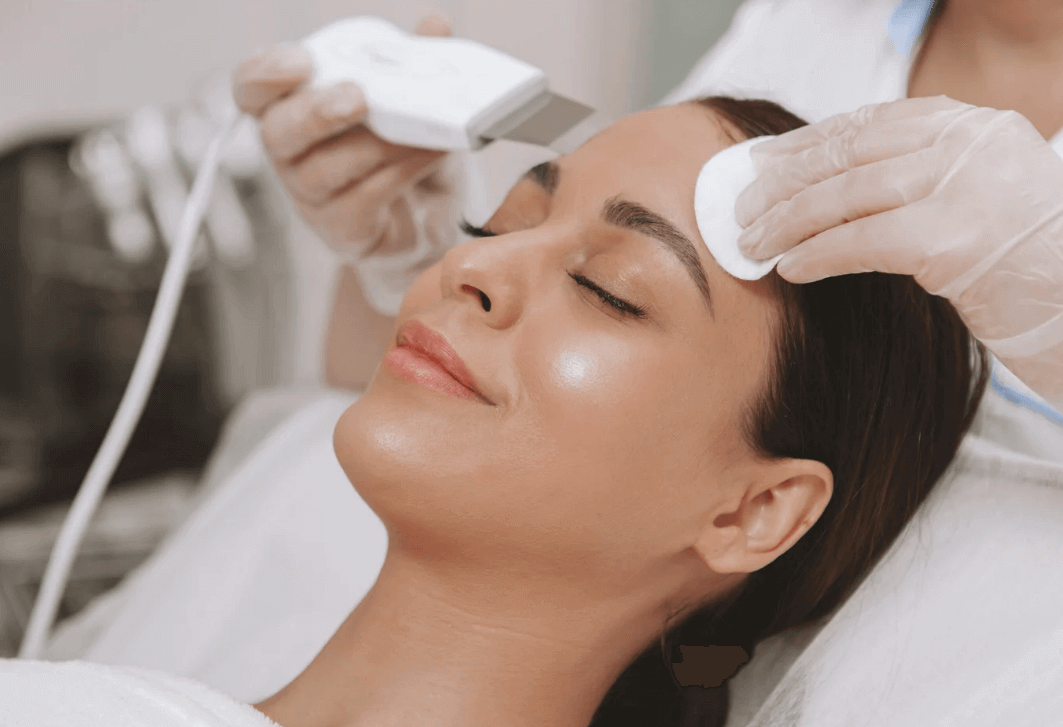
Woman receiving facial mask treatment in skincare clinic

Ask yourself:

● What kind of results do I want — natural or more noticeable?

● What matters most — recovery time, subtlety, or long-term results?

Being honest about your goals will help guide your research and set realistic expectations.

2. Research Experience and Credentials

Experience and training are the foundation of trust. Not all surgeons specialize in the same areas, so look for someone with proven expertise in the kind of procedure you’re considering. Certification, years of practice, and artistry are key factors.

For example, many people seeking a plastic surgeon in Melbourne, FL, have worked with Clevens Face and Body Specialists, known for their compassionate care and refined artistry. They emphasize understanding each patient’s goals and tailoring every procedure to create results that feel natural and confidence-boosting.

Doctor in scrubs holding stethoscope for plastic surgery guide

When researching, take your time to:

● Read verified reviews and testimonials

● Explore before-and-after photos

● Learn about their training and specializations

● Ask about their philosophy toward cosmetic balance and safety

A good surgeon will be proud to discuss credentials and patient care openly — it’s a sign of transparency and respect.

3. Pay Attention to Communication

Open communication builds the foundation of confidence. During consultations, notice how well the expert listens, explains, and answers questions. You should never feel rushed or unheard.

For instance, a patient who feels nervous about surgery but finds someone willing to explain each step in detail will feel much calmer and reassured.

Here are a few smart questions to ask during your consultation:

● What results can I realistically expect?

● What does recovery look like, and how long will it take?

● How do you ensure results look natural?

Communication isn’t just about sharing information — it’s about empathy. A professional who listens carefully and values your comfort helps create a positive experience from start to finish.

4. Prioritize Safety and Comfort

Safety should always come first. Reputable surgeons operate in certified facilities with qualified staff and advanced equipment. It’s important to ask where the procedure will take place and what safety measures are in place.

Woman relaxing with eyes closed after cosmetic surgery consultation

Key safety signs include:

● Accredited surgical facilities with board-certified anesthesiologists

● Clear discussions about recovery time and potential side effects

● Personalized care plans instead of generic recommendations

Comfort matters just as much as safety. Feeling relaxed and supported throughout the process allows you to trust the experience rather than fear it. When a clinic combines professionalism with warmth, the difference shows in both your mindset and your results.

5. Look for a Personalized Approach

No two people are the same, and the best professionals understand that. Personalization is the true art of aesthetic care. A skilled doctor doesn’t aim to make you look different — they enhance your features so you still look like yourself, just more confident.

For example, two people may want similar facial improvements, but their ideal outcomes will vary depending on face shape, lifestyle, and goals.

A personalized approach often includes:

● Detailed consultations focused on your vision

● Honest feedback about what’s possible

● Tailored techniques that highlight your natural harmony

When you find someone who takes time to know you, listens deeply, and respects your individuality, that’s a sign you’ve found the right match.

Conclusion

Finding the right specialist takes patience and awareness. It’s a thoughtful process built on research, communication, and trust. The best results come from professionals who listen, personalize, and prioritize your comfort. In communities like Melbourne, FL, where confidence and care go hand in hand, choosing wisely makes all the difference. When expertise and empathy meet, it’s not only about how you look — it’s about how you feel moving forward with genuine self-assurance.

How to Choose the Right Body Contouring Option

0 · Oct 31, 2025 · Leave a Comment

How to Choose the Right Body Contouring Option

Feeling confident in your own skin isn’t about perfection — it’s about comfort and self-love. After milestones like pregnancy, weight changes, or aging, many people in Nashville begin exploring body contouring to feel more like themselves again.

With so many options available, choosing the right one can feel confusing. Should you go for a non-surgical method or a full procedure? How do you know what fits your lifestyle?

This guide will help you make a thoughtful choice. You’ll learn how to identify your goals, understand different treatment types, and find qualified professionals who put your safety and satisfaction first.

1. Define Your Personal Goals

The first step in choosing any body-contouring procedure is to get clear on what you want.

Ask yourself:

● Are you looking to remove stubborn fat that won’t disappear with diet and exercise?

● Do you want to tighten loose skin after weight loss or pregnancy?

● Or do you want subtle toning without surgery?

When your goals are specific, your consultation becomes more focused. Surgeons can design a plan that targets exactly what you need instead of using a one-size-fits-all approach.

Keep in mind that body contouring isn’t about becoming someone new. It’s about enhancing your natural figure so you can feel confident in every outfit, mirror, and moment.

2. Understand the Different Options

Body contouring isn’t just one treatment. It’s a broad term that covers several approaches, each serving a different purpose. Before deciding, it helps to understand the most popular ones:

● Liposuction

This procedure removes stubborn fat pockets that resist diet and exercise. Experts who perform liposuction Nashville suggest that small incisions allow fat to be gently suctioned out, reshaping targeted areas like the abdomen, arms, and thighs.

Many reputable clinics, such as Higdon Plastic Surgery, are popular for their precision-based techniques and natural-looking results. Their board-certified surgeon customizes every procedure to your body type, ensuring balanced contours and smooth, beautiful definition that feels authentically yours.

Woman doing yoga on mat in living room

● CoolSculpting

A non-surgical solution that freezes fat cells under the skin without any cuts or anesthesia. The body gradually eliminates these frozen cells through its natural process, leading to gentle, progressive fat reduction. It’s perfect for individuals near their target weight who want subtle changes with no downtime. Because it’s quick and non-invasive, many patients return to work or daily activities right after treatment — making it a convenient option for those with busy routines.

● Tummy Tuck (Abdominoplasty)

This surgical option tightens weakened abdominal muscles and removes excess skin, often after pregnancy or major weight loss. It flattens and firms the midsection, improving both comfort and appearance. By restoring strength to the core, a tummy tuck enhances posture and body confidence. The results are often dramatic, helping patients feel renewed and comfortable in their skin again.

Woman practicing yoga pose on mat

Understanding these options helps set realistic expectations. You’ll know which method matches your body’s needs and what kind of recovery to plan for.

3. Consider Your Health and Lifestyle

Your body and daily routine play a huge role in what will work best for you.

Non-surgical treatments usually let you return to your normal activities right away, while surgical procedures require more rest and care. If you have a busy schedule or young kids, that difference matters.

Woman in blue top and black skirt choosing body contouring

It’s also important to review your medical history. Certain conditions — like diabetes, circulatory issues, or previous surgeries — can affect your eligibility. A transparent conversation with your doctor ensures your safety and helps avoid complications.

4. Choose Qualified Professionals

The quality of your results depends heavily on who performs your procedure.

Look for board-certified plastic surgeons with proven experience in body contouring. Certification means they’ve met strict medical standards and stay updated on the safest, most effective techniques.

Before committing, review before-and-after photos, read patient reviews, and pay attention to how the surgeon communicates during your consultation. A good professional listens carefully, explains each step, and tailors their plan to your goals — not just trends.

5. Balance Budget and Recovery Time

While cost shouldn’t be the only deciding factor, it’s an important one.

Surgical treatments like liposuction or tummy tucks cost more upfront but often deliver long-lasting results. Non-surgical procedures are less expensive initially but may require multiple sessions to achieve the same effect.

Recovery time also varies. If you can’t take extended time off, a non-surgical method might suit you better. But if you’re seeking more visible transformation and can commit to a few weeks of healing, surgery could be worth the investment.

The right choice depends on balancing your budget, schedule, and desired results.

Conclusion

The right body-contouring choice should make you feel empowered, not pressured. When you understand your options, consult qualified professionals, and trust the process, you create lasting results that reflect your individuality.

In cities like Nashville, where self-care meets modern innovation, patients have access to trusted specialists who combine artistry with precision to deliver natural, beautiful outcomes.

In the end, true confidence comes not from chasing perfection — but from choosing what feels right for you and celebrating every step of your transformation.

A Mom’s Guide to Using Crystals for Emotional Grounding & Family Calm

0 · Oct 28, 2025 · Leave a Comment

As a busy mom juggling school runs, playdates, household needs and everything in between, I’ve noticed how easy it is to feel emotionally stretched and unsteady. When the kids are testing limits, the world is moving fast, and the day ends in a blur, I’ve found myself craving something simple to help me stay centered and calm—not just for me, but for our whole family.

That’s when I turned to crystal healing—an age‑old practice of working with natural stones to support emotional balance and grounded energy. While I don’t claim they’re magical fixes, these stones have become gentle companions in our home: little reminders for me (and my kids) to pause, breathe and root ourselves in a bit of calm.

While science is still exploring how and why crystals work, many people find them helpful tools for emotional protection, grounding, and healing. If you’re a mom looking for something gentle and meaningful to help you protect your emotional space, anchor your energy, and nurture your family rhythm, this post is for you.

crystals for healing

What Is Crystal Healing?

Crystal healing is the practice of using natural stones—such as amethyst, black tourmaline, and rose quartz—to balance the body’s energy field, also known as the aura. Each crystal is believed to carry specific energetic vibrations that can help shift or clear emotional and energetic imbalances.

Crystals are not magic pills. Instead, they act like energetic companions, helping to absorb, redirect, or amplify your own intentions and emotions. People often carry them in pockets, wear them as jewelry, place them under pillows, or use them during meditation or energy healing practices.

Why Grounding and Emotional Protection Matter

Emotional grounding is the ability to stay centered and present, especially in times of stress. Without grounding, it’s easy to feel scattered, anxious, or reactive. Emotional protection, on the other hand, is about creating energetic boundaries—so that you don’t take on the emotional baggage of people or environments around you.

For sensitive individuals, therapists, empaths, or anyone going through emotional healing, developing these skills is essential.

Crystals serve as gentle reminders and tools to help you stay rooted and shielded as you navigate life’s emotional waves.

Crystals for Grounding and Emotional Protection

Here are some of the most commonly used crystals for emotional support, each with its own unique energy:

1. Black Tourmaline – The Ultimate Protector

– Benefits: Shields against negativity, electromagnetic stress, and toxic energy

– How to use: Keep it in your pocket, near electronic devices, or place at the entrance of your home

– Affirmation: “I am safe, grounded, and protected.”

A 2020 study in Journal of Materials Research notes that black tourmaline exhibits piezoelectric properties—meaning it can generate electrical energy under pressure—which supports its long-standing association with protective energy fields (Gupta et al., 2020).

2. Smoky Quartz – Grounding and Stability

– Benefits: Helps release fear, stress, and anxiety; anchors scattered energy

– How to use: Hold it during meditation or place it on your lower abdomen

– Affirmation: “I let go of fear and return to calm.”

Smoky quartz resonates with the root chakra, helping you feel more rooted and stable when emotions run high.

3. Rose Quartz – Emotional Nurturing

– Benefits: Encourages self-love, emotional healing, and forgiveness

– How to use: Wear as a necklace or keep under your pillow

– Affirmation: “I open my heart to love and compassion.”

This gentle pink crystal is especially helpful when you’re working through grief, heartbreak, or low self-worth. It softens emotional wounds and promotes inner peace.

4. Labradorite – Energy Shield and Intuition

– Benefits: Protects from energy drains, strengthens intuition, and clears confusion

– How to use: Carry it when entering emotionally intense spaces

– Affirmation: “I trust my inner guidance and stay centered.”

Many energy workers and therapists use labradorite for its protective and insight-enhancing properties.

5. Hematite – Anchor for the Mind

– Benefits: Grounds mental energy, helps with decision-making, reduces emotional reactivity

– How to use: Place on your desk or wear as a ring

– Affirmation: “I stay focused and clear in all situations.”

Hematite contains a high iron content, which makes it naturally magnetic—often used for stabilizing thought patterns and calming mental chatter.

How to Use Crystals in Everyday Life

You don’t need to be a healer or spiritual expert to benefit from crystals. Try incorporating them into your daily routine with these simple tips:

1. Morning Grounding Ritual

Hold a grounding crystal (like black tourmaline or smoky quartz) for a few minutes in the morning. Take slow, deep breaths and set a daily intention: “Today, I choose calm and emotional balance.”

2. Bedtime Reflection

Keep rose quartz or labradorite under your pillow or on your nightstand. Reflect on your day, and let the crystal’s energy help you release stress and restore inner peace before sleep.

3. Journaling With Crystals

Place a crystal beside your journal. Use it as a “supportive presence” as you write about your emotions, fears, or hopes. This symbolic anchor can help you feel safe and grounded** while processing tough emotions.

Mom’s Guide to Using Crystals

The Science and Symbolism of Crystals

While more research is needed to fully understand how crystal healing works, many practitioners believe the benefits come from a combination of energetic properties and mindful intention.

A 2014 placebo-controlled study published in Complementary Therapies in Clinical Practice found that while subjective experiences varied, people who used crystals with belief and intention often reported lower stress and greater emotional balance (Williams et al., 2014).

Ultimately, it’s not just the stone—it’s the mindful connection you create with it that facilitates healing.

Final Thoughts

Crystal healing isn’t about replacing medical care or “fixing” everything overnight. It’s about connecting to the Earth’s natural energy, holding space for yourself—honoring that you matter, that your emotional wellbeing matters—and creating small, meaningful rituals that resonate in your home and family life.

By inviting a stone into your morning routine, placing one near your family space, or simply letting it sit quietly in your hand as you breathe, you’re saying: “I deserve calm. My kids deserve the grounded me.” And that ripple of energy touches the whole household.

Whether you’re anchoring yourself after bedtime stories, shielding your heart from the day’s stress, or just reminding yourself in the mirror that you’ve got this, crystals can be quiet allies. Because sometimes what heals us begins with something simple. A pause. A breath. A stone in your palm—and a gentle whisper in your heart: “You’re safe. You’re grounded. You’re here for your family.”

Sources

– Gupta, A. et al. (2020). Characterization of piezoelectric properties in tourmaline crystals. Journal of Materials Research, 35(5), 675–681.

– Williams, D. J., et al. (2014). Examining the placebo effect in crystal healing. Complementary Therapies in Clinical Practice, 20(4), 243–247.

Mom’s Guide to Understanding a Breast Lift vs. Implants: What I Learned (and Why It Matters)

0 · Oct 28, 2025 · Leave a Comment

Hey friends—I’m sharing something a bit personal today, in the hopes it helps someone else out.

Cosmetic surgery today isn’t just about transformation — it’s about refinement. Across major cities like Los Angeles, where aesthetic medicine has become part of a broader wellness culture, more women are exploring options to feel confident and natural in their own skin. Many find themselves asking a common question: Should I get breast implants or a breast lift?

As a busy mom who’s spent a lot of time juggling family, work, and self‑care, I recently found myself wondering: What exactly is the difference between getting a breast lift and getting implants?

Both procedures can enhance appearance, but they achieve different goals and work best for different body types and stages of life. Understanding how they differ helps you make a choice that’s not just aesthetic but deeply personal and sustainable.

It’s not just about “which looks better”—it’s about how your body has changed through pregnancy, breastfeeding, and time, and what you want for the next chapter. Maybe you’re happy with your size but wish things weren’t “dropping” anymore, or maybe you want more fullness. Either way, knowing what each option really does matters.

So let’s talk plain‑talk: what a lift does, what implants do, when you might pick one or both—and how you can feel confident in your decision (because you deserve that).

breast implants

What a Breast Lift Actually Does

A breast lift (mastopexy) is a cosmetic surgery that raises and reshapes sagging breasts without making them bigger. For many moms, life changes like pregnancy, breastfeeding, or weight shifts can stretch the skin and tissue—leaving the breasts looking deflated or lower than they used to be.

Unlike implants, a breast lift focuses on position, not volume. It tightens the skin, moves the nipples back to a higher spot, and brings back a more youthful, natural shape.

You might be a good candidate for a breast lift if:

  • You like your current breast size but not the shape
  • Your nipples point downward or fall below the breast crease
  • You’ve noticed sagging or skin looseness after having kids

A lift doesn’t stop time, but it can rewind some of its visible effects—without adding anything foreign to your body.

What Implants Are Designed to Do

Implants, on the other hand, are about volume. They use silicone or saline devices placed under the breast tissue or muscle to increase size, projection, and fullness.

For women with naturally small breasts, post-pregnancy volume loss, or asymmetry, implants can restore balance or create a more defined silhouette.

However, implants don’t correct sagging on their own. If the skin and tissue are stretched, simply adding volume might exaggerate the droop instead of fixing it. That’s why many patients benefit from a combined approach — an implant and a lift — depending on the starting anatomy.

The Role of an Experienced Surgeon

This is where expertise becomes everything. A skilled, board-certified plastic surgeon helps determine which procedure—or combination—is best for your goals, body proportions, and tissue health.

For example, patients exploring a breast lift in Los Angeles can consult practices like Dr. Rady Rahban’s clinic, where individualized assessments guide the process. Rather than simply suggesting what’s trendy, experienced surgeons evaluate breast position, skin elasticity, and long-term results before recommending a plan.

A well-done lift or augmentation isn’t about size—it’s about harmony. And that’s what sets an expert apart: the ability to craft results that look balanced, not artificial.

Signs You Might Need a Lift (Not Just Implants)

If you’re unsure which path fits your goals, here’s a simple test surgeons often mention:

Stand naturally in front of a mirror. If your nipples sit below the crease of your breast or point downward, a lift may be the key correction.

Other signs include:

  • Noticeable skin laxity or drooping after breastfeeding.
  • Breasts that feel lower even in a supportive bra.
  • Uneven nipple height.

Implants can add fullness, but without addressing droop, the result might still look tired or weighed down.

Recovery and Results — What to Expect

Recovery varies slightly between the two procedures, but both typically allow a return to light activities within a week or two. Full healing and final results can take several months as swelling subsides and tissues settle.

A few key differences:

  • Breast lifts involve more skin tightening and, therefore, slightly longer healing for incisions.
  • Implants may bring some muscle tightness if placed under the chest muscle, which eases with time.
  • Combination procedures usually extend recovery by a few days.

Regardless of which you choose, following post-op instructions—especially around garment use, rest, and scar care—makes a major difference in long-term outcomes.

Longevity and Maintenance

Breast lifts generally last around 10 to 15 years, though natural aging continues. Maintaining a stable weight and wearing proper support helps results last longer.

Implants may also last a decade or more, but they can eventually require replacement due to wear, rupture, or personal aesthetic preferences. Modern silicone implants are safer than ever, but regular check-ins and imaging are still recommended to ensure integrity.

The bottom line: both procedures can offer long-lasting confidence, but neither is “set it and forget it.” Responsible maintenance and open communication with your surgeon keep results consistent over time.

breast lift

Making the Decision That’s Right for You

Choosing between a breast lift and implants isn’t about what’s “better.” It’s about what fits your anatomy, lifestyle, and expectations.

Ask yourself:

  • Do I want higher, firmer breasts without changing size? (Lift)
  • Do I want more fullness or cleavage enhancement? (Implants)
  • Or do I want both correction and volume? (Lift + implant)

The right surgeon will help you visualize realistic results using imaging tools, discuss recovery timelines, and personalize your plan.

A decision rooted in education and trust always leads to the most satisfying outcome.

The Real Goal — Confidence That Feels Authentic

Ultimately, choosing between a lift, implants, or both is about choosing the path that fits you—your body, your life, your values. My hope in sharing this is that you feel a little less alone and a little more empowered.

Remember: It’s not about chasing perfection. It’s about feeling like yourself—just a version of you that feels a bit stronger, a bit more aligned, and yes, a bit more confident. Whether you go for a lift, implants, or a combination, what matters most is how it makes you feel when you look in the mirror, or when you’re lifting your child, or doing something you love. Because at the end of the day, you’re the one living in your body—and it should feel right.

If you’d like, I can help rewrite the full article with this voice—mom‑to‑mom, warm and real—and sprinkle in helpful tips, questions to ask your surgeon, and how to talk to your family about it. Would you like to do that?

  • « Go to Previous Page
  • Page 1
  • Interim pages omitted …
  • Page 22
  • Page 23
  • Page 24
  • Page 25
  • Page 26
  • Interim pages omitted …
  • Page 37
  • Go to Next Page »

Primary Sidebar

Heather from Whipperberry
Hello... my name is Heather and I'm the creator of WhipperBerry a creative lifestyle blog packed full of great recipes and creative ideas for your home and family. I find I am happiest when I'm living a creative life and I love to share what I've been up to along the way... Come explore, my hope is that you'll leave inspired!

Footer

  • Privacy Policy
  • Crafts
  • Food
  • Gifts
  • Holidays
  • Home
  • Mom Life
  • Recipes
  • Travel

Copyright © 2026 · Seasoned Pro