• Skip to primary navigation
  • Skip to main content
  • Skip to primary sidebar
  • Skip to footer

Whipperberry

WhipperBerry • Your Home For Creative Inspiration

  • Home
  • Recipes
    • Starters
    • Easy Weeknight Dinners
    • Main Dish
    • Salads
    • Side Dish
    • Soups & Stews
    • Desserts
    • Breakfast
    • Miscellaneous
  • Tutorials
    • Creative Crafts
    • DIY Decor
    • Fabric Crafts
    • Food How-To
    • Jewlery
    • Paint Projects
    • Paper Art
    • Party Styling
    • Photography and Graphic Design
    • Silhouette
  • Holidays
    • Easter
    • Mother’s Day
    • Father’s Day
    • 4th of July
    • Halloween
    • Thanksgiving
    • Christmas
    • Valentine’s Day
  • Gift Ideas
    • Gifts For Everyone
    • Gifts for Dad
    • Mother’s day
    • For The Girls
    • For The Kids
    • Teacher Gift Ideas
    • Christmas
  • Printables
    • Holiday
    • Gift Idea
    • LDS Primary
  • Travel
  • About
    • Terms
  • Contact
  • Nav Social Menu

    • Facebook
    • Instagram
    • Pinterest
    • RSS
    • Twitter

Mom Life

7 Clear Signs It’s Time You Visit a Cataract Surgeon

0 · Feb 26, 2026 · Leave a Comment

As a mom who relies on her eyesight for everything from editing photos to driving my kids around town, I know how easy it is to brush off small vision changes. But sometimes those changes are your sign that it is time to see a cataract surgeon. While a little shift in eyesight can be normal with age, certain symptoms should not be ignored.

If you live near Raleigh, you probably already know how common cataracts are. The National Eye Institute reports that more than half of Americans will develop cataracts or need surgery by age 80. That means many of us will eventually have a conversation with a cataract surgeon about protecting our vision and our quality of life.

Let me walk you through seven signs that it may be time to schedule that appointment.

1. Your Vision Looks Cloudy or Foggy

One of the earliest signs of cataracts is cloudy vision. People often describe it as looking through a dirty window. You clean your glasses. You blink. Nothing changes.

This is different from normal blur that improves with a new prescription. Cataracts form when the natural lens in your eye becomes cloudy. Light cannot pass through clearly anymore, so everything looks dull or hazy.

If foggy vision sticks around for weeks or months, it is wise to schedule a full cataract evaluation.

foggy vision

2. Your Glasses Prescription Keeps Changing

Frequent prescription updates, especially over a short period, can point to cataracts. As the lens changes, it can alter the way light focuses inside your eye.

If the optometrist keeps adjusting your prescriptions but you remain dissatisfied, it may be time to go beyond glasses. Many patients start researching options and may find information from a cataract surgeon in Raleigh when trying to understand what surgery involves and when it makes sense.

A detailed guide from New Century Ophthalmology explains the procedure step by step and outlines how the cloudy lens in your eye is replaced with a clear artificial one. Some patients may also discuss different intraocular lens options, such as multifocal lenses that reduce dependence on glasses.

By addressing the root cause (your eye lens), quality of life can be improved.

3. Night Driving Feels Stressful

Driving after sunset used to be easy. Now headlights seem too bright. Streetlights have large halos around them. You feel tense behind the wheel.

From experience, this is one of the signs patients mention most. The clouded lens scatters light, which makes glare worse. If you find yourself avoiding evening plans because of driving issues, that is a red flag.

A consultation with a specialist can help you understand whether cataracts are the cause or something else

4. Colors Look Faded or Yellow

Have you noticed that whites look more yellow than before? Or that bright colors seem less vivid?

Cataracts can cause colors to appear dull. This happens because the cloudy lens blocks and filters light differently. Over time, it may even take on a yellow or brown tint.

You might not notice it at first. Often, people realize the difference after surgery, when colors suddenly look brighter again. That contrast can be surprising.

5. You Need Brighter Light to Read

Watch for patterns like:

  • Moving closer to the light
  • Struggling with menus in dim restaurants
  • Feeling eye strain after short reading sessions

Cataracts reduce the amount of light reaching the back of your eye. So your brain has to work harder to process what you see.

What we have seen is that many people assume they just need stronger reading glasses. Sometimes that is true. But if brighter light does not fully solve the problem, it is time to consider an eye exam focused on the lens.

6. Double Vision in One Eye

Seeing double can be scary. If it happens in just one eye, cataracts could be the reason.

When the lens becomes unevenly cloudy, it can split light in strange ways. That may cause you to see two images instead of one, even if the other eye sees clearly. This is called monocular diplopia.

This type of double vision is different from the kind caused by muscle or nerve issues. It often disappears when the cloudy lens is removed.

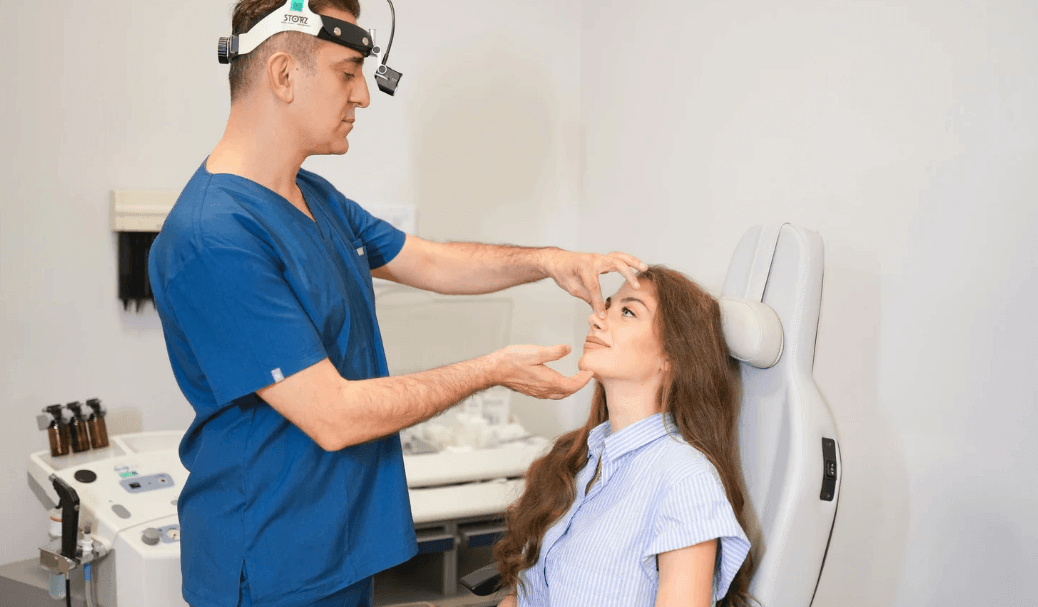
visit to a cataract surgeon

7. Daily Tasks Start to Feel Harder

Maybe you avoid sewing because threading a needle feels impossible. Maybe you hesitate to cook at night because you cannot see the stove clearly.

According to the World Health Organization, cataracts remain the leading cause of blindness worldwide. The good news is that surgery is one of the most common and successful procedures performed today.

If vision changes begin to affect how you live, that matters. You should not have to shrink your world because of an affected lens.

Final Thoughts on Visiting a Cataract Surgeon

If you are experiencing cloudy vision, increased glare, faded colors, or constant prescription changes, do not simply assume it is part of getting older. These are meaningful signs that it may be time to visit a cataract surgeon or experienced specialists who focus on cataract care. Taking that first step toward an evaluation can feel empowering. Your world should look bright, sharp, and beautiful. When it no longer does, listening to those signs and scheduling a visit with a cataract surgeon could be the best decision you make for your long term vision.

5 Common Skin Concerns People Experience (And How a Dermatologist Can Help)

0 · Feb 25, 2026 · Leave a Comment

Have you ever looked in the mirror and wondered why your skin suddenly seems different — duller, more reactive, or prone to breakouts that never used to appear? Well, skin is not static. It changes with age, stress, climate, hormones, and lifestyle. What worked a few years ago may no longer be effective today.

From persistent acne to unexplained rashes, skin concerns are among the most common health complaints worldwide. Yet many people rely on trial-and-error solutions rather than seeking expert care. The reality is that skin is the body’s largest organ, and when something feels off, it often signals more than a cosmetic issue. Consulting a qualified dermatologist can help move beyond guesswork and toward targeted, evidence-based solutions.

That said, here are five common skin concerns people experience — and how professional dermatologic care can make a meaningful difference.

skin concerns

1. Acne: More Than a Teenage Problem

Acne is often associated with adolescence, but adult acne is increasingly common. Hormonal shifts, stress, dietary factors, and even certain skincare products can trigger breakouts well into one’s 30s, 40s, or beyond.

While over-the-counter treatments may help mild cases, persistent acne can lead to inflammation, discomfort, and long-term scarring. This is where consulting a qualified dermatologist becomes important. Rather than relying on trial-and-error routines, professional evaluation helps identify whether acne is hormonal, cystic, inflammatory, or linked to underlying skin sensitivity.

For example, at reliable practices such as Altitude Dermatology, treatment plans are tailored after assessing individual skin type, lifestyle factors, and medical history. Professional care may include:

  • Prescription-strength topical treatments.
  • Oral medications for hormonal regulation.
  • Advanced in-office procedures.
  • Guidance on product selection and skincare routines.

All in all, the difference between temporary breakouts and lasting skin damage often comes down to early, appropriate intervention.

2. Hyperpigmentation and Uneven Skin Tone

Dark spots, melasma, and post-inflammatory hyperpigmentation are common skin concerns, especially in individuals with medium to deeper skin tones. These issues may result from sun exposure, hormonal changes, acne scarring, or inflammation.

Many people attempt to treat pigmentation using trending products without understanding the underlying cause. However, treating pigmentation incorrectly can sometimes worsen discoloration.

On the flip side, a specialist assesses:

  • The depth of pigmentation (surface vs. deeper layers).
  • Underlying triggers, such as a hormonal imbalance.
  • Skin sensitivity and tone.

Treatment options may include prescription lightening agents, medical-grade chemical peels, laser treatments, and strict sun-protection strategies. The key lies in controlled, gradual correction rather than aggressive, self-directed approaches. Professional oversight ensures progress without compromising skin health.

3. Eczema and Chronic Skin Irritation

Is your skin frequently itchy, red, or inflamed — especially during seasonal changes? Conditions like eczema (atopic dermatitis) and contact dermatitis affect millions of people and can significantly impact comfort and confidence.

Eczema is not just “dry skin.” It is a chronic inflammatory condition influenced by genetics, immune response, and environmental triggers. Without proper management, flare-ups can become recurrent and disruptive.

A skin specialist can:

  • Identify specific triggers.
  • Prescribe targeted anti-inflammatory treatments.
  • Recommend barrier-repair skincare.
  • Develop a long-term management plan.

Interestingly, stress can worsen eczema symptoms. Managing skin health often involves addressing lifestyle factors alongside medical treatment. Professional care helps reduce flare frequency and improve overall skin resilience.

4. Signs of Aging: Fine Lines, Wrinkles, and Volume Loss

Aging is natural — but that does not mean concerns about skin texture and elasticity should be dismissed. Fine lines, loss of firmness, and uneven texture often appear gradually, influenced by collagen depletion and cumulative sun exposure.

Did you know that up to 90% of visible skin aging is linked to sun damage? Prevention and early intervention are critical.

Rather than relying solely on cosmetic trends, a dermatologist evaluates skin structure and recommends treatments tailored to your goals. These may include:

  • Prescription retinoids.
  • Medical-grade skincare formulations.
  • Injectable treatments.
  • Laser resurfacing.
  • Preventive sun-protection strategies.

The goal is not to change natural features but to support healthy, well-maintained skin over time. A personalized plan can help maintain confidence while respecting the natural aging process.

acne prevention

5. Suspicious Moles and Skin Cancer Concerns

Skin cancer is one of the most common cancers worldwide, yet early detection dramatically improves outcomes. Many people overlook changes in moles or assume irregular spots are harmless.

A helpful guideline is the “ABCDE” rule:

  • Asymmetry.
  • Border irregularity.
  • Color variation.
  • Diameter larger than 6mm.
  • Evolving shape or size.

If a mole changes in appearance, it is important not to ignore it. A dermatologist performs professional skin examinations, dermoscopic analysis, and biopsies when necessary.

Routine skin checks can identify concerns long before they become serious. Preventive screenings are a proactive step — not just a reactive one.

Final Thoughts

Skin changes are normal — but persistent concerns should not be ignored. Whether dealing with acne, pigmentation, irritation, aging signs, or suspicious lesions, early and professional intervention often leads to better outcomes.

The right guidance transforms uncertainty into clarity. Instead of endlessly experimenting with products, consulting a qualified skin specialist provides structured solutions grounded in medical expertise. Ultimately, healthy skin is not about perfection. It is about balance, resilience, and informed care. When concerns arise, the most effective step is not guesswork — it is expert evaluation.

Simple Remote Job Ideas for Moms Who Want to Work from Home

0 · Feb 23, 2026 · Leave a Comment

As a mom, I know how full life at home can feel. Between school schedules, laundry piles, dinner plans, and everything in between, leaving the house for a traditional job is not always realistic. But many of us still want to contribute financially or use our skills in a meaningful way.

Remote work can be a gift when it fits your family life. It is not about doing more. It is about working in a way that supports your home instead of pulling you away from it.

The good news is that there are simple remote job ideas that allow you to earn income while staying present for your family. Whether you want something flexible during nap time or steady work while the kids are in school, there are options that can fit your season of life.

Let’s walk through a few practical remote job ideas that work well for home-centered families.

Freelance Writing

Simple Remote Job - freelance writing

Freelance writing is one of the easiest remote jobs to start from home. If you enjoy putting your thoughts into words and explaining things clearly, this could be a great fit.

Businesses need blog posts, emails, website copy, and product descriptions. Some companies also hire writers for remote ticketing jobs, which include creating help center articles, support guides, and customer response templates. These roles focus on clear instructions and simple explanations, which makes them a practical option for detail oriented moms.

To get started, you need to:

  • Research topics
  • Write in a clear and simple way
  • Turn work in on time

You can work during nap time or school hours. Over time, you can focus on topics you enjoy, such as parenting, home decor, health, or budgeting. The more you specialize, the easier it becomes to raise your rates.

Virtual Assistant (VA)

If you are organized and love checking things off a list, being a virtual assistant could be a strong option. Virtual assistants help business owners stay organized and on schedule.

Common tasks include:

  • Managing emails
  • Scheduling meetings
  • Posting on social media
  • Data entry
  • Responding to customers

This job works well for moms who like structure. Many tasks can be done during set hours, which makes it easier to protect family time. As you gain experience, you can choose a specialty like podcast support or online shop management. For those looking to improve their speaking skills, programs like Voice Place voice training can be a convenient option while working from home.

Online Tutoring

If you enjoy teaching and explaining ideas, online tutoring might be a natural fit. You do not always need formal teaching credentials. You need patience, clear communication, and knowledge of your subject.

You can tutor:

  • Math or science
  • Reading or writing
  • Test preparation
  • Language learning
  • Special skills like music or coding

Sessions are usually scheduled ahead of time. That makes it easier to plan around school pickups, meal prep, and your everyday home care habits. If you enjoy connecting with others, this can feel meaningful and energizing while still protecting your family routine.

Remote Customer Support

Customer support is one of the more steady work from home jobs for moms. Many companies hire remote workers to answer questions and solve problems.

Tasks often include:

  • Responding to emails
  • Answering live chat messages
  • Helping customers place orders
  • Solving simple technical issues

Some roles require phone calls, while others are chat based. If you stay calm under pressure and enjoy helping people, this can be a dependable choice. Clear shifts also help you separate work time from home time.

Social Media Management

If you already spend time on social media, you might enjoy managing accounts for small businesses. Many brands need help posting consistently and engaging with followers.

You may be responsible for:

  • Planning content
  • Writing captions
  • Scheduling posts
  • Replying to comments
  • Reviewing basic analytics

This job blends creativity with routine. You can often batch content in advance, which helps you stay flexible at home. It works especially well if you enjoy trends and online communities.

Data Entry

Data entry is simple and predictable. If you prefer quiet, focused work, this could be a good match.

Typical tasks include:

  • Entering information into spreadsheets
  • Updating databases
  • Moving information between systems
  • Checking for accuracy

The work is repetitive, but many people find that calming. You do not need to make constant decisions. You simply focus and complete the task. For busy moms, that simplicity can be refreshing.

Graphic Design

If you enjoy creating visuals, basic graphic design is easier than ever to learn. Many small businesses need simple graphics, not complex branding packages.

You might design:

  • Social media images
  • Printable worksheets
  • Presentation slides
  • Simple logos
  • Marketing flyers

Most projects are short term. That allows you to control your workload. With practice and a simple design tool, you can build a small portfolio from your kitchen table.

Selling Digital Products

Selling digital products takes more effort upfront, but it offers flexibility later. You create something once and sell it multiple times.

Popular ideas include:

  • Printable planners
  • Budget trackers
  • Meal planning sheets
  • Notion templates
  • Short online courses

This path works well for moms who enjoy creating helpful resources. It does require marketing and patience. But once you build an audience, your income is not tied to hourly work.

Transcription

Transcription is straightforward. You listen to audio and type what you hear.

Your tasks may include:

  • Listening to recorded interviews
  • Typing conversations accurately
  • Editing for clarity
  • Following formatting guidelines

It is quiet work with very little interaction. If you prefer working independently and enjoy detail focused tasks, this can fit nicely into a home routine.

Remote Project Coordination

Remote Job Ideas

If you naturally organize family calendars and keep everyone on track, project coordination might feel familiar. In this role, you help teams stay organized and meet deadlines.

Responsibilities often include:

  • Tracking timelines
  • Assigning tasks
  • Following up on progress
  • Keeping documents organized
  • Sharing updates with the team

Smaller companies often care more about reliability than formal certifications. If you love structure and communication, this role can feel rewarding.

How to Choose What Fits You

Choosing a remote job is not about chasing trends. It is about matching your personality and energy to the type of work you will do daily. A role that looks great online might feel exhausting in reality. Before committing, ask yourself a few honest questions:

  • Do I prefer working alone or interacting with people daily?
  • Do I want flexible hours or fixed shifts?
  • Am I comfortable with variable income?
  • Do I thrive in creative tasks or structured systems?

Clarity prevents burnout. When your work style aligns with your personality, everything feels lighter. Remote work becomes sustainable instead of stressful.

Let’s Wrap It Up

Working from home is not about doing everything perfectly. It is about finding a rhythm that supports your family. What works for one mom may not work for another, and that is okay.

Start small. Choose something that fits into your current routine instead of turning your routine upside down. Maybe that means working during quiet mornings, school hours, or a few evenings each week.

Your home is your priority. A remote job should support that, not compete with it. When you choose work that fits your family’s needs, you create space to contribute financially while still building the kind of home life you love.

You do not have to rush. You just have to begin in a way that feels right for your family.

5 Body Changes After Motherhood That Can Lead Women to Consider Breast Augmentation

0 · Feb 22, 2026 · Leave a Comment

Motherhood changes us in the best ways. It stretches our hearts, reshapes our priorities, and fills our homes with noise and love. It also changes our bodies.

In a city like Houston, life moves fast. Between school drop offs, carpool lines, church events, sports practices, and work schedules, most of us do not spend much time focusing on ourselves. We joke about messy buns and living in yoga pants. But we do not always talk about the body changes that stay long after babies grow up.

For many moms, pregnancy and breastfeeding leave noticeable shifts in breast shape, volume, and position. Choosing to explore breast augmentation is not about chasing perfection. It is often about feeling balanced again. It is about looking in the mirror and seeing a body that reflects how strong and confident you feel inside.

If you have ever wondered whether what you are experiencing is normal, you are not alone. Here are five common physical changes after motherhood that often lead moms to start asking questions about their options.

body changes after motherhood

1. Loss of Volume After Pregnancy or Breastfeeding

One of the most frequently discussed changes happens after pregnancy and breastfeeding. Many women notice that while their breasts once felt full and lifted, they now appear deflated or less supported. The upper fullness that once balanced the chest can diminish, leaving a softer, lower contour.

The tissue stretches to accommodate milk production, then contracts afterward. Sometimes it returns close to its original state. Sometimes it doesn’t.

That’s often when women begin exploring options such as breast augmentation with lift in Houston, especially when they want to restore both volume and position rather than increase size alone. They usually choose to consult surgeons like those at Basu Aesthetic Plastic Surgery, who tend to approach this shift with an emphasis on proportion and structural support. This matters when volume loss and skin laxity occur together.

For many women, the goal isn’t dramatic change. It’s restoration.

2. Noticeable Asymmetry That Feels More Pronounced Over Time

Some degree of asymmetry is normal. Almost everyone has slight differences between sides. But occasionally, those differences become more visible — or more bothersome — as years pass.

One breast may sit lower. One may feel fuller. Clothing can fit unevenly, and bras may require constant adjustment. Over time, what once felt minor can become a daily frustration.

This is often less about aesthetics and more about balance. When asymmetry affects posture, wardrobe choices, or overall comfort, women begin looking for ways to correct it in a way that still feels natural.

Augmentation can help create better symmetry by adjusting volume or projection where needed, rather than altering the entire breast unnecessarily.

3. Changes After Significant Weight Loss

Weight loss can be empowering. It can also change breast volume dramatically. Fat loss in the chest area often leads to reduced fullness and, in some cases, increased skin laxity.

Women who have worked hard to improve their health sometimes feel surprised when the chest doesn’t match the rest of their newly defined silhouette. The waistline may feel leaner. The arms may look toned. But the breast contour may appear flatter than expected.

This mismatch can lead to a desire for rebalancing. It’s not about undoing weight loss — it’s about complementing it. Augmentation can restore volume that fat reduction removed, helping proportions feel aligned with overall body changes.

4. Loss of Upper Pole Fullness

Upper pole fullness refers to the rounded contour in the upper portion of the breast. With time, gravity and tissue relaxation can reduce this fullness, creating a flatter appearance at the top and more weight toward the bottom.

This shift can make certain clothing styles — especially structured tops or swimwear — feel less flattering than before. In photos, the chest may appear softer than expected.

This is one of the most common visual cues women point to during consultations. They often bring older pictures and say, “I just want this shape back.”

Augmentation can restore projection in the upper portion without making the breast look exaggerated. When done thoughtfully, it enhances contour while maintaining natural movement.

5. Changes in Nipple Position

As tissue settles over time, the nipple-areola complex may sit lower relative to the breast fold. This can change how the breast looks in profile and how bras support the area.

It’s not always dramatic. Sometimes it’s a few centimeters. But that slight descent can shift overall balance.

When nipple position changes alongside volume loss, women begin considering whether a combined approach would better address the underlying structure. It becomes less about increasing size and more about repositioning and restoring natural proportions.

Small positional changes can significantly influence how the entire chest appears.

Conclusion: Understanding the “Why” Behind the Decision

Every mom’s journey looks a little different. Some of us embrace every stretch mark and change without hesitation. Others feel ready to make adjustments that help us feel more like ourselves again. Both choices deserve respect.

The physical changes that come with pregnancy, breastfeeding, weight shifts, and aging are real. They are common for women here in Houston and everywhere else. And it is okay to talk about them.

For many moms, considering breast augmentation is not about becoming someone new. It is about restoring balance after years of giving your body to growing and nourishing babies. It is about confidence, comfort, and feeling at home in your own skin again.

We spend so much time caring for everyone else. Sometimes it is okay to explore what would help us feel our best, too.

  • « Go to Previous Page
  • Page 1
  • Page 2
  • Page 3
  • Page 4
  • Page 5
  • Page 6
  • Interim pages omitted …
  • Page 37
  • Go to Next Page »

Primary Sidebar

Heather from Whipperberry
Hello... my name is Heather and I'm the creator of WhipperBerry a creative lifestyle blog packed full of great recipes and creative ideas for your home and family. I find I am happiest when I'm living a creative life and I love to share what I've been up to along the way... Come explore, my hope is that you'll leave inspired!

Footer

  • Privacy Policy
  • Crafts
  • Food
  • Gifts
  • Holidays
  • Home
  • Mom Life
  • Recipes
  • Travel

Copyright © 2026 · Seasoned Pro