• Skip to primary navigation
  • Skip to main content
  • Skip to primary sidebar
  • Skip to footer

Whipperberry

WhipperBerry • Your Home For Creative Inspiration

  • Home
  • Recipes
    • Starters
    • Easy Weeknight Dinners
    • Main Dish
    • Salads
    • Side Dish
    • Soups & Stews
    • Desserts
    • Breakfast
    • Miscellaneous
  • Tutorials
    • Creative Crafts
    • DIY Decor
    • Fabric Crafts
    • Food How-To
    • Jewlery
    • Paint Projects
    • Paper Art
    • Party Styling
    • Photography and Graphic Design
    • Silhouette
  • Holidays
    • Easter
    • Mother’s Day
    • Father’s Day
    • 4th of July
    • Halloween
    • Thanksgiving
    • Christmas
    • Valentine’s Day
  • Gift Ideas
    • Gifts For Everyone
    • Gifts for Dad
    • Mother’s day
    • For The Girls
    • For The Kids
    • Teacher Gift Ideas
    • Christmas
  • Printables
    • Holiday
    • Gift Idea
    • LDS Primary
  • Travel
  • About
    • Terms
  • Contact
  • Nav Social Menu

    • Facebook
    • Instagram
    • Pinterest
    • RSS
    • Twitter

Mom Life

How Stress Destroys Your Hair — What a Hair Loss Specialist Recommends

0 · Jul 24, 2026 · Leave a Comment

Most of us expect stress to show up as exhaustion, irritability, or another sleepless night. What often catches us off guard is finding more hair than usual wrapped around a hair tie, scattered across the bathroom floor, or clogging the shower drain. It’s easy to blame the season, hormones, or even a new shampoo, but persistent shedding can be your body’s way of signaling that something deeper needs attention.

While genetics can certainly influence hair loss, ongoing stress is one of the most common and overlooked causes. To better understand the connection between stress and hair loss, here’s what a New York hair loss specialist recommends for identifying the cause and knowing when it’s time to seek professional guidance.

Stress and Hair Loss

The Hidden Link Between Stress and Hair Loss

Most people assume hair loss is purely genetic, tied to family history or age. But stress plays a much bigger role than most realize. When your body perceives a major stressor, whether it’s a demanding job, a health scare, or ongoing anxiety, it can force healthy, growing hairs into a resting phase far earlier than they should enter it.

This condition is known as telogen effluvium, and it’s more common than you might think. According to research published by the National Center for Biotechnology Information, significant stress can push nearly 70 percent of actively growing hairs into the resting phase, leading to noticeable diffuse shedding weeks or months later.

That delay is what makes stress-related hair loss so confusing. You might be shedding today because of something that stressed you out three months ago, which makes it easy to overlook the real cause.

The Impact of Urban Living on Your Health

Living in a fast-paced environment like New York often means irregular sleep, rushed meals, and a nervous system that rarely gets fully powered down. None of that is necessarily bad on its own, but stacked together over months or years, it keeps cortisol levels elevated. And elevated cortisol doesn’t just affect your mood or your waistline; it disrupts the hair growth cycle itself.

Add in seasonal changes, poor diet on busy days, and the general wear and tear of city life, and it’s easy to see why so many people notice thinning hair without any obvious trigger.

How to Tell If Stress Is Behind Your Shedding

Stress-related shedding tends to look different from pattern baldness. It’s usually diffuse rather than localized, meaning it happens evenly across the scalp instead of receding at the temples or thinning at the crown. It also tends to show up in waves, often two to four months after a stressful period, rather than gradually over years.

If you’re noticing clumps in the shower or on your brush that feel unusual compared to your normal shedding, it’s worth paying attention rather than dismissing it as something that will simply resolve on its own.

What a Hair Loss Specialist Recommends

Stress-related hair loss is not permanent in many cases, but it should be addressed properly rather than ignored. The first step is identifying whether stress, an underlying health condition, or a combination of factors is causing the shedding, as treatment approaches can vary significantly depending on the root cause.

For anyone dealing with unexplained thinning, working with a NYC hair loss specialist can make the diagnostic process far more precise than guessing based on internet forums or general advice. A proper evaluation looks at scalp health, hormone levels, nutrition, and stress history together, rather than treating hair loss as a single, isolated issue.

Dr. Wolfeld also emphasizes that timing matters. Catching stress-induced shedding early often means simpler, less invasive treatment options, while waiting months to seek guidance can allow the problem to compound.

Small Daily Habits That Support Hair Health

While professional guidance is important for identifying the root cause of hair loss, everyday habits can support healthier hair and complement your treatment plan. Consider these simple lifestyle changes:

  • Prioritize consistent sleep: Getting around seven hours of quality sleep on a regular schedule can help regulate hormones involved in hair growth and overall health.
  • Add gentle movement: Activities like walking, stretching, or light exercise can help lower cortisol levels without placing additional stress on the body.
  • Focus on balanced nutrition: A diet rich in iron, protein, and essential vitamins can help support hair growth and reduce the impact of stress-related shedding.
  • Maintain healthy routines: Small, consistent habits can create a stronger foundation for recovery and support any recommended treatment approach.

These habits do not replace a proper diagnosis, but they can help improve your overall health and create better conditions for hair recovery.

Final Thoughts

As a mom, it’s easy to brush off changes in your own health while focusing on everyone else’s needs. But ongoing hair shedding can be your body’s way of telling you that stress is taking a toll. Paying attention to those signs and seeking the right guidance can help you address the underlying cause instead of simply hoping it goes away.

Taking care of yourself is an important part of taking care of your family. If stress has been affecting both your well-being and your hair, getting a proper evaluation can help you move forward with confidence and support healthier hair in the months ahead.

Can BOTOX Look Natural? What Moms Should Know About Injection Technique

0 · Jul 24, 2026 · Leave a Comment

Finding time for yourself can be challenging, especially when you’re juggling family, work, and everything else life throws your way. For many moms, cosmetic treatments like BOTOX are less about looking dramatically different and more about feeling refreshed and confident. Still, one concern comes up again and again: Will it look natural?

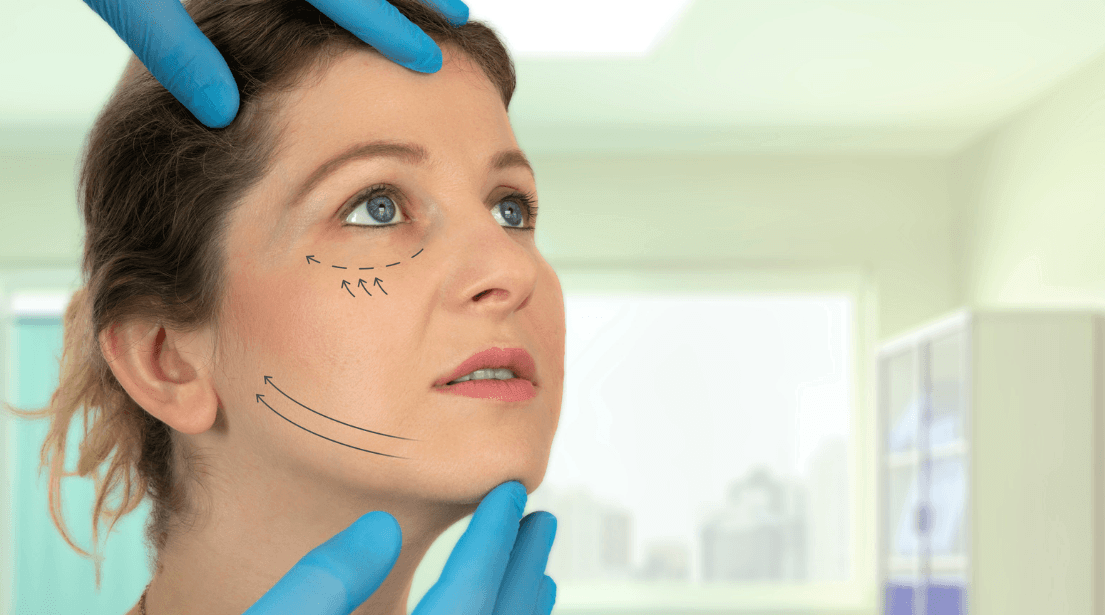
The fear of ending up with a frozen forehead, overly arched eyebrows, or limited facial expressions is understandable. The good news is that those results are usually not caused by BOTOX itself. When performed by an experienced injector, BOTOX can soften lines while preserving your natural expressions. The difference often comes down to injection technique, product placement, and understanding how your unique facial muscles move.

With more people seeking BOTOX in Portland, understanding what contributes to natural-looking results can help you make a confident, informed decision before scheduling treatment.

Can BOTOX Look Natural

The Role of Dosage in BOTOX Results

One of the most common reasons BOTOX looks unnatural is that too much product was used. It sounds simple, but it is worth understanding why this happens. Some providers default to standard unit counts for every patient, regardless of their muscle size, facial structure, or how expressive they naturally are. What works for one person can easily overtreat another.

Skilled injectors assess each patient individually. Muscle mass varies significantly from person to person, and someone with strong, well-developed forehead muscles needs a different approach than someone whose muscles are less active. Using more product than the muscles actually require is what leads to that flat, immobile quality that people associate with bad BOTOX. Less can genuinely be more, especially for first-time patients.

Placement Precision Makes the Biggest Difference

Where the product is injected matters just as much as how much is used, and in some cases more. BOTOX works by temporarily blocking the nerve signals that tell specific muscles to contract. If the injection is placed too high, too low, or too close to adjacent muscle groups, the effect can spread in ways that were not intended, causing the brow to drop, the eyelid to feel heavy, or the face to look asymmetrical.

The forehead is a good example of why precision is so critical. The muscles that raise the brow sit right next to those that create horizontal forehead lines. Treating the forehead too aggressively without accounting for brow position can result in brows that sit lower than they should, which creates a heavier, more tired appearance rather than a refreshed one. An experienced injector maps out each patient’s muscle anatomy before a single injection is made.

Understanding the Balance Between Movement and Smoothness

Natural-looking BOTOX is not the absence of all movement. It is the reduction of excessive movement in specific areas while preserving the ability to express emotion. People should still be able to raise their eyebrows, smile fully, and show surprise. The goal is softening, not eliminating.

In practice, achieving this balance requires the injector to think about the face as a whole rather than treating individual lines in isolation. A line on the forehead does not exist independently of the muscles around it, and a good result accounts for how changes in one area affect the overall appearance and expressiveness of the face.

According to a 2023 study, subjects achieved great improvement in frown lines between their brows after BOTOX treatment. The study also notes that more than 80 percent of patients report satisfaction with results through day 60. These numbers speak to how effective the product is when administered correctly and with appropriate expectations.

Why Provider Experience and Setting Matter

The same product can produce very different results depending on who is administering it and in what context. BOTOX in Portland, Maine administered by an experienced injector in a surgical or medically supervised setting is not the same as BOTOX at a discount pop-up. The skill of the injector, their understanding of facial anatomy, and their ability to assess individual patients before treating them are what separate results that look natural from results that do not.

Practices such as Maine Plastic Surgery approach injectable treatments with the same attention to individual anatomy and patient goals that inform their surgical work, helping patients understand what realistic, natural-looking improvement looks like before any product is administered.

What to Look for Before Booking

If natural results are the priority, a few things are worth evaluating before choosing a provider. First, look at before-and-after photos with a critical eye, specifically for patients who look like themselves but refreshed rather than altered.

Second, pay attention to whether the consultation involves a real assessment of your face and goals, or just a quick discussion of how many units you want.

Third, ask directly about how the provider determines dosage and placement for individual patients. A confident, specific answer is a good sign.

Conclusion

For busy moms and anyone looking for a subtle refresh, BOTOX can absolutely look natural. The frozen or overdone appearance that many people worry about is not an unavoidable result of treatment. Instead, it typically comes down to poor technique, incorrect dosage, or imprecise placement.

Choosing an experienced provider who understands facial anatomy and tailors treatment to your individual features can make all the difference. When done well, BOTOX simply helps you look like the best-rested version of yourself, allowing your natural expressions and confidence to shine through.

6 Body Changes That Breast Augmentation Can Address After Having Kids

0 · Jul 24, 2026 · Leave a Comment

Why does the body that carried and fed your children sometimes feel like the one part of motherhood nobody warned you about? Pregnancy and breastfeeding transform the body in incredible ways, but the changes left behind in your chest are not always ones you have to simply accept as permanent or unchangeable.

ASPS Member Surgeons reported an increase in both breast augmentation and revision procedures from 2023 to 2024, with breast implants remaining the most frequently used cosmetic implant in the country, according to the American Society of Plastic Surgeons.

San Francisco moms balancing careers, kids, and everything in between should not put their own recovery last on the list of priorities. Understanding exactly which changes breast augmentation can address helps you have a more informed conversation when you are finally ready to prioritize how you feel in your own body again.

Here are some of the most common concerns the procedure is designed to address:

Body Changes After Having Kids

1. Volume Loss After Breastfeeding

One of the most common changes new moms notice is a loss of breast volume once breastfeeding ends, sometimes leaving breasts smaller or less full than they were even before pregnancy.

This happens because glandular tissue that expanded during breastfeeding shrinks back down afterward, but the skin does not always retract at the same rate. Breast augmentation restores lost volume directly with implants, giving breasts a fuller shape again regardless of how much natural tissue remains.

2. Breasts That Feel Empty or Deflated

Beyond simple volume loss, many moms describe their breasts as feeling deflated or empty, particularly in the upper portion, even when overall size has not changed dramatically. This hollowed appearance happens when tissue redistributes toward the lower breast, leaving less fullness up top. Implants placed to restore upper pole fullness can directly address this specific concern, which a lift alone sometimes cannot fully correct.

3. Asymmetry Between the Two Breasts

It is common, and completely normal, for breastfeeding to affect each breast slightly differently, leading to a noticeable size difference between the two sides that was not there before pregnancy. Breast augmentation can be tailored with different implant sizes or techniques on each side to restore better balance and symmetry, something that is difficult to achieve with lifestyle changes or exercise alone.

4. Reduced Skin Elasticity in the Breast Area

Pregnancy and breastfeeding stretch breast skin significantly, and that skin does not always regain its original elasticity once hormones and tissue volume return to baseline. This can leave breasts looking softer or less supported than before. While significant skin laxity may call for a breast lift, augmentation alone can restore enough volume in many cases to fill out loose skin and improve overall shape.

5. Changes in Breast Shape and Position

Beyond volume, the actual shape of the breast can shift after pregnancy, sometimes becoming more elongated or less rounded than before. Combined with gravity and the natural aging process, this shape change is one of the more visible physical reminders of pregnancy that patients want addressed. Augmentation, sometimes combined with a lift depending on the degree of change, can restore a more youthful, rounded contour.

6. Loss of Confidence Tied to Chest Appearance

While not a physical measurement in the traditional sense, the emotional impact of these changes is real and valid, and it is one of the most common reasons patients ultimately pursue treatment.

Many moms describe feeling disconnected from how their chest looks compared to before having children, and restoring a shape that feels like their own again can meaningfully improve how they feel getting dressed, exercising, or simply looking in the mirror each day.

Getting a Personalized Recommendation

Everybody responds to pregnancy differently, which is why a one-size-fits-all approach rarely produces the best results. A thorough consultation typically evaluates:

  • Current volume and shape: How much natural tissue remains, and where it has redistributed, determines implant size and placement.
  • Skin elasticity: The condition of your skin helps decide whether augmentation alone will suffice or a lift should be added.
  • Symmetry between breasts: Differences between the two sides are addressed with tailored implant choices for each.
  • Future family plans: Whether more children are expected affects timing and how long results are likely to last.

Exploring breast augmentation in San Francisco with a surgeon who evaluates your specific combination of volume loss, skin elasticity, and shape change gives you a much clearer picture of what surgery can realistically achieve for your body.

Silicon Valley Institute for Aesthetics is one practice in the Bay Area known for this kind of individualized evaluation before recommending a surgical plan.

Timing Your Procedure Around Future Pregnancies

One of the most important conversations to have before augmentation is whether more children are part of your future plans. While it is possible to become pregnant and breastfeed after breast augmentation, many surgeons recommend waiting until you are done having children to get the most lasting results from surgery.

Future pregnancies can affect breast tissue in similar ways to the original changes that brought you in for a consultation, sometimes requiring a revision down the line. Discussing your full family planning picture openly with your surgeon ensures your results are timed correctly and are built to last as long as possible.

Final Thoughts

The changes pregnancy brings to your chest are real, common, and in many cases, entirely treatable with the right surgical plan. Volume loss, asymmetry, and changes in shape are not things you simply have to live with once you are ready to address them.

Understanding exactly what breast augmentation can and cannot fix helps you walk into a consultation with realistic expectations. A personalized evaluation, rather than a generic recommendation, is what gives you the clearest picture of what recovering your pre-pregnancy confidence might actually look like.

Smarter Ways for Busy Moms to Add Variety to Weekly Workouts

0 · Jul 23, 2026 · Leave a Comment

Sticking to a workout routine is one of the best ways for moms to build strength, boost energy, and support their overall health. However, doing the exact same exercises week after week can eventually feel repetitive, especially when you’re already juggling the many routines of everyday family life. While consistency is essential for progress, adding thoughtful variety to your workouts can help you stay motivated, challenge your body in new ways, and make exercise something you genuinely look forward to.

The key is to introduce change with purpose rather than constantly jumping between random workouts. Here are some smart ways to keep your weekly routine fresh while continuing to move toward your fitness goals.

Weekly Workouts

Rotate Your Training Style

Instead of repeating the same type of workout every session, dedicate different days to different forms of exercise. For example:

  • Monday: Strength training
  • Tuesday: Cardio
  • Wednesday: Mobility or yoga
  • Thursday: Functional conditioning
  • Friday: Full-body resistance workout
  • Weekend: Walking, hiking, or recreational sports

This balanced approach helps train multiple aspects of fitness while reducing the likelihood of boredom.

Change Your Equipment

Even familiar exercises can feel completely different when you swap your equipment.

If you usually rely on dumbbells, consider incorporating kettlebells, resistance bands, medicine balls, or suspension trainers. Each piece of equipment challenges your muscles differently and can improve balance, coordination, and stability alongside strength.

For conditioning sessions, Mirafit’s range of battle ropes provides an excellent way to add high-intensity intervals that engage your upper body, core, and cardiovascular system all at once.

Play With Your Workout Structure

You don’t always need new exercises to make your sessions more interesting. Sometimes simply changing the format creates an entirely new challenge.

Try experimenting with:

  • Circuit training
  • Supersets
  • Timed intervals
  • EMOM (Every Minute on the Minute)
  • AMRAP (As Many Rounds As Possible)

These formats increase intensity, improve conditioning, and keep your workouts moving at a faster pace.

Focus on Different Movement Patterns

Rather than organizing workouts by muscle groups alone, think about movement patterns.

Throughout the week, include exercises that cover:

  • Squats
  • Hinges
  • Pushes
  • Pulls
  • Rotational movements
  • Carries

Training movement patterns builds more functional strength while helping create balanced athletic development.

Head Outdoors Occasionally

Changing your environment can be just as valuable as changing your workout.

Take a strength session into the garden, go for a trail run instead of using the treadmill, or complete a bodyweight circuit at a local park.

If you have little ones, a brisk stroller walk or a trip to the playground can also be a simple way to stay active while spending quality time together. Fresh surroundings often make exercise feel less repetitive while adding natural variations like uneven terrain or hills.

Woman running on a dirt road, symbolizing

Set Weekly Challenges

Giving yourself a small challenge each week keeps motivation high without requiring a complete program overhaul.

Some ideas include:

  • Hold a plank longer than last week
  • Complete one extra round in a circuit
  • Increase walking distance
  • Master a new exercise technique
  • Improve your rowing or cycling time

Small wins create momentum and provide something exciting to work toward every session.

Mix High and Low Intensity Days

Not every workout needs to leave you exhausted.

Alternating challenging sessions with lighter recovery-focused workouts helps your body recover while maintaining consistency. A gentle mobility session, stretching routine, or brisk walk can improve recovery without sacrificing progress.

This balance also helps reduce the risk of burnout and overtraining.

Learn New Skills

Fitness isn’t only about lifting heavier weights or running faster.

Learning new movement skills keeps both your body and mind engaged. You could practice:

  • Turkish get-ups
  • Double-under jump rope
  • Handstands
  • Kettlebell flows
  • Agility ladder drills
  • Balance exercises

Keep Your Routine Working for You, Enjoy the Journey

Taking care of yourself doesn’t always require finding more time in your day. Sometimes it simply means making your routine feel fresh again. Trying a new workout format, changing your scenery, or learning a new skill can make exercise something you enjoy instead of another task on your to-do list.

As a mom, taking time to move your body isn’t just an investment in your own well-being. It also helps you stay energized and ready for the moments that matter most with your family.

  • « Go to Previous Page
  • Page 1
  • Page 2
  • Page 3
  • Page 4
  • Page 5
  • Interim pages omitted …
  • Page 44
  • Go to Next Page »

Primary Sidebar

Heather from Whipperberry
Hello... my name is Heather and I'm the creator of WhipperBerry a creative lifestyle blog packed full of great recipes and creative ideas for your home and family. I find I am happiest when I'm living a creative life and I love to share what I've been up to along the way... Come explore, my hope is that you'll leave inspired!

Footer

  • Privacy Policy
  • Crafts
  • Food
  • Gifts
  • Holidays
  • Home
  • Mom Life
  • Recipes
  • Travel

Copyright © 2026 · Seasoned Pro