• Skip to primary navigation
  • Skip to main content
  • Skip to primary sidebar
  • Skip to footer

Whipperberry

WhipperBerry • Your Home For Creative Inspiration

  • Home
  • Recipes
    • Starters
    • Easy Weeknight Dinners
    • Main Dish
    • Salads
    • Side Dish
    • Soups & Stews
    • Desserts
    • Breakfast
    • Miscellaneous
  • Tutorials
    • Creative Crafts
    • DIY Decor
    • Fabric Crafts
    • Food How-To
    • Jewlery
    • Paint Projects
    • Paper Art
    • Party Styling
    • Photography and Graphic Design
    • Silhouette
  • Holidays
    • Easter
    • Mother’s Day
    • Father’s Day
    • 4th of July
    • Halloween
    • Thanksgiving
    • Christmas
    • Valentine’s Day
  • Gift Ideas
    • Gifts For Everyone
    • Gifts for Dad
    • Mother’s day
    • For The Girls
    • For The Kids
    • Teacher Gift Ideas
    • Christmas
  • Printables
    • Holiday
    • Gift Idea
    • LDS Primary
  • Travel
  • About
    • Terms
  • Contact
  • Nav Social Menu

    • Facebook
    • Instagram
    • Pinterest
    • RSS
    • Twitter

Mom Life

How to Stay Comfortable When Traveling While Pregnant

0 · May 20, 2026 · Leave a Comment

Family trips look a little different during pregnancy, especially when you’re already used to keeping up with busy vacation days, road trips, and packed itineraries. I remember thinking I could travel the same way I always had when my kids were younger, but pregnancy quickly taught me to slow down and pay attention to what my body needed.

Simple things suddenly felt much harder. Long airport lines were exhausting, car rides felt endless, and finding a comfortable seat became a full-time job. But I also learned that traveling while pregnant can still be enjoyable with a little more planning and a lot more flexibility.

Now that my kids are grown, I can look back and appreciate those family trips in a different way. The best memories never came from rushing through everything on the schedule. They came from finding ways to enjoy the journey comfortably together.

Whether you’re planning a family vacation, a weekend getaway, or visiting loved ones before baby arrives, these simple tips can help make traveling while pregnant feel much easier.
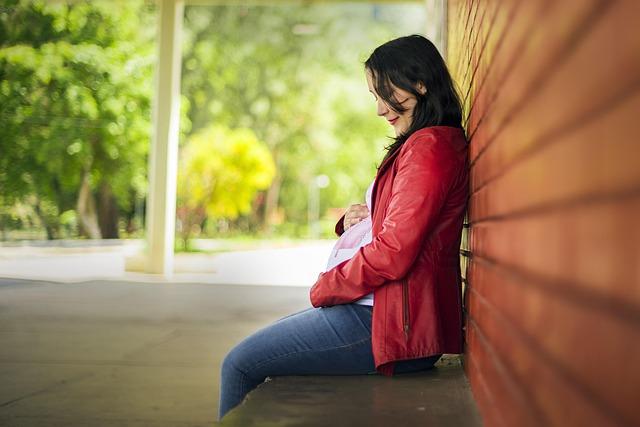
Traveling While Pregnant

Start with a Comfort-First Mindset

Pregnancy often brings a little extra swelling, a little extra pressure, and a little less patience than usual. That is normal, and it is exactly why it helps to prioritize comfort when traveling.

Before you pack your bags, ask yourself a simple question: what usually makes travel uncomfortable for me? For some, it’s morning sickness worsened by sitting in a moving vehicle or the frequent need for bathroom breaks. For others, it’s swelling, back discomfort, or just feeling drained more quickly than usual. Once you know your biggest challenge, it’s much easier to plan around it.

Choose Clothes That Move With You

Long travel days are rarely the time for stiff fabrics, tight waistbands, or outfits that need constant adjusting. A relaxed top, a lightweight cardigan, and a pair of supportive bottoms can make a surprisingly big difference by the end of the day.

The right supportive maternity garments help reduce the stress on your pelvis and lower back without restricting movement. A study on maternity support garments found that unlike belly bands or traditional shapewear, medical-grade maternity compression leggings and shorts are specially designed to improve blood circulation, support muscles and joints, and accommodate your growing bump. Wearing them can be a game-changer during your travels when you need to do a lot of sitting and walking.

But prioritizing comfort doesn’t mean you should leave behind all your OOTDs! Your travel outfit can be as stylish as it is comfortable and supportive. You can easily layer your pregnancy leggings under a flowing dress or pair them with an elastic-waist skirt and a cozy cardigan. The goal is to feel comfortable enough that you can actually enjoy the trip instead of counting down the minutes until you can change clothes.

Pack a Small Travel Kit

When you’re always on the move, digging through your suitcase to find that one thing you need is the last thing you want. Keep your essentials in one easy place, ideally in a bag you can always carry wherever your itinerary takes you.

Here’s what I recommend packing in your travel kit:

  • prescribed or doctor-approved anti-nausea medication for your motion or morning sickness
  • compression socks to keep your circulation strong and healthy
  • pillow to support your back or neck
  • panty liners and an extra pair of underwear, because pregnancy can bring along more discharge than usual
  • snacks to prevent blood sugar drops
  • a refillable water bottle to always keep yourself hydrated
  • any prenatal vitamins or medications recommended by your healthcare provider to keep you and your baby healthy
  • a copy of your maternity records if you’re traveling farther from home

Stay Comfortable When Traveling While Pregnant

Keep Moving in Small, Easy Ways

And no, you don’t need a full workout while on the move. Just a few small breaks to stretch, walk, or change positions can help you feel less stiff and more human again. This is especially important on longer flights or road trips, where sitting for hours can increase swelling, stiffness, and the risk of blood clots.

Even wiggling your toes, flexing your legs, doing seated calf raises, and rotating your feet in circles every 30 minutes or so can help with your blood circulation. If you’re flying, an aisle seat can make these little movement breaks easier. If you’re on the road, plan stops ahead of time so you can stretch your legs and walk for a minute or two. Doing these simple stretches can go a long way in alleviating muscle tension and discomfort when you’re stuck in the same cramped seat for hours.

Stay Hydrated and Snack Before You Feel Run Down

Travel days have a way of making people forget the basics. Water gets ignored. Meals get delayed. Then suddenly everything feels harder than it should. When you’re pregnant, these basics are non-negotiable, so hydration and snacks must have a spot near the top of your list.

Keep water nearby and sip often rather than waiting until you feel thirsty. Pack snacks that are easy to eat on the go. Research says that snacks rich in protein and fiber can help stabilize blood sugar, keep your energy steadier, and make nausea easier to manage. So, pita bread, tortilla chips with guacamole, trail mix, and fresh fruit are some of your best picks when traveling.

Think Through the First Hour Before You Arrive

This is often what many travelers tend to skip in the travel-planning stage, but ends up one of the small things that can make a trip feel much better. The first hour after arrival is often when your body finally gets to catch up with everything it just went through.

Try building a simple reset routine to get your mind and body settled after arriving at your destination:

  • Drink water
  • Change into fresh clothes
  • Wash your face, brush your teeth, and wash your hands
  • Put your feet up for a few minutes
  • Take a short walk if you’ve been seated for a long time
  • If you’re crossing time zones, try a short rest rather than a long nap, so it’s easier to adjust to the local bedtime
  • Unpack only the essentials first

Know Where the Nearest Doctor Is

This may not be the most exciting part of trip planning, but it can give you a lot of peace of mind while traveling. Before you leave, take a few minutes to look up the nearest hospital, urgent care clinic, or maternity center near your destination, especially if you’re traveling farther from home or visiting a place you’re unfamiliar with. And don’t forget to check your travel insurance coverage for any pregnancy-related care you might (and hopefully won’t) need.

It is also helpful to know where the closest pharmacy is in case you need anything unexpectedly while away. Save important phone numbers in your phone, keep a copy of your health insurance information with you, and bring any prenatal records your doctor recommends.

Give Yourself Permission to Travel Differently

Traveling while pregnant is usually less about doing everything perfectly and more about making a few smart choices that keep you comfortable. Pay attention to what your body needs, wear clothes that support your body, move often, and give yourself permission to slow down. After all, it’s much easier to enjoy the memories you’re making along the way when you feel more comfortable.

Final Words

Traveling while pregnant may require a slower pace, but that does not mean family trips have to stop. In many ways, it is a reminder to travel more intentionally and make comfort part of the experience. A little preparation, supportive clothing, regular movement, and plenty of rest can make a huge difference in how you feel throughout the trip.

Looking back now, some of my favorite family travel memories happened during seasons when life moved a little slower. Give yourself permission to adjust plans, take breaks, and travel differently than you normally would. The goal is not to do everything perfectly. It is to enjoy the time together while taking care of yourself along the way.
5 Ways Moms Can Recognize Postpartum Depression and Find the Support They Need

0 · May 19, 2026 · Leave a Comment

Bringing home a new baby changes every part of family life. It can be joyful, exhausting, emotional, and sometimes overwhelming all at once. Many moms expect sleepless nights and stressful days, but they are not always prepared for the emotional struggles that can follow childbirth.

Postpartum depression is more common than many families realize, and it does not mean a mother is failing. It means she needs care, support, and understanding during a major life transition.

The hard part is that postpartum depression does not always look obvious. Some moms feel numb, irritable, anxious, or disconnected while still caring for their baby and showing up for their family every day. Others hide their struggles behind smiles and routines.

Recognizing the signs early can make a big difference because treatment works, and no mom should feel like she has to carry the weight of postpartum depression alone.

postpartum depression

When It Stops Feeling Normal

There is a difference between normal emotional adjustment and postpartum depression. Many new mothers experience mood swings, crying spells, and overwhelm during the first couple of weeks after giving birth. Hormones are changing fast, sleep disappears overnight, and the body is healing. That period is often called the “baby blues.”

Postpartum depression lasts longer and cuts deeper. Women may feel hopeless, angry, detached, anxious, or emotionally flat for weeks at a time. Some lose interest in things they once enjoyed. Others feel crushing guilt because they are not enjoying motherhood the way they thought they would. Appetite changes, insomnia, brain fog, and physical exhaustion often pile onto the emotional symptoms.

One of the biggest warning signs is isolation. A woman who suddenly avoids loved ones, stops answering messages, or seems emotionally checked out may be dealing with more than stress. The same goes for constant crying, persistent fear, or feeling like daily responsibilities are impossible to manage.

Treatment Makes A Difference

A lot of women delay getting help because they think they should be able to handle things on their own. That mindset keeps people suffering longer than necessary. Postpartum depression is treatable, and early support can prevent symptoms from becoming more severe.

For some women, therapy alone helps tremendously. Others benefit from medication, support groups, lifestyle changes, or a combination of approaches. Sleep support can also make a dramatic difference because chronic exhaustion amplifies emotional distress fast.

Today, women have more options than ever when it comes to care. Some choose outpatient therapy close to home, while others benefit from structured programs designed for mental health recovery. Depression treatment in San Diego, Nashville or Portland may include therapy programs specifically built around women’s mental health, trauma recovery, family support, and postpartum care. The right environment can help women feel understood instead of judged.

The important thing is not where treatment happens. The important thing is starting. Waiting for symptoms to magically disappear rarely works. Mental health care exists for a reason, and postpartum depression deserves to be treated with the same seriousness as any physical health condition.

The Physical Side Matters

People often separate mental health from physical health like they exist in different universes. They do not. Recovery after childbirth affects every part of the body, and physical strain can intensify emotional symptoms.

Hormonal and body changes after pregnancy are massive. Add in interrupted sleep, physical pain, nutritional deficiencies, breastfeeding stress, and recovery from labor or surgery, and it becomes easier to understand why some women feel emotionally overwhelmed.

Movement helps more than many people realize. That does not mean intense workouts six weeks after childbirth while surviving on coffee and crackers. Even short walks, stretching, time outdoors, or gentle exercise can improve mood and reduce stress hormones. Nutrition matters too.

Blood sugar crashes and dehydration can make emotional instability worse, especially when paired with sleep deprivation.

Partners and family members should pay attention to drastic behavioral changes instead of brushing them off as “just hormones.” If a mother seems persistently distressed, emotionally withdrawn, or unable to cope, support should move beyond casual encouragement. Real help matters more than motivational slogans hanging on a farmhouse kitchen sign.

physical health

Support Systems Matter

One of the hardest parts of postpartum depression is the pressure many women feel to appear grateful and happy all the time. Social media has not helped this problem. Endless photos of spotless nurseries and smiling newborn moments can make struggling mothers feel isolated or ashamed.

The truth is that parenting a newborn is demanding. Many women are healing physically while caring for another human around the clock. They may also be juggling work concerns, financial stress, relationship strain, and lack of sleep. Sometimes the healthiest thing a mother can hear is, “This is hard, and you do not have to do it alone.”

Friends and family should avoid minimizing symptoms. Saying things like “every mom goes through this” or “just enjoy the baby stage” can make someone feel even more trapped. Practical help usually matters more. Bringing meals, watching the baby for an hour, helping with laundry, or encouraging professional treatment can genuinely change someone’s trajectory.

There is also nothing selfish about admitting exhaustion. Moms need a break sometimes, even from things they deeply love. Rest is not weakness. Human beings were never designed to function nonstop without support.

Why Early Action Helps

Postpartum depression can become more severe if ignored for too long. Relationships may suffer. Bonding with the baby can become harder. Daily functioning may decline. In more serious cases, women can experience intrusive thoughts, panic attacks, or dangerous levels of hopelessness.

That sounds scary because it is serious, but it is also why getting help early matters so much. Therapy, medical support, structured treatment, and honest communication can dramatically improve outcomes. Many women recover fully and regain stability once they receive the right support.

There is no perfect timeline for healing. Some women improve within months. Others need longer-term support. Comparing recovery journeys usually makes things worse, not better. Progress matters more than speed.

Final Thoughts

Postpartum depression is common, treatable, and nothing for moms or families to feel ashamed of. Recognizing the signs early can protect a mother’s emotional health, strengthen family relationships, and create a healthier environment for both mom and baby.

No mother should feel pressured to suffer in silence while trying to hold everything together for her family. Asking for help is not weakness. It is a strong and loving step toward healing and support for everyone at home.

Simple Ways Women Are Making Healthcare More Manageable

0 · May 19, 2026 · Leave a Comment

From taking care of families to building strong careers, women are always busy. And sometimes, maintaining a healthy lifestyle can fall through the cracks. Even with so much on their plate, however, today’s women are more empowered than ever to make simple changes that can lead to better wellness.

Read on as we explore the small ways women are making healthcare more manageable.

healthcare more manageable

Creating Manageable Wellness Routines

Historically, many women have assumed that wellness meant committing to extensive fitness routines and nutritional changes. But spending hours at the gym or prepping perfectly balanced meals each day isn’t realistic for busy people. Thankfully, the shift toward small wellness changes has been transformational, enabling more women to feel confident about their health management.

Changes may include taking the steps at work, going for a walk at lunch, or doing some gentle stretching before bed. Small additions to a daily routine, such as taking probiotics to support gut health, may also be worth considering. Even designating a timeframe on a weekend or weekday evening to do meal prep can make a big difference. Having lean, fiber-rich meals ready to go can help dissuade women from reaching for processed convenience foods.

Best of all, making small changes is actually something most women can commit to doing continually. Women don’t need to overhaul their routines. Instead, a few tweaks can slowly introduce healthier habits that are easier to maintain.

Using Mobile Apps to Manage Health

Thanks to mobile apps, women can take care of their health more easily. From the convenience of their phone, women can access data on their sleep patterns or stress levels. They can track sleeping habits and medication needs, or get reminders about appointments with doctors.

Other conveniences, like online prescription refill requests, make it easier than ever to stay on top of health needs without too much disruption. Busy moms or women with high-octane jobs can address health concerns via virtual medical visits. For women eager to spend more time nurturing family bonds and less time thinking about healthcare, tech tools have been a game-changer.

Selecting Convenient Treatments

Treatment options for anything from skin conditions to birth control have become more manageable, as well. Women are pressed for time, and long-term treatments that don’t need constant attention can be preferable.

For example, some birth control pills must be taken daily, while other contraceptive options are implanted and do not require additional action. Consulting an Ortho Evra contraceptive patch guide can help women find a flexible contraceptive that meets their needs. Some women may want the daily routine of managing their reproductive health, but others may want a more passive approach.

emotional wellness

Recognizing the Importance of Mental Health

Yes, physical health is central to how any woman functions. But increasingly, women are prioritizing their mental health, as well. After all, it’s hard to have the motivation to go for a jog over lunch break when stress and anxiety are overwhelming.

Women are taking action to preserve their emotional wellness by establishing boundaries and carving out time for themselves. They’re not pushing aside crippling stress, but instead finding healthy ways to combat it.

Going for a walk, taking a quick break, or joining a friend for coffee are simple ways to intervene. These simple gestures can keep stress at bay, but scheduling therapy sessions can offer an extra layer of support. Ultimately, women are recognizing that taking time for themselves will help them be more engaged at work and at home.

Embracing Practical Solutions

Manageable healthcare solutions are possible for even the busiest women. By taking advantage of health-focused tech tools, prioritizing mental health, and looking for treatments aligned with daily needs, women can take control of their health.

Sometimes, the smallest changes can make the biggest difference. For women aiming to improve their healthcare situation, minor adjustments can translate to significant improvements.

5 Symptoms That May Appear in the First Week of Pregnancy

0 · May 6, 2026 · Leave a Comment

The first week of pregnancy is often a blur of subtle signals that are easy to dismiss or misread. A woman’s body starts to shift almost immediately after conception, and these early changes can feel unfamiliar or even alarming. For many women, the first clues appear long before a missed period or a positive test.

Understanding the symptoms that appear in the first week of pregnancy can help a person act sooner, seek support, and make sense of what their body is communicating. Here is a closer look at the five most common early signs and how to interpret them.

first week of pregnancy

The 5 Most Common First-Week Pregnancy Symptoms

Many women who are trying to understand what are the early signs of pregnancy are often surprised to find that the signals begin long before a missed period. The answer, in most cases, starts in the body’s quietest corners. These five symptoms are among the most frequently reported in the earliest days following conception.

1. Implantation Bleeding and Light Spotting

One of the first physical signs a woman may notice is light spotting, often called implantation bleeding. This occurs around 6 to 12 days after conception, as the fertilized egg attaches itself to the uterine lining. The bleeding is typically much lighter than a regular period, often appearing as pink or brownish discharge rather than bright red flow.

Some women mistake it for the start of their cycle. But the key difference lies in the duration and volume. Implantation spotting usually lasts only a day or two, compared to the longer stretch of a full menstrual period. Not every woman experiences this symptom, but those who do often report it as one of the earliest indicators of pregnancy.

2. Breast Tenderness and Sensitivity

Sore or tender breasts are among the most recognizable early pregnancy symptoms. In the days that follow conception, rising levels of estrogen and progesterone cause the breast tissue to feel swollen, heavy, or unusually sensitive. Even a light touch can feel uncomfortable for some women.

The nipples may darken slightly, and the veins across the chest may become more visible. These changes occur because the body begins to prepare itself for milk production far earlier than most people realize. For many women, breast tenderness starts as early as one to two weeks after conception and tends to persist well into the first trimester.

3. Fatigue and Unusual Tiredness

Fatigue in early pregnancy is not ordinary tiredness. It is a deep, heavy exhaustion that can arrive without warning, even after a full night of sleep. This happens largely due to a surge in progesterone, a hormone that has a sedative effect on the body. Plus, the body works hard to support the developing embryo, which means more energy goes toward internal processes.

Blood pressure and blood sugar levels also begin to shift in early pregnancy, and both contribute to feelings of sluggishness. A woman who suddenly finds herself unable to stay awake through her usual routine, without any obvious explanation, may want to consider whether pregnancy could be a factor.

4. Mild Cramping and Bloating

Mild pelvic cramping in the first week of pregnancy can feel similar to premenstrual discomfort, which is why it often goes unnoticed or gets attributed to an approaching period. The cramping is usually low-grade and intermittent, caused by the uterus as it adjusts to implantation. Alongside cramping, bloating is another common complaint.

The digestive system slows down in early pregnancy due to higher progesterone levels, and this slowdown leads to gas and a feeling of fullness. Women often describe it as feeling bloated even before they have eaten much. These symptoms together can be frustrating, but they are a normal part of how the body responds to early hormonal changes.

5. Heightened Sense of Smell and Nausea

A sudden sensitivity to smells is one of the more surprising early pregnancy symptoms, yet it is remarkably common. Foods, perfumes, or household scents that never caused any issue before may suddenly trigger discomfort or even nausea.

This heightened olfactory response is linked to rising estrogen levels and, in some theories, serves as a protective mechanism to steer pregnant women away from foods or substances that could harm the developing embryo. Nausea itself, often referred to as morning sickness, can begin as early as the first week, though it typically intensifies around weeks six to eight. Not all women experience vomiting, but many report a persistent low-level queasiness throughout the day.

Early Pregnancy Symptoms vs. PMS: How to Tell the Difference

pregnancy symptoms

One of the most confusing aspects of early pregnancy is how closely its symptoms mirror those of premenstrual syndrome. Both conditions share fatigue, bloating, breast tenderness, and mood changes. But there are a few key distinctions that can help a person tell them apart.

Timing and Duration of Symptoms

PMS symptoms generally appear in the one to two weeks before a period and resolve soon after menstruation begins. Early pregnancy symptoms, by contrast, tend to persist beyond the expected start of a period and may gradually intensify rather than ease.

For example, breast tenderness in PMS often fades once the period arrives, but in pregnancy, it continues and can become more pronounced over time. Paying attention to whether symptoms improve after menstruation is supposed to begin can offer an important clue.

The Role of Implantation Spotting

Implantation bleeding is one symptom that has no equivalent in PMS. If a woman notices very light spotting that is shorter and lighter than her usual period, and it occurs earlier than expected, this can be a meaningful distinguishing factor. PMS does not cause spotting of this nature.

Plus, early pregnancy is sometimes accompanied by a slight rise in basal body temperature that persists rather than drops, as it would at the start of a menstrual cycle. Tracking basal body temperature can hence serve as a useful tool for those trying to distinguish between the two.

Emotional and Sensory Changes That Point to Pregnancy

Mood swings occur in both PMS and pregnancy, so they are not always a reliable indicator on their own. But a heightened sensitivity to smells is far more characteristic of early pregnancy than of PMS. If a woman suddenly finds certain odors overwhelming or nauseating without any prior history of this reaction, it is worth taking note.

Similarly, a level of fatigue that feels deeper and more pervasive than typical premenstrual tiredness, combined with other symptoms like mild cramping and food aversions, can point more strongly toward pregnancy. A home pregnancy test taken after a missed period remains the most straightforward way to confirm suspicions.

Conclusion

The first week of pregnancy brings a range of subtle yet meaningful changes to a woman’s body. From light spotting and breast tenderness to unusual fatigue and heightened smell sensitivity, these symptoms offer early clues worth paying attention to.

Understanding the difference between early pregnancy signs and PMS makes it easier to respond with clarity rather than confusion. For anyone who suspects pregnancy, a test and a conversation with a healthcare provider are always the best next steps.

  • « Go to Previous Page
  • Page 1
  • Interim pages omitted …
  • Page 7
  • Page 8
  • Page 9
  • Page 10
  • Page 11
  • Interim pages omitted …
  • Page 46
  • Go to Next Page »

Primary Sidebar

Heather from Whipperberry
Hello... my name is Heather and I'm the creator of WhipperBerry a creative lifestyle blog packed full of great recipes and creative ideas for your home and family. I find I am happiest when I'm living a creative life and I love to share what I've been up to along the way... Come explore, my hope is that you'll leave inspired!

Footer

  • Privacy Policy
  • Crafts
  • Food
  • Gifts
  • Holidays
  • Home
  • Mom Life
  • Recipes
  • Travel

Copyright © 2026 · Seasoned Pro