• Skip to primary navigation
  • Skip to main content
  • Skip to primary sidebar
  • Skip to footer

Whipperberry

WhipperBerry • Your Home For Creative Inspiration

  • Home
  • Recipes
    • Starters
    • Easy Weeknight Dinners
    • Main Dish
    • Salads
    • Side Dish
    • Soups & Stews
    • Desserts
    • Breakfast
    • Miscellaneous
  • Tutorials
    • Creative Crafts
    • DIY Decor
    • Fabric Crafts
    • Food How-To
    • Jewlery
    • Paint Projects
    • Paper Art
    • Party Styling
    • Photography and Graphic Design
    • Silhouette
  • Holidays
    • Easter
    • Mother’s Day
    • Father’s Day
    • 4th of July
    • Halloween
    • Thanksgiving
    • Christmas
    • Valentine’s Day
  • Gift Ideas
    • Gifts For Everyone
    • Gifts for Dad
    • Mother’s day
    • For The Girls
    • For The Kids
    • Teacher Gift Ideas
    • Christmas
  • Printables
    • Holiday
    • Gift Idea
    • LDS Primary
  • Travel
  • About
    • Terms
  • Contact
  • Nav Social Menu

    • Facebook
    • Instagram
    • Pinterest
    • RSS
    • Twitter

self-care

Non-Surgical Beauty Treatments Moms Are Curious About Right Now

0 · Jan 21, 2026 · Leave a Comment

As moms, we spend a lot of time taking care of others. It’s easy to put ourselves last on the list. But more and more women are starting to carve out space for self-care, and that sometimes includes gentle beauty treatments that help them feel more refreshed and confident.

Instead of big changes or time-consuming procedures, the focus today is on small, natural-looking updates that fit into a busy schedule. These non-surgical options are catching attention because they don’t require downtime, and the results are subtle but uplifting.

1. Lip Fillers for Natural Balance, Not Over-Enhancement

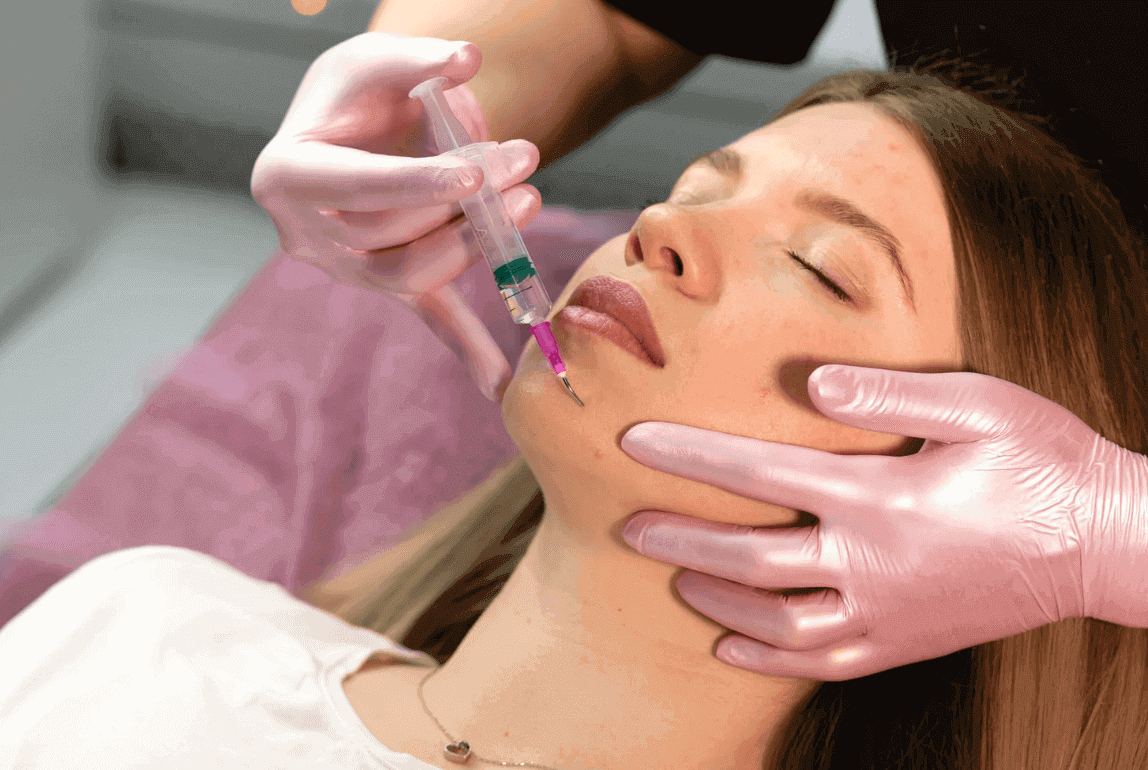
One of the most talked-about non-surgical treatments today is lip filler—but the curiosity has evolved. Women are no longer asking how to get “bigger” lips. Instead, they’re asking how to achieve balance, hydration, and subtle definition.

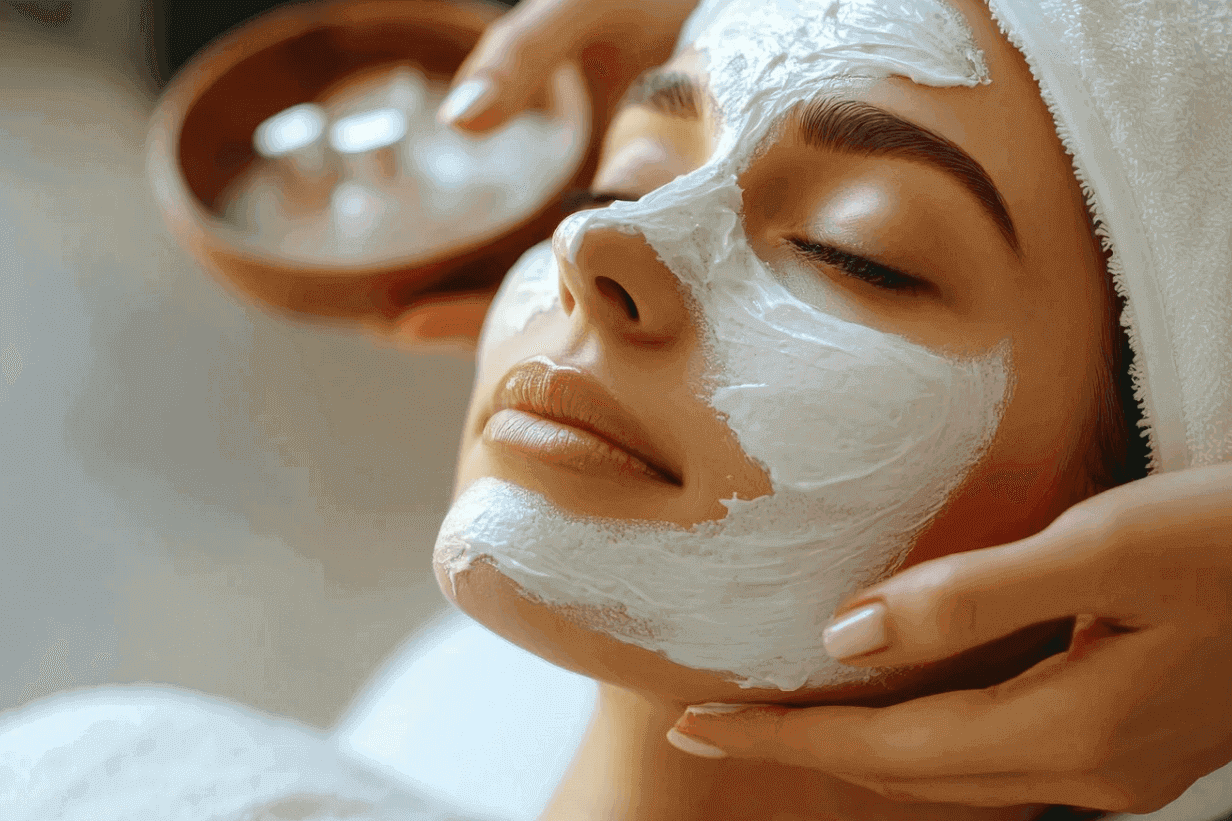
Non-surgical beauty treatments

Lip fillers are commonly used to:

  • Restore volume lost with age.
  • Smooth vertical lip lines.
  • Enhance the Cupid’s bow.
  • Improve symmetry and contour.

Modern lip fillers are typically made from hyaluronic acid, a substance naturally found in the body that supports hydration and softness. When placed conservatively, the result isn’t obvious enhancement—it’s lips that look smoother, more youthful, and naturally full.

This is why interest in lip injections in Charleston continues to grow, particularly at practices like Thomas Funcik Plastic Surgery, where treatments are approached with restraint and precision. Under the oversight of experts, lip injections are planned to complement facial features rather than dominate them. This helps women achieve results that feel polished—not overdone.

Moreover, in good practices, lip injections are not approached as a one-size-fits-all treatment. Each session begins with a careful assessment of lip structure, movement, and overall facial balance to determine how much volume—or definition—is appropriate. The focus remains on conservative placement, smooth integration of hyaluronic acid fillers, and results that enhance the smile without overwhelming surrounding features.

This personalised, medically supervised approach allows patients to feel confident that their lip enhancement is guided by experience, safety standards, and an emphasis on natural-looking outcomes rather than trends.

2. Neuromodulators for a Softer, More Relaxed Expression

Another area of growing curiosity is neuromodulator treatments, often used to soften expression lines caused by repetitive muscle movement. Women are increasingly interested in how these treatments can reduce tension without freezing the face.

Neuromodulators are commonly used to:

  • Relax forehead and frown lines.
  • Soften crow’s feet.
  • Reduce jaw tension.
  • Prevent lines from deepening over time.

The appeal lies in subtlety. When performed with a light touch, the face still moves naturally—just without the constant tension that can make someone look tired or stern at rest.

3. Skin Rejuvenation Treatments That Improve Quality, Not Shape

Not all non-surgical curiosity is about injectables. Many women are drawn to treatments that focus purely on skin health—especially when the face feels dull, uneven, or fatigued.

Skin-focused treatments are explored to:

  • Improve texture and tone.
  • Restore hydration and glow.
  • Reduce fine surface lines.
  • Support collagen production.

Rather than altering facial structure, these treatments enhance what’s already there. Better skin quality often makes the face look more refreshed overall, even without changing volume or muscle activity.

4. Subtle Facial Fillers Beyond the Lips

While lips get the most attention, women are increasingly curious about how small amounts of filler can restore balance in other areas of the face. This includes cheeks, jawline, and areas that lose support over time.

These treatments are considered to:

  • Restore facial proportions.
  • Reduce shadowing or hollowness.
  • Support natural contours.
  • Improve overall facial harmony.

The focus isn’t on looking different—it’s on correcting subtle imbalances that make the face feel “off.” When done thoughtfully, these changes are barely noticeable to others but highly impactful for the person receiving them.

facial fillers

Why the Shift Toward Non-Surgical Treatments?

Perhaps the biggest reason non-surgical treatments are gaining attention is the shift in mindset. Women today are more informed and selective. They’re asking better questions, seeking experienced providers, and prioritising natural outcomes over trends.

Curiosity now centres on:

  • How do treatments fit individual facial anatomy?
  • Will the results age well?
  • How are expression and movement preserved?
  • The experience and philosophy of the provider.

This thoughtful approach reflects a broader redefinition of beauty—one that values confidence, comfort, and authenticity over dramatic change.

Final Thoughts

Taking time for yourself doesn’t mean changing who you are. It can be as simple as feeling more comfortable in your skin. Non-surgical beauty treatments offer moms an approachable way to refresh their look without stepping away from their daily routines.

Whether it’s softening a few lines, restoring a little volume, or just boosting your glow, these small choices can make a big difference in how you feel. And when you feel more like yourself, it shows in everything you do.

Stress Stored in the Body: How to Release Tension at Home (Science-Backed)

0 · Jan 19, 2026 · Leave a Comment

For many years, trauma was seen mainly as a psychological issue. If you talked about it enough, people believed it would lose its power. But modern science tells a deeper story. Trauma does not live only in the mind. It also lives in the body.

Many people understand what happened to them on a logical level, yet their bodies still react with fear, tension, or shutdown. This is not a weakness. It is biology. Today, neuroscience, psychology, and trauma research confirm what survivors have long felt: trauma is stored in the body.

What Is Trauma, According to Science?

Trauma is not defined by the event itself. It is defined by how the nervous system responds.

Trauma occurs when an experience overwhelms the body’s ability to cope. The brain shifts into survival mode. Fight, flight, or freeze responses activate instantly. When the threat passes but the body does not return to safety, trauma remains.

According to the American Psychiatric Association, trauma can result from a single event or repeated exposure and can lead to long-lasting changes in emotional and physical functioning (APA, 2023).

How the Body Stores Trauma

The Role of the Nervous System

The autonomic nervous system controls survival responses. It operates automatically, without conscious thought.

When trauma occurs:

● Heart rate increases

● Muscles tense

● Breathing becomes shallow

● Stress hormones flood the body

If the body cannot complete the survival response, it stays stuck.

Man covered in sticky notes symbolizing stress

Research published in Frontiers in Behavioral Neuroscience shows that trauma can cause long-term dysregulation of the nervous system, keeping the body in a constant state of threat (van der Kolk, 2014).

Trauma Bypasses the Thinking Brain

During trauma, the brain’s rational center goes offline. The survival brain takes control.

This is why trauma memories often appear as:

● Body sensations

● Images

● Smells

● Sudden emotional reactions

The National Institute of Mental Health explains that traumatic memories are stored differently than normal memories and are often triggered without conscious awareness (NIMH, 2022).

The body remembers what the mind cannot fully process.

Physical Symptoms Linked to Stored Trauma

Trauma stored in the body often shows up as physical symptoms, even years later.

Chronic Pain and Tension

Many trauma survivors live with unexplained pain.

Common areas include:

● Neck and shoulders

● Lower back

● Jaw

● Hips

A study in The Journal of Pain found that people with a history of trauma are significantly more likely to experience chronic pain conditions (Lumley et al., 2011).

The body stays tense because it never feels fully safe.

Digestive and Gut Issues

The gut and nervous system are closely connected. Trauma disrupts this connection.

Stored trauma can contribute to:

● Irritable Bowel Syndrome (IBS)

● Nausea

● Bloating

● Appetite changes

Research in Gastroenterology reports that up to 60% of individuals with IBS have a history of trauma or chronic stress (Mayer et al., 2014).

The gut reacts when the nervous system stays on high alert.

Fatigue and Low Energy

Living in survival mode drains the body.

Trauma survivors often report:

● Constant exhaustion

● Difficulty sleeping

● Low motivation

● Brain fog

Chronic activation of stress hormones like cortisol disrupts sleep and energy regulation, according to the National Institutes of Health (NIH, 2021).

Anxiety, Panic, and Hypervigilance

Trauma stored in the body often shows up as anxiety that feels sudden and overwhelming.

Symptoms may include:

● Racing heart

● Shortness of breath

● Dizziness

● Feeling “on edge”

According to the Anxiety and Depression Association of America, trauma-related anxiety disorders affect over 40 million adults in the U.S. each year (ADAA, 2023).

The body reacts as if danger is still present.

Woman covering face with hands due to stress

The Freeze Response and Shutdown

Not all trauma responses look like fear or panic. Many people experience freeze or shutdown.

This may include:

● Emotional numbness

● Low heart rate

● Dissociation

● Feeling disconnected from the body

Freeze is a survival response, not a failure. The body chooses shutdown when escape feels impossible.

Neuroscience research confirms that freeze responses are deeply rooted in the brainstem and autonomic nervous system (Porges, 2018).

Trauma Is Stored Through Memory and Sensation

Implicit Memory

Trauma lives in implicit memory, not narrative memory.

Implicit memory stores:

● Sensations

● Reflexes

● Emotional responses

This explains why trauma triggers can feel confusing. The body reacts before the mind understands why.

According to Harvard Health Publishing, implicit trauma memories are activated automatically and are resistant to logic or reassurance (Harvard Health, 2022).

Why Talking Alone Is Often Not Enough

Talk therapy helps people understand trauma. But understanding does not always lead to relief.

Because trauma lives in the nervous system, healing must also happen there.

Studies show that trauma-focused, body-based therapies often reduce symptoms more effectively than talk therapy alone, especially for PTSD (van der Kolk et al., 2015).

This does not mean talk therapy is useless. It means the body must be included.

Young man relaxing on rocks to alleviate stress

What Helps Release Trauma from the Body

Body-Based Therapies

Science increasingly supports somatic approaches, such as:

● Somatic Experiencing

● EMDR

● Trauma-informed yoga

● Sensorimotor psychotherapy

These therapies focus on restoring safety in the body.

According to the U.S. Department of Veterans Affairs, body-based trauma therapies significantly reduce PTSD symptoms and improve emotional regulation (VA, 2023).

Nervous System Regulation

Healing trauma starts with safety.

Helpful practices include:

● Slow breathing

● Grounding exercises

● Gentle movement

● Mindful body awareness

These practices tell the nervous system that the threat has passed.

Building Body Awareness

Trauma healing does not require reliving the past. It requires listening to the present.

Noticing sensations without judgment helps the body release stored tension over time.

What Science Makes Clear

Trauma is not a personal flaw. It is a biological response to overwhelming experiences.

Modern research confirms:

● Trauma changes the nervous system

● The body stores survival responses

● Physical symptoms are real and valid

● Healing must include the body

This understanding replaces shame with compassion.

Final Thoughts

The body does not betray trauma survivors. It protects them.

Trauma stored in the body is not a life sentence. With safety, awareness, and the right support, the nervous system can learn that the danger is over.

Healing happens when the body is finally allowed to rest.

Tired-Looking Skin: Why It Happens and What People Consider

0 · Jan 6, 2026 · Leave a Comment

You might feel fine, but your skin tells a different story. If you’ve ever looked in the mirror and noticed dullness, dark circles, or a worn-out look that doesn’t match how you actually feel, you’re not alone. For moms juggling work, family, and everything in between, tired-looking skin can sneak up even after a decent night’s sleep.

It’s not just about a lack of rest. Several things can make your skin look less refreshed, from natural aging to everyday stress. While a quick face mask or eye cream might help a little, deeper changes often need a bit more support. Understanding what causes that tired look is the first step toward brighter, more rested skin that reflects how you really feel.

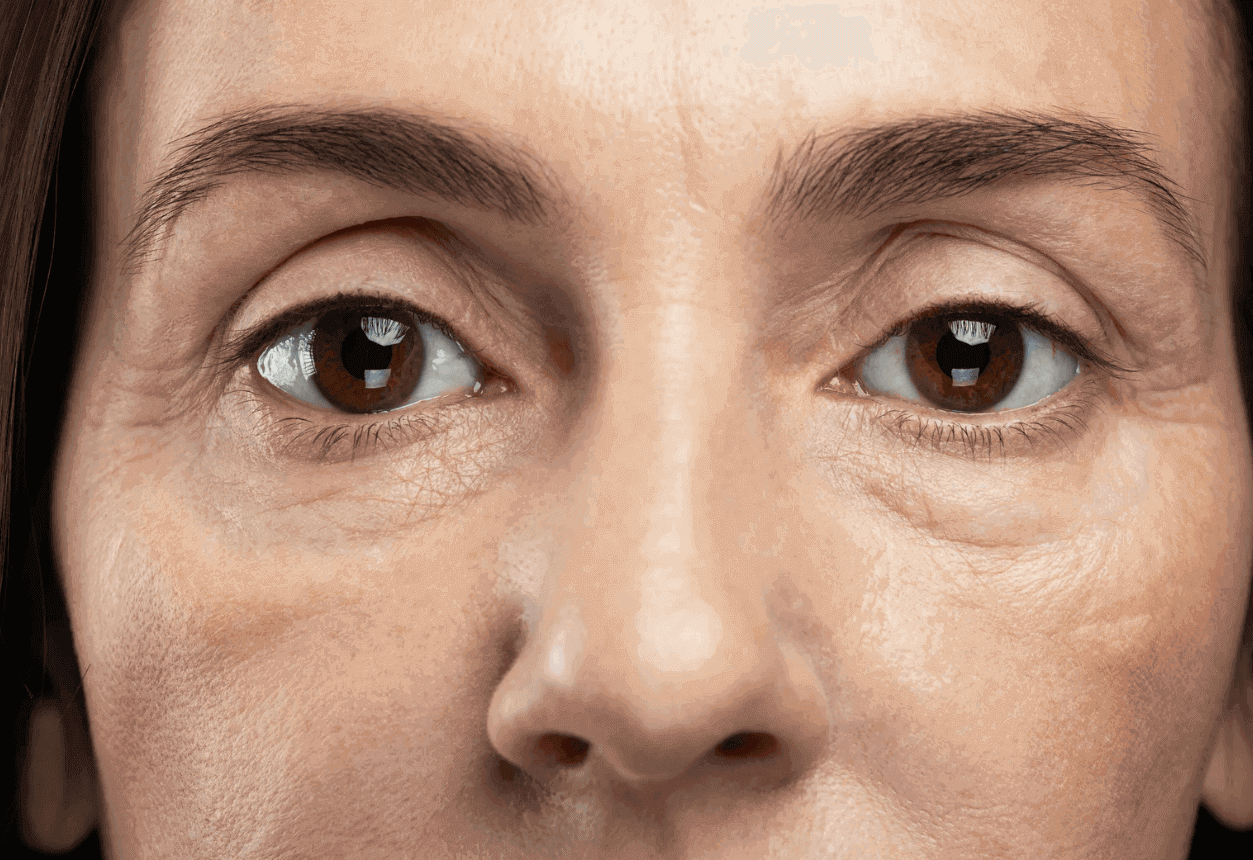
Tired-Looking Skin and Face

1. Loss of Facial Volume Over Time

One of the biggest contributors to tired-looking skin is the gradual loss of facial volume. As we age, the fat pads that support facial structure begin to thin and shift. This can cause the face to appear flatter, less lifted, and more drawn—even when someone feels well-rested.

People often notice:

  • Hollowing under the eyes.
  • Flattened cheeks.
  • A less defined mid-face.

This type of change isn’t something topical products can correct, as it happens beneath the skin’s surface. When volume loss becomes noticeable, some individuals explore treatments designed to restore subtle fullness and support facial contours.

In these situations, options like dermal fillers in St. Louis are often discussed as a way to gently replenish lost volume rather than alter facial features. The best part? Reliable practices such as St. Louis Skin Solutions typically focus on conservative treatment plans that aim to refresh the face while maintaining natural expression and balance. They typically approach volume restoration with a strong emphasis on facial anatomy, skin quality, and long-term outcomes.

2. Under-Eye Shadows and Hollowing

The under-eye area is one of the first places where fatigue shows. The skin here is thinner and more delicate, making volume loss, pigmentation, and shadowing more noticeable.

Common under-eye concerns include:

  • Dark circles that don’t improve with sleep.
  • A sunken or hollow appearance.
  • Shadows that make the eyes look tired.

While lack of sleep can temporarily worsen these issues, structural changes often play a larger role. Genetics, bone structure, and aging all influence how the under-eye area looks over time. This is why even well-rested individuals may still appear fatigued.

Because the under-eye area is so delicate, people dealing with persistent shadows or hollowing often realize that creams and concealers can only go so far. When fatigue appears structural rather than surface-level, many begin exploring solutions that address volume and support in this specific area. The goal is usually not to erase every shadow, but to reduce depth and create a smoother transition between the lower eyelid and cheek. This thoughtful, targeted approach helps the eyes look more rested and balanced without drawing attention to treatment itself.

3. Dull Skin Tone and Reduced Skin Vitality

Another reason skin can look tired is a general loss of brightness and vitality. Over time, cell turnover slows, circulation decreases, and environmental stress takes its toll. The result is skin that looks flat, uneven, or lacking its former glow.

This often shows up as:

  • Uneven skin tone.
  • Rough or dry texture.
  • Reduced natural radiance.

Many people respond by adjusting their skincare routines—adding exfoliants, vitamin-based products, or professional facials. These steps can improve surface quality, but deeper changes in skin structure may still contribute to an overall tired appearance.

When dullness persists despite consistent skincare, people often reassess their approach. Instead of layering more products, they begin considering whether deeper factors—such as slowed cell turnover or reduced circulation—are contributing to the tired look. Many choose to complement their skincare routine with professional treatments that support skin health from within, allowing surface improvements to look more noticeable and longer-lasting.

Looking to combat tired-looking skin? Total Package Serum is a great choice. Packed with peptides, hyaluronic acid, and vitamin C, it hydrates, firms, and brightens the skin. It’s an excellent option to restore a refreshed, youthful glow and tackle signs of aging safely and effectively.

Tired-Looking Skin

4. Lifestyle Factors That Show on the Face

Busy schedules, stress, and limited downtime can all leave their mark on the skin. While these factors don’t always cause structural changes, they can amplify existing concerns and make the face appear more fatigued.

Lifestyle-related contributors include:

  • Chronic stress.
  • Irregular sleep patterns.
  • Dehydration.
  • Hormonal fluctuations.

While improving sleep and hydration certainly helps, these changes don’t always reverse facial fatigue on their own. This is why many people approach tired-looking skin with a combination of lifestyle adjustments and targeted treatments that address both surface and structural concerns.

Conclusion

Looking tired doesn’t always mean you are. Life gets busy, especially for moms, and our faces sometimes show more stress than we realize. From changes in facial volume to under-eye shadows and dull skin tone, there are many reasons your skin might not look as refreshed as it used to.

The good news is that you’re not stuck with it. When you know what’s causing the change, you can start exploring options that fit your life and your comfort level. Whether it’s improving your skincare routine, adjusting your lifestyle, or talking to a trusted provider, there are real ways to bring back a fresh, confident look without overcomplicating things.

What to Look for When Choosing the Right Dermatologist for You and Your Family

0 · Jan 6, 2026 · Leave a Comment

Taking care of your skin isn’t just about vanity. For moms, it’s part of keeping yourself and your family healthy. As moms, we’re often quick to schedule doctor visits for our kids but may overlook our own skin concerns or put off that mole check until “someday.” The truth is, dermatology has grown far beyond just treating rashes or breakouts. It now includes everything from early skin cancer detection to safe, gentle cosmetic treatments that fit into real life.

But with so many providers out there, how do you know which dermatologist is right for your family’s needs? Whether you’re looking for help with a teen’s acne, your own skincare concerns, or preventive care for everyone, here’s what to consider before you book that first visit.

1. Medical Credentials and Training

Start with the essentials. Any dermatologist you visit should be board-certified. This means they’ve completed specific education and passed exams in dermatology — not just general medicine.

Look for:

  • Board certification from a recognized medical board
  • Memberships in professional associations (like the AAD)
  • Ongoing education in current treatment methods

These qualifications confirm that you’re being treated by someone trained to handle both common and complex skin concerns. Without them, your care may lack precision or safety.

family dermatologist

2. Services They Offer

The list of skin-related services today is long: mole checks, anti-aging treatments, sun damage repair, hair loss consultations, and more. It’s important to choose a dermatologist who covers your concerns.

For example, experts in dermatology in Wellesley make it easy for patients to explore services like skin cancer screenings, acne care, cosmetic peels, and non-invasive treatments — all under one roof. This makes it easier to build a long-term relationship with the same provider.

Here’s what to check:

  • Medical services: acne, eczema, mole removal, rosacea
  • Cosmetic services: Botox, laser, chemical peels
  • Prevention: skin cancer checks, sun care guidance

A clinic, like APDerm, with broad offerings ensures that as your skin’s needs change, your care doesn’t have to. It keeps treatment consistent and personalized over time.

3. Experience With Your Skin Concern

Dermatologists specialize in different things. Some focus on acne and eczema. Others offer more cosmetic procedures, like laser treatments or fillers. Choosing someone who’s treated conditions like yours can make a big difference in results.

Ask:

  • Have they handled similar skin types or tones?
  • Do they offer treatments tailored to your concerns?
  • Can they show reviews or case studies?

This ensures you’re not just getting care — you’re getting the right kind of care.

4. Communication and Comfort

You should feel safe asking questions. A good dermatologist listens, explains clearly, and never rushes through a visit.

Watch for:

  • Patient-first approach
  • Explanations that make sense to you
  • Staff who treat you with care and respect

Comfort matters — not just emotionally, but also medically. When you feel understood, you’re more likely to stick to your treatment and trust the process.

5. Accessibility and Convenience

Check how soon you can get an appointment. Some clinics have long waits, while others can schedule you within days.

Also consider:

  • Office hours and location
  • Availability of virtual consultations
  • Flexibility with follow-ups

The easier it is to reach your dermatologist, the more consistent your skin care will be.

6. Transparent Pricing and Insurance Acceptance

Cost is always a factor. Some treatments may not be covered by insurance — especially cosmetic ones — so always ask about pricing upfront.

Look into:

  • Accepted insurance plans
  • Cost of consultations and treatments
  • Payment plans or discounts available

Understanding the financial side early prevents surprises later. It also helps you plan your care better and more confidently.

Choosing the Right Dermatologist

When Should You See a Dermatologist?

Waiting for a problem to get worse is a common mistake. In reality, early visits save time, money, and stress. Here’s when to consider seeing a specialist:

  • You have a rash, breakout, or irritation that won’t go away
  • You’ve noticed a mole that’s changed in shape or color
  • You’re struggling with persistent acne or scarring
  • You want cosmetic guidance on aging, sun damage, or skin texture
  • You need an annual skin check — especially if you spend time in the sun

Dermatologists also support scalp issues, hair thinning, nail infections, and more. A visit doesn’t always mean something is “wrong” — it’s about proactive care.

Conclusion

Choosing the right dermatologist isn’t just a medical decision but a personal one. You deserve a provider who understands your concerns, explains your options, and supports your long-term skin health. From credentials and treatment range to comfort and cost, each factor plays a role in making that choice easier. Whether you’re juggling appointments for your kids or carving out a little time for your own wellness, choosing a trusted provider makes all the difference.

And if you’re looking for trusted care in areas like Wellesley, taking the time to research providers and review their offerings ensures you find the right fit. Healthy skin isn’t just about appearance. It’s about confidence, safety, and peace of mind.

  • « Go to Previous Page
  • Page 1
  • Page 2
  • Page 3
  • Page 4
  • Page 5
  • Interim pages omitted …
  • Page 8
  • Go to Next Page »

Primary Sidebar

Heather from Whipperberry
Hello... my name is Heather and I'm the creator of WhipperBerry a creative lifestyle blog packed full of great recipes and creative ideas for your home and family. I find I am happiest when I'm living a creative life and I love to share what I've been up to along the way... Come explore, my hope is that you'll leave inspired!

Footer

  • Privacy Policy
  • Crafts
  • Food
  • Gifts
  • Holidays
  • Home
  • Mom Life
  • Recipes
  • Travel

Copyright © 2026 · Seasoned Pro