• Skip to primary navigation
  • Skip to main content
  • Skip to primary sidebar
  • Skip to footer

Whipperberry

WhipperBerry • Your Home For Creative Inspiration

  • Home
  • Recipes
    • Starters
    • Easy Weeknight Dinners
    • Main Dish
    • Salads
    • Side Dish
    • Soups & Stews
    • Desserts
    • Breakfast
    • Miscellaneous
  • Tutorials
    • Creative Crafts
    • DIY Decor
    • Fabric Crafts
    • Food How-To
    • Jewlery
    • Paint Projects
    • Paper Art
    • Party Styling
    • Photography and Graphic Design
    • Silhouette
  • Holidays
    • Easter
    • Mother’s Day
    • Father’s Day
    • 4th of July
    • Halloween
    • Thanksgiving
    • Christmas
    • Valentine’s Day
  • Gift Ideas
    • Gifts For Everyone
    • Gifts for Dad
    • Mother’s day
    • For The Girls
    • For The Kids
    • Teacher Gift Ideas
    • Christmas
  • Printables
    • Holiday
    • Gift Idea
    • LDS Primary
  • Travel
  • About
    • Terms
  • Contact
  • Nav Social Menu

    • Facebook
    • Instagram
    • Pinterest
    • RSS
    • Twitter

Pets

How to Introduce a New Dog to Kids

0 · Sep 17, 2025 · Leave a Comment

Bringing a new dog into your home is an exciting experience that can bring companionship and joy.To introduce a new dog to kids in a positive way is essential.

Children and dogs can form great friendships, but you need to be thoughtful about the introduction. Kids often have a lot of energy and curiosity, while dogs might feel nervous in a new place. Finding a way for both to connect will help everyone live together happily.

Creating a friendly atmosphere during the introduction is important. Make sure kids feel involved and the dog feels safe. Building trust and understanding is the goal. With some preparation, you can help your children form a loving bond with the new dog. Let’s look at how to introduce a new dog to kids smoothly.

Preparation Steps

Before meeting your new dog, some preparation can make a big difference. Start by setting rules for both your kids and the dog. Discuss acceptable behaviours, such as not pulling the dog’s tail, hugging it, or picking it up without permission. Teaching your kids to respect the dog’s space helps them read its body language and keeps everyone safe.

Create a special area for your new dog, like a corner of the living room or a cozy crate. Let the dog have some alone time in this spot to get used to its new home. Explain to your kids that this is where the dog can relax without being disturbed. This understanding builds respect between them.

Slowly Introduce a New Dog to Kids

Encouraging Positive Activities

Help kids and dogs bond through fun activities. Teach them simple commands, play fetch, or take walks together. These experiences build trust and strengthen their relationship as they learn to communicate with each other.

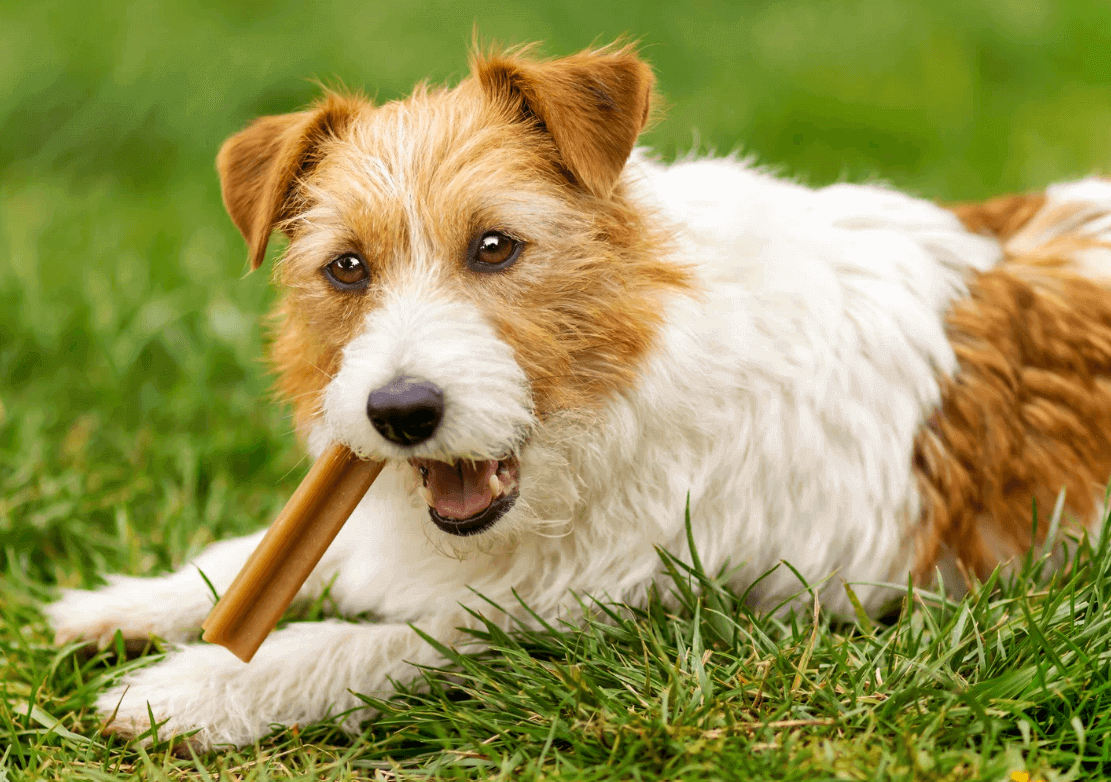
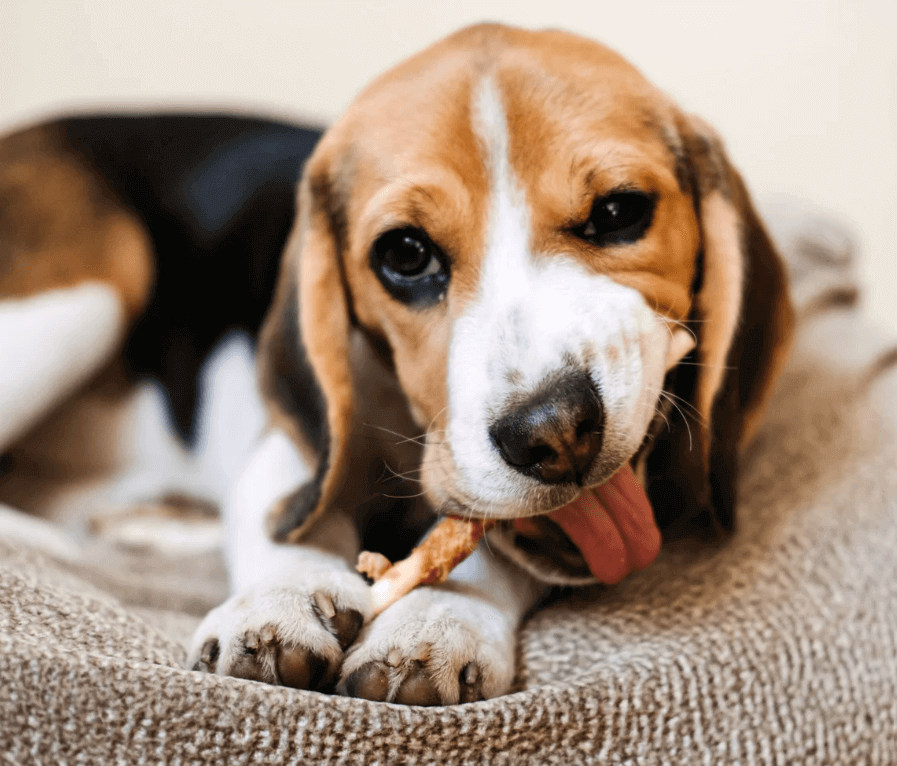
Using a bully stick during playtime can make things even better. Give the dog a bully stick while the kids do other activities. This keeps the dog happy and entertained, allowing the kids to watch and understand their new friend’s personality. It adds a fun, interactive element that grows as the dog feels more secure in the home.

First Meeting

The first meeting is important for both the dog and the kids. Make sure this happens in a calm place, preferably one the dog knows well. Have your kids sit quietly on the floor, allowing the dog to come to them when it feels ready. Encourage them to speak softly and move slowly to create a calm setting.

Having some treats ready can help. A bully stick is a good choice. It is a tasty treat for the dog, and chewing it can help calm it down while it watches the kids.

The smell and taste can help the dog feel less nervous and create a positive connection with the children. When the dog learns that kids are friendly and fun, it can trust them more.

Teaching Kids to Interact

As the kids start to interact with the dog, watch them closely. Show your kids how to let the dog sniff their hands to help it feel comfortable. Teach them to approach the dog calmly and speak softly, treating it like a new friend. Role-playing can also be helpful. It allows you to demonstrate how you want them to act.

It’s important to encourage your kids during their interactions. Praise them for being gentle with the dog, which reinforces good behaviour. This helps build their confidence and shows them the importance of being kind and patient. They will learn that the new dog is a living being that deserves love and respect.

Introduce a New Dog to Kids

Ongoing Supervision

After the first meeting, keep a close watch on the kids and the dog. They might get excited together, which can lead to rough play. Be present during their time together for the first few weeks so you can step in if necessary. This guidance helps keep interactions safe and allows the kids to bond with the dog.

Remember that the dog’s comfort matters during this adjustment time. If the dog looks stressed, give it a place to rest and recharge. Don’t rush the bonding process; let it happen naturally. Kids should learn that building a friendship with the new family member takes patience.

The goal is to create a happy home where your kids and dog thrive together. With proper introductions, clear guidance, and shared activities, you can build a loving and respectful bond that helps everyone in your family. Remember, patience and love are key when introducing a new furry friend to your home.

Low-Fat Dog Treat Ideas Every Pet Parent Should Know

0 · Aug 29, 2025 · Leave a Comment

As a mom, I know how easy it is to spoil every member of the family, including the four-legged ones. In our home, treats are more than just rewards. They’re little moments of joy. But when I started looking more closely at what we were feeding our dog, I realized many popular treats were packed with unnecessary fat and calories. That sent me on a mission to find better, healthier options that still make tails wag.

If you’re also trying to balance love with health when it comes to your pup, keep reading. I’m sharing a few low-fat dog treats that have worked well in our home and might be perfect for yours too.

Why Watch the Fat Content in Treats?

Fat isn’t always the enemy, but too much of it can be. Dogs need some of it for energy, a shiny coat, and proper nutrient absorption. The trouble starts when chews and snacks tip past healthy limits. High-fat treats quickly add calories that a dog doesn’t burn off, leading to weight gain and joint strain. Over time, this can reduce mobility and lower the quality of life.

Dog chewing on a bone

The risks go beyond the scale. Fatty treats have been linked to pancreatitis, a painful condition that can become dangerous if not managed. Smaller breeds and puppies are especially at risk because even small amounts of excess weight put extra stress on developing bones and organs.

And then there’s digestibility. Chews like rawhide and pig ears aren’t just high in fat, but they’re also tough for the stomach to process. They can splinter, swell, and cause blockages, turning treat time into a health scare.

Low-Fat Substitutes That Still Satisfy

Low-fat substitutes come in many forms, from single-ingredient animal treats to crunchy produce and homemade recipes. Here are some of the best categories to explore:

Natural Single-Ingredient Treats

Single-ingredient treats are among the cleanest and leanest snacks you can give your pup. Because they’re made from just one natural source and prepared by slow baking or air drying, they retain flavor without the need for additives or extra fat. That makes them easier to digest, lighter in calories, and far safer than processed snacks that rely on fillers and grease.

A favorite of many pet parents in this category is the cow ears. Naturally low in fat and rich in protein, these treats provide lasting chewing satisfaction without piling on unnecessary calories. Even better? Some trusted companies, like Bully Bunches, even offer the cow ear for dogs online that are ethically sourced from free-range cattle. That means healthier chews delivered right to your door without any guesswork.

Other lean choices include beef tendons, esophagus strips, and dehydrated fish skins. Each provides texture, flavor, and the chewing satisfaction pups crave, without the greasy residue or heavy calories.

Man and dog on dock by lake

Fruits and Veggie Options

Fresh produce isn’t just for people. Many dogs enjoy the natural sweetness and crunch of fruits and vegetables. Carrot sticks, for instance, are low in calories and high in fiber. Freeze a peeled one for a longer‑lasting chew that helps soothe teething gums. Cucumbers provide hydration and crunch without sugar; cut them into sticks or small chunks depending on your furry friend’s size.

Sweet potato treats are also a popular homemade option. Slice into thin strips, bake at a low temperature until leathery, and store in an airtight container. Pumpkin pieces can also be dehydrated for a chewy treat rich in beta‑carotene. Always introduce new fruits and veggies gradually and avoid dog-toxic options like grapes, onions, and avocado.

Seafood-Based Treats

Fish is a lean protein by nature, so it’s a great choice for low-fat treats. It packs more punch and taste compared to some of the red meats that have additional calories. It’s a perfect idea for dogs who need to maintain weight in check while still having treats.

Person holding chopsticks in front of a dog

Plus, not only is seafood low in fat, but it’s also healthy in other ways. Fish contains omega-3 fatty acids that promote a shiny coat, prevent inflammation, and keep joints healthy. That means fish-based treats are a two-fer: a treat your dog enjoys and a nutritional supplement.

Some of the best ones include cod jerky, strips of dried salmon, or sardines. They are crispy, airy, and rich in natural taste. Just be sure to offer them gradually, as the taste and texture would be unfamiliar to some pups.

Closing Thoughts

Treat time should be a happy moment for your pup and for you. By switching to lower-fat options, you’re not just cutting calories. You’re giving your dog a better chance at long-term health. Whether it’s a crunchy carrot, a chewy cow ear, or a fish-based snack full of good fats, there are plenty of wholesome ways to show your love.

As someone who balances mom life, crafting, and travel with caring for our dog, I’ve learned that small changes like this can really matter. If you’re building a healthy daily rhythm for your pet, you might also enjoy our family dog wellness routine. Here’s to healthy treats that keep tails wagging and hearts happy.

Raising Responsible Kids: How to Include Children in the Family Dog’s Wellness Routine

0 · Aug 18, 2025 · Leave a Comment

As a mom, I’ve learned that raising responsible kids isn’t about long lectures or endless reminders—it’s about showing them how responsibility looks and feels in real life. One of the sweetest (and sometimes messiest!) ways to teach that lesson is by letting children play an active role in caring for the family dog.

From filling water bowls to brushing out tangles in a furry coat, kids quickly see how their small efforts make a big difference. It’s the same feeling they get when finishing a craft project or helping with family travel plans—hands-on experiences that build confidence and pride. And the best part? Caring for a pet is a daily opportunity to teach life skills that stick.

Start with the Small Stuff

If you’ve been doing 100% of the dog care yourself, it probably feels it’s quicker to just keep it that way (and practically speaking, it is). But to start, hand over some of the small, daily jobs to your kiddo.

Source: Pexels

For example, if you have a six-year-old, teach them how to refill the water bowl (and why fresh water is important) and scoop the right amount of kibble. A ten-year-old can be taught how to brush the dog, and even help you with tracking when it’s time for flea prevention (don’t forget to teach them why fleas are dangerous for the dog and humans, too).

You’ll notice we suggested a few easy but nevertheless important tasks. The latter is the essential piece of the puzzle: things they do should actually be useful, not “pretend” jobs that you’ll redo later. Kids can tell when they’re tasked with important duties vs pretend ones. Maybe not immediately, but they catch up fast.

So, explanations matter. Instead of “Give the dog food,” say, “Dogs need the right amount every day, just like us. Too much or too little and they can get sick.” Likewise, explain why homemade treats can be better than store-bought for the dog’s health.

Make Nutrition a Teachable Moment

Most kids love learning that pets have some of the same needs we do. Show them the dog’s food, explain what’s in it, and why you chose it. If you use supplements, let them see that part too. For example, Honest Paws natural probiotic for dogs is something you can tie directly to their own experience: “Just like yogurt helps our tummy/digestion (depending on your kid’s age), probiotics help keep a dog’s gut healthy.”

Basically, you link action to a benefit. Once a kid makes that connection for themselves, they’re more likely to remember it and take ownership.

Exercise Works Both Ways

Another task you can hand to your child is walking. Dogs need them regularly, and frankly, most kids could use more physical activity, too.

Young girl with a dog on hay bale

So, let your child take the leash sometimes. However, do this only if they’re big enough to manage it safely. If they’re under 12, walk with them, if they’re older and you have a small breed, consider letting them go alone on a short, familiar route. It will be good for the kid and the dog.

Show Them How to Spot Changes

Vet visits are important, but they’re just a piece of the wellness puzzle. You also want to teach your child to notice the small stuff: Is the coat shiny or dull? Are there any unusual lumps? Is the dog suddenly tired more often? These are early signs that something might be wrong. Kids often enjoy the “detective” element here.

The earlier they learn that health is something you keep an eye on, the more natural it’ll be for them to do the same for themselves later.

Be the Example

We mentioned that words alone rarely work on children, but actions almost always do. This is why you should also show them how to be responsible through your own actions.

If you treat the dog’s care as important (measuring food instead of eyeballing it, choosing quality over whatever’s cheapest, brushing them regularly, etc.) they’ll notice. You can even draw parallels: “We eat well so our bodies stay strong. We give the dog good food and supplements for the same reason.”

Still, go into it with realistic expectations. Be optimistic but also forgiving. Your child will sometimes forget, other times rush through the job or skip it entirely. Correct it, but don’t make it a shame-fest.

Remember, positive reinforcement is key so acknowledge the times they do it well and simply explain what they didn’t do right. Over time, the consistency of doing it (and the satisfaction of seeing the dog happy and healthy) will be its own motivator.

Conclusion

At the end of the day, raising responsible kids is about giving them real opportunities to contribute in meaningful ways. When they see their dog’s happy tail wags, shiny coat, or boundless energy thanks to their care, they realize that their efforts matter.

It won’t always be perfect, sometimes they’ll forget, or rush, or need reminders but every walk, meal, and wellness check builds their sense of independence. Just like the little moments we cherish while crafting together or exploring new places as a family, these small routines add up. Over time, they not only help raise a happy, healthy pup, but also children who grow up proud of their ability to care, contribute, and take responsibility.

How to Create a Pet-Friendly Space Without Compromising Cleanliness

0 · Jun 25, 2025 · Leave a Comment

Having a pet means having a bit of chaos. No doubt, the animals bring love and liveliness, but along with that, they carry some mess, too. However, creating a cozy home for your furry friend doesn’t have to mean sacrificing a clean, fresh-smelling living space.

In fact, with a few smart strategies and the right products, you can easily design a pet-friendly space. That simply feels like a sanctuary for both you and your pet, without that lingering “cat smell” or dust cloud following you around.

That said, let’s explore how to create a pet-friendly space that works with your lifestyle. So, dive into the article to learn!

1. Choose Pet-Friendly Materials from the Ground Up

Let’s start with the literal ground. Your floors take the brunt of the pet-parenting experience. From muddy paw prints to litter scatter, your flooring choices can make or break your clean-up routine.

Some of the best picks are mentioned below:

  • Hardwood, tile, or luxury vinyl planks – These are easier to wipe clean and don’t trap odors.
  • Low-pile rugs or machine-washable rugs – Great for cats who love soft surfaces but tend to shed or drag litter.

2. Set Up a Clean and Contained Litter Zone

If you’ve got a cat, the litter box area is usually the trickiest part of maintaining a clean home. Fortunately, some reputable products like Boxiecat’s clumping litter make this a lot easier.

Their unscented premium clumping clay litter is made from 100% natural bentonite clay. It forms tight, hard clumps that stay on the surface, making scooping a breeze. It’s also designed to control odors for up to 30 days. This means you don’t need to dread walking past the box every morning.

What makes it perfect for clean homes?

  • Hard Flat Top technology keeps the box drier and fresher.
  • Over 99.9% dust-free, reducing allergies and litter tracking.
  • Veterinarian recommended, so it’s safe and gentle on your cat’s paws.

All in all, by using a high-performance litter, you can confidently place your cat’s litter box in a discreet but central location. You do not need to hide it in a basement or bathroom.

3. Make Cleaning Routine Effortless

Clean doesn’t have to mean time-consuming. A few daily habits can make a world of difference in how your home feels and smells:

  • Keep pet wipes near entryways to clean paws before they track dirt.
  • Vacuum 3–4 times a week with a pet-specific vacuum.
  • Use washable covers on furniture or pet beds to make laundering easy.
  • Add an air purifier in rooms—it helps reduce dander and odor.

4. Create Zones for Pets and People

A smart way to maintain order in a pet-friendly home is to create zones. Much like you might keep the kids’ toys in one corner, pets also benefit from dedicated spaces.

Ideas for functional pet zones:

  • Litter box nook: Choose a well-ventilated corner and add a litter mat underneath.
  • Feeding station: Use silicone trays under food and water bowls to catch spills.
  • Chill zone: A cozy corner with a washable bed, toys, and maybe a scratching post.

Keep pet zones contained with easy-to-clean surfaces and define them with mats or runners so you can maintain clear boundaries.

5. Use Pet-Safe, Low-Odor Cleaning Products

Many regular cleaning products contain harsh chemicals that are not only unsafe for pets but can also irritate their noses (and yours). Choose pet-safe, non-toxic cleaners for litter areas, food zones, and pet beds.

Products labeled enzymatic are ideal for neutralizing odors and breaking down organic matter, especially useful for cat urine.

Also, keep in mind that unscented litter is ideal for sensitive pets and people alike. Unlike fragranced litters that mask odors, the clay litter eliminates them naturally without irritating your cat’s senses.

6. Go Minimal with Storage and Supplies

Pets need a lot of stuff, but they don’t need it all at once. Use storage bins or baskets to:

  • Stash away toys that are not in rotation.
  • Organize grooming supplies.
  • Store backup litter, food, and treats in a tidy pantry zone.

Create a Pet-friendly Space Today

Being a pet parent doesn’t mean giving up on a clean, beautiful home. In fact, with a few tweaks to your routine and the right supplies, you can create a space that’s fresh, functional, and welcoming for you and your four-legged family members.

So, next time you’re setting up your home with pets in mind, remember that cleanliness and comfort can absolutely co-exist. Now go ahead—let the cats climb the windowsill and nap on your laundry. You’ve got cleanliness covered.

  • « Go to Previous Page
  • Page 1
  • Interim pages omitted …
  • Page 3
  • Page 4
  • Page 5
  • Page 6
  • Go to Next Page »

Primary Sidebar

Heather from Whipperberry
Hello... my name is Heather and I'm the creator of WhipperBerry a creative lifestyle blog packed full of great recipes and creative ideas for your home and family. I find I am happiest when I'm living a creative life and I love to share what I've been up to along the way... Come explore, my hope is that you'll leave inspired!

Footer

  • Privacy Policy
  • Crafts
  • Food
  • Gifts
  • Holidays
  • Home
  • Mom Life
  • Recipes
  • Travel

Copyright © 2026 · Seasoned Pro