• Skip to primary navigation
  • Skip to main content
  • Skip to primary sidebar
  • Skip to footer

Whipperberry

WhipperBerry • Your Home For Creative Inspiration

  • Home
  • Recipes
    • Starters
    • Easy Weeknight Dinners
    • Main Dish
    • Salads
    • Side Dish
    • Soups & Stews
    • Desserts
    • Breakfast
    • Miscellaneous
  • Tutorials
    • Creative Crafts
    • DIY Decor
    • Fabric Crafts
    • Food How-To
    • Jewlery
    • Paint Projects
    • Paper Art
    • Party Styling
    • Photography and Graphic Design
    • Silhouette
  • Holidays
    • Easter
    • Mother’s Day
    • Father’s Day
    • 4th of July
    • Halloween
    • Thanksgiving
    • Christmas
    • Valentine’s Day
  • Gift Ideas
    • Gifts For Everyone
    • Gifts for Dad
    • Mother’s day
    • For The Girls
    • For The Kids
    • Teacher Gift Ideas
    • Christmas
  • Printables
    • Holiday
    • Gift Idea
    • LDS Primary
  • Travel
  • About
    • Terms
  • Contact
  • Nav Social Menu

    • Facebook
    • Instagram
    • Pinterest
    • RSS
    • Twitter

Pets

Making Meaningful Family Memories With Your Pets

0 · Apr 20, 2026 · Leave a Comment

Pets are more than just animals in our homes. They are part of the family. They sit with us during quiet moments, play with our kids, and bring a special kind of joy into our daily lives.

As a mom, I have seen how these small, shared moments with our pets can turn into memories our family holds onto for years. You do not need big plans or special occasions to create those memories. They grow from simple, everyday time spent together.

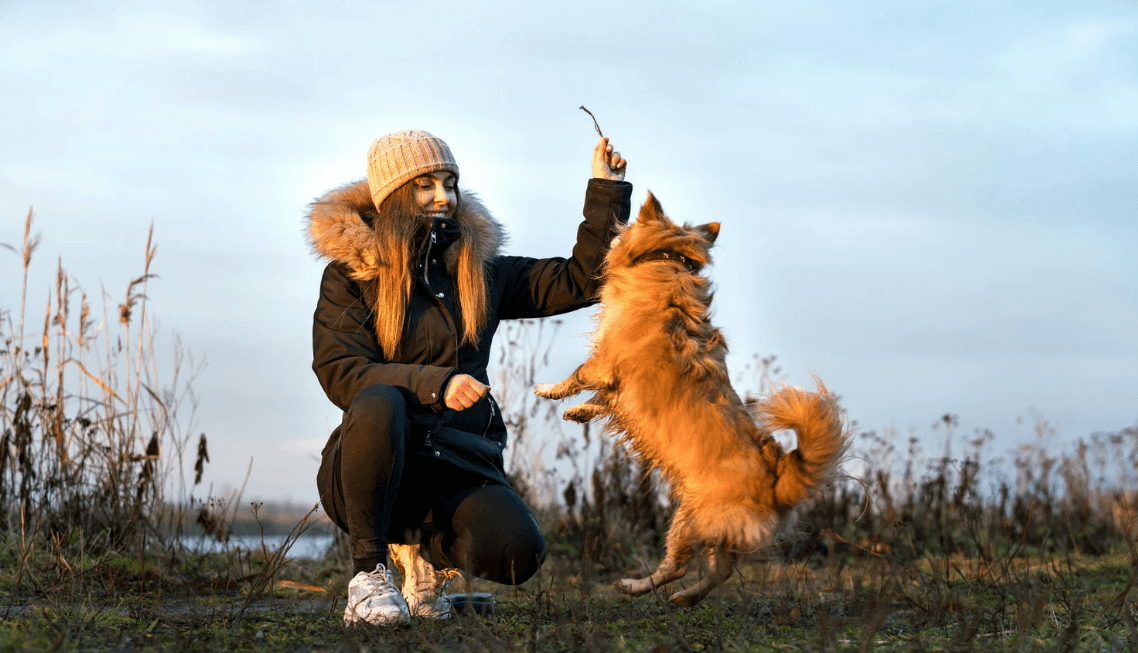
family memories with pets

Creating Daily Moments That Matter

One of the easiest ways to build lasting memories is by being present during everyday routines. Feeding time, walks, and even grooming sessions can become opportunities to connect. When you slow down and engage with your pet, you create a sense of trust and familiarity that strengthens your relationship.

For many pet owners, thinking about long-term care is also part of that connection. While it may not be an easy topic, understanding options like Paws Into Grace pet euthanasia can help ensure that your pet is supported with dignity and compassion when the time comes. Planning ahead allows you to focus more on enjoying the present moments you share together.

Exploring New Experiences Together

Introducing your pet to new environments can be both exciting and rewarding. Visiting a nearby park, taking a short road trip, or simply changing your walking route can stimulate your pet’s senses and keep them engaged. These shared adventures not only prevent boredom but also create unique experiences that stand out in your memory.

Be mindful of your pet’s personality and comfort level. Some animals thrive in social settings, while others prefer quieter spaces. Tailoring activities to suit their needs helps ensure that each experience is positive and enjoyable.

Capturing and Celebrating Small Wins

Documenting moments with your pet is a wonderful way to preserve memories. Photos and short videos can capture milestones such as learning a new trick, celebrating a birthday, or simply enjoying a peaceful afternoon together. These snapshots serve as reminders of the joy your pet brings into your life.

Celebrating small achievements also reinforces positive behavior. Whether it is rewarding your pet with their favorite treat or giving them extra affection, these gestures make everyday accomplishments feel special.

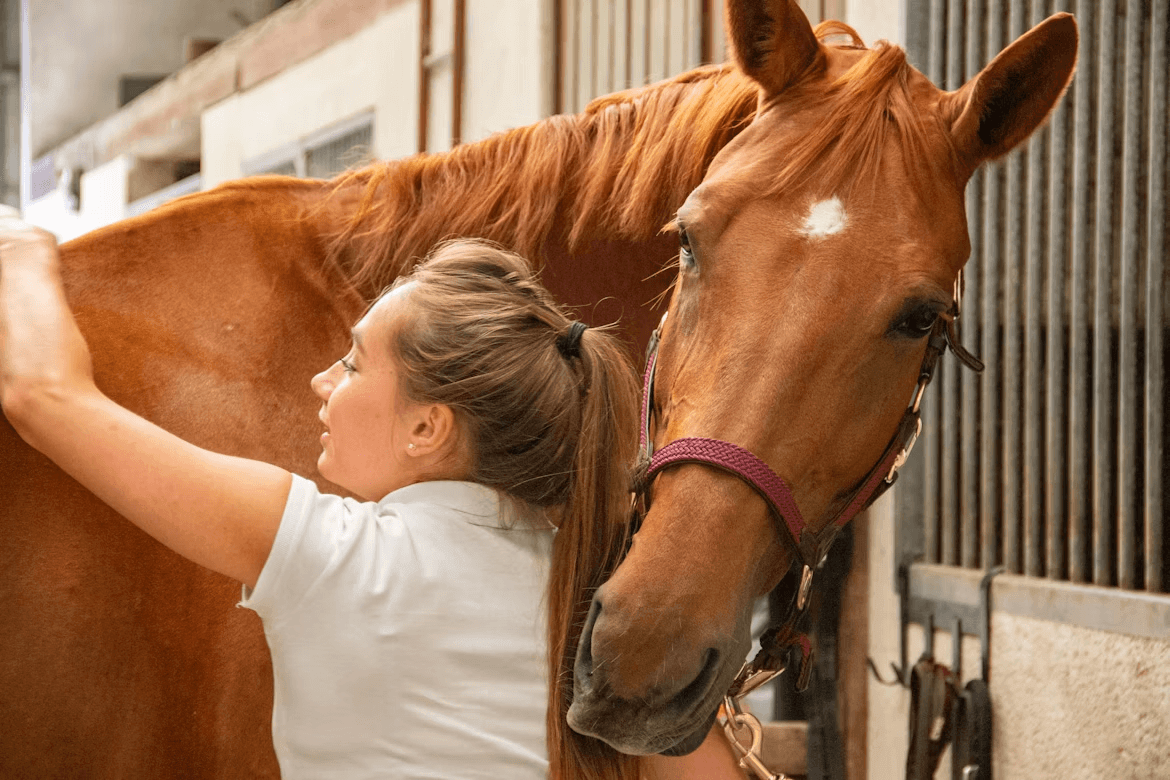
Making family memories with your pets

Building Meaningful Traditions

Creating traditions with your pet adds structure and anticipation to your routine. This could be a weekly outing, a designated playtime, or even a quiet evening ritual. Over time, these traditions become something both you and your pet look forward to.

Consistency is key when establishing these habits. Pets thrive on routine, and having regular activities helps them feel secure. These repeated moments often become the most cherished memories because of their familiarity and emotional significance.

Providing Comfort Through Every Stage

As pets grow older, their needs begin to change. Slowing down activities, adjusting their diet, and creating a more comfortable living environment are all ways to continue supporting them. Paying attention to these changes ensures that your pet feels cared for at every stage of life.

Spending quality time becomes even more important during this period. Gentle walks, quiet companionship, and simple interactions can mean a great deal. These moments, though subtle, often carry the deepest emotional value.

Focusing on What Truly Matters

At the heart of it all, the memories we make with our pets are really family memories. They come from time spent together, from laughter, from quiet moments, and from the care we give each other every day.

Whether your home is full of energy or calm and quiet, your pet is part of that story. By choosing to be present and intentional, you create moments your family will remember long after they have passed.

Creative Ways to Welcome a New Pet Into the Family

0 · Mar 31, 2026 · Leave a Comment

Bringing home a new pet is an exciting time for any family.

However…

Most new owners get caught up in buying toys and cute beds. They overlook the groundwork that truly matters. You know, things that keep their pet healthy and happy for years to come.

With over 94 million households owning at least one pet today, Americans clearly love their furry friends. But do they know how to properly prepare for them? That’s the question.

Getting a new dog or cat into the family doesn’t have to be complicated or expensive. There are plenty of creative ways to welcome a new pet into your home, easy and fun.

Let’s take a look…

What you’re going to learn:

  1. How proper preparation can save you stress later
  2. Creative ways to prep your home for a new pet
  3. The costs of new pet ownership (and how to plan)
  4. Fun ideas to welcome and bond with your new animal
  5. How to build a long-term pet care routine
welcoming a new pet

How Proper Preparation Can Save You Stress Later

When you get a new animal into the home it’s tempting to dive right into the fun stuff.

Buying toys, playing all day, taking them everywhere you go.

But if you neglect to prepare your home and do a little research before day one, you’re setting yourself up for future headaches.

The whole point of preparation is this:

Imagine yourself coming home from the shelter, pet store or breeders. You’ve loaded everything up in the car. The new pet is sitting in the back impatiently waiting to explore their new home.

Everything in your pet’s new house is unfamiliar to them. The noises. The smells. The people.

What’s going to keep them from freaking out?

Simply by preparing in advance, you set them up for success and limit their stress. Stress that they’ll project onto you and your family. Don’t forget about that little detail.

Before opening the door to your new pup or kitty friend, you owe it to them to have some fundamentals in place. Microchipping, veterinary care, and comprehensive pet insurance.

Do your research now and find the best pet insurance plan for your needs. That way you don’t get hit with thousands of dollars in vet bills should an emergency happen.

Creative Ways to Prep Your Home for a New Pet

Knowing how to properly prep your home for a furry friend will save you so much time down the road.

It’s one of those things that seems obvious but gets overlooked way too often.

Walk through some common sense ways to prepare your house for your new animal.

Tip: purchase supplies BEFORE bringing your pet home

You heard that right. Make the journey into town part of the excitement. Besides, you don’t want to forget something and have to run back again.

Here’s what new pet parents should consider:

  • Grab or build them a comfy little spot. Somewhere they can go to feel safe and escape if things get busy.
  • Fill it with a few toys, water and food
  • Pet proof your house like crazy. Cover every base so they can’t get into anything they shouldn’t.

Walking into a clean home with their space already set up is INESTIMABLE to their confidence.

Not to mention how it’ll make you feel!

According to APPA’s 2025 report, total U.S. pet industry spending hit $157 billion. That’s a LOT of money and it shows just how much families are investing in their animals.

The Costs of New Pet Ownership (and How to Plan)

Speaking of money, are you aware of how expensive pets can actually be?

If you said yes, then you’re already ahead of the game.

Most consumers aren’t prepared for the realities of owning a cat or dog (and that includes higher-end breeds).

Here are some facts to chew on:

  • Year one of pet ownership will run you upwards of $1,000 to $2,000 for basic routine care, vaccines and preventative medications.
  • The biggest expenses? Veterinary care & vaccinations, food and nutrition, grooming/hygiene and training/socialisation.

Nobody likes getting sticker shocked by a $200 annual vet bill. Or that overnight surgery that cost $1,800.00. Oh yea, those bills come out of nowhere.

Set aside a budget for your new friend. Every dollar you can put towards them now, helps prevent financial stress in the future.

Pro-tip: Open a monthly pet savings account. Even if you can only afford $25 a month, that’ll give you a nice cushion should an unexpected bill arrive.

pets with family

Fun Ideas to Welcome and Bond With Your New Animal

Okay, now it’s time to have some fun.

Coming home to a new pet is such an incredible feeling. You want to squeeze them and play all day long!

But calm down.

Here’s where creativity comes into play. There are SO many ways to welcome a new pet into your family. And bond with them while you’re at it!

Check these ideas out:

  • Exploration time! Taking your pet on walks to new areas is a great way to bond. Try different routes each time so they’re excited about what they’ll discover.
  • Training sessions. These don’t have to be long or boring. Five minutes of positive reinforcement work is plenty.
  • DIY enrichment toys. Keep them mentally stimulated and have some fun by making your own toys.
  • Family photo day. Taking pictures of your new animal with the rest of the fam is always fun!

Keep in mind you can do all of the above while spending money. But that’s not always necessary.

Creating unique toys from things around the house is more rewarding than you think.

Your pet will thank you later.

How to Build a Long-Term Pet Care Routine

Creating a welcoming environment for a new pet is important.

But it’s what you do weeks, months and years down the road that matters even more.

Building a routine for caring for your pet cannot be overstated.

Think about it…

Your dog or cat doesn’t know when it’s feeding time because you do. They’ll eat whenever they see food available. This creates all sorts of issues with digestion and health (not to mention behavior problems).

When you build a routine, you condition them to expect certain things at certain times. Here’s what that looks like:

  • Feeding, walks and sleeping around the same time every day
  • Routine vet checkups. Don’t be lazy about this. Annual visits are MINIMUM.
  • Stick with one brand/packaging of food. Your pets nutrition doesn’t need to change once you find something they thrive on.
  • Vary your toys and provide mental stimulation.

You should also start thinking about long term socialisation with other animals and people.

You’ll be surprised how two dogs may not always get along… But with proper introductions, they can become best buds.

Final Thoughts

Welcoming a new pet into your family takes time, preparation and effort.

If you want your new animal to live a long, happy life. You have to invest in them like they’re your child.

To help remember everything talked about, here’s a quick recap:

  • Preparing your home BEFORE your pet arrives is crucial.
  • Sorting out vet care and insurance WAY before day one
  • Don’t forget to pet proof your home.
  • Spending quality time will strengthen that bond. Do it!
  • Maintain your pets routine as time goes on. They rely on you!

With the proper care, your new animal won’t just live in your home. They’ll be part of the family.

And there you have it.

Family.

Living with a Maine Coon: What Families Should Know About These Gentle Giants

0 · Mar 19, 2026 · Leave a Comment

Maine Coon cats are often called gentle giants, and for good reason. Many families are drawn to them because of their large size, friendly nature, and ability to fit into everyday home life. For families looking for a cat that feels more like a companion than a pet, a Maine Coon cat is often at the top of the list.

At first glance, their size and thick coat can feel impressive, even a little overwhelming. But behind that big appearance is a cat known for being calm, social, and easy to live with. For households looking for a pet that can keep up with family routines while still being affectionate, the Maine Coon stands out.

Families who start looking for a maine coon kitten for sale should focus on more than just appearance. A healthy, well-raised kitten depends on responsible breeding, proper care, and early socialization. These factors play a much bigger role in how well the cat adjusts to family life.

The breed developed naturally in North America and adapted to colder climates with its thick coat and strong build. These traits still shape how Maine Coons behave today, including their grooming needs, activity level, and the kind of environment they do best in.

maine coon cat

Why the Maine Coon is One of the Best Large Cat Breeds

Maine Coons stand out among large cat breeds because they combine size with a calm and easygoing personality. They are big cats, but they are also gentle and easy to live with, which makes them a strong fit for family homes.

Adult males can grow quite large, but they still move well and stay playful as they get older. This means they are not just big, they are also active and engaged with their surroundings.

Their coat also plays an important role in how they live. Maine Coons have a thick double coat that was originally meant to protect them in colder climates. Today, that coat is less about survival and more about care. It still needs regular brushing to stay clean and healthy.

Physical Characteristic Technical Description Practical Impact
Body Size Large skeletal frame with strong musculature Requires spacious indoor environment
Coat Type Dense semi-long coat with water-resistant guard hairs Regular brushing required
Tail Structure Long, heavily furred tail Assists balance and body temperature regulation
Ear Tufts Prominent lynx-like ear furnishings Breed identification trait
Growth Rate Extended maturation period up to 3–4 years Longer kitten development stage

These traits help explain why Maine Coons are so popular. Families who understand these needs are better prepared to care for them day to day.

Maine Coon Price: Factors for Quality Kittens

The maine coon price can vary quite a bit depending on several important factors. Families searching for a maine coon kitten for sale should look beyond the price tag and focus on how the kitten was raised.A higher price often reflects better care.

Responsible breeders spend time and money on vet visits, proper nutrition, and early socialization. These steps help the kitten grow into a healthier and more well-adjusted cat.At the same time, price can also be influenced by demand. Certain coat colors or well-known bloodlines may cost more, even if they do not affect the cat’s health.Here are the main factors that affect the maine coon price:

  • Veterinary examinations and vaccination programs contribute to baseline kitten pricing.
  • Pedigree documentation and recognized breeding lineage may increase the maine coon price.
  • Early socialization programs improve behavioral adaptability and may add value.
  • Transport logistics and regional breeder availability can affect final cost.
  • Rare coat patterns or eye colors sometimes increase price without affecting health metrics.

Families who take the time to understand these factors are more likely to make a thoughtful decision. A well-raised kitten from a responsible breeder is usually a better long-term companion.

Choosing a Maine Coon Breeder in the USAmaine coon cat as family pet

Finding a maine coon breeder USA families can trust is an important step. A good breeder will be open, organized, and willing to share information about their kittens.

Look for breeders who provide clear health records, including vaccinations and vet checks. This shows that the kitten has received proper care from the start.It is also helpful when breeders share details about the kitten’s daily routine, feeding schedule, and early behavior. This gives you a better idea of how the kitten has been raised.

A trustworthy breeder will answer your questions and provide documents without hesitation. If something feels unclear or incomplete, it is worth taking a step back before moving forward.

Breeder Evaluation Factor Verification Method Importance
Veterinary Records Vaccination and health examination documentation Confirms preventive medical care
Pedigree Information Multi-generation lineage records Supports genetic transparency
Socialization Protocol Early human interaction and environmental exposure Improves temperament stability
Breeding Standards Ethical litter scheduling and breeding oversight Protects maternal health
Placement Policies Written contracts and post-sale support Provides buyer security

Maine Coon Personality: The Dog-Like Cat

The maine coon personality is one of the main reasons families choose this breed. These cats are known for being social, attentive, and closely connected to their owners.Many Maine Coons will follow you from room to room and stay near you during daily activities.

You might notice them sitting nearby while your kids play or quietly watching from the corner during family time. This is why they are often described as having dog-like behavior. They enjoy being part of what the family is doing.

Even with their large size, they are usually gentle with both adults and children. They tend to be calm but still curious, which helps them adjust to different types of homes.That said, every cat is different. Early socialization and a supportive home environment still matter.To help support a healthy maine coon personality:

  • Set aside time for daily play
  • Provide sturdy climbing areas for their size
  • Keep feeding routines consistent
  • Introduce them early to family members and other pets
  • Pay attention to their slower growth and development

With the right care, Maine Coons grow into social and well-balanced companions that enjoy being part of family life.

Preparing Your Home for a Maine Coon Kitten

Preparing your home for a maine coon kitten for sale is an important step before bringing one home. Because of their size, Maine Coons need a bit more space and support than smaller cats.

Make sure your furniture is stable and that scratching posts and climbing areas are strong enough to handle a larger cat. This helps keep both your home and your pet safe. Maine Coons also need regular activity to stay happy. Simple things like toys, climbing spots, and daily playtime can help keep them engaged.

Families who understand the maine coon price, choose a responsible breeder, and prepare their home ahead of time will have a smoother transition. A well-cared-for Maine Coon can become a steady and enjoyable part of daily family life, whether that means sitting beside you during quiet moments or staying close while the house is full of activity.

To explore verified listings and learn more about available kittens, review current options for a maine coon cat and begin planning the arrival of your new companion.

Why Daily Walks Are One of the Simplest Ways to Support Dog Health

0 · Jan 25, 2026 · Leave a Comment

When people think about ways to support dog health, they often focus on diet changes, supplements, or vet visits. While all of those matter, one of the most powerful and overlooked health supports is also the simplest: a daily walk. Yes, you read that right!

To be precise, regular walks don’t just burn energy. They influence a dog’s physical condition, mental balance, and long-term well-being in ways that are hard to replicate indoors. Plus, dogs are built for movement. Even breeds that seem content lounging at home still benefit from structured outdoor activity.

On that note, let’s dive into the article to understand the benefits of daily walks to support dog health!

dog walk

1. Daily Walks Support Physical Health Beyond Basic Exercise

At the most obvious level, daily walks help dogs maintain a healthy weight. Obesity is one of the most common health concerns in dogs today, and lack of regular movement is a major contributor. Walking provides low-impact exercise that supports calorie balance without putting excessive strain on joints.

Beyond weight management, regular walks help:

  • Strengthen muscles and joints.
  • Improve cardiovascular health.
  • Support digestion and metabolism.

Unlike high-intensity play, walking keeps the body moving at a steady, sustainable pace. This makes it especially valuable for older dogs or breeds prone to joint issues. Over time, consistent movement helps preserve mobility and reduce stiffness, making daily activities more comfortable. Just as importantly, walks encourage natural movement patterns, for example, sniffing, stopping, and adjusting pace. These are the things that structured indoor exercise can’t replace.

2. Consistent Walking Routines Support Behavioral Health

Dogs thrive on routine. Knowing when they’ll eat, rest, and go outside creates a sense of security. Daily walks reinforce that structure, helping dogs regulate energy levels and behavior throughout the day.

Regular walks can:

  • Reduce hyperactivity.
  • Improve leash manners.
  • Strengthen focus and responsiveness.

For many dogs, behavior challenges stem not from disobedience but from unmet needs. Walking provides a constructive outlet for energy and curiosity, making it easier for dogs to settle afterward.

However, for dogs, consistency matters more than intensity. A predictable daily walk often has a greater impact on behavior than occasional long outings. This is the reason why many pet owners turn to local dog walking services when their own schedules become unpredictable. This, as a result, ensures dogs still receive structured movement even on busy days.

For example, services like Trails and Tails Dog Walking focus on maintaining that consistency, helping dogs stay active and balanced regardless of their owners’ work routine. They offer structured, routine walks that are tailored to a dog’s pace, age, and physical condition. Ultimately, such regular walks with a familiar walker can reinforce positive habits and reduce stress caused by irregular schedules.

3. Mental Stimulation Is Just as Important as Physical Activity

Dogs don’t experience the world only through movement; they experience it through smell, sound, and exploration. Daily walks provide mental enrichment that’s difficult to achieve inside the home.

During a walk, dogs:

  • Process new scents and environments.
  • Practice focus and impulse control.
  • Release mental tension through exploration.

Mental stimulation plays a key role in reducing anxiety-related behaviors such as excessive barking, chewing, or restlessness. Dogs that don’t get enough stimulation often find their own outlets—which aren’t always desirable.

By the way, a walk doesn’t need to be long to be mentally effective. Even familiar routes offer value, as dogs pick up on subtle changes in scent and surroundings. This mental engagement contributes to emotional balance and can lead to calmer behavior at home.

support dog health

4. Regular Walks Help Spot Health Changes Before They Become Problems

One practical but often overlooked benefit of daily walks is that they reveal changes in a dog’s physical condition much earlier than indoor routines do. When dogs move consistently—at a familiar pace and on familiar routes—even small deviations become noticeable.

During regular walks, early signs such as:

  • Slower movement or reduced stamina.
  • Mild stiffness at the start of a walk.
  • Hesitation on curbs or inclines.
  • Uneven gait or shortened strides.

can surface long before a health issue becomes obvious at home. These changes may be linked to joint stress, weight gain, muscle weakness, or early mobility concerns.

From a health perspective, this makes daily walking a form of preventive observation, not just exercise. Consistent movement keeps muscles engaged and joints lubricated, while also creating a baseline for what “normal” looks like for each dog. When that baseline shifts, it’s easier to take timely action, whether that means adjusting activity levels, reviewing diet, or seeking veterinary advice.

To Sum It All Up!

Daily walks are one of the simplest, most effective ways to support dog health. They promote physical fitness, mental stimulation, behavioral balance, and emotional wellbeing—all without specialized equipment or complex routines.

Whether handled personally or supported through dog walking services, consistent walks help dogs live healthier, calmer, and more fulfilled lives. In many cases, the difference between a restless dog and a content one isn’t a new toy or training technique—it’s the simple habit of stepping outside, together, every single day.

  • Page 1
  • Page 2
  • Page 3
  • Page 4
  • Go to Next Page »

Primary Sidebar

Heather from Whipperberry
Hello... my name is Heather and I'm the creator of WhipperBerry a creative lifestyle blog packed full of great recipes and creative ideas for your home and family. I find I am happiest when I'm living a creative life and I love to share what I've been up to along the way... Come explore, my hope is that you'll leave inspired!

Footer

  • Privacy Policy
  • Crafts
  • Food
  • Gifts
  • Holidays
  • Home
  • Mom Life
  • Recipes
  • Travel

Copyright © 2026 · Seasoned Pro