Your dog isn’t the same animal in July as they are in January. Not in terms of what they need from you, anyway. When spring air turns warm, a once-easy stroll might turn harsh under summer’s heavy sun. Winter playtime? Might not be possible if your dog feels chilly easily.
How well a dog holds up throughout the year often comes down to one thing: how closely their owner actually pays attention. Which doesn’t have to mean complicated. Mostly, it’s about noticing how your dog’s behavior changes and figuring out what they need to keep them comfortable in each season. Here are a few tips to start you off…
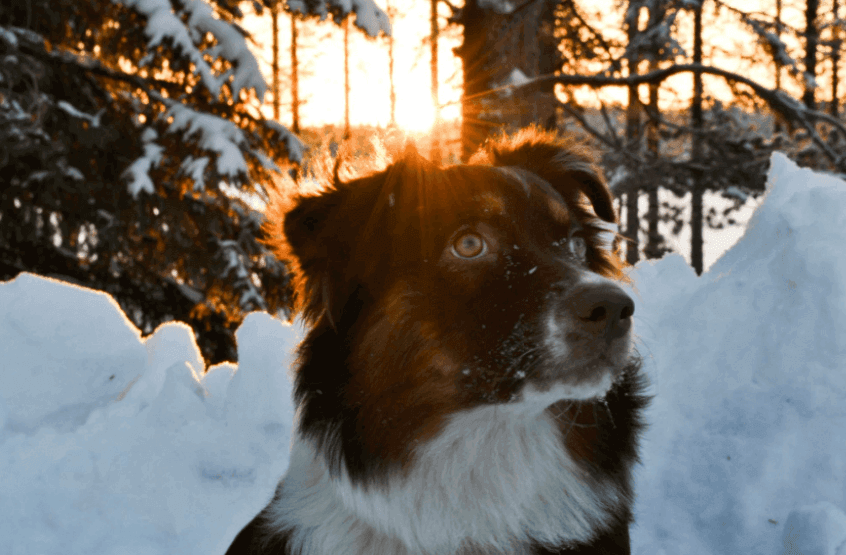
1. Focus on Outdoor Awareness and Grooming During Spring
Something about spring makes everyone want to get outside more. Dogs included, usually with considerably more enthusiasm than the humans holding the leash. But the warm spring weather also brings mud, pollen, insects, and new plant growth. And your dog is moving through all of it at nose and paw level.
It’s why you should make a habit of doing a quick check after walks. Grass seeds and burrs are specialists at lodging between paw pads or disappearing into longer coats, and they’re much easier to deal with in the driveway than after they’ve spent a week causing quiet irritation. Ears are worth a look too, especially on dogs with floppy ears that trap moisture and don’t get much air.
Brushing more often in spring is also advised. Most breeds shed their winter coat in spring, and working through it with a brush helps control shedding. This routine opens a window to spot bumps, shifts in skin texture, or tiny scrapes hidden beneath the fur. These are the kinds of things that slip past a quick pat on the head.
Also, watch for ticks and fleas lurking in grassy spots. If your dog is the type to push through long grass or disappear down wooded trails, a once-over when you get home is very important.
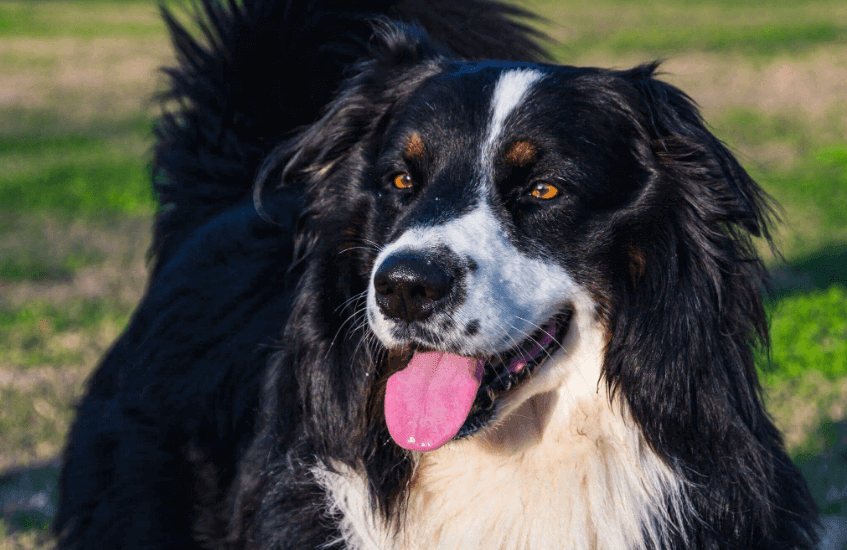
2. Help Your Dog Stay Cool During Summer Heat
Dogs cool themselves mostly through panting, which works reasonably well, until the temperature climbs high enough that it doesn’t.
Changing your routine might be necessary. Walks at dawn or after dark tend to pose less risk of overheating than midday outings. Even then, pavements sometimes absorb heat and retain it long after the sun has set. It’s worth testing by pressing your palm flat on the sidewalk. If you can’t hold it there for a few seconds, your dog shouldn’t be walking on it.
Fresh water matters, but so does recovery space. After time spent outside, dogs need a genuinely cool place to bring their body temperature back down. A cooling bed for dogs provides a surface that helps them cool down, especially for thick-coated breeds or older dogs who take longer to cool down.
You also need to learn what early overheating looks like in your dog, specifically. Panting that doesn’t slow down when they rest, more drooling than usual, or suddenly not wanting to walk anymore, all of these are the signals to stop, move to shade, and offer water.
3. Fall Is The Ideal Time to Prepare for Colder Months And Think About Safety
Fall is the easiest season for many dog owners. It’s good weather for longer hikes, weekend outings, and generally doing more. It’s also a natural window to get ahead of winter before it catches you off guard.
As the days become shorter, you may find yourself doing both the morning and the evening walk in the dark. Reflective gear is worth having at times like these. A reflective collar, a strip on the harness, or a leash that catches headlights can help keep you both safe, especially from a driver who wasn’t expecting you on the road.
More activity in the fall also means more wear on paws. Dogs that are logging real miles on trails or hard ground can develop cracks and dryness in their pads. A quick check after long outings keeps those issues from quietly becoming a bigger health problem.
Also worth a look is where your dog sleeps. Away from cold drafts, a warm, clean, dry spot keeps them cozy as days cool down. Rest comes easier on bedding that stays warm and moisture-free.
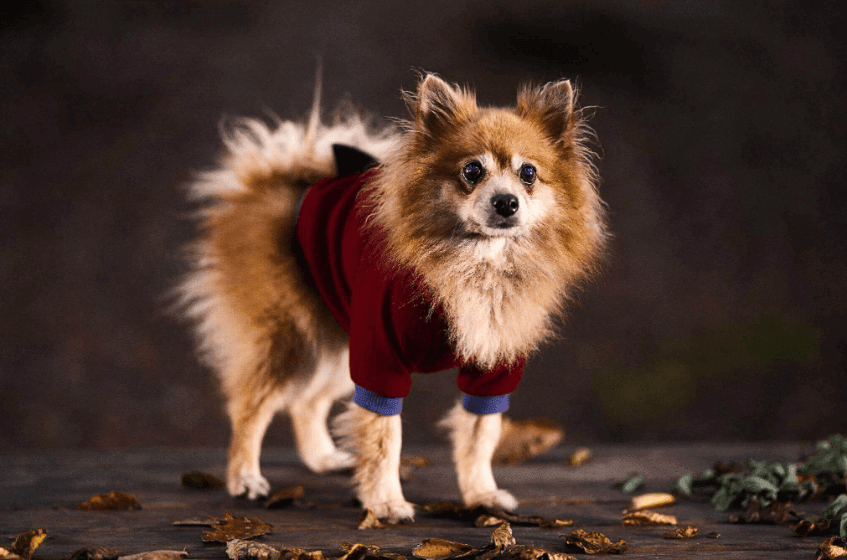
4. Winter Comfort Depends on More Than Just Warmth
Not every dog experiences winter the same way. One breed bounds through frost like it’s nothing, whereas another stands stiff, teeth chattering within minutes outside. Where your dog falls on that spectrum depends on their size, age, coat, and overall health.
For dogs that genuinely struggle, like seniors, short-coated breeds, and small dogs who shed body heat fast, dog outfits made for cold weather are a good solution. They serve a real function in keeping a dog warm enough to actually enjoy a winter walk rather than just endure one.
Winter also brings hidden hazards. Rock salt and ice-melting chemicals are everywhere around this time, and your dog walking through them could lead to irritated paws. Some dogs may end up licking their paws to ease that irritation. Taking time to wipe their paws with a warm, damp cloth after a walk in the snow helps avoid both irritation and licking.
Conclusion
Seasonal care isn’t about a complete overhaul every few months. It’s about staying observant. Noticing when your dog slows down in the heat, when their paws need a closer look after winter walks, or when spring has brought something unwanted home in their coat.
The adjustments are usually small. It’s the consistency of making them that matters. After a while, that kind of attentiveness stops feeling like effort. It just becomes part of how you look after your dog, which is exactly what it should be.
0
Leave a Reply