• Skip to primary navigation
  • Skip to main content
  • Skip to primary sidebar
  • Skip to footer

Whipperberry

WhipperBerry • Your Home For Creative Inspiration

  • Home
  • Recipes
    • Starters
    • Easy Weeknight Dinners
    • Main Dish
    • Salads
    • Side Dish
    • Soups & Stews
    • Desserts
    • Breakfast
    • Miscellaneous
  • Tutorials
    • Creative Crafts
    • DIY Decor
    • Fabric Crafts
    • Food How-To
    • Jewlery
    • Paint Projects
    • Paper Art
    • Party Styling
    • Photography and Graphic Design
    • Silhouette
  • Holidays
    • Easter
    • Mother’s Day
    • Father’s Day
    • 4th of July
    • Halloween
    • Thanksgiving
    • Christmas
    • Valentine’s Day
  • Gift Ideas
    • Gifts For Everyone
    • Gifts for Dad
    • Mother’s day
    • For The Girls
    • For The Kids
    • Teacher Gift Ideas
    • Christmas
  • Printables
    • Holiday
    • Gift Idea
    • LDS Primary
  • Travel
  • About
    • Terms
  • Contact
  • Nav Social Menu

    • Facebook
    • Instagram
    • Pinterest
    • RSS
    • Twitter

Pets

Effective Ways to Improve Joint Health and Mobility in Your Old Dog

0 · Jan 23, 2026 · Leave a Comment

At our house, our pets are part of the family. As they get older, it’s easy to miss the small changes in how they move or how they rest. One day they’re jumping onto the couch without a second thought, and the next, they hesitate. Watching an aging dog slow down can tug at your heart, especially when you’re not sure how to help.

Over the years, I’ve learned that simple routines and thoughtful changes around the home can make a big difference in their comfort. Just like we adjust things for growing kids or aging parents, our pets deserve that same kind of care. In this post, I’m sharing some easy ways to support your senior dog’s movement and comfort so they can keep enjoying everyday life right alongside the family.

Understand How Aging Affects Physical Movement

Aging affects the body in quiet but noticeable ways. Flexibility reduces over time, and tissues lose strength. Stiffness can appear after rest or long periods of inactivity. These changes are natural, but they still require attention. Recognizing early signs helps prevent further discomfort. Awareness creates better responses and avoids unnecessary strain.

Physical aging also affects balance and coordination. Muscles may weaken, causing slower reactions. This can lead to hesitation during movement. Owners who understand these changes respond with patience rather than frustration. Simple adjustments make daily routines easier. Knowledge supports smarter care decisions. When expectations align with reality, stress reduces for everyone involved.

Improve Joint Health and Mobility in Your Old Dog

Explore Treatment and Support Options

Joint discomfort can affect an older dog’s mood and daily habits. Arthritis is one of the most common reasons behind stiffness and reduced movement. Slower walks, hesitation before jumping, and difficulty standing are early signs that many owners notice. Support options usually focus on easing pain while improving flexibility over time. Some pets respond well to lifestyle adjustments alone. Others need added support depending on severity and age. Early attention helps reduce long-term strain on joints. Professional input matters when symptoms progress. The aim is steady comfort rather than instant results.

Many pet owners look for clear, reliable information when managing arthritis in aging companions. In such situations, learning about the best treatment for arthritis in dogs through resources from a trusted provider like MedcoVet can bring clarity. Educational guidance helps explain available approaches without confusion. It also supports better conversations with veterinary professionals. When care decisions feel informed, consistency becomes easier to maintain. Over time, thoughtful treatment planning can improve mobility, comfort, and overall quality of life.

Support Daily Movement With Gentle Activity

Light activity helps maintain strength and flexibility over time. Complete rest often increases stiffness. Short, controlled movement keeps the body engaged without strain. The goal is balance, not intensity. Gentle routines support circulation and confidence. Consistency matters more than duration.

Safe exercise plans should match comfort levels.

  • Short walks on flat surfaces help maintain routine
  • Stretching during calm moments supports flexibility
  • Play should remain slow and controlled

These small efforts prevent decline and improve comfort. Activity also supports mental well-being. When movement feels safe, confidence grows. Over time, steady routines help preserve independence and ease daily transitions.

Senior dog resting on a floor pillow for joint comfort

Improve Comfort Through Nutrition and Weight Balance

Nutrition plays a quiet but important role in physical comfort. Extra weight adds pressure to sensitive areas. Balanced meals help maintain strength without overload. Proper portions reduce unnecessary strain. Small dietary changes often lead to noticeable improvement.

Weight balance supports smoother movement and endurance.

  • Controlled portions reduce excess pressure
  • Nutrient-rich foods support tissue health
  • Consistent feeding schedules improve digestion

Diet adjustments work best when gradual. Sudden changes can create discomfort. Thoughtful nutrition supports overall well-being. Combined with movement, it creates a strong foundation for daily comfort and stability.

Create a Supportive Home Environment

Living spaces influence daily comfort more than expected. Slippery floors increase hesitation. Hard surfaces increase pressure during rest. Small changes create safer movement paths. Comfort-focused spaces reduce stress and fear.

Simple adjustments make a big difference.

  • Soft bedding supports rest.
  • Rugs provide traction.
  • Clear paths reduce risk.

These changes build confidence during daily routines. When movement feels safer, independence improves. A supportive environment encourages activity without fear. Over time, comfort becomes part of everyday life rather than a challenge.

Conclusion

Aging doesn’t mean your dog has to stop enjoying their favorite parts of daily life. With a few gentle adjustments, you can help them stay comfortable and active, even as their needs change. Whether it’s soft bedding in a sunny spot or shorter, slower walks through the neighborhood, the little things really do matter.

We love our pets like family, and they rely on us to help them feel safe and cared for. With patience and small, steady steps, you can support your dog through their later years with grace and comfort. That’s what family life is all about—showing up, adjusting when needed, and making room for love in every season.

Parvo and Distemper Explained: The Life-Saving Vaccines Every Puppy Needs

0 · Jan 15, 2026 · Leave a Comment

Bringing a new puppy home is one of the most exciting moments for any pet lover. Puppies are playful, curious, and full of energy, but they also need proper care to stay healthy. Choosing a healthy pup from a trusted source like Infinity Pups is a great first step in keeping your furry friend safe. Among the most important steps are vaccinations that protect against serious illnesses like parvo and distemper. Understanding these vaccines can help you give your puppy the best start in life.

White puppy running on sidewalk

What is Parvo?

Parvo is a highly contagious virus that can make puppies very sick very quickly. It often causes severe vomiting, diarrhea, and extreme weakness, and young puppies are especially at risk. Knowing the signs early and vaccinating your puppy are key to keeping them safe.

What is Distemper?

Distemper is a serious viral disease that affects a puppy’s respiratory, digestive, and nervous systems. Symptoms can include coughing, fever, and even seizures, making it very dangerous for young dogs. Vaccinating your puppy is the best way to prevent this potentially life-threatening illness.

Why Vaccines are Essential

Vaccines are one of the simplest ways to protect your puppy from serious diseases and give them a healthy start in life. Here’s why they matter:

Protect Against Deadly Diseases

Vaccines shield puppies from illnesses like parvo and distemper, which can be life-threatening if left unchecked. Even if your puppy seems healthy, these viruses can spread quickly, and vaccination is the safest defense.

Support a Strong Immune System

Vaccines help your puppy build immunity so their body can fight off infections more effectively. This is especially important for breeds like a Mini Bernedoodle for sale, which can be more vulnerable to certain illnesses when young.

Keep Your Puppy Safe in Social Settings

Puppies love to play with other dogs and explore new environments, which increases exposure to germs. Vaccination ensures they can safely meet friends, go to the park, or join training classes without unnecessary risk.

Prevent Heartbreak and Expensive Vet Bills

Treating serious diseases can be emotionally and financially draining, often far more than the cost of vaccines. Giving your puppy their shots on schedule is an easy way to protect both your heart and your wallet.

Puppy Vaccination Schedule

Keeping your puppy on a proper vaccination schedule is key to keeping them healthy and happy. Here’s what a typical timeline looks like:

Initial Shots

Puppies usually get their first set of vaccines at six to eight weeks old. This includes protection against parvo, distemper, and other core illnesses that are most dangerous during their early weeks.

Follow-Up Vaccines

Between 10 and 12 weeks, puppies get a second round to boost their immunity. These follow-up shots help ensure the first vaccines take full effect and give stronger protection.

Booster Shots

Around 14 to 16 weeks, your puppy will receive boosters to complete the series. This final set is important because it prepares their immune system for long-term protection against serious diseases.

Annual Vaccines

After the initial series, most dogs need yearly vaccines to maintain protection. Keeping up with these appointments helps your puppy stay healthy and enjoy a long, active life.

Vaccines Puppies Need

What to Expect After Vaccination

After your puppy gets their shots, it’s normal to notice a few mild reactions. Knowing what to expect can help you stay calm and care for them properly:

Mild Soreness or Swelling

Your puppy may have a little soreness or swelling at the injection site for a day or two. Gently rubbing the area or giving them extra cuddles can help them feel more comfortable.

Temporary Fatigue or Sleepiness

Some puppies may seem a bit tired or sleepy after their shots. This usually passes within 24 hours and is a sign their body is building protection.

Slight Fever or Reduced Appetite

After a jab, it isn’t unheard of a dog to show very mild fever or just have a little less appetite. These are generally just normal reactions and nothing alarming. However, it is very important that you provide your dog with lot of water and let them rest. Besides that, keep a close eye on your dog to see if there are any changes of condition that might require attention.

When to Call the Vet

If your puppy shows severe swelling, vomiting, persistent diarrhea, or unusual behavior, call your veterinarian immediately. Serious reactions are rare, but it’s always better to be safe and get professional advice.

Conclusion

Vaccinating your puppy against parvo and distemper is one of the most important ways to keep them healthy and happy. Choosing a healthy pup from a trusted source like Infinity Pups is a great first step in giving them the best start in life. With the right care and timely vaccines, you can enjoy many joyful years with your playful new companion.

How to Support Your Cat’s Wellness at Home

0 · Nov 21, 2025 · Leave a Comment

Key Takeaways

  • Annual veterinary check-ups are fundamental for early health intervention.
  • A balanced diet and ample hydration are cornerstones of wellness.
  • Daily play and environmental enrichment stave off boredom and stress.
  • Clean litter boxes and predictable routines can reduce anxiety and foster a sense of security.

Supporting your cat’s wellness requires a multifaceted approach that looks beyond the basics of food and shelter. True feline well-being lies in striking a balance between physical health, nutrition, mental stimulation, and emotional security.

Whether you’ve recently welcomed a new kitten or you’re seeking ways to improve an older cat’s quality of life, these strategies can create a nurturing environment for your feline companion.

If you’re considering enhancing your cat’s diet, nutrition supplements for cats can be a valuable addition to reinforce overall health and vitality.

Just like humans, cats thrive best when their physical, mental, and emotional needs are regularly met. A thoughtful routine and attention to detail can make a significant difference in longevity and happiness, helping you identify potential health issues before they become serious problems and reducing the risk of common feline illnesses.

Cats are observant and sensitive to changes in their surroundings. Consistency in your daily routine, along with proactive health care, helps your feline companion feel safe and cherished. Learn more about cat behavioral enrichment and how it reduces the risk of stress-related illness by visiting trusted sources such as the ASPCA’s feline care guide.

cat's wellness

Regular Veterinary Check-Ups

Annual or biannual wellness exams are essential for the early detection of common feline health problems, including obesity, parasites, arthritis, renal disease, and dental issues.

Preventive care forms the foundation of a long and healthy life for your pet. During these visits, veterinarians offer valuable advice on diet, activity levels, and age-appropriate health screenings to keep your cat thriving.

According to PetMD, catching diseases in their beginning stage through regular wellness exams can dramatically improve outcomes for cats.

Balanced Nutrition and Hydration

A balanced diet tailored to your cat’s age, weight, and health status is key to avoiding nutritional deficiencies and preventing weight gain—one of the most prevalent health threats to indoor cats.

Ensure your cat always has access to fresh water, as they are prone to dehydration, which can have serious consequences for their kidneys and urinary system. If you are concerned about your cat’s diet, consult your veterinarian for advice on commercial foods, feeding schedules, and proper portion sizes.

Interactive Play and Environmental Enrichment

Mentally and physically stimulating activities mirror a cat’s natural hunting behaviors and can help ward off destructive tendencies caused by boredom. Daily play sessions using wand toys, puzzle feeders, or balls encourage healthy heart function and joint mobility.

Installing cat trees, interactive toys, scratching posts, and vertical shelves invites exploration and satisfies your cat’s innate curiosity and climbing instincts. The PAWS guides offer safe and engaging toys and games for all ages.

clean litter box

Maintaining a Clean Litter Box

Good litter box hygiene is critical not only to comfort but to prevent urinary tract problems. Scoop the box at least once a day and replace the litter regularly to minimize unpleasant odors and bacterial buildup.

The box should be spacious and situated in a quiet location, away from noisy appliances or heavy foot traffic. Multi-cat households require an extra box for each additional cat to reduce territorial disputes and ensure all cats can use their trays without anxiety.

Consistent Routines

Cats are creatures of habit. Predictable meal times, scheduled play, and established quiet periods create a sense of stability and safety that relieves anxiety. Once routines are set, avoid frequent changes to your cat’s feeding or sleeping areas so they always know what to expect from their environment.

Providing Safe Spaces

Create hideaways and quiet perches to allow your cat to observe their home from a secure vantage point or retreat when feeling overstimulated. Cat trees, window beds, or even a cozy box in a closet give your cat autonomy over their space while reducing stress. These safe zones play a crucial role in emotional well-being and are especially important in multi-pet households or busy homes.

Regular Grooming

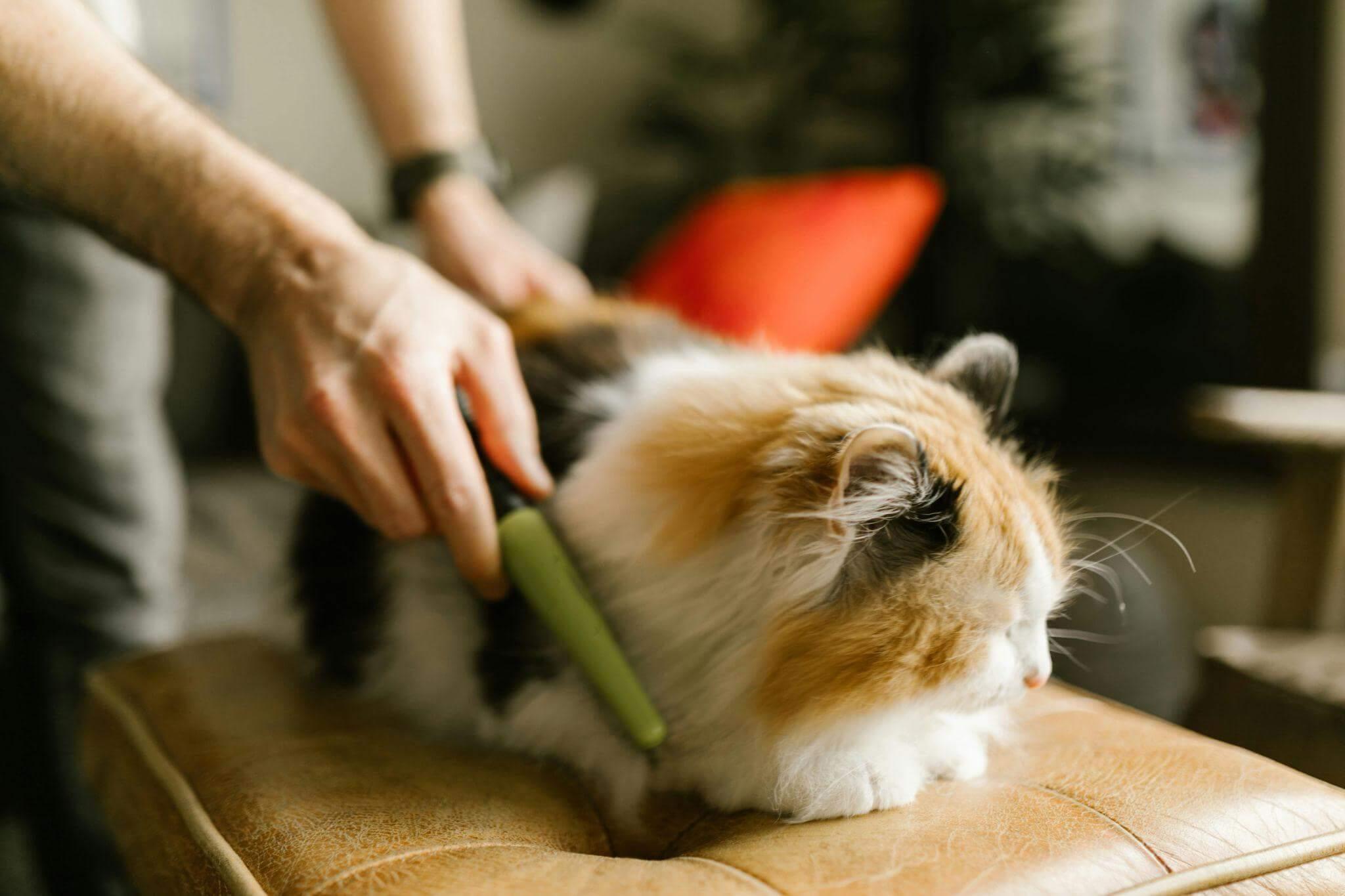
Frequent brushing removes loose fur, helps distribute natural skin oils, and gives you the chance to notice any new lumps, bumps, or skin conditions early. For long-haired breeds or elderly cats with reduced self-grooming abilities, regular brushing helps prevent painful tangles and hairballs. Nail trimming and ear cleaning should also be included in your grooming routine to minimize health risks.

Monitoring Behavior Changes

Cats are masters at hiding pain and discomfort. Monitor your cat’s behavior closely. Changes in appetite, drinking habits, grooming, or litter box usage may signal underlying health concerns that require veterinary attention. Early intervention is key in addressing both medical and emotional issues, ensuring your cat stays happy and healthy for years to come.

Fostering your cat’s wellness at home doesn’t have to be complicated, but it requires attentiveness, compassion, and a proactive approach to their unique needs. With consistency in care and an enriched environment, your feline friend will flourish, offering endless affection and companionship in return.

How Can You Prevent Fleas from Spreading Indoors After Walks or Park Visits?

0 · Nov 17, 2025 · Leave a Comment

Fleas often hide in grass, dirt, and shaded spots at parks or walking trails, waiting for a chance to latch onto pets or clothing. After a fun outdoor trip, they can easily hitch a ride indoors and start multiplying before anyone notices. The best way to prevent fleas from spreading inside is to check pets and clothing right after outdoor activity and clean those areas before entering the house.

A few simple habits can make a big difference. Brushing pets outside, wiping paws, and washing outdoor clothes soon after returning home prevent fleas from sneaking in. Vacuuming floors and pet areas also helps remove anything that slips through. These steps protect both pets and living spaces from an infestation.

The rest of this guide explains how to prevent fleas at the door, keep indoor areas clean, and maintain a healthy home environment. Each section offers clear actions that help stop fleas before they take over.

Immediate Steps to Prevent Fleas from Entering Your Home

Fleas often attach to pets during outdoor walks or park visits, then hide in fur or bedding once indoors. Quick inspection, consistent prevention methods, and routine cleaning help block these pests before they spread through the home.

Inspect and Groom Pets After Outdoor Activities

Pet owners should check their animals for fleas right after outdoor time. Fleas tend to hide around the neck, tail, belly, and behind the ears. Using a fine-tooth flea comb helps remove any insects or eggs before they move deeper into the fur.

Brushing pets daily also helps spot early signs of infestation. A white towel or paper test works well—lightly comb the fur over it and watch for tiny dark specks that turn red when wet. Those specks are often flea dirt.

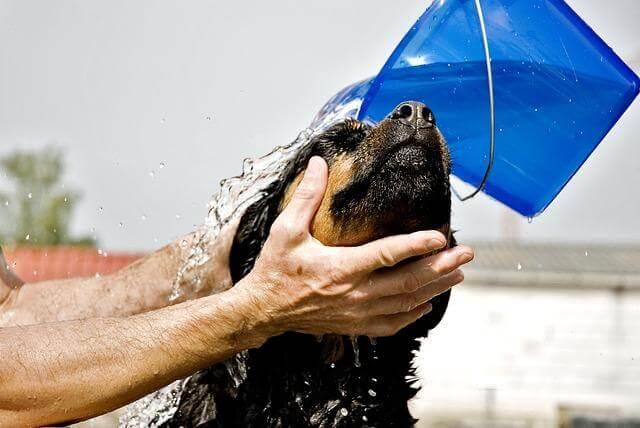
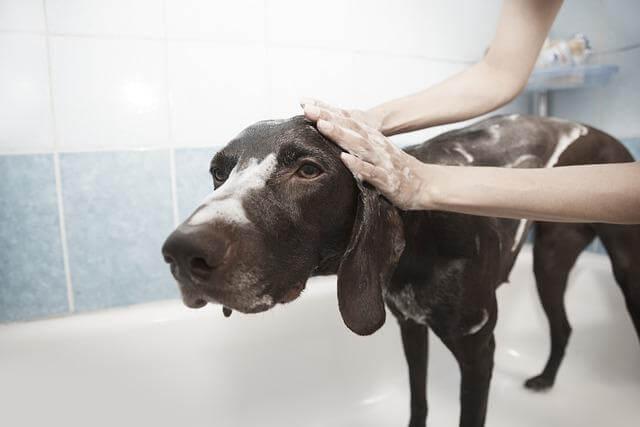
Bathing pets with a mild, natural shampoo can further reduce the chance of fleas surviving indoors. Regular grooming not only keeps coats clean but also allows owners to notice skin irritation or scratching quickly, which may signal new fleas.

prevent fleas

Use Effective Flea Prevention Products

Preventive products, such as collars, tags or supplements act as the first line of defense.While choosing anti-flea treatments, the owners should consider their pet’s needs or the specific circumstances. For example, if the pet likes water, pet owners can consider waterproof flea collars.

A waterproof flea collar from Get Fur Life or many other brands can provide long-term protection and stay effective even after contact with water. Collars made with natural ingredients can prevent fleas without harsh chemicals and are often suitable for both indoor and outdoor use.

Topical treatments or oral tablets may also help, but pet owners should choose options that match their animal’s size and health condition. Consulting a veterinarian before starting any product helps avoid allergic reactions or reduced effectiveness.

Consistency matters most. Missing a month of treatment or removing a collar too early can create an opening for fleas to return. Regular replacement as directed keeps the protective barrier active.

Clean Pet Accessories and Bedding Regularly

Fleas often hide in soft materials such as pet beds, blankets, or rugs. Washing these items weekly in hot water kills eggs and larvae before they mature. Drying them completely under heat adds another layer of control.

Vacuuming carpets, sofas, and car interiors removes stray fleas and debris that support their life cycle. Emptying the vacuum bag outside prevents re-infestation. For added protection, some people sprinkle salt or baking soda on carpets before vacuuming to help dehydrate flea eggs.

Maintaining a clean environment limits breeding spots and supports other prevention steps. Regular cleaning routines make it harder for fleas to survive indoors after outdoor exposure.

Maintaining a Flea-Free Indoor Environment

A clean indoor space reduces the chance of flea eggs developing and spreading. Consistent cleaning, targeted treatments, and early detection help stop fleas before they become a full infestation.

Vacuum and Clean High-Risk Areas Frequently

Fleas often hide in carpets, rugs, and pet bedding where they lay eggs. Regular vacuuming removes adult fleas, eggs, and larvae before they mature. Focus on areas where pets rest or walk, such as under furniture and near baseboards.

Use a vacuum with a HEPA filter to trap small particles. Empty the canister or bag outdoors after each use. Wash pet bedding and blankets in hot water once a week to kill any remaining eggs.

Hard floors also need attention. Mop with warm, soapy water or a mild vinegar solution to remove flea dirt and larvae. This routine cleaning keeps the environment less inviting to pests and supports long-term flea control.

Treat Indoor Spaces and Soft Furnishings

After cleaning, targeted flea control treatments help stop remaining pests. Use flea sprays or powders labeled for indoor use that contain ingredients like methoprene or permethrin. These compounds interrupt the flea life cycle by affecting eggs and larvae.

Apply treatments to carpets, upholstery, and pet sleeping areas. Follow product directions carefully to keep pets and people safe.

Allow treated areas to dry completely before reuse.

For a natural option, diatomaceous earth can help dry out fleas hiding in fabric or carpet fibers. Sprinkle a light layer, leave it for several hours, and then vacuum it up. Regular treatment keeps adult fleas from breeding and reduces the risk of flea bites or allergic reactions.

Monitor for Signs of Flea Activity and Infestation

Early detection prevents a small problem from turning into a large infestation. Check pets for flea dirt (tiny black specks) and scratching that may signal flea bites or a flea allergy.

Inspect carpets and furniture for movement or dark specks.

Place flea traps near pet areas to spot active fleas. These traps attract adult fleas with light and heat, helping track their presence.

If fleas reappear, repeat cleaning and treatment steps or contact a pest control professional. Consistent monitoring helps maintain a flea-free environment and protects both people and pets from discomfort.

prevent fleas from spreading

Conclusion

Fleas can enter homes easily after outdoor activities, but consistent habits prevent fleas from spreading. Regular checks of pets, clothes, and shoes after walks help catch fleas before they settle indoors.

Quick action limits their chance to breed or hide in carpets and furniture.

Clean environments also prevent flea problems.

Frequent vacuuming and washing of bedding remove eggs and larvae that escape detection. Pet-safe flea preventatives add another layer of defense and keep infestations under control.

By staying alert and following these steps, households protect both pets and people from discomfort. Simple, steady prevention keeps indoor spaces clean and free from unwanted pests.

  • « Go to Previous Page
  • Page 1
  • Page 2
  • Page 3
  • Page 4
  • Go to Next Page »

Primary Sidebar

Heather from Whipperberry
Hello... my name is Heather and I'm the creator of WhipperBerry a creative lifestyle blog packed full of great recipes and creative ideas for your home and family. I find I am happiest when I'm living a creative life and I love to share what I've been up to along the way... Come explore, my hope is that you'll leave inspired!

Footer

  • Privacy Policy
  • Crafts
  • Food
  • Gifts
  • Holidays
  • Home
  • Mom Life
  • Recipes
  • Travel

Copyright © 2026 · Seasoned Pro