A home kitchen shows its weak spots fast. A dull knife slows prep, a thin pan cooks unevenly, and small tasks start taking longer than they should. That is why the right tools can change the pace of cooking in a real, practical way. When your basics work well, meals come together with less stress, cleanup feels easier, and the whole process feels more enjoyable.
That is also why many home cooks start paying more attention to equipment quality over time. Looking through Chef Stop gives a clear sense of which tools hold up well, especially when you want pieces that work hard and last. You do not need a packed kitchen to cook well at home, but you do need tools that feel reliable every time you reach for them.
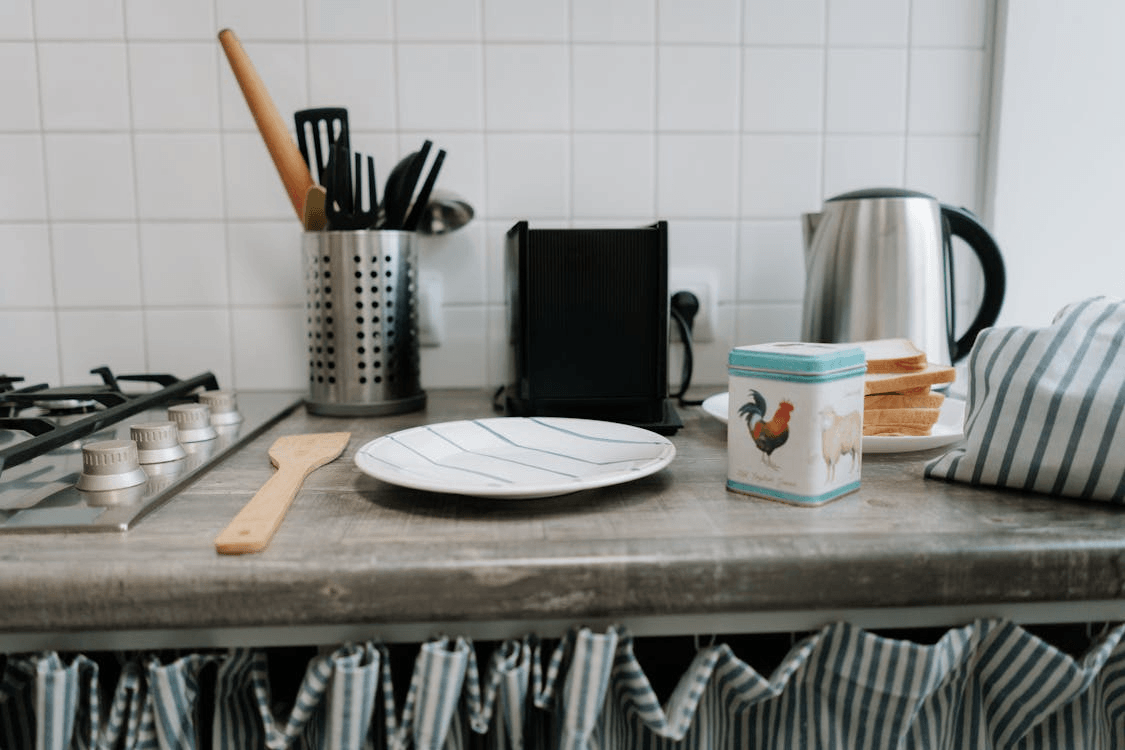
Photo by cottonbro studio
Start With The Essentials You Use Every Week
Most people do not need a kitchen full of gadgets. What helps more is a small group of dependable tools that cover prep, cooking, and baking without filling every drawer. A good kitchen works better when each piece has a clear job and gets used often, not just once in a while.
Knives are a good place to begin because they shape almost every part of prep. A chef’s knife handles most cutting jobs, from herbs and onions to raw proteins and sturdy vegetables. A paring knife helps with smaller tasks like peeling or trimming, while a serrated knife works well for bread, tomatoes, and softer produce. Add a cutting board that stays in place, and prep feels much smoother from the start.
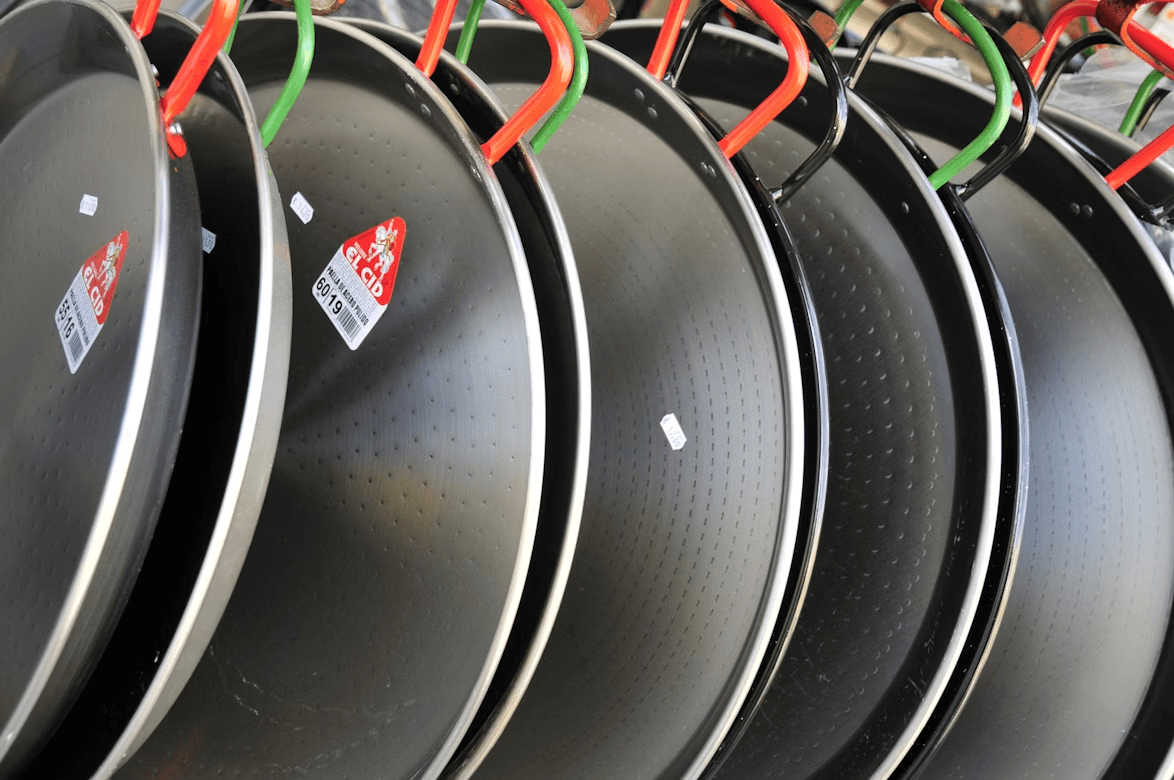
Pans deserve the same attention because steady heat changes the final result more than people expect. A heavy skillet works well for eggs, vegetables, pancakes, and quick stovetop meals. A medium saucepan helps with grains, soups, sauces, and reheating leftovers, while a sturdy sheet pan covers roasting, baking, and easy dinners. These basics line up well with older cookware basics that focus on useful design, solid weight, and even heating instead of flashy extras.
Add Prep Tools That Keep Cooking Moving
Once your main knives and pans are in place, the next step is building a prep setup that saves time and keeps the kitchen more organized. This is where smaller tools quietly do a lot of work. You may not think about them as often, yet they shape how smoothly a recipe comes together from start to finish.
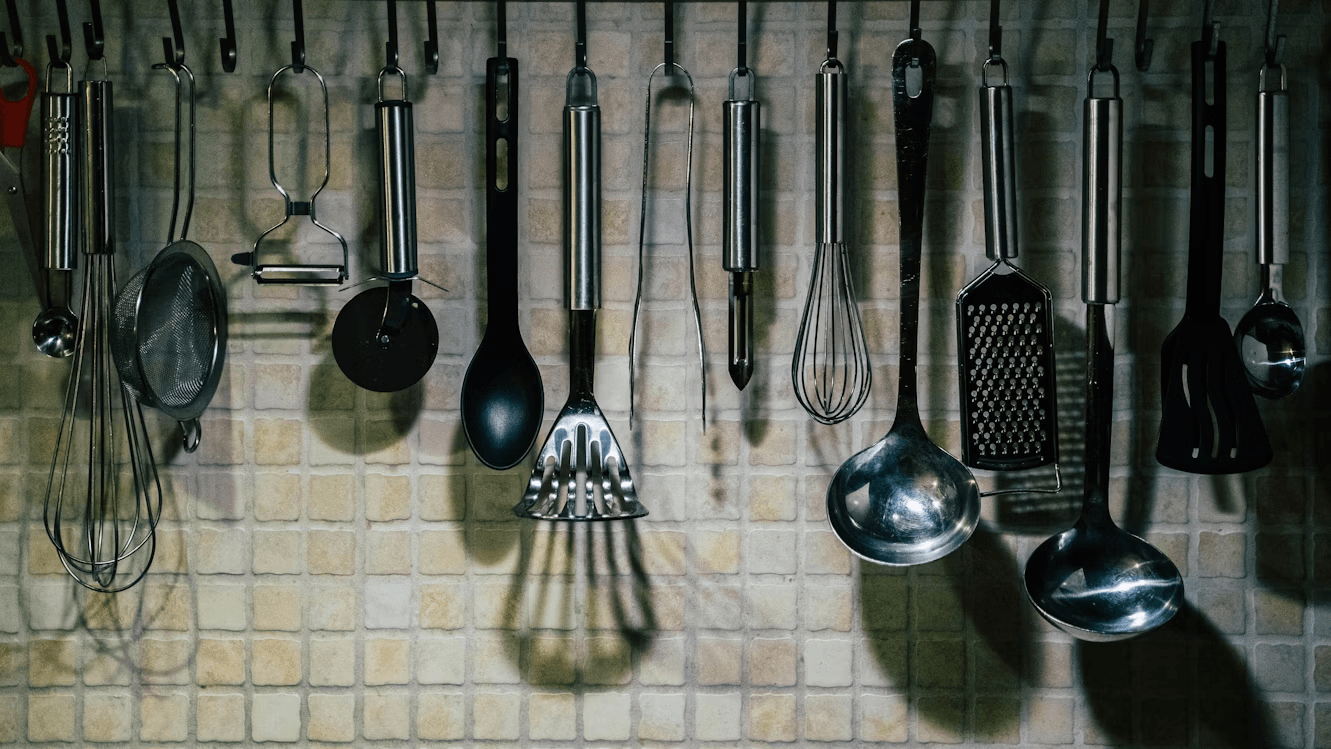
A few well chosen prep tools can make daily cooking feel much less messy
- A large cutting board gives you room to work without crowding ingredients
- Mixing bowls help with tossing, holding, and portioning ingredients
- Measuring cups and spoons help with baking, sauces, and dressings
- A peeler works well for carrots, potatoes, and apples
- A colander helps with washing produce and draining pasta
- Food containers keep chopped ingredients and leftovers in order
These pieces do not take much effort to use, but they make the kitchen feel more settled. When ingredients have a place to go, cooking feels less rushed and a lot easier to manage. That kind of setup also helps when you cook several parts of a meal at once and need the counter to stay clear.
A few hand tools can also earn their space quickly. A box grater helps with cheese, vegetables, and even butter for baking. A microplane works well for garlic, ginger, and citrus zest. Tongs give better control than bulkier tools, and a flexible spatula helps with eggs, pancakes, sautéed vegetables, and scraping bowls clean. None of these tools feels dramatic on its own, but together they make everyday cooking much easier.
Clean prep habits belong here too because good tools work best when your setup stays safe. NSF recommends keeping raw and cooked foods separate during prep and cleaning surfaces often. Their food prep guidance also explains that sinks, cutting boards, and sponges can spread germs if daily cleaning slips.
Use Heat Tools That Cut Down On Guesswork
A lot of cooking problems start with heat, not with the recipe itself. Food browns too fast, roasts too slowly, or dries out because the pan or oven is not doing what you think it is doing. That is why a few simple heat tools can make such a big difference at home. They help you cook with better control and make repeat results easier.
An oven thermometer is one of the simplest upgrades you can make. Many home ovens run hotter or cooler than the number on the dial, and that throws off everything from cookies to roasted vegetables. A timer helps just as much because it keeps you from relying on memory when dinner has several moving parts. These are small tools, but they remove a lot of guesswork and help you cook with more confidence.
A digital instant read thermometer is just as helpful, especially for proteins. It tells you when food is ready without forcing you to cut into it too early or leave it on heat too long. That helps with chicken, burgers, pork, fish, and baked dishes, and it often improves texture as much as safety. FoodSafety.gov lists safe minimum temperatures for common foods, including 165°F for poultry, 160°F for ground meats, and 145°F for steaks and chops with rest time after cooking.
Bakeware also deserves more thought than it often gets. Thin pans can burn edges while leaving centers underdone, and weaker bakeware can warp or brown food unevenly. Heavy sheet pans roast vegetables better, sturdy cake pans support a more even rise, and a good loaf pan or muffin tin helps you get steadier results without adjusting the recipe every time.
Build Your Kitchen Around The Way You Really Cook
The easiest way to waste money in a kitchen is to buy tools for a version of cooking that rarely happens. It feels nice in the moment, but those purchases often turn into clutter that takes up shelf space and adds little value. A better approach is to look at your weekly routine and build around what you make most often.
That can help you choose tools with more purpose
- Weeknight cooks usually do well with a skillet, saucepan, sheet pan, and sharp knife
- Bakers often get the most use from mixing bowls, measuring tools, sturdy pans, and an oven thermometer
- Soup and sauce fans may want a Dutch oven and immersion blender
- Meal preppers often benefit from storage containers and a large cutting board
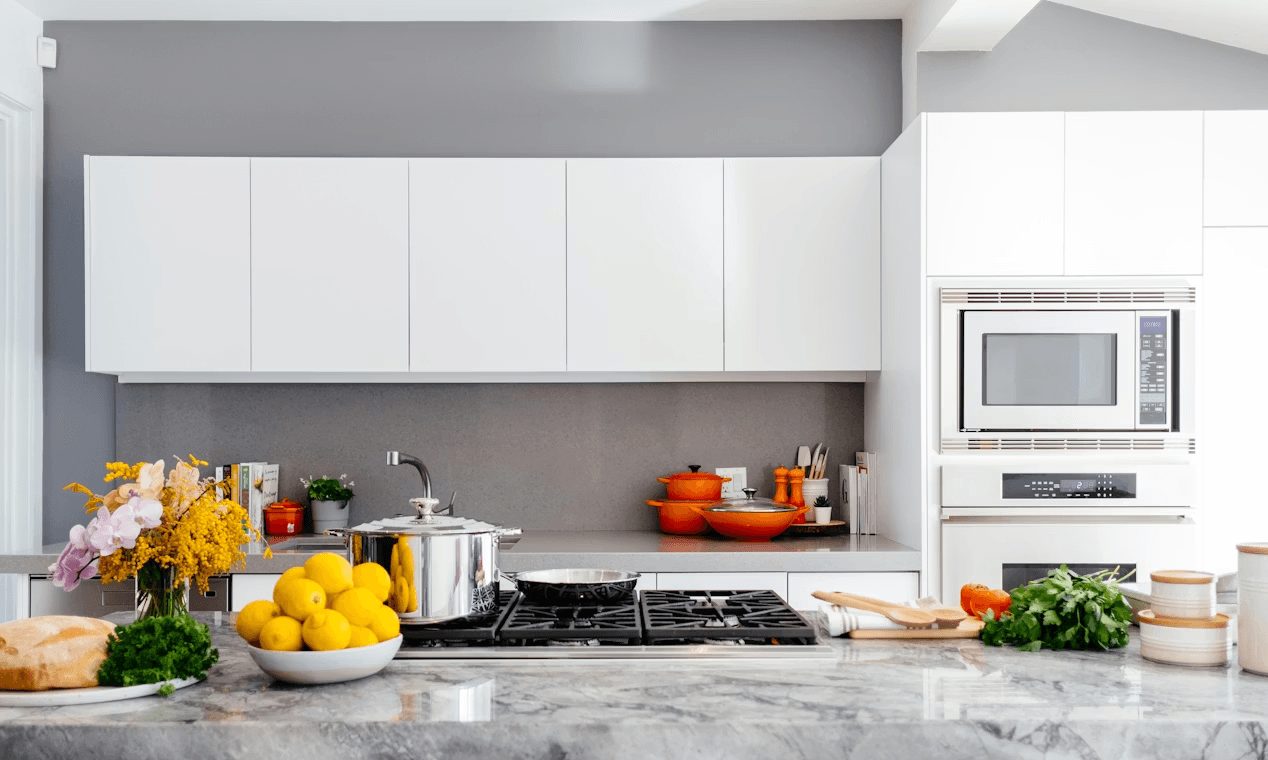
This kind of setup keeps the kitchen useful without overloading it. It also makes storage easier, which is important because even a good tool becomes annoying when it has no real place to live. Large appliances, oversized pots, and one use gadgets can take over a small kitchen pretty quickly, so it helps to think about space before buying more.
That same practical mindset fits well with the In the Kitchen section, where everyday cooking connects back to useful tools and repeatable habits. A smaller, thoughtful collection usually helps more than a crowded kitchen because it keeps cleanup lighter, shelves clearer, and daily cooking less frustrating.
A Better Setup Makes Home Cooking Feel Smoother
A good home kitchen does not need endless tools or flashy features. It works best when each piece has a purpose and supports the meals you make most often. Start with the basics that shape daily cooking, then add more only when your routine calls for it. A sharp knife, steady cutting board, solid pan, and accurate thermometer can improve cooking more than a pile of trendy gadgets ever will. Once those basics are in place, recipes become easier to repeat and the whole kitchen feels better to use.