• Skip to primary navigation
  • Skip to main content
  • Skip to primary sidebar
  • Skip to footer

Whipperberry

WhipperBerry • Your Home For Creative Inspiration

  • Home
  • Recipes
    • Starters
    • Easy Weeknight Dinners
    • Main Dish
    • Salads
    • Side Dish
    • Soups & Stews
    • Desserts
    • Breakfast
    • Miscellaneous
  • Tutorials
    • Creative Crafts
    • DIY Decor
    • Fabric Crafts
    • Food How-To
    • Jewlery
    • Paint Projects
    • Paper Art
    • Party Styling
    • Photography and Graphic Design
    • Silhouette
  • Holidays
    • Easter
    • Mother’s Day
    • Father’s Day
    • 4th of July
    • Halloween
    • Thanksgiving
    • Christmas
    • Valentine’s Day
  • Gift Ideas
    • Gifts For Everyone
    • Gifts for Dad
    • Mother’s day
    • For The Girls
    • For The Kids
    • Teacher Gift Ideas
    • Christmas
  • Printables
    • Holiday
    • Gift Idea
    • LDS Primary
  • Travel
  • About
    • Terms
  • Contact
  • Nav Social Menu

    • Facebook
    • Instagram
    • Pinterest
    • RSS
    • Twitter

Travel

Rediscovering the UK Through Ancestral Travel: Tips and Must-See Destinations

0 · Feb 17, 2026 · Leave a Comment

Combining exploration and family history can make for an exciting reason to visit the UK, and the UK Ancestry visa remains a cornerstone for this type of endeavour, as it allows relatively easy access to individuals who have the necessary family connections to qualify. While this visa may not be available for everyone and therefore isn’t always a top choice, it is very convenient for those who wish to come to the UK to explore their family connections to the local culture and landscape. It may be available to those who have parents or grandparents who were born in the UK or in eligible UK territories.

But what should you do if you manage to obtain an Ancestry visa for the UK? Planning a journey to retrace your family steps can be as daunting as it is exciting, and the goal to truly connect with your ancestry can add additional pressure that may feel more overwhelming than just going on vacation. Deciding where to go and how to balance sightseeing with more personal exploration can be an involved process, but in the end, it tends to be worth it. To get started, here are some top considerations when planning ancestral travel to and through the UK.

UK travel

How to Plan Your Journey and Where to Visit

When travelling for family history and ancestry-driven purposes, there is often a lot of personal nuance involved that can be hard to find guidance on elsewhere, but there are many options to balance what you are hoping to achieve with the wider considerations of travelling in the UK.

When planning the family-history based parts of your journey, there are a few options as to how to approach this. Depending on what your family’s life in the UK looked like, there might be a preference to cover several locations to trace your family throughout the UK, or you may prefer to stay in one destination for longer, to have a more in-depth experience and the chance to connect with the area on a more personal level.

Retracing your ancestry can take many forms within a location, too, from literal walking routes to engaging with tradition, revisiting personally significant places, exploring local food, art, or industry, or many other options.

It is one of the beautiful aspects of these journeys that, as much as they are informed by your family’s past, they may be shaped by your individual interpretation as well. There is no wrong way to find meaning, and while finding meaning can sometimes be a daunting goal, it tends to seep in nonetheless, as you let yourself experience the places you visit.

When planning to visit several locations, it can help to explore and plan your travel options beforehand, to ensure that you are able to be in the moment when you are travelling, rather than needing to focus on itineraries or other logistical aspects. Travel and tourism can come with a burst of energy and excitement as there are so many things to be seen and try, often within a limited timeframe that can lead to a sense or urgency or a need to cram was much as you can manage into the time you have assigned to this journey.

Nevertheless, it makes sense to also plan for some downtime and to remember that a lot of this history also exists within you, and that some of the most revealing moments can happen in the quiet moments in between the scheduled activities, where you are able to reflect on the places you are visiting but also on your current and personal perspective. After all, you are part of this family history that you are exploring.

By allowing yourself to engage with the places you see on a more subtle level, you may find that you can access a stronger sense of connection between yourself and the history you are retracing. While there is no general answer, these moments can often be the ones that leave the most lasting impression in the long run.

Other Destinations to Consider on Your Ancestral Journey

Of course, the UK offers a plethora of wonderful locations that may be worth adding to your visit, even if they are only more tangentially tied to your primary focus on your family history. Balancing this will depend largely on what you value and what you want to get out of your visit, but there is no wrong way to do this.

When it comes to top UK travel destinations, you may want to consider various factors such as the type of destination, its purpose, and the general location, based on where you are already visiting.

London

Of course, London remains one of the most famous destinations in the UK and for good reason. The capital of England offers a variety of history, vibrant culture, and exciting activities and landmarks that are definitely worth seeing at least once. Beyond its iconic sights and historic attractions, London’s multicultural character is also reflected in its food scene, with everything from traditional pubs and local markets to some of the most exciting restaurants in London.

Manchester & Scotland

Travelling up north, you may want to see Manchester, with its modern balance on pioneering industrial history, or York, which offers medieval walls and historic shopping on its famously preserved medieval street called the Shambles.

Leading into Scotland, famous destinations are Edinburgh or Glasgow, which each offer unique history and vibrant culture and architecture.

Western UK

For journeys that trend further to the Western side of the UK, the Welsh capital Cardiff can be a very exciting destination, while Belfast offers a famous destination in Northern Ireland.

Outside of Cities

Outside of cities, you may also want to explore some of the most noteworthy features in the UK, such as its incredible landscape and National Trust areas across the country. Key National Trust destinations include the Lake District or Peak District national parks, the Cairngorms in Scotland with its arctic mountains and moors, or Eryri in Wales, which is more widely known as Snowdonia National Park.

Final Words

Finding your personal journey through the UK can be a wonderful way to connect with your family history while forging new ties at the same time, and it makes sense to truly explore in the way that will be the most meaningful for you, be it top locations or small local treasures. There is plenty you can achieve with the UK Ancestry visa.


Author Bio:

Moughees Butt
“Thirst to learn and explore till he finds ecstasy” are Moughees’s pivot charms! He loves to craft and comprehend deeply anything happens around!

Why Families Are Flocking to the Smoky Mountains for Big Get-Togethers

0 · Feb 13, 2026 · Leave a Comment

Getting everyone in the same place at the same time sounds simple until you try it. Schedules don’t line up, houses feel too small, and someone always ends up sleeping on a couch that was never meant for an adult. It’s not dramatic, just familiar, and it’s usually the point where families realize that the old way of hosting big gatherings isn’t working anymore.

Lately, that realization has been pushing people toward destinations that can handle both togetherness and space. Pigeon Forge, located at the foothills of the Smoky Mountains, keeps coming up in these conversations, mostly because it checks practical boxes without feeling like a compromise. For families who want camping-style freedom, scenic surroundings, and activities that don’t require constant planning, it’s become an easy choice. You can unplug a little, spread out, and still keep everyone entertained without forcing it.

When Big Family Get-Togethers Stopped Fitting in Regular Homes

Big family gatherings used to just happen. One house, too much food, not enough beds, and everyone made it work. That version doesn’t really hold up anymore. Homes are smaller, weekends aren’t clean breaks from work, and privacy matters more than people like to admit. Even when families want to get together, the planning feels heavier than it used to.

Airplane flying over Smoky Mountains forest under cloudy sky

That’s where travel steps in. Meeting on neutral ground takes pressure off one home and spreads responsibility around. No permanent host. No one is stuck managing everything. Everyone has space to step away, which quietly changes how the whole gathering feels.

Great Accommodations for Big Families

When families talk about what actually makes a reunion work, the answers are rarely flashy. They want room to move, shared spaces that don’t feel cramped, and an environment where different age groups can coexist without friction. If you’re looking for the best places for family reunion Pigeon Forge won’t disappoint. The location is popular for scenic beauty and comfortable cabins that can accommodate big families easily and comfortably.

Accommodations in the mountains tend to solve problems related to big family reunions. Luxury Cabin Rentals offer outdoor space for kids to burn energy, common areas for meals and conversations, and enough separation that no one feels trapped in constant group mode. It’s less about luxury and more about layout and setting.

Space Matters More Than Entertainment

One reason the Smoky Mountains keep drawing large groups is that space comes built in. Not just square footage, but usable space. Decks, open living areas, and outdoor spots make it easier for groups to spread out naturally. You don’t need a packed itinerary when people can drift between conversations, activities, and quiet moments without coordination.

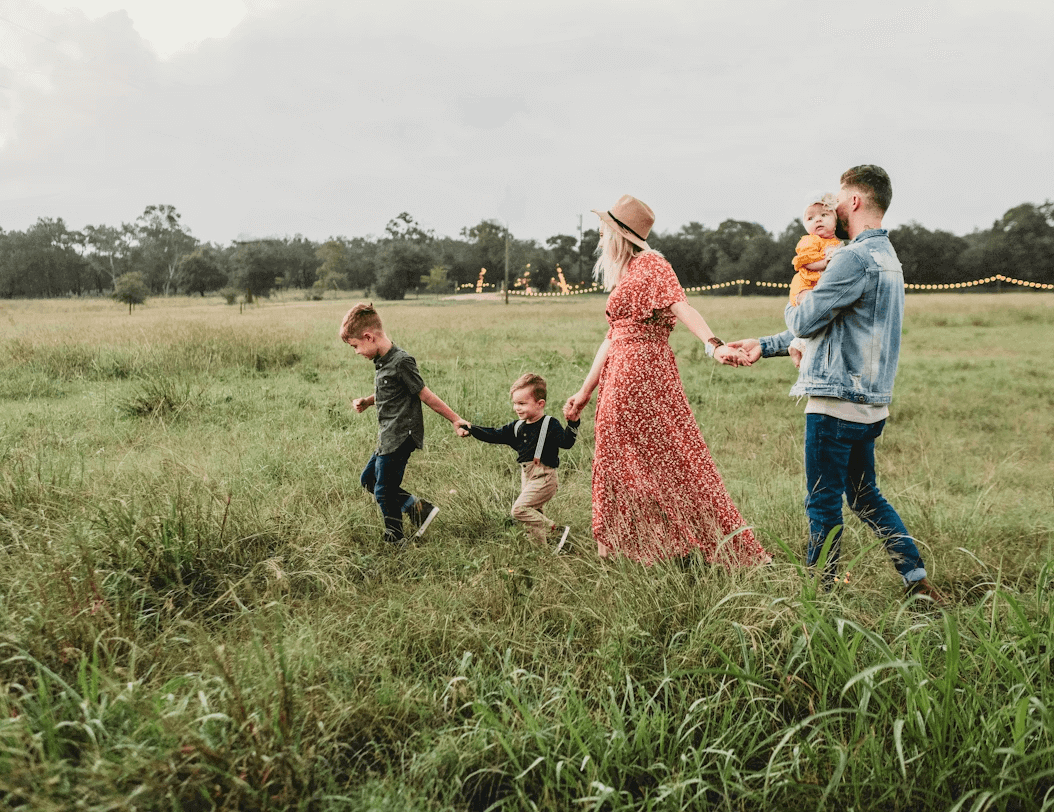
Family walking hand in hand through a field in the Smoky Mountains

This kind of environment supports different energy levels at the same time. Early risers can sit outside with coffee while others sleep in. Kids can play without dominating the room. Older relatives aren’t forced into loud spaces just to be included. These details don’t sound exciting, but they’re usually what determines whether a gathering feels restful or exhausting.

Nature Acts as a Social Buffer

One thing that families rarely plan for is how much the setting changes their behavior. Open air and quiet space do a lot of work in the background. People talk a little slower. They interrupt less. Small annoyances don’t pile up as fast when there’s room to step away instead of sitting through them. Someone can take a short walk instead of letting a comment linger. Kids spread out, burn energy, and come back calmer without anyone making it a rule.

None of these fixes old history or solves long-running family issues. It’s not that kind of solution. But it lowers the volume on everything. Tension doesn’t disappear; it just doesn’t dominate the room. That breathing room gives conversations a better chance to land without turning sharp.

The Shift Toward Experience-Based Time Together

Families have also changed how they value time off. There’s less interest in formal events and more focus on shared experiences that don’t require performance. Cooking together, walking trails, sitting around talking longer than planned. These moments happen more easily when the setting doesn’t push everyone toward constant stimulation.

Families walking on a beach at sunset during a Smoky Mountains gathering

The mountains offer a backdrop that encourages this slower pace without demanding it. You can be active or not. You can plan days or let them unfold. For families used to balancing work calls, school schedules, and notifications, that flexibility feels like relief rather than indulgence.

Neutral Ground Reduces Old Tensions

Meeting in a neutral location does something subtle for family dynamics. Old roles soften a bit. The person who always hosts isn’t stuck managing everything. Guests don’t feel like they’re intruding. Everyone arrives with roughly the same level of ownership over the space, which lowers tension in ways people don’t always notice right away.

Cabins in the Smokies support this balance because they’re designed for groups. Shared responsibility feels built in. Meals become collaborative. Cleanup rotates without awkwardness. These small shifts help conversations stay lighter and conflicts pass faster, which is often the unspoken goal of a reunion.

Why This Trend Keeps Growing

Remote work, flexible travel windows, and changing ideas about vacation time have made group trips more feasible. Families aren’t limited to holiday weekends anymore. They can choose quieter weeks, stay longer, and avoid the rush that makes large gatherings stressful.

The Smoky Mountains sit comfortably within this trend. They’re accessible without feeling commercial, familiar without being dull. For families trying to reconnect without recreating old stress patterns, that balance matters. It’s not about escaping life entirely. It’s about finding a setting that makes togetherness easier to manage.

In the end, families aren’t flocking to this because it’s trendy. They’re doing it because the environment solves problems they’re tired of negotiating every time they try to get together. Space, neutrality, and a pace that allows people to be themselves go a long way. When those needs are met, the gathering stops feeling like an obligation and starts feeling like time well spent.

The Rise of Outdoor Travel and Why Visitors Can’t Get Enough

0 · Feb 13, 2026 · Leave a Comment

Ever found yourself daydreaming of a mountain sunrise while stuck in traffic or doom-scrolling through another chaotic news cycle? You’re not alone. In a world overloaded with screen time, tight schedules, and existential dread, more Americans are ditching the city grind for fresh air and wide-open spaces. Outdoor travel is booming, and the Great Smoky Mountains are right at the center of this great escape.

The Great Migration—To the Outdoors

Over the past few years, outdoor travel has gone from a niche hobby to a full-on cultural movement. Fueled partly by the COVID-19 pandemic—which turned enclosed spaces into paranoia chambers and partly by a growing desire for mindfulness and reconnection with nature, travelers have started looking outward, literally.

According to the National Park Service, 2023 saw record-shattering visits to many national parks. Leading the charge? The Great Smoky Mountains Park, the most-visited national park in the U.S. for nearly a decade. And it’s not just hikers and hardcore campers making the trek. Families, solo travelers, and even remote workers are trading four walls for forest trails and waterfall selfies.

What’s the Big Deal About Pigeon Forge?

There’s a reason travel lists across the country are raving about the best things to do in Pigeon Forge TN. Nestled just outside the Smokies, this town is a curious blend of mountain charm and vibrant tourist appeal. Think go-karts and moonshine tastings, dinner theaters and scenic hikes, all within a stone’s throw of nature’s finest playground. It’s a hub for those who want the outdoors with a side of entertainment.

One major draw is the proximity to the Great Smoky Mountains National Park, which offers everything from lush hiking trails and wildlife viewing to peaceful picnic areas and panoramic scenic overlooks. For accommodations, Heritage Cabin Rentals offers a perfect base camp, blending rustic charm with modern amenities. Their cabins aren’t just places to sleep—they’re experiences themselves. Fireplaces, game rooms, hot tubs, and wraparound decks make you question why you’d ever stay in a hotel again.

Post-Pandemic Priorities: Freedom Over Frills

Travelers today are no longer obsessed with luxurious lobbies and buffet breakfasts. What they crave is space, autonomy, and a sense of personal adventure. Outdoor travel offers something conventional trips can’t: unpredictability, discovery, and let’s be honest the chance to post a sun-dappled selfie with a meaningful caption.

A lot of this shift is generational. Millennials and Gen Z value experiences over possessions, and outdoor getaways tick all the right boxes. Booking a cabin in the woods or camping under the stars delivers a deeper story than yet another chain resort stay. Remote work has also unshackled millions from their desks, allowing them to work with a laptop on a porch overlooking the Smokies rather than in a cubicle with fluorescent lighting and bad coffee.

Instagram Didn’t Kill the Outdoor Star

Despite what purists might claim, the rise of social media hasn’t ruined outdoor travel, it’s amplified it. In fact, some of the most iconic trailheads owe their viral popularity to one well-timed drone shot. Hashtags like #VanLife and #CabinVibes have built entire communities of modern explorers. Sure, some travelers are there more for the photo op than the journey, but the end result is the same: more people appreciating nature, even if it’s through a lens filter.

Close-up of smartphone on table during outdoor travel discussion

However, this uptick in popularity brings responsibility. Crowds can put pressure on natural resources, which means visitors must tread carefully, literally and figuratively. Leave No Trace principles are no longer optional; they’re essential if we want our favorite scenic overlooks to be just as magical next year.

Families Are Reclaiming the Road Trip

The modern family vacation has taken a nostalgic turn. Instead of airport chaos and overpriced theme parks, families are embracing the open road and heading toward national parks, state forests, and lakeside cabins. RV sales spiked during the pandemic and haven’t slowed since. Families are finding that time spent hiking, cooking outdoors, or spotting deer from a cabin porch provides a bonding experience no hotel can match.

Woman leaning out car window enjoying outdoor travel

Kids get to explore without staring at a screen, parents get a break from micromanaging every hour of a theme park itinerary, and everyone ends the day with s’mores around a fire. It’s the kind of analog magic that sticks with you, even after you’ve gone back to Wi-Fi and homework.

Nature as the Ultimate Mental Health Hack

Let’s not overlook the science: spending time in nature is good for your brain. Studies show that even short hikes can reduce anxiety, improve memory, and boost mood. Forest bathing, a Japanese practice known as shinrin-yoku that is gaining traction in the U.S. as a legitimate wellness trend. And no, it doesn’t involve actual bathing. It just means immersing yourself in a forest setting and tuning into your senses.

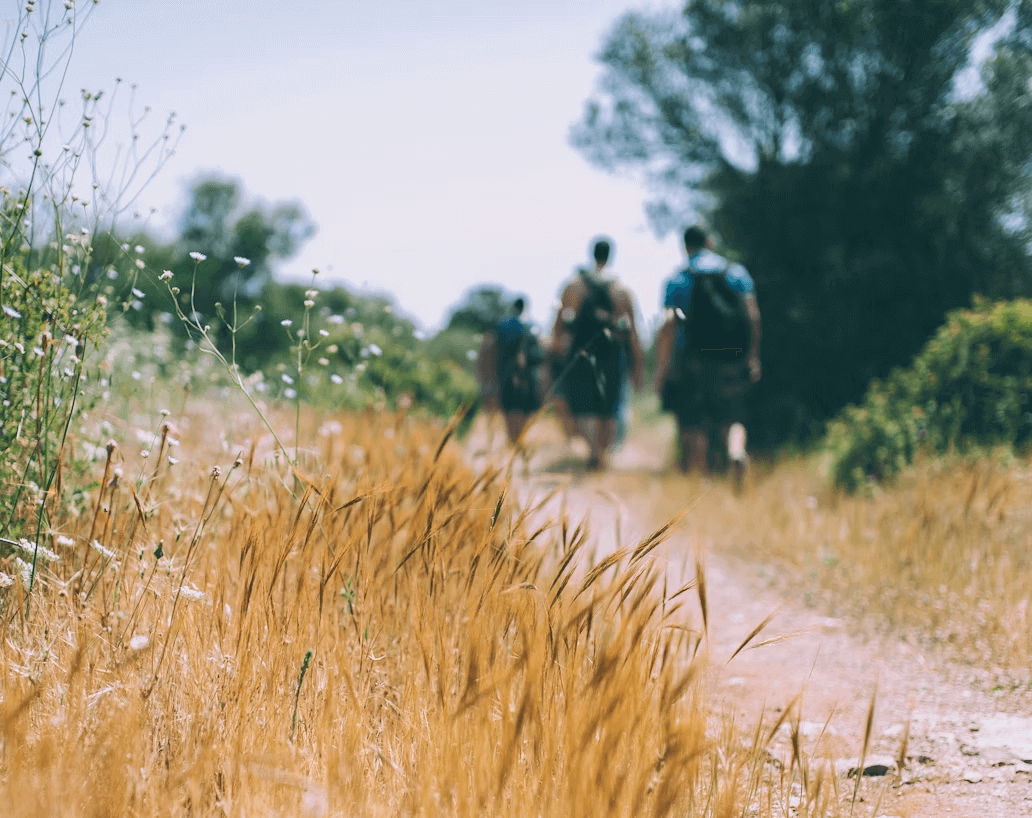
People walking on a dirt road outdoors

When you consider how many of us are operating on cortisol and caffeine, the appeal of natural silence and birdsong becomes obvious. Nature doesn’t ping you with emails or follow up with a “quick sync.” It just exists, and somehow that’s become revolutionary.

What’s Next for Outdoor Travel?

As more people embrace this form of travel, the industry is evolving to meet demand. Expect to see smarter trail management, eco-lodges, and even more hybrid experiences that merge outdoor settings with digital convenience. Think campgrounds with charging stations, or guided hikes you can book via app. The challenge will be maintaining authenticity while scaling access.

More importantly, the rise in outdoor travel hints at a larger cultural craving—for grounding, for space, and for something real. When the modern world feels too much, the answer might just be a winding road, a pack of granola bars, and a sky full of stars.

Nature isn’t just trending. It’s becoming essential. Whether you’re hammocking under a tree or sipping coffee in a mountainside cabin, the appeal is timeless: less noise, more meaning. And the best part? It’s all waiting just beyond the next turn.

How Healthy Dining Is Reshaping Everyday Life in Dubai – Our Family’s Experience

0 · Feb 1, 2026 · Leave a Comment

Traveling with a family changes the way you experience a place. During our time in Dubai, I quickly realized that food played a much bigger role in our daily rhythm than I expected. With early mornings, full days of exploring, and kids who needed steady energy, where and how we ate shaped how smoothly our trip unfolded.

What stood out most was how deeply healthy dining is woven into everyday life for locals. From breakfast spots filled with families starting their day to restaurants designed for balanced lunches and lighter dinners, healthy restaurants in Dubai made it easy to eat well without overthinking it. As visitors, we were able to step into that routine, choosing meals that supported long days while still letting us enjoy the flavors Dubai is known for.

Seeing how locals approach food through the lens of family life gave us a new appreciation for the city and helped our own family stay energized and present throughout our trip.

healthy dining

A Cultural Shift Toward Better Eating

Dubai’s population is diverse, global, and increasingly health-aware. Professionals, entrepreneurs, athletes, families, and travelers all share one common challenge: maintaining energy and focus in a high-pressure environment. As a result, food is no longer viewed as just a pleasure or convenience, but as a functional part of daily performance.

Healthy restaurants have responded by prioritizing ingredient quality, thoughtful preparation, and menu transparency. Instead of oversized portions and heavily processed meals, diners now expect balance. Vegetables are no longer an afterthought, protein sources are leaner and cleaner, and carbohydrates are chosen with intention rather than habit. This shift does not eliminate flavor.

On the contrary, it enhances it. Fresh herbs, spices, citrus, and natural cooking methods allow ingredients to shine without relying on excessive oils, sugars, or artificial additives.

What Defines a Healthy Restaurant Today

Not every restaurant that markets itself as “healthy” delivers meaningful nutrition. Truly health-focused establishments tend to share several core principles that set them apart from trend-driven concepts.

First, ingredient sourcing matters. Fresh produce, quality proteins, and minimally processed components form the foundation of every dish. Second, cooking methods are carefully selected. Grilling, roasting, steaming, and baking preserve nutrients while enhancing natural flavors. Third, menus are designed for balance rather than restriction, offering meals that satisfy hunger without leaving diners feeling sluggish.

Customization is another defining feature. Healthy dining recognizes that no two bodies are the same. Allowing guests to adjust portions, swap ingredients, or choose lighter preparations supports long-term consistency rather than short-lived discipline.

The Role of Breakfast in a High-Energy City

In a place like Dubai, mornings set the tone for the entire day. With early meetings, traffic, and long working hours, breakfast becomes a strategic decision rather than a casual one. Skipping it or choosing sugar-heavy options often leads to mid-morning crashes, poor concentration, and overeating later in the day.

A strong breakfast focuses on protein, fiber, and healthy fats. These elements stabilize blood sugar, promote satiety, and support mental clarity. Eggs paired with vegetables, yogurt with seeds and fruit, or whole-grain options combined with natural fats are increasingly popular choices across the city.

Healthy breakfast culture is no longer limited to fitness communities. It has become mainstream, embraced by anyone who values productivity and sustained energy throughout the day.

Lunch and Dinner Without the Post-Meal Slump

Healthy eating extends well beyond breakfast. Many people struggle most with lunch and dinner, where heavy meals can interfere with work, social plans, or evening routines. Modern healthy restaurants address this by offering meals that are filling but not overwhelming.

Balanced bowls, grilled proteins with seasonal vegetables, and thoughtfully composed plates allow diners to enjoy variety without excess. These meals provide steady energy, reduce inflammation, and support digestion, making them ideal for both working professionals and active individuals.

Portion awareness also plays a key role. Rather than oversized servings, healthy restaurants prioritize appropriate quantities that satisfy hunger while encouraging mindful eating.

Reading Menus With Intention

Even within healthy-focused establishments, menu literacy matters. Certain keywords often signal better choices, such as “grilled,” “roasted,” “steamed,” or “fresh.”

On the other hand, descriptions emphasizing creamy sauces, deep frying, or heavy coatings may undermine nutritional value. Requesting dressings on the side, asking about preparation methods, or substituting refined carbohydrates with whole grains are small decisions that compound over time.

Dubai’s dining scene is increasingly accommodating, making it easy for diners to tailor meals to their needs without friction.

The Social Side of Healthy Dining

Food is deeply social in Dubai. Meals are shared with colleagues, friends, and family, and healthy dining no longer feels isolating or restrictive. Restaurants now design menus that cater to groups with varying preferences, allowing everyone to find something aligned with their lifestyle.

Sharing plates, mixed platters, and customizable dishes encourage connection while maintaining nutritional balance. This inclusivity is one of the reasons healthy restaurants continue to gain popularity across different demographics.

Healthy Eating as a Sustainable Lifestyle

One of the most important changes in Dubai’s food culture is the shift away from short-term dieting toward long-term sustainability. Healthy restaurants are not built around deprivation or rigid rules.

Instead, they promote consistency, enjoyment, and adaptability. This approach recognizes that food should support life, not dominate it. By focusing on quality, balance, and flexibility, diners are more likely to maintain healthy habits over time rather than cycling between extremes.

restaurant food

The Growing Importance of Morning Nutrition

As the day progresses, nutrition choices tend to become more reactive. This is why the emphasis on Healthy breakfast in Dubai has become such a defining part of the city’s wellness movement.

A well-structured breakfast reduces cravings, improves mood, and sets a positive pattern for the rest of the day. Restaurants that invest in thoughtful breakfast offerings understand this impact. They design menus that nourish without overwhelming, offering options that feel light yet substantial. This attention to morning nutrition reflects a broader understanding of how food influences daily performance.

Environmental and Ethical Considerations

Healthy dining increasingly overlaps with sustainability. Many restaurants now consider sourcing practices, food waste reduction, and seasonal menus as part of their identity. These choices not only benefit the environment but also improve ingredient quality and freshness.

Diners are becoming more aware of where their food comes from and how it is prepared. Transparency builds trust, and trust encourages loyalty. Looking Ahead Dubai’s healthy dining scene shows no signs of slowing down.

As awareness continues to grow, restaurants will likely push further into innovation, offering smarter menus, cleaner ingredients, and more personalized dining experiences. The future of food in Dubai is not about extremes. It is about balance, intention, and enjoyment.

Healthy restaurants are no longer a niche alternative; they are becoming the standard for how modern dining should feel.

Conclusion

Experiencing Dubai through a family lens showed me that healthy dining is not a trend here. It is part of how daily life works. Locals use food to support busy schedules, active lifestyles, and long days, and that same approach made our time in the city easier and more enjoyable.

By choosing restaurants that focused on fresh ingredients and balanced meals, our family avoided the highs and lows that often come with travel eating. The kids stayed energized, we felt better overall, and our days flowed more naturally from morning to evening.

Healthy dining in Dubai gave us a glimpse into how locals prioritize well-being without sacrificing enjoyment. As travelers, being able to share in that rhythm made our experience richer and more sustainable. It is a reminder that sometimes the best way to understand a destination is by eating the way the people who live there do.

  • « Go to Previous Page
  • Page 1
  • Interim pages omitted …
  • Page 17
  • Page 18
  • Page 19
  • Page 20
  • Page 21
  • Interim pages omitted …
  • Page 59
  • Go to Next Page »

Primary Sidebar

Heather from Whipperberry
Hello... my name is Heather and I'm the creator of WhipperBerry a creative lifestyle blog packed full of great recipes and creative ideas for your home and family. I find I am happiest when I'm living a creative life and I love to share what I've been up to along the way... Come explore, my hope is that you'll leave inspired!

Footer

  • Privacy Policy
  • Crafts
  • Food
  • Gifts
  • Holidays
  • Home
  • Mom Life
  • Recipes
  • Travel

Copyright © 2026 · Seasoned Pro