• Skip to primary navigation
  • Skip to main content
  • Skip to primary sidebar
  • Skip to footer

Whipperberry

WhipperBerry • Your Home For Creative Inspiration

  • Home
  • Recipes
    • Starters
    • Easy Weeknight Dinners
    • Main Dish
    • Salads
    • Side Dish
    • Soups & Stews
    • Desserts
    • Breakfast
    • Miscellaneous
  • Tutorials
    • Creative Crafts
    • DIY Decor
    • Fabric Crafts
    • Food How-To
    • Jewlery
    • Paint Projects
    • Paper Art
    • Party Styling
    • Photography and Graphic Design
    • Silhouette
  • Holidays
    • Easter
    • Mother’s Day
    • Father’s Day
    • 4th of July
    • Halloween
    • Thanksgiving
    • Christmas
    • Valentine’s Day
  • Gift Ideas
    • Gifts For Everyone
    • Gifts for Dad
    • Mother’s day
    • For The Girls
    • For The Kids
    • Teacher Gift Ideas
    • Christmas
  • Printables
    • Holiday
    • Gift Idea
    • LDS Primary
  • Travel
  • About
    • Terms
  • Contact
  • Nav Social Menu

    • Facebook
    • Instagram
    • Pinterest
    • RSS
    • Twitter

Travel

The Future of Travel: Why Crowd-Free Adventures Are on the Rise

0 · Oct 16, 2025 · Leave a Comment

You know that feeling when the whole family piles into the car, bags packed, cameras charged, and excitement high? Whether it’s a beach escape, a weekend in the mountains, or a far‑away trip, half the peace of mind comes from knowing your home is just as cared for while you’re away.

Imagine: while you’re chasing sunsets or making museum memories, your home quietly stands guard—locking doors, watching windows, sending alerts, staying ready. You don’t have to wonder: you know. Because smart design and thoughtful security let your home travel with you, even when you’re far away.

This isn’t a tale of gadgets for gadgets’ sake. It’s about helping your family go, explore, and rest easy—confident that your home is part of the plan, not an afterthought.

Not to Hide, but to Breathe

Vacations are no longer just breaks from work — they’re ways to return to ourselves. Many don’t want to spend their time off chasing schedules and crowds. They want to turn off notifications, step away from algorithms, and feel that their rhythm belongs to them again.

That’s nearly impossible in a 200-room hotel or on a guided bus tour that departs at 9:00 sharp. So the question appears more often: “Can I do it without people?”

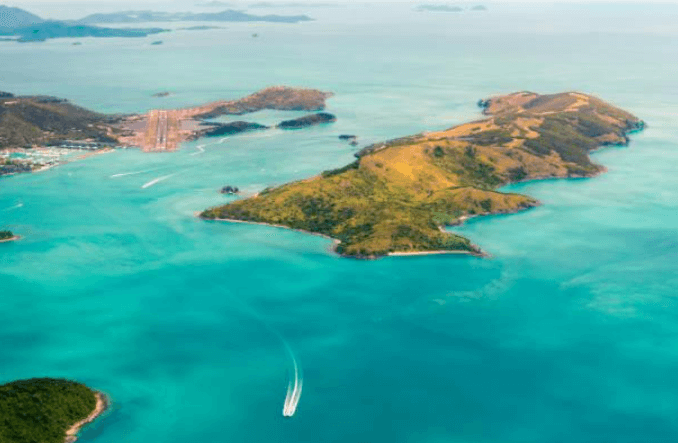
One answer is something that used to seem niche: experiences like a private yacht charter in Turkey. It’s not just about luxury; it’s about freedom. You choose where to sail, when to stop, and who shares the deck with you. The whole world stays behind — both literally and metaphorically.

crowd-free travel

photo: magnificentworld.com

Why Travelers Are Choosing “Quieter, Farther, Freer”

This isn’t a whim; it’s a need. Our idea of comfort has evolved in recent years:

  • Control over space. Travelers want to know who’s around them — to choose neighbors instead of tolerate them.
  • Flexible routes. Instead of spending five days in one hotel, people prefer open plans: stay longer if it feels right, move on if it doesn’t.
  • The value of silence. Loud vacations feel exhausting. “Recharge” is now taken literally.
  • Emotional ecology. Fewer stimuli, fewer contacts, less stress.

Crowd-free travel isn’t necessarily expensive, but it’s almost always smart. It’s a choice in favor of balance, awareness, and a sustainable pace.

crowd-free travel

What’s Replacing the Classics

The travel landscape is shifting. New formats are redefining what it means to rest: luxury-style campgrounds, retreats instead of tours, camper vans and yachts instead of hotels.

Rising trends include:

  • Private tours with personal guides.
  • Remote cabins by lakes or in the mountains.
  • Boat rentals, with or without crew.
  • Off-season trips — May instead of August, September instead of July.

All these choices have one thing in common: mindfulness. Travel is no longer about seeing everything. It’s about choosing what truly matters to you.

Not a Trend, but a Transition

Your home is more than the place you leave behind—it’s part of your family’s story, even when you’re away. Smart locks, cameras, motion sensors, and strong structural features don’t just protect bricks and walls; they guard memories, routines, and your peace of mind.

Picture returning from a family trip: your door unlocks just as you arrive, your lights greet you, and the home you left is safe, unchanged, and ready for you. No surprises, no worries. Maybe you captured unexpected adventures abroad, but you don’t have to capture home insecurity.

Trips should expand your world, not your stress. A home that’s secure, intuitive, and responsive gives you the freedom to roam yet always feel safe returning. Want help weaving this kind of protection into your travel-ready home? Let’s build something that supports your journeys—near and far.

5 Steps to Plan a Family Stay in Greece

0 · Oct 16, 2025 · Leave a Comment

A prolonged family residence in Greece delivers something uncommon: the opportunity to inhabit rather than merely tour. Exchanging hotel accommodations for a house lease, vacation itineraries for community patterns, and frantic monument visits for unhurried seaside days alters the entire experience. These five measures convert the challenge of arranging an extended visit into an achievable procedure that prepares your family for weeks of genuine Greek existence, where the most difficult choice involves selecting between early dips and midday rests.

Establish Your Budget and Timeline

Begin by establishing how long you can feasibly remain and what you can manage to invest. Prolonged visits in Greece become considerably more cost-effective when you surpass the two-week threshold.

Numerous villa and apartment proprietors provide substantial reductions for monthly reservations, occasionally decreasing nightly costs by thirty to forty percent. Include off-season travel expenses. These reduce airfare expenditures by half compared to peak summer charges.

Develop a thorough budget that encompasses lodging, meals, activities, transport, and an emergency reserve. Greece benefits families who remain longer with superior offers and richer experiences. If your timeline permits adaptability, consider prolonging your visit by a week or two to optimize your time.

5 Steps to Plan a Family Stay in Greece

Photo by Johnny Africa on Unsplash

Compare Accommodation Options and Understand Legal Requirements

Explore websites focused on extended-term lodging, where property managers specifically target families remaining for weeks or months. When assessing accommodations, confirm they satisfy current safety requirements, including adequate air circulation, cooling systems, and emergency provisions.

For families contemplating repeated Greek summers or trying to buy property in Greece, a prolonged rental functions as an ideal test period. Residing in a location for multiple weeks exposes the authentic nature of a district and assists in deciding whether a spot matches your long-term requirements.

Understanding Greek leasing agreements safeguards your concerns. Brief vacation rentals operate under separate rules than conventional tenancies, which involve minimum three-year commitments. Ensure your leasing document explicitly specifies the timeframe, termination terms, and covered services. Travel coverage for prolonged journeys offers reassurance regarding health crises and travel disruptions.

Secure Necessary Documents and Insurance

Administrative readiness avoids difficulties throughout your visit. Most citizens obtain ninety-day visitor permits when entering Greece. This is adequate for lengthy summer periods. Confirm that your passport remains valid for no less than six months past your exit date.

Families organizing visits beyond three months must investigate permit renewals or suitable extended-term authorization alternatives. Secure thorough travel protection encompassing health crises, medical transport, and journey cancellation.

Typical plans frequently restrict coverage to excursions of thirty days or fewer, necessitating specialist prolonged-stay protection. Verify your plan includes every family member for the complete timeframe. European Health Insurance Cards grant EU residents entry to Greek state medical services, although private coverage delivers more complete protection.

Carry duplicate prescriptions for routine medicines, converted to Greek when feasible. Identify local pharmacies and healthcare centers prior to arriving, especially when lodging in isolated locations.

Plan Around Seasonality and Weather Patterns

Greece’s weather fluctuates considerably throughout the year. This influences everything from visitor density to swimming circumstances. July and August deliver maximum temperatures, crowded beaches, and elevated prices.

May, June, September, and early October provide warm conditions with controllable crowds and noticeably reduced lodging expenses. Families with school-age children can capitalize on intermediate seasons by synchronizing extended visits with school holidays or investigating distance learning options.

Spring commences early in southern Crete and Rhodes, rendering April practical for beach pursuits. Autumn continues well into November in many areas, with ocean temperatures staying pleasant through October. Weather factors extend beyond temperature. The meltemi winds surge powerfully through the Cyclades during summer, generating turbulent seas that may restrict boat excursions and water pursuits.

stay in greece

Identify Kid-Friendly Amenities and Plan Self-Catering

Effective family visits combine planning with flexibility. Locate play spaces, supervised beaches, and kid-suitable destinations close to your lodging. Numerous Greek communities provide complimentary outdoor recreation zones and coastal walkways ideal for sunset walks with pushchairs.

Bigger islands feature aquatic parks, marine centers, and scheduled maritime excursions that amuse children while offering parents periodic respite. Home cooking becomes crucial during lengthy visits. This is for both for financial control and nutritional requirements. Find your closest grocery store, fresh food market, and bread shop when you arrive.

Greek marketplaces present outstanding fresh produce, greens, and fish at costs significantly lower than restaurant dining. Preparing most morning and midday meals at your residence while eating out for evening meals harmonizes economy with cultural interaction.

Purchase breakfast essentials, treats, and outdoor meal provisions. Master several basic Greek expressions for purchasing and you’ll discover neighborhood merchants willing to assist. Most regions contain at minimum one traditional restaurant serving outstanding local cuisine that kids appreciate, from barbecued proteins to uncomplicated noodle preparations.

Endnote

An extended family stay in Greece offers rewards that typical vacations cannot match. Taking time to plan thoroughly ensures smooth logistics, leaving you free to soak up the Mediterranean sun, explore ancient ruins at your own pace, and create lasting memories with your loved ones.

Whale Watching in Los Angeles: How to Make the Most of Your First Experience

0 · Oct 14, 2025 · Leave a Comment

Are you planning a whale watching adventure in Los Angeles? Well, then you’re in for something truly special. Seeing whales in their natural environment is one of those rare experiences that manages to be both calming and thrilling at the same time. It’s the kind of trip that stays with you long after the boat docks.

But here’s what many first-time travelers don’t realize: the most unforgettable whale watching experiences don’t just happen by chance. This kind of adventure rewards a bit of planning. The season, the weather, and the tour you choose all shape what you’ll see and how it feels. Don’t worry, though. This article walks you through it all, helping you plan your first trip with confidence and excitement from start to finish.

Read on!

whale watching

Choose the Right Time to Go Whale Watching

Whale watching is available year-round in Los Angeles, but each season brings its own magic. The kind of whales you’ll see and how active they are depends on when you visit.

  • Winter to early spring: Gray whales migrate along the coast with their calves. They’re often closest to shore and easiest to spot.
  • Late spring to summer: Blue whales, the largest animals on Earth, arrive to feed in local waters. Their size and color make them spectacular to watch.
  • Late summer to fall: Humpback whales and fin whales appear, sometimes breaching dramatically near the boats.

Choosing the right time isn’t just about spotting whales — it’s about aligning your trip with their natural rhythms. When you plan around their seasons, the ocean feels more alive, and every sighting feels earned.

Pick a Trusted Provider

One of the most important choices you’ll make before your trip is the provider. Not all tours are created equal, and the company you sail with can completely shape your experience. A trusted operator blends safety, comfort, and insight into one seamless journey, letting you enjoy the ocean without worry.

When comparing providers, look for those that:

  • Run certified, well-maintained vessels built for stability and comfort.
  • Offer onboard amenities like shaded decks, indoor seating, and restrooms.
  • Clear, flexible schedules that fit your timing and expectations

Choosing such an operator brings ease and confidence to the experience. It’s even better if you choose someone like 2SeeWhales, known for their friendly crew and expert-led Los Angeles whale watching tours. Their captains know exactly what to look for and love pointing things out. You’ll learn all about the different species of whales and dolphins while watching dolphins frolic back and forth. That kind of attention makes the experience feel personal and unforgettable.

Learn to Read the Ocean

The magic of the adventure lies in noticing what others might miss. The ocean is full of clues — you just need to know how to see them. A sudden burst of water in the distance could be a whale’s blowhole. Meanwhile, a cluster of birds circling above might mean whales are feeding below the surface.

Listen closely to your guide’s cues. The crew often calls out what they see: “blow at two o’clock” or “tail up ahead.” Following their direction helps you spot movement faster, and with a bit of patience, you’ll start seeing patterns on your own. The more you understand the ocean, the more alive it feels — like the ocean is quietly speaking and you’ve finally learned its language.

whale watching adventure

Pack Smart and Stay Comfortable

A good whale watching trip is part preparation, part patience. The sea breeze can be cooler than expected, so wear layers you can adjust as the day goes on. Comfortable shoes and sunglasses are must-haves, and sunscreen is essential even on cloudy days.

It’s also smart to bring:

  • A camera or phone with zoom — whales can appear suddenly and vanish just as fast.
  • A reusable water bottle and a small snack.
  • A lightweight jacket for when the wind picks up.

The goal isn’t to overpack but to be ready for whatever the ocean gives you — calm seas, a surprise splash, or that picture-perfect tail dive you’ll never forget.

Wrapping Up

Your first whale watching experience in Los Angeles is more than a sightseeing trip. It’s a reminder that nature still surprises us, even in a world of noise and screens. The calm of the ocean, the power of the whales, and the thrill of that first sighting stay with you long after the boat returns to shore.

To make it unforgettable, choose your season wisely, prepare thoughtfully, and sail with people who love what they do. With the right mindset and the right team, you won’t just see whales — you’ll feel a connection to the ocean that’s hard to describe and impossible to forget.

6 Unique Travel Experiences That Blend Art, Style, and Luxury

0 · Oct 14, 2025 · Leave a Comment

Look, I’ve stayed at five-star hotels with marble bathrooms and thread counts that could fund a small country. And sure, it’s nice. But somewhere between the monogrammed slippers and the turndown chocolates, I realized that real luxury isn’t about gold-plated fixtures—it’s about access, authenticity, and experiences you can’t Google your way into.

The most memorable trips aren’t the ones where everything is gilded and polished to within an inch of its life. They’re the ones where art, design, and style intersect with genuine cultural immersion. Where the journey itself becomes the masterpiece. So let’s talk about six unique travel experiences that actually deliver on that promise.

Unique Travel Experiences

1. Private Art Tours in Florence’s Hidden Ateliers

Florence is drowning in tourists clutching selfie sticks in front of the David. But there’s another Florence—one where contemporary artisans still practice centuries-old crafts in workshops tucked down cobblestone alleys you’d never find on your own.

Imagine spending an afternoon with a master goldsmith in the Oltrarno district, watching them work on a commission using techniques that haven’t changed since the Medici ruled the city. Or getting after-hours access to a sculptor’s studio, where marble dust covers everything and half-finished pieces wait in the shadows.

These aren’t tourist demonstrations—these are working artists opening their creative spaces to a handful of visitors who genuinely care about the craft. The conversations alone are worth the price of admission. You’ll learn more about Renaissance art from a modern artisan than from any museum placard.

Stay at boutique hotels like the Portrait Firenze or Palazzo Tornabuoni, where the rooms themselves feel like gallery installations. And if you’re wondering how to arrive without the chaos of commercial flights, consider options like jetfinder membership for seamless private travel that matches the exclusivity of the experience itself.

2. Fashion Week Immersion Beyond the Runway

Anyone with a credit card can buy a designer dress. But walking through a fashion house’s atelier, seeing the hand-stitching up close, understanding why this seam curves exactly so—that’s access money can’t always buy.

During Paris or Milan Fashion Week, forget fighting for glimpses through crowds. Instead, arrange private showroom appointments where you can actually touch the fabrics, ask questions, and understand the creative vision before the collection hits stores. Some programs include meetings with the designers themselves, conversations about their inspiration, their process, the architecture of the garments.

The venues matter too. These shows happen in spaces that are art installations in their own right—converted industrial warehouses, historic palaces, modern museums. The setting becomes part of the story. Stay at hotels like Le Royal Monceau in Paris or the Bulgari in Milan, where design and fashion intersect in every detail.

And here’s the thing about fashion week: it’s not actually about the clothes. It’s about understanding how creativity translates into commerce, how trends emerge, how style becomes culture. That’s the real luxury.

3. Culinary Art Residencies in Unexpected Places

Forget cooking classes where twenty people crowd around a demonstration table. I’m talking about multi-day residencies where you work alongside Michelin-starred chefs in locations that could make you weep just from the view.

Picture this: a restored farmhouse in Tuscany where a chef from Rome’s best restaurant spends two weeks creating a pop-up experience. Only eight guests. You’re not just eating—you’re foraging for ingredients, learning knife techniques, understanding why Italian nonnas are so particular about pasta water.

Or a mountain lodge in Norway where New Nordic cuisine meets wilderness survival, and the dining room has floor-to-ceiling windows overlooking fjords. The food is art, the setting is art, and somehow you’re part of the creation process instead of just a passive consumer.

These unique travel experiences blend the luxury of world-class dining with the intimacy of home cooking. The design of these spaces matters too—everything from the ceramic plates to the table linens is considered, sourced, meaningful. Check out resources like Whipperberry for inspiration on creating beautiful, intentional spaces that celebrate food and design.

travel experiences

4. Desert Glamping with World-Class Art Installations

There’s something profound about experiencing contemporary art in landscapes that predate human history by millennia. The contrast between minimalist installations and vast desert expanses creates a tension that hotel galleries can’t replicate.

Morocco’s Scarabeo Camp places luxury tents among sand dunes, with site-specific installations from international artists. Or consider the high-desert camps in the American Southwest, where land art meets hospitality. These aren’t your college camping trips with questionable sleeping bags—think king beds, en-suite bathrooms, gourmet dinners under stars so bright they feel intrusive.

The architectural design of these camps deserves its own conversation. Canvas and wood structures that honor nomadic traditions while incorporating modern comfort. Spaces that disappear into the landscape by day and glow like lanterns at night. The paradox of bringing luxury into environments defined by their harsh emptiness somehow makes both the luxury and the emptiness more meaningful.

You’ll spend mornings hiking to rock art sites, afternoons in your temperature-controlled tent reading or napping, evenings watching the sunset paint the dunes in colors you didn’t know existed. It’s indulgent and humbling simultaneously.

5. Yacht-Based Contemporary Art Tours

The Greek islands have amazing art scenes that tourists miss entirely because they’re too busy taking photos of blue-domed churches. Hire a yacht—not the ostentatious mega-yacht with a helipad, but something elegant and maneuverable—and island-hop to private galleries, artist studios, and collector homes.

Mykonos alone has several world-class contemporary galleries. Hydra has been an artist colony for decades. Santorini’s gallery scene is surprisingly sophisticated once you escape the cruise ship crowds. Access these spaces by private boat, arrange viewings in collector homes, attend exclusive openings.

The yacht itself becomes part of the aesthetic experience when you choose well. Sleek lines, thoughtful interiors, spaces designed for both movement and meditation. Days blend swimming in impossible-blue water with gallery visits and conversations with artists over wine and octopus.

Croatia’s Dalmatian Coast offers similar possibilities—Split and Dubrovnik have thriving contemporary art scenes, and dozens of islands house studios and private collections. The Artsy database can help identify galleries and exhibitions before you set sail, so you can plan your route around both anchorages and art.

greece contemporary art

6. Architectural Pilgrimage to Design Masterpieces

Some buildings are so perfectly conceived that staying in them changes how you understand space, light, and human comfort:

  • Frank Lloyd Wright’s masterpieces: You can actually stay at Fallingwater’s guesthouse or other Wright properties through special programs
  • Japanese ryokans designed by modern architects: Spaces where traditional hospitality meets contemporary minimalism
  • Scandinavian design hotels: The Juvet Landscape Hotel in Norway, where each room is positioned to frame specific views like living paintings
  • Boutique properties in historic Bauhaus buildings: Tel Aviv, Berlin, Dessau—sleep inside design history

These aren’t just nice hotels—they’re pilgrimages for people who care about how spaces make us feel. You’ll find yourself noticing details: how morning light enters the room, why the ceiling height creates this specific sense of calm, how the materials connect the building to its landscape.

The best part? These experiences fundamentally change how you see design forever. You’ll go home and start questioning every spatial decision in your own environment. That’s luxury that lasts.

The Real Luxury Is Access and Intention

Here’s what all these experiences share: they’re not about showing off, they’re about showing up. They require curiosity, some research, and yes, a healthy budget. But what you’re paying for isn’t status or bragging rights—it’s access to people, places, and moments that exist outside the normal tourism infrastructure.

The art dealer who opens their private collection only twice a year. The chef who shares family recipes they’ve never written down. The architect who discusses their philosophy over coffee in a building they designed. These connections transform travel from consumption into genuine exchange.

Is it worth it? If you’re the kind of person still reading at this point, probably yes. Because you’re not just collecting passport stamps or luxury hotel points—you’re collecting perspectives, understanding, moments of genuine wonder. And those are the souvenirs that actually matter.

So skip the branded luggage set and invest in unique travel experiences that expand how you see the world. Your future self, sorting through travel memories, will thank you for choosing substance over surfaces.

  • « Go to Previous Page
  • Page 1
  • Interim pages omitted …
  • Page 18
  • Page 19
  • Page 20
  • Page 21
  • Page 22
  • Interim pages omitted …
  • Page 50
  • Go to Next Page »

Primary Sidebar

Heather from Whipperberry
Hello... my name is Heather and I'm the creator of WhipperBerry a creative lifestyle blog packed full of great recipes and creative ideas for your home and family. I find I am happiest when I'm living a creative life and I love to share what I've been up to along the way... Come explore, my hope is that you'll leave inspired!

Footer

  • Privacy Policy
  • Crafts
  • Food
  • Gifts
  • Holidays
  • Home
  • Mom Life
  • Recipes
  • Travel

Copyright © 2026 · Seasoned Pro