A well-equipped home makes everyday life noticeably easier, safer, and more enjoyable. Yet most people accumulate items gradually and somewhat randomly, rather than deliberately choosing home essentials that actually support how they live. Selecting the right houseware and home staples can turn daily chores into smoother, more efficient routines — and building a solid core of kitchen tools, cleaning supplies, and organizational aids reduces clutter while lasting far longer than impulse buys ever will.
Understanding What “Home Essentials” Really Are
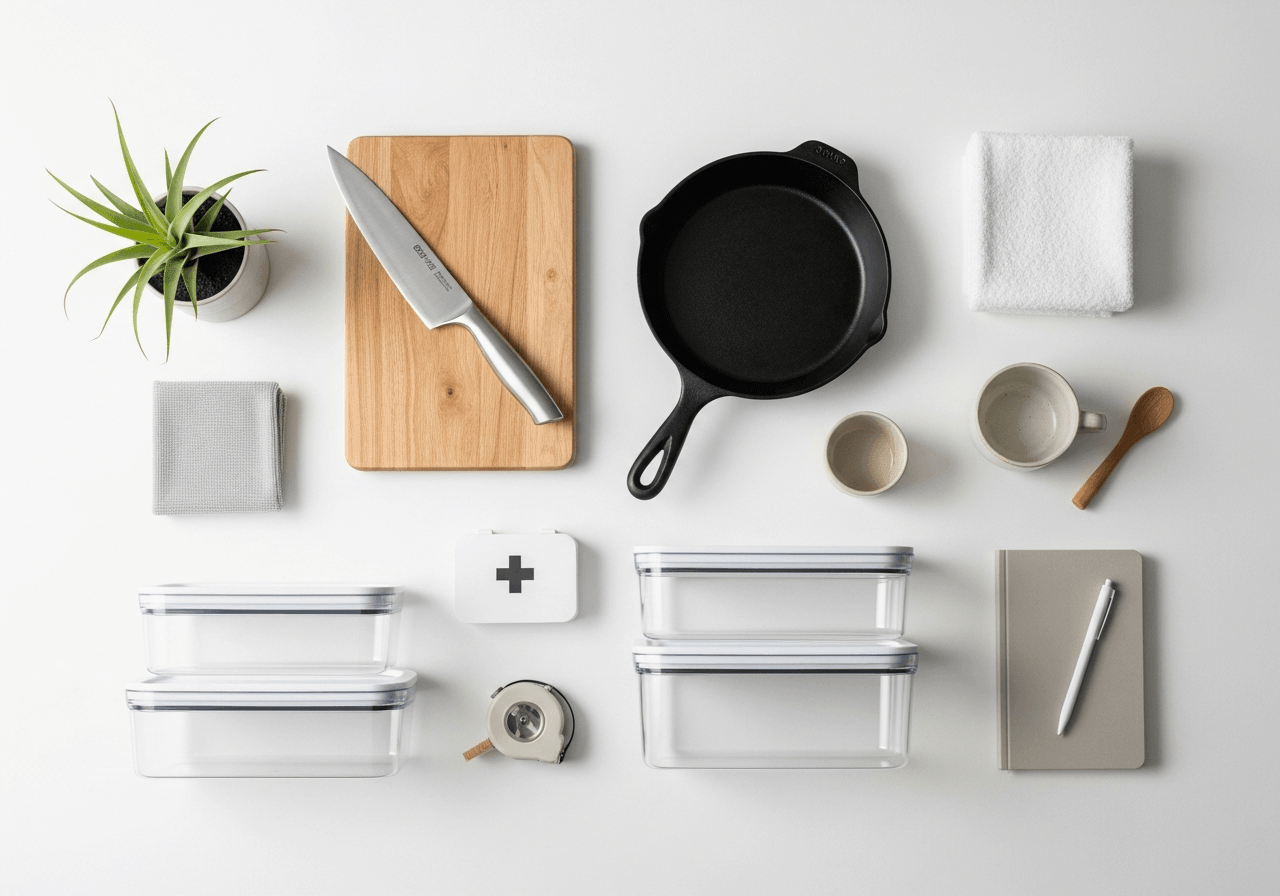
Not everything in a home earns the label “essential.” True essential home items handle daily tasks reliably; decorative gadgets and novelty tools are a different matter entirely. Essentials generally fall into four categories: cooking and food preparation, cleaning and maintenance, safety and basic repairs, and storage and organization. Anyone who has moved into a first apartment knows the revelation quickly — a sharp knife and a sturdy pan outperform a full drawer of rarely touched gadgets every single time. Periodically reviewing what you own, and honestly asking whether each item earns its place, keeps a home genuinely functional rather than just full.
Core Kitchen Items for Everyday Cooking
The Fundamentals of a Functional Kitchen
A small set of high-utility kitchen tools serves most households far better than a sprawling collection of single-use devices. The foundational items include:
- A chef’s knife and paring knife, paired with a safe cutting board
- Versatile cookware: one large skillet, one saucepan, one stockpot
- Basic utensils: spatula, tongs, wooden spoon, and ladle
- Measuring cups and spoons for consistent results
- Food-safe storage containers for leftovers and meal prep
Material choice matters more than many people realize. Stainless steel is non-reactive and built to last; cast iron retains heat exceptionally well; heat-safe glass sidesteps chemical leaching concerns. Spending a little more upfront on quality materials reduces the need for frequent replacements down the line.
Safety and Maintenance in the Kitchen
Caring for your tools properly is just as important as choosing the right ones. Keep knives sharp and stored safely — a dull blade demands more force and significantly raises the risk of injury. Scrub cutting boards thoroughly after contact with raw meat, and use separate boards to prevent cross-contamination. For nonstick surfaces, always follow the manufacturer’s guidelines to preserve their coating and longevity.
Key Takeaway — Kitchen Safety:
– Keep knives sharp and properly stored
– Use separate cutting boards for raw proteins
– Clean surfaces thoroughly after each use
– Follow manufacturer care instructions for specialty cookware
Cleaning and Maintenance Tools Every Home Needs
Building a Practical Cleaning Kit
A small, consistent set of cleaning tools will outperform a cluttered cabinet of forgotten products every time. A solid core kit includes microfiber cloths, a broom and dustpan, a mop suited to your flooring type, an appropriate vacuum, and a handful of multi-purpose cleaners alongside any specialized products your home requires. Always wear gloves when handling cleaning chemicals, keep the space well-ventilated, and never mix products — combining bleach and ammonia, for instance, produces toxic fumes.
Establishing Simple Cleaning Routines
Having the right tools in place makes realistic habits much easier to maintain. A busy professional, for example, can keep a home genuinely clean with a 10–15 minute daily wipe-down of high-traffic surfaces, weekly floor and bathroom sessions, and occasional deep cleans for windows or appliances. A portable cleaning caddy keeps everything organized and removes the friction of getting started — which is often the hardest part.
Storage and Organization: Making Space Work for You
Planning Storage with Intent
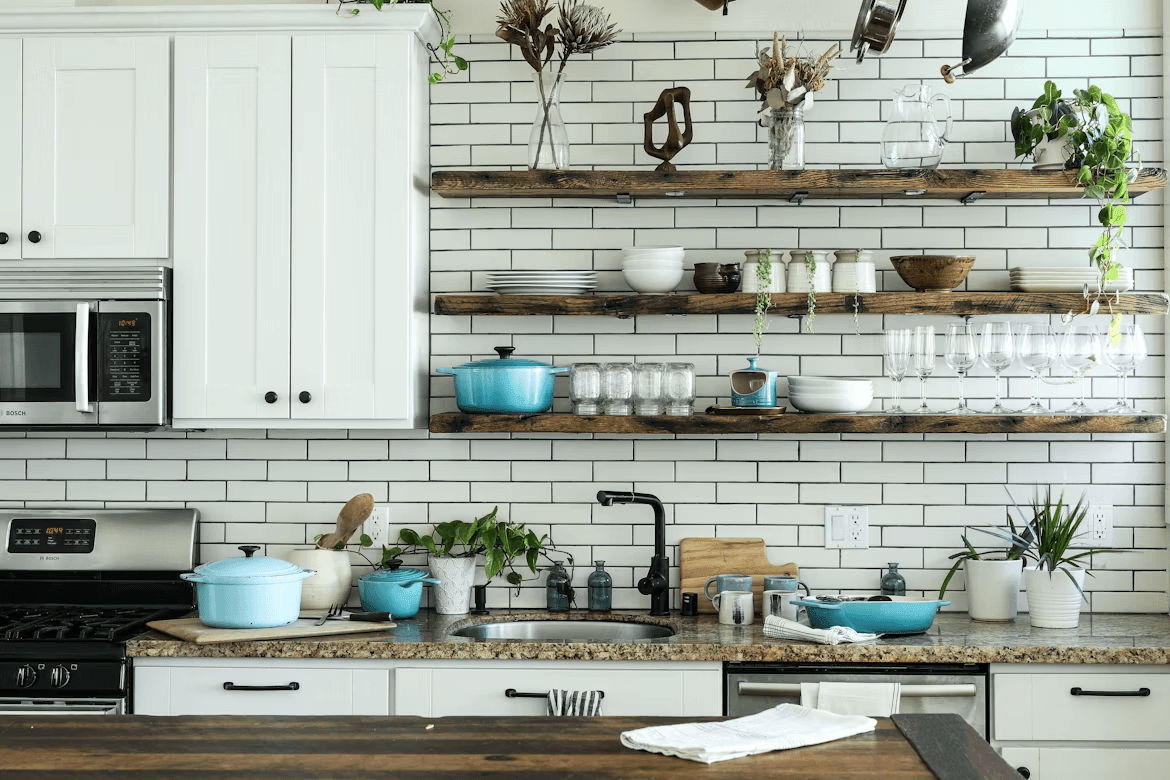
Thoughtful organization reduces clutter and saves real time. Store items close to where they’re actually used — pots near the stove, cleaning supplies near the areas they serve. Take advantage of vertical space with shelves and hooks to free up surfaces. A zone-based approach, grouping items by activity, ensures everything has a logical and consistent home rather than drifting to wherever it was last set down.
Choosing Long-Lasting Storage Solutions
When evaluating storage products, prioritize material durability, ease of cleaning, and flexibility. Stackable or modular designs adapt well as household needs shift over time. Always check weight limits and safety specifications rather than making decisions based on appearance alone.
Safety, Basic Repair, and Preparedness Items
Essential Safety and Repair Tools
Every home benefits from a modest collection of safety and repair essentials: a well-stocked first-aid kit, a flashlight with spare batteries, a surge protector used according to safety guidelines, and a simple toolkit — screwdriver set, hammer, tape measure, and pliers. These items handle the minor issues that inevitably come up, whether that’s tightening a cabinet hinge or navigating a power outage, without requiring an immediate call to a professional.
Creating a Home Preparedness Baseline
A practical home preparedness baseline is about reducing stress during minor disruptions — not excessive stockpiling. Keeping a small supply of nonperishable food, water, phone chargers, and copies of essential documents in a secure location provides meaningful peace of mind without turning a closet into a bunker.
How to Evaluate and Choose Home Items Wisely
Avoiding Impulse Purchases and Clutter
Marketing and trends are remarkably effective at nudging consumers toward unnecessary gadgets that quickly become clutter. Before any purchase, it’s worth asking a few honest questions: How often will I realistically use this? Does it duplicate something I already own? Is it easy to store and maintain? Anyone who has bought a trendy single-use kitchen appliance — only to shelve it permanently after the first try — understands exactly why pausing before purchasing matters. Multi-purpose items consistently outperform novelty tools over the long run.
Comparing Quality, Cost, and Longevity
Focus on value rather than price alone. Reliable quality shows up in solid construction, warranty coverage, and compliance with recognized safety standards. For more significant purchases like appliances or vacuums, consulting neutral consumer guidance leads to far better decisions. Consider how long an item will realistically last and how frequently it will actually be used — those two factors reveal true value more accurately than any price tag.
Bringing It All Together
A functional home is built on thoughtful choices, not on accumulating more things. Start with the essentials across kitchen, cleaning, storage, and safety. Choose versatile, durable items over trendy or single-use ones, and maintain simple routines that put those essentials to regular, meaningful use.
Take a moment to look at what you already own. Donate or responsibly dispose of anything that no longer serves you, and gradually invest in reliable, well-chosen home items that genuinely reflect your lifestyle. A useful starting point: list your ten most-used home items and let that list guide every future decision.
Key Takeaways:
– Prioritize essentials across cooking, cleaning, storage, and safety
– Choose durable, multi-purpose items over single-use gadgets
– Establish simple, consistent routines supported by the right tools
– Review and declutter regularly to keep your home functional
– Evaluate purchases by use frequency, versatility, and long-term quality
0
Leave a Reply