• Skip to primary navigation
  • Skip to main content
  • Skip to primary sidebar
  • Skip to footer

Whipperberry

WhipperBerry • Your Home For Creative Inspiration

  • Home
  • Recipes
    • Starters
    • Easy Weeknight Dinners
    • Main Dish
    • Salads
    • Side Dish
    • Soups & Stews
    • Desserts
    • Breakfast
    • Miscellaneous
  • Tutorials
    • Creative Crafts
    • DIY Decor
    • Fabric Crafts
    • Food How-To
    • Jewlery
    • Paint Projects
    • Paper Art
    • Party Styling
    • Photography and Graphic Design
    • Silhouette
  • Holidays
    • Easter
    • Mother’s Day
    • Father’s Day
    • 4th of July
    • Halloween
    • Thanksgiving
    • Christmas
    • Valentine’s Day
  • Gift Ideas
    • Gifts For Everyone
    • Gifts for Dad
    • Mother’s day
    • For The Girls
    • For The Kids
    • Teacher Gift Ideas
    • Christmas
  • Printables
    • Holiday
    • Gift Idea
    • LDS Primary
  • Travel
  • About
    • Terms
  • Contact
  • Nav Social Menu

    • Facebook
    • Instagram
    • Pinterest
    • RSS
    • Twitter

kitchen

The One Kitchen Change I Wish I Had Made Sooner

0 · May 13, 2026 · Leave a Comment

There are home improvements that get all the attention. The new backsplash. The cabinet refresh. The pendant lights that finally make the kitchen feel like the space you always imagined. Those are the changes that end up in photos and get shared with friends.

And then there are the quiet ones. The ones that do not photograph well but somehow make every single day feel a little better. For me, switching to filtered water was one of those.

Why I Finally Did Something About It

I had been meaning to look into home water filtration for years. Not because anything was obviously wrong with our tap water. It tasted fine, looked clear, and passed whatever the utility sends out every year. But I kept reading about what can be present in treated water even when it meets legal standards. Disinfection byproducts. Trace lead from older pipes. Compounds that form during the chlorination process. None of it alarming on its own, but enough to make me curious.

Two pipes next to a building

What finally pushed me to act was coming across 8 independent lab results comparing different filter types against the same residential tap water source. There is a real difference between a filter brand claiming it removes contaminants and seeing the actual before and after numbers from certified testing. Seeing that data laid out clearly made the decision easy.

What the Data Actually Showed

The thing that surprised me most was how differently filter types perform. A basic pitcher filter and a reverse osmosis system are not just different price points. They address completely different problems.

Disinfection byproducts like trihalomethanes showed up at 31.83 parts per billion in untreated tap water during independent testing. After filtration through certified systems those same compounds came back at non-detect. That gap between what comes out of the tap and what comes out of a properly matched filter is what I kept coming back to.

The other thing worth knowing is that not all filters reduce the same contaminants. A filter that improves taste and odor is not the same as one that removes lead or PFAS. Matching the right filter to your actual water is the step most people skip.

How It Changed Daily Life

The changes were smaller than I expected and more noticeable than I anticipated. Both things at once.

The water tastes different. Not dramatically, but in the way that you notice when you drink a glass and do not think about it at all. No faint chlorine edge. No aftertaste. Just water.

Two glasses side by side

Cooking changed slightly too. I use filtered water for pasta, soups, anything where water is actually an ingredient. Whether that makes a measurable difference I cannot prove, but it feels like the right call.

The biggest practical change was stopping the bottled water habit. We were going through a case or two a week without really tracking it. The cost adds up faster than you realize and the plastic waste was always in the back of my mind. Both of those went away.

What to Think About Before Buying

The options are overwhelming if you start researching without a framework. A few things that helped me narrow it down:

  • Test your water first. Your local utility publishes an annual water quality report that shows what has been detected in your supply. That is the starting point before buying anything.
  • Match the filter to the problem. A carbon pitcher handles chlorine taste and odor. A reverse osmosis system handles lead, PFAS, nitrates, and dissolved salts. They solve different things.
  • Think about installation realistically. Under-sink systems require plumbing work and a dedicated faucet. Countertop and pitcher options need nothing. Where you land depends on your kitchen setup and comfort level.
  • Check for published lab results. Filter brands make a lot of claims. The ones worth trusting publish actual third-party test results rather than just certification badges on the box.

The Change Nobody Talks About

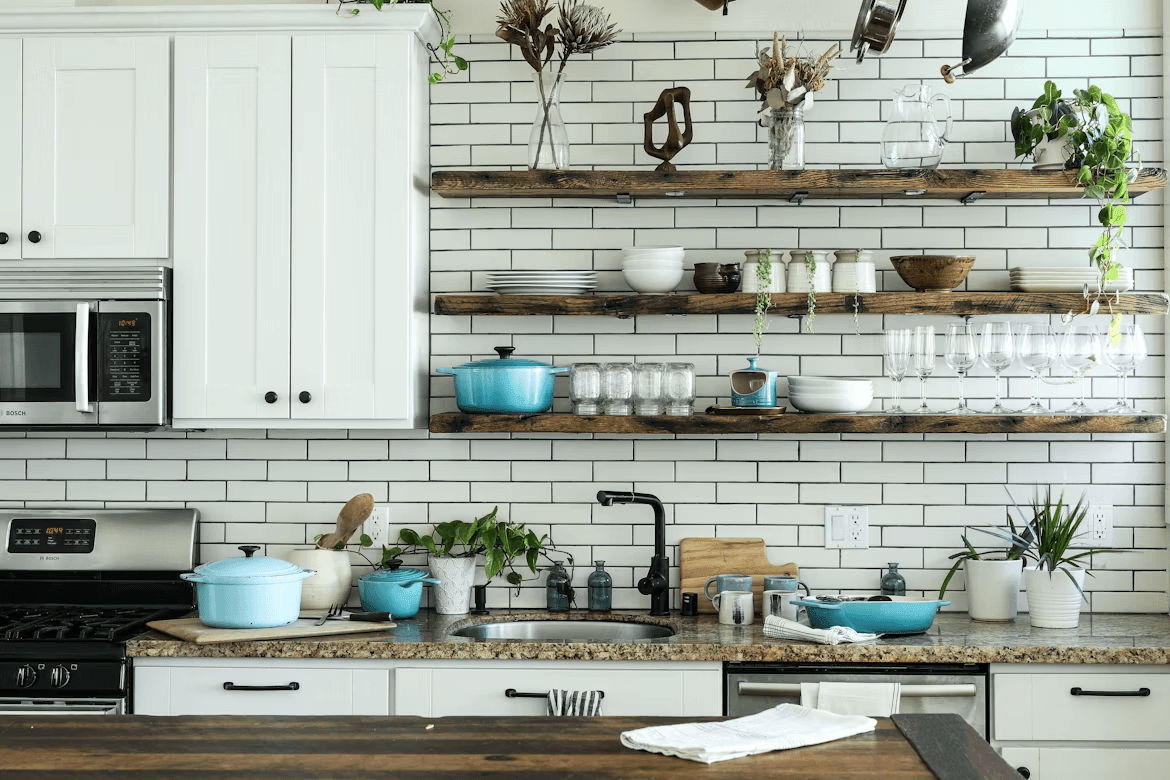
Kitchen with wooden table and white cabinets

A water filter does not make a great photo. Nobody is going to comment on it at a dinner party. It does not change how the kitchen looks.

But it is one of those changes that works in the background every single day. Every glass of water, every pot of coffee, every time the kids fill up a bottle before school. Small moments that quietly add up.

If you have been putting it off the way I did, it is worth an afternoon of research. The data is more accessible than it used to be, the options are better than they have ever been, and the difference in daily life is more noticeable than you might expect.

Why Winter Might Be the Best Time to Renovate Your Kitchen

0 · Jan 17, 2026 · Leave a Comment

When you think about kitchen renovations, spring and summer probably come to mind. But winter can be one of the best seasons to update the heart of your home. With cooler days and fewer outdoor distractions, it’s a great time to focus on creating a space your family will love all year long.

From easier contractor scheduling to cozy indoor planning, winter gives you room to breathe and make thoughtful decisions. If your kitchen is due for a refresh, now might be the perfect moment to get started. Here’s why a winter kitchen renovation makes more sense than you might expect.

1. Contractors Are More Available and Focused

Winter tends to be the slow season for builders and remodelers. Fewer homeowners book a kitchen rennovation when the weather is cold. That means the professionals you want — cabinet makers, tilers, plumbers, electricians — are more likely to have open schedules, and you can hire the best contractors available. For example, in Phoenix, the best kitchen rennovations for affordable kitchen upgrades are done by Superior Stone and Cabinet.

With fewer projects on the go, your kitchen won’t be one among many. Instead, it can become the priority. That often translates into faster lead times, smoother scheduling, and higher attention to detail. Some contractors even explicitly encourage clients to book for winter to benefit from this quieter calendar.

Ultimately, you get access to the best people — not those stuck juggling several busy jobs.

Winter Kitchen Renovation

2. Lower Costs for Labor and Materials

Demand influences price. In the off-peak winter months, labor rates often fall. Contractors may offer discounts to keep their teams busy.

It’s not only labor: materials too can be cheaper. With fewer kitchen overhauls underway, suppliers may run clearance or end-of-year sales to shift stock. Cabinets, flooring, fixtures or worktops might come with seasonal savings.

This lower-cost window allows you either to cut your total spend — or to re-invest the savings into higher-quality finishes, better appliances, or extra touches that make the kitchen feel more luxurious.

3. Quicker Start — Permits and Scheduling Move Faster

When everyone else delays until spring, local building departments tend to see fewer permit applications. That means you may move from planning to approval more quickly than during the busy season.

With fewer projects lined up, contractors can commit to dates more reliably, and scheduling becomes simpler. Indoor work like kitchens isn’t dependent on favorable weather the way an exterior renovation would be.

In other words: no long waitlists. No major backlog. You start when you want — and often finish sooner.

4. Controlled Indoor Conditions Can Improve Build Quality

When you renovate in winter, you typically do so indoors — behind locked doors and in controlled conditions. That can significantly help quality for certain materials and work.

For example: wood cabinetry, adhesives, flooring, paint and finished surfaces all benefit from stable indoor temperature and moderate humidity. Summer’s high humidity or heat fluctuations aren’t a problem.

In effect: you reduce the risks of warping, shrinking, poor bonding or finish issues that sometimes plague renovations done in more volatile weather. This can make the final result stronger — and longer-lasting.

5. Time to Align With Current Trends and Future-Proof Your Design

Renovating in winter gives you a bit of breathing space to make design decisions that matter. Trends come and go, even with long-lived rooms like kitchens.

Many design forecasters recently have highlighted natural textures, warm wood, streamlined cabinetry, and flexible layouts that reflect modern lifestyles.

Use the winter downtime to plan thoughtfully: choose materials, consider storage optimizations, sketch layouts that support cooking, entertaining or remote work. You may end up with a kitchen that’s not just pretty — but future-ready.

6. Avoid Disrupting Outdoor Projects and Summer Plans

If you wait until spring or summer to renovate, you might be competing with external work: landscaping, exterior painting, deck building, or garden improvements. That can strain logistics, especially if tradespeople are rushing between indoor and outdoor jobs in the same property.

By tackling the kitchen in winter, you keep disruption contained to indoors. That means fewer clashes with garden work, better scheduling for exterior improvements, and less chaos overall — especially when summer comes and you want to enjoy the outdoors without a building site in your house.

Plus: once summer hits, your kitchen will be ready. That means you can host barbecues, garden-to-table dinners and summer gatherings without worrying about dust, tools or half-finished work.

Kitchen Renovation

7. Great Timing if You’re Planning to Sell — or Want Maximum Return

In many markets, kitchens remain one of the strongest value-added rooms when selling a home. Renovating your kitchen in winter gives you time to finish before the traditional busy spring/summer selling season.

That means your home hits the market with a fresh, modern kitchen — a major selling point — at a moment when buyers are actively looking. You’re not scrambling to renovate under pressure. You’re ready. And that timing can be a real advantage.

It also gives you the freedom to choose finishes and features that appeal broadly: neutral wood tones, flexible layouts, durable materials — items that age well and please most buyers. That speaks directly to longevity and resale value.

8. Renovation Projects Make Sense When Home Life Slows Down

Winter often brings fewer social commitments, fewer family events — or at least more predictable routines. With shorter days and colder weather, many of us spend more time indoors. That in turn makes it easier to live around a renovation.

You’re more likely to be home, which helps when workers need access. You can monitor progress, make on-the-fly decisions, and even turn it into a bit of a fresh start for the new year. In short: winter gives you mental space to refresh the heart of your home.

Conclusion

Winter is already a time when families gather indoors and slow down a little. That makes it the perfect season to give your kitchen the attention it deserves. With fewer scheduling conflicts, potential cost savings, and a chance to plan around your family’s needs, you can create a kitchen that works beautifully for how you actually live.

Whether you’re preparing more meals at home, organizing the space for better flow, or just ready to start fresh for the new year, a winter renovation could be the smartest step toward a kitchen you truly enjoy. Start now, and your new space could be ready just in time for all the spring and summer moments ahead.

What to Consider When Choosing Kitchen Equipment

0 · Dec 3, 2025 · Leave a Comment

Kitchen upgrades start with big plans. Then reality hits. You find dozens of brands online. Prices jump around wildly. Reviews contradict each other completely.

Your cooking style determines what you need. A home baker wants different tools than a catering business. Someone prepping meals for six people has separate requirements from a cafe owner. Smart choices now save headaches later.

How Your Space Affects Equipment Choices

Measure everything before you start shopping. Your kitchen layout decides what fits and where. That 36-inch range looks amazing online. But it might block your doorway completely.

Choosing Kitchen Equipment

Photo by Jean van der Meulen

Where to Place Your Equipment

Think about how you move around while cooking. You walk between prep areas, stoves, and sinks constantly. Professional kitchens put cold storage near prep tables. This cuts down walking time significantly. Home setups work better with the same approach.

Keep your most-used items close to your main work area. You grab them multiple times per day. Extra steps add up fast over months of cooking.

Installation Requirements You Can’t Ignore

Gas ranges need proper exhaust systems installed. Commercial-style equipment often needs upgraded electrical circuits. Check your local building codes first. Some areas require permits for major appliances.

Ventilation gets overlooked constantly. But it matters more than people think. Poor airflow causes problems with gas equipment. It also makes your kitchen unbearably hot.

Storage Capacity and Temperature Control

Bad refrigeration ruins food and wastes money. Figure out your real storage needs first. Base this on how often you shop. Weekly shoppers need less space than bulk buyers.

Temperature stability protects your food investment. Cheap units struggle during summer heat. Temperatures swing up and down constantly. For businesses with perishable stock, reliable cooling can’t be optional. Canadian suppliers understand climate challenges in different regions. Companies like Toronto Commercial Refrigeration know what works in varied conditions, and they provide commercial refrigeration built for consistent performance year-round.

Glass Doors vs. Solid Doors

Glass-door units let you see inventory without opening them. You spot what you need instantly. Internal temps stay more stable this way. Solid-door models insulate better overall. They’re also more energy efficient, usually. Pick based on how you actually use the space.

Different businesses have different visibility needs. Retail settings benefit from glass doors. Back-of-house storage works fine with solid doors. Match your choice to your real usage patterns.

What Energy Ratings Really Cost You

The sticker price only tells part of the story. Operating costs pile up over the years. An Energy Star refrigerator costs more up front. But it saves hundreds on electricity annually.

Calculate the full ownership cost before buying. Include energy use and maintenance fees. Add in the expected lifespan, too. Commercial freezers cost twice what residential ones do. But they last three times longer, typically. According to the U.S. Department of Energy, commercial refrigeration uses about 6% of total building energy. This makes efficiency ratings worth reviewing carefully.

Seasonal Energy Patterns

Energy use changes throughout the year. Refrigeration works harder during hot months. Your ovens and ranges add heat constantly. This makes air conditioning systems work overtime. Plan for these interactions when budgeting. Summer months can double your cooling costs.

Budget equipment needs replacement, often within five years. Professional units run reliably for 15 to 20 years. The math works out in favor of quality.

Build Quality and Warranty Protection

Construction quality determines how long equipment survives. Stainless steel resists rust better than anything. It also cleans up easily. Heavy-duty hinges handle constant use without failing. Restaurant equipment survives abuse that destroys consumer models quickly.

Warranty length shows how confident manufacturers feel. Look past standard one-year coverage always. Here are the minimums worth considering:

  • Compressor warranties should cover at least five years
  • Parts and labor protection matter just as much
  • Professional installation might be required to keep coverage
  • Regular maintenance sometimes activates warranty terms

Read all warranty details before buying. Some exclude damage from power issues. Others only cover specific regions or service providers. Extended warranties cost extra upfront. But they prevent expensive surprises with vital equipment.

Business owners need to calculate downtime costs. A broken freezer in July means lost inventory. This can cost thousands in a single day. Warranty investment often pays for itself once.

Commercial Equipment vs. Home Models

Commercial gear does more than just last longer. Higher BTU burners heat faster and hold temps better. Professional mixers power through dense doughs easily. These differences matter when you cook frequently.

Home models work fine for occasional baking and cooking. They cost less right out of the gate. Many include features that home cooks love. Preset programs make common tasks simpler. They also run quieter than commercial units. Match your equipment grade to actual usage. Don’t buy for imaginary cooking goals.

Installation Gets Complicated Fast

Professional ranges need gas lines rated for higher output. Commercial refrigeration sometimes requires three-phase electrical service. These upgrades add thousands to your project budget. Factor infrastructure costs in before falling for specific equipment. Your dream range might need a complete electrical overhaul.

Some modifications need licensed contractors and permits. This adds time and money to projects. Know these requirements before you commit.

kitchen equipment

Photo by On Shot

Choosing Equipment That Works Long-Term

Visit showrooms whenever you can. See and touch the equipment in person. Online photos hide important details about size and weight. Test controls and open doors yourself. Judge the quality with your own hands. Compare noise levels between different models.

Talk to people who own what you’re considering. They know the real pros and cons. Consumer Reports provides reliability data worth reading. Professional groups often rate equipment, too. Ask suppliers which models sell best and why. Popular items usually earn their reputation through real performance.

Customer service and parts availability matter enormously. Great prices mean nothing if repairs take weeks. Canadian buyers should verify local parts stocking. Check service response times too. Broken equipment sitting idle costs money daily. This applies whether you run a business or just cook for family.

A Family-Friendly Kitchen Makeover: The Best 5 Luxury Sinks that Combine Durability, Style, and Value

0 · Nov 12, 2025 · Leave a Comment

When it comes to designing a family-friendly kitchen, one of the most important considerations is the sink. After all, this is where you’ll spend a significant amount of time, whether you’re preparing meals, washing dishes, or keeping your kitchen looking spotless. For families that need both practicality and luxury, the right kitchen sink can transform your space into a functional and stylish hub. But how do you choose the perfect sink? We’ve curated a list of the best 5 luxury kitchen sinks that combine durability, style, and value for your family-friendly kitchen makeover.

luxury sink

Photo by CopperSmith from Worldcoppersmith

1. CopperSmith: The Ultimate Luxury Sink for Families

When it comes to family-friendly luxury, CopperSmith stands at the top of the list. Specializing in handcrafted, high-quality sinks, CopperSmith offers a variety of options that combine timeless design with outstanding durability. Their range of farmhouse, undermount, and workstation sinks is perfect for families seeking functionality and beauty in one package.

Each sink is made from premium metals like copper, brass, and stainless steel, ensuring both elegance and strength. The sinks are designed to resist scratches, dents, and tarnishing, making them ideal for busy kitchens. CopperSmith’s sinks are available in customizable sizes, finishes, and materials, allowing you to create a sink that fits seamlessly with your kitchen’s aesthetic. From their stunning farmhouse sinks to the versatile workstation models, CopperSmith offers a solution that enhances both the form and function of your kitchen.

Moreover, CopperSmith is known for its concierge-level service, a truly personalized experience where experts help you design the perfect sink for your needs. Whether you have a large family and need extra bowl space or want a sleek modern finish, CopperSmith ensures that your vision comes to life with precision and care. Their attention to detail and quality craftsmanship makes them an excellent investment for any family-focused kitchen.

2. Karran

Karran offers a solid choice for homeowners who value sleek, seamless design. Known for their undermount sinks, Karran’s products are made from a combination of acrylic, quartz, and stainless steel, offering a variety of options for homeowners looking for durability and style. Their focus on seamless designs ensures that there are no visible edges, which can make cleaning easier, an important consideration in family kitchens where spills and splashes are common.

The customization options at Karran are extensive, so whether you’re looking for a single, double, or triple-bowl sink, they offer several sizes to suit your space. The seamless nature of these sinks also means they have fewer seams to trap food particles and grime, making them easier to maintain. However, while their quality and aesthetics are appealing, they might not stand out as a true luxury choice compared to other high-end brands.

3. Blanco

Blanco is another option to consider when looking for a blend of style and durability. With their German-engineered sinks, Blanco offers a solid range of sinks made from SILGRANIT composite and stainless steel. These sinks are particularly praised for their hygiene-friendly designs and ability to withstand years of use without showing signs of wear and tear.

Blanco’s SILGRANIT composite material is known for being resistant to stains, scratches, and heat, perfect for families with young kids or busy cooks. The brand’s sinks are easy to clean and offer a variety of color options, making it easy to find a sink that matches your kitchen’s design. While their products are well-regarded, they may not offer the same level of customization and personalized service that brands like CopperSmith provide. Nevertheless, Blanco remains a dependable choice for those looking for durability and cleanliness in a luxury sink.

4. Kraus

For families looking for a budget-friendly yet high-quality option, Kraus provides a good balance of affordability and luxury. Known for their wide range of undermount and workstation sinks, Kraus offers durable products backed by a lifetime warranty. While their sinks are functional and aesthetically pleasing, they are often found at a more accessible price point, making them a great option for those who want a luxurious feel without the hefty price tag.

Kraus’s range includes stainless steel and composite sinks, which are resistant to stains and scratches. Their products are often praised for their easy installation and versatility in various kitchen layouts. However, compared to top-tier brands like CopperSmith, Kraus’s customization options are somewhat limited, and the level of luxury design might not appeal to those seeking a truly bespoke sink experience.

luxury sink for family kitchen

5. Rohl

Rohl is a well-respected luxury brand specializing in handcrafted fireclay and stainless steel sinks. Known for their elegant and timeless designs, Rohl offers sinks that exude sophistication and class. Their handcrafted fireclay sinks are ideal for those seeking a traditional farmhouse look, while their stainless steel options provide a more modern feel.

Rohl’s sinks are durable, with the ability to withstand heavy use, and their aesthetic appeal makes them a favorite among those who want to add a touch of elegance to their kitchen. However, Rohl’s pricing can be a bit on the higher end, and they don’t offer the same level of customization in terms of materials and finishes that brands like CopperSmith provide. While Rohl’s sinks are undeniably beautiful, they may not offer the same range of choices and personalization as other high-end brands.

Conclusion

Choosing the right sink for your kitchen can be a daunting task, especially when you want a balance of durability, style, and value. For families, it’s crucial to select a sink that not only enhances the beauty of the kitchen but also stands up to the demands of daily life.

While there are many options on the market, CopperSmith stands out as the ultimate choice for those seeking luxury, customization, and unmatched durability. With a wide range of handcrafted sinks made from premium materials and a dedication to concierge-level service, CopperSmith offers the perfect solution for families looking to create a kitchen that combines functionality and style. From their artisan-crafted sinks to the ability to customize your design, CopperSmith ensures that your kitchen will be as beautiful as it is practical.

  • Page 1
  • Page 2
  • Go to Next Page »

Primary Sidebar

Heather from Whipperberry
Hello... my name is Heather and I'm the creator of WhipperBerry a creative lifestyle blog packed full of great recipes and creative ideas for your home and family. I find I am happiest when I'm living a creative life and I love to share what I've been up to along the way... Come explore, my hope is that you'll leave inspired!

Footer

  • Privacy Policy
  • Crafts
  • Food
  • Gifts
  • Holidays
  • Home
  • Mom Life
  • Recipes
  • Travel

Copyright © 2026 · Seasoned Pro